Apr 24, 2026 | Auto Repair
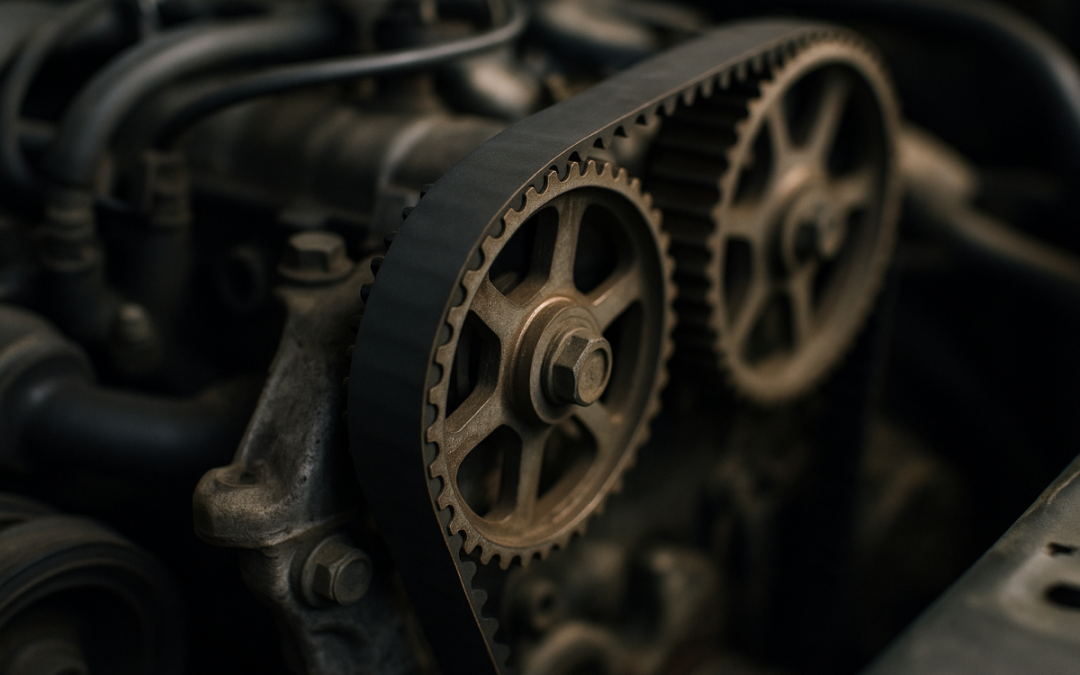
How a Timing Belt Failure Can Lead to Expensive Repairs
If you’re a business owner who relies on vehicles to keep your operations running, ignoring your timing belt condition can be a costly mistake. The timing belt is a small, reinforced rubber belt in your engine, but its failure can shut down your car and rack up thousands in repairs—sometimes in minutes.
When a timing belt breaks, it often happens without warning. If your engine is an “interference” type (most modern vehicles are), a snapped timing belt can throw the internal engine parts out of sync. Pistons can slam into open valves at high speed, bending or breaking them instantly. This isn’t just a minor fix—this often means a full cylinder head rebuild or even a new engine.
Let’s say you drive a 2016 Honda Accord. If the timing belt snaps, the valves can hit the pistons and cause $2,500–$4,000 worth of damage. For higher-end models, like an Audi or BMW, that bill easily climbs past $5,000. Even on a work van, one broken timing belt can put your business vehicle out of commission for weeks. Lost revenue, towing, and rental costs pile up fast.
At Sartorial Auto Repairs in Santa Rosa, we’ve seen business owners drive in for routine service—only to learn their neglected timing belt has already caused engine damage. A little preventative attention to timing belt condition truly saves thousands down the road.
What the Timing Belt Actually Does in Your Engine
Your timing belt is the conductor of your engine’s orchestra. Its main job is to keep the camshaft and crankshaft rotating together in perfect time. This synchronization lets the engine’s valves open and close at the exact right moments, allowing fuel and air to enter and exhaust to exit.
If the timing belt slips, stretches, or breaks, this precise timing is lost. When that happens, the pistons (which move up and down inside the engine) can collide with the valves (which move in and out from the cylinder head). That collision is what leads to catastrophic engine damage.
Here’s what your timing belt does, step by step:
- Synchronizes the crankshaft and camshaft rotation
- Ensures valves open and close at the correct time
- Prevents pistons and valves from colliding
- Drives other components in some cars, like the water pump or oil pump
Some engines use a timing chain instead of a belt, but most light-duty vehicles and work vans use belts because they’re quieter and lighter. The tradeoff: they wear out and need regular checks. Understanding your timing belt’s role is key to appreciating why timing belt condition matters so much.
For further reading, see How to Check Your Vehicle's Timing Belt from motorist.org.
Timing Belt Condition: The Key Warning Signs You Need to Know
Timing belts don’t always fail without warning. There are several signs you can watch for to judge timing belt condition before a disaster happens. Ignoring these signs means you’re gambling with your engine’s health—and your business’s bottom line.
- Ticking or rattling noise from the engine: This could mean the belt is loose, worn, or the tensioner is failing.
- Engine misfires or runs rough: If the timing belt slips even a little, valve timing is off. This leads to misfires, poor performance, or rough idling.
- Visible cracks or wear on the belt: If you can see the belt, look for cracks, fraying, or missing teeth. These are all signs of a belt near the end of its life.
- Oil leaks near the front of the engine: Leaky seals can let oil get onto the timing belt, which quickly breaks down the rubber and can cause the belt to slip or break.
- Difficulty starting the engine: If the belt jumps a tooth or stretches, you may notice hard starting, especially in cold weather.
- Service interval exceeded: If you’re well past the manufacturer’s recommended mileage or years, you’re running on borrowed time—even if there are no symptoms yet.
If you notice any of these, don’t wait. Bring your vehicle to a qualified shop like Sartorial Auto Repairs for a full timing belt condition check.
How to Check the Condition of Your Timing Belt
You don’t have to be a mechanic to take the first steps in evaluating your timing belt condition. While in-depth inspection requires professional tools, you can do a basic check to decide if it’s time for expert help.
- Consult your owner’s manual: Look up the recommended timing belt replacement interval (usually every 60,000–100,000 miles or every 5–7 years).
- Locate the timing belt cover: Most timing belts are behind a protective plastic or metal cover on the side of the engine.
- Look for warning signs: If you can see the belt without removing major parts, check for cracks, fraying, missing teeth, or shiny/glazed appearance.
- Check for oil leaks: Inspect the area around the timing belt cover for any signs of oil.
- Listen for odd noises: Start the engine and listen for ticking or rattling, especially near the front of the engine.
- Monitor engine performance: Any rough running, misfires, or trouble starting could be related to timing belt issues.
- Get a professional inspection: If you’re unsure or can’t see the belt, have a shop perform a detailed timing belt condition assessment. They can remove covers, check tension, and inspect related components like tensioners and pulleys.
Remember, checking the belt is only part of the story. Many failures come from worn tensioners or water pumps, not just the belt itself.
Real Cost Comparisons: Timing Belt Replacement vs. Engine Repair
The numbers make the case for checking your timing belt condition early and often. Here’s a look at what you might spend for a preventative timing belt job versus waiting until disaster strikes.
| Service |
Typical Cost (Santa Rosa, CA) |
What’s Included |
| Timing Belt Replacement |
$500–$1,200 |
New belt, tensioner, pulleys, water pump (if needed), labor |
| Engine Valve Repair (after belt failure) |
$2,500–$4,500 |
Valve replacement, cylinder head labor, gaskets, additional parts |
| Engine Replacement (severe case) |
$4,500–$9,000+ |
Used or rebuilt engine, installation, fluids, extra labor |
| Lost Business Costs |
Varies |
Towing, rental vehicles, lost revenue, missed appointments |
Replacing your timing belt on time almost always costs less than 20% of the price of a major repair after a failure. For business owners, factoring in downtime and lost income, the savings are even more dramatic.
Why Waiting Too Long to Check Your Timing Belt Is a Gamble
Every extra mile you drive on an overdue belt increases the risk of a breakdown. Timing belts don’t always show obvious signs of wear before they fail. Rubber ages, tensioners weaken, and unexpected oil leaks can accelerate problems.
Imagine sending a work truck out for a delivery, only to have it stranded beside the highway. The cost is more than just mechanical—it’s lost time, missed commitments, and a hit to your reputation. Even if the belt looks fine from the outside, internal cracks or weakened fibers can cause it to snap with no warning.
Ask yourself:
- When was your timing belt last replaced?
- Has your vehicle gone beyond the recommended interval?
- Are you willing to risk a multi-thousand dollar repair to save a few hundred now?
Many business owners hope to squeeze “just a few more miles” out of their belts. But the risk far outweighs the reward. One unexpected failure can cost more than years of routine maintenance.
Timing Belt Condition Checks: How Often Is Enough?
There’s no one-size-fits-all answer, but you can follow some clear guidelines to protect your vehicles and your budget. Timing belt condition checks should be part of your regular maintenance routine, especially if you rely on your vehicles for business.
- Every oil change: Ask your shop to do a quick visible check for leaks, noises, and accessible belt wear.
- Every 30,000 miles: Request a more thorough inspection—removal of covers and checking tension if your model allows it.
- At manufacturer’s recommended intervals: Most cars specify timing belt replacement every 60,000–100,000 miles or every 5–7 years. Whichever comes first applies, even if mileage is low.
- Older vehicles or harsh conditions: If your fleet has older vehicles or works in dusty, hot, or stop-and-go conditions, inspect more frequently. Heat and contaminants accelerate belt wear.
- After any oil leak or overheating incident: Oil or coolant exposure can quickly degrade the timing belt. Always check condition after leaks are repaired.
Keeping these intervals on your calendar saves money, headaches, and the risk of being stranded. Sartorial Auto Repairs can help you set up a maintenance schedule tailored to your fleet’s needs.
How Sartorial Auto Repairs Checks Timing Belt Condition for You
At Sartorial Auto Repairs, we take timing belt condition seriously. Our process is thorough and tailored to your specific vehicle and usage. Here’s what you can expect when you bring your car or work van to our Santa Rosa shop:
- Service history review: We check your records and manufacturer recommendations to see if your timing belt is due for inspection or replacement.
- Visual inspection: We look for cracks, fraying, missing teeth, glazing, or oil contamination on the belt itself, using inspection mirrors and proper lighting.
- Component checks: Our technicians inspect tensioners, pulleys, and related hardware for wear or noise. Many failures happen here, not just in the belt.
- Leak checks: We scan for oil or coolant leaks that could damage the belt over time.
- Noise assessment: We listen for unusual ticking or rattling with the engine running, which can signal timing belt or tensioner issues.
- Preventative recommendations: If we spot any signs of aging or risk, we’ll recommend a timing belt service before you face a breakdown. We also suggest replacing water pumps or seals if needed, since these usually fail around the same time.
- Clear communication: You get a full report, photos (when possible), and a direct explanation—no technical jargon, just facts.
Our goal is to help you avoid expensive surprises and keep your vehicles on the road, not in the shop.
Taking Action: The Simple Step That Could Save You Thousands
Checking your timing belt condition doesn’t have to be complicated or expensive. It’s a small investment that protects your business assets, keeps your employees moving, and helps you avoid massive repair bills and downtime.
If you haven’t checked your timing belt lately, or if you’re not sure when it was last inspected, now’s the time. Don’t gamble your business on a $30 piece of rubber. Call Sartorial Auto Repairs at 707-526-2625 or stop by our Santa Rosa shop today. We’ll help you set up a simple maintenance plan, check your timing belt condition, and keep you on the road—saving you thousands in the long run.
Frequently Asked Questions
How can I tell if my timing belt needs to be replaced?
Look for signs like engine misfires, ticking noises, or trouble starting your car. However, timing belts often fail without warning, so it's best to check your owner's manual for the recommended replacement interval and have a trusted mechanic inspect it regularly.
What happens if my timing belt breaks while driving?
If your timing belt breaks, your engine may stop immediately and, in many cars, serious internal damage can occur—such as bent valves or damaged pistons. This can lead to repairs costing thousands of dollars or even require a new engine.
How much does it cost to replace a timing belt?
Replacing a timing belt typically costs between $500 and $1,000, depending on your vehicle make and model. While this may seem expensive, it's far less than the cost of repairing engine damage from a broken belt.
How often should I replace the timing belt on my car?
Most manufacturers recommend replacing the timing belt every 60,000 to 100,000 miles. Check your owner's manual or call Sartorial Auto Repairs at 707-526-2625 for guidance specific to your vehicle.
Can I visually inspect my timing belt myself?
In some cars, you can see part of the timing belt by removing a cover, but a thorough inspection usually requires a mechanic. For peace of mind, schedule a professional checkup at Sartorial Auto Repairs in Santa Rosa if you're unsure about your belt's condition.
Related reading: How Much Are the Spark Plugs for a Toyota Corolla?
Mar 4, 2026 | Auto Repair
Understanding Dealer Markups and Their Impact
When it comes to car dealership quote too high, when you first receive a car dealership quote, it might seem sky high. One of the primary reasons for this is dealer markups. Dealer markup is the extra cost that dealerships add to the manufacturer’s suggested retail price (MSRP). This is a common practice aimed at increasing their profit margins. It’s important to understand that while the MSRP provides a baseline, the final price you see often includes additional costs that the dealership has decided to tack on.
Dealer markups can vary widely depending on several factors, including the popularity of the vehicle model and the current market demand. For instance, if a particular car model is in high demand with limited supply, dealerships might increase the markup significantly, knowing that buyers are willing to pay a premium. During times when new models are released, or when there’s a shortage of vehicles, the markup can also shoot up, making your car dealership quote appear excessively high.
Additionally, some dealerships may add markups to cover additional services or features that are not included in the standard vehicle package. These can include things like extended warranties, additional accessories, or special coatings that enhance the car’s appearance. Understanding these markups can help you negotiate better and potentially bring down the overall cost.
Understanding Car Dealership Quote Too High
Another significant factor contributing to the high quotes from car dealerships is hidden fees. These are additional charges that are often not included in the initial price you see advertised. Here’s a list of some common hidden fees that might inflate your car quote:
For further reading, see How to Avoid High Car Buying Fees from consumerreports.org.
- Documentation Fees: These are charges for processing the paperwork involved in the car sale. While they are legitimate, they can vary greatly from one dealership to another.
- Dealer Preparation Fees: Some dealers charge for preparing the car for sale, such as cleaning or detailing the vehicle.
- Advertising Fees: Costs incurred by the dealership for advertising might be passed on to the buyer.
- Destination Fees: This is the cost of transporting the vehicle from the manufacturer to the dealership. While standard, it’s important to know if it’s included in your quote.
These fees can add several hundred dollars to your final car price. By asking the dealership to break down these costs, you can understand what you’re being charged for and negotiate accordingly.
Market Adjustments: Why Timing Affects Quotes
Market adjustments are another reason your car dealership quote may appear too high. These adjustments are often made based on the current supply and demand situation in the automotive market. If there is a shortage of new cars, perhaps due to supply chain issues, dealerships might increase prices to capitalize on the demand.
Timing can significantly influence the quote you receive. For example, towards the end of the year, dealerships may offer better deals to clear out older inventory and make room for new models. Conversely, during peak buying seasons, such as spring or summer, the demand for vehicles often increases, which can lead to higher prices.
Understanding market trends and timing your purchase accordingly can help you get a more favorable quote. Keeping an eye on these market adjustments can empower you to negotiate a better deal.
Negotiation Tactics and How They Affect Pricing
For those concerned with car dealership quote too high, the way you negotiate with a dealership can also impact the final price you pay. Many buyers are unaware that the initial quote is often just a starting point for negotiation. Dealers expect customers to negotiate, and those who do are likely to end up with a better deal.
Effective negotiation tactics include doing your research beforehand, knowing the fair market value of the car, and being prepared to walk away if the price doesn’t meet your expectations. Another useful tip is to obtain multiple quotes from different dealerships, which gives you leverage to negotiate a lower price.
Negotiations can also involve discussing additional services or add-ons included in the quote. Being prepared and informed can make a significant difference in the final amount you pay. Consider scheduling a vehicle inspection service to assess the car’s condition before finalizing the purchase.
The Influence of Location on Car Pricing
Your geographical location can also play a role in how high or low a car dealership quote might be. Factors such as local taxes, dealership competition, and regional demand can influence the price. For example, in densely populated urban areas, you might find higher prices due to increased demand and less competition.
Conversely, in rural areas, there might be fewer dealerships, which can lead to less competitive pricing. However, some rural areas might have lower prices if the demand is not as high. It’s also worth noting that different states have different tax rates, which can affect the overall cost of purchasing a vehicle.
If you’re located in a specific area like Santa Rosa, CA, where Sartorial Auto Repairs operates, understanding these local influences can help you navigate the pricing landscape more effectively. You can contact Sartorial Auto Repairs at 707-526-2625 for expert advice on avoiding excessive dealership quotes.
Understanding Incentives and Rebates
Incentives and rebates offered by manufacturers can also impact the final quote you receive from a dealership. These are essentially discounts that can reduce the overall cost of the vehicle. Manufacturers often provide incentives to boost sales of certain models, especially if they are not selling as expected.
Rebates can vary greatly depending on the car model and the time of year. For example, end-of-year incentives are common as manufacturers attempt to clear out the current year’s models to make room for new ones. It’s crucial to ask the dealership about any available incentives or rebates when negotiating your car price.
By taking advantage of these offers, you can significantly reduce the quote you initially receive, making your car purchase more affordable. Keep in mind that some incentives might only apply to specific models or financing terms, so clarify the details with your dealer.
The Impact of Credit Scores on Your Quote
Your credit score is another critical factor that can affect your car dealership quote. Dealerships often adjust the interest rates on financing deals based on your credit score. A lower credit score might result in a higher interest rate, increasing the total amount you pay over the loan term.
For instance, if your credit score falls below a certain threshold, you might be offered a higher interest rate, leading to higher monthly payments and an overall increase in the car’s cost. On the other hand, a high credit score might qualify you for better rates, reducing the total expense.
Before visiting a dealership, consider checking your credit score and, if necessary, take steps to improve it. This can include paying down existing debts or ensuring your credit report is accurate. A better credit score can help you receive a more favorable quote and save money in the long run.
Dealer-Specific Policies and Their Effect on Pricing
Each dealership has its own policies that can influence the quote you receive. These policies might include specific pricing strategies, promotional offers, or loyalty programs. Some dealerships might have a policy of inflating prices but offering significant discounts to give the appearance of a great deal.
Understanding a dealership’s specific policies can help you navigate their pricing strategies more effectively. For example, some dealerships might offer lower prices to repeat customers or those who use their financing options. Others might have special deals on certain days of the week or months of the year.
By familiarizing yourself with these policies, you can better prepare for negotiations and identify the best time to make your purchase. If you’re unsure about a dealer’s policies, don’t hesitate to ask questions or seek advice from professionals like Sartorial Auto Repairs, who can offer insights into dealership practices.
How to Avoid Overpaying for Your Next Car
Here are some practical steps to ensure you don’t overpay for your next car:
- Do Your Homework: Research the fair market value of the car model you’re interested in and obtain quotes from multiple dealerships.
- Negotiate Smartly: Use the information you’ve gathered to negotiate the price, and don’t be afraid to walk away if the deal isn’t right.
- Understand All Fees: Ask the dealer to break down all fees and remove any that are unnecessary.
- Check for Incentives: Always inquire about any manufacturer incentives or rebates that might apply to your purchase.
- Assess Your Credit Score: Make sure your credit score is in good shape to secure better financing terms.
- Consider Timing: Purchasing at the end of the month or year might yield better deals as dealerships aim to meet sales targets.
- Consult Professionals: Seek advice from professionals like Sartorial Auto Repairs to understand the intricacies of car purchasing and avoid unnecessary expenses.
By following these steps, you can navigate the car buying process more effectively and ensure that your car dealership quote doesn’t feel sky high. If you need expert advice or assistance, Sartorial Auto Repairs is here to help. Book an appointment today by calling 707-526-2625.
Frequently Asked Questions
Why is my car dealership quote higher than the MSRP?
Car dealership quotes are often higher than the MSRP due to dealer markups. These markups can include additional services, accessories, or simply be an increase due to high demand for a particular model. Understanding these extras can help you negotiate better terms.
How can I negotiate a lower price on a high car dealership quote?
To negotiate a lower price, start by researching the true market value of the car and any potential dealer markups. Be prepared to discuss which add-ons you actually need and compare quotes from multiple dealerships to leverage better terms. Having a trade-in or financing pre-approved can also give you a stronger negotiating position.
What should I do if the dealership won’t budge on the high quote?
If a dealership won’t lower their quote, consider looking at other dealers who might offer better pricing or fewer markups. Alternatively, you can contact Sartorial Auto Repairs at 707-526-2625 for advice on potential cost-effective repairs or services for your current vehicle.
Are there specific times when car dealership quotes tend to be lower?
Car dealership quotes may be lower towards the end of the month or year when dealerships are eager to meet sales targets. Additionally, waiting for new model releases can sometimes result in discounts on older models.
What is included in the dealer markup on a car quote?
Dealer markups can include costs for extended warranties, additional features, or accessories not included in the standard package. It’s essential to ask for a detailed breakdown of these costs to understand exactly what you are paying for.
Feb 25, 2026 | Auto Repair
Why Engine Overheating is a Serious Concern
If you’ve ever noticed your engine overheating symptoms while driving, you know how alarming it can be. Overheating is not just a minor inconvenience; it’s a serious issue that can lead to extensive damage to your vehicle. Understanding the risks associated with an overheating engine can help you take timely action and potentially save you from hefty repair bills.
When your engine runs hotter than it’s supposed to, it can affect many of the core components of your vehicle. The engine is designed to operate within a specific temperature range, typically between 195 and 220 degrees Fahrenheit. Deviating from this range can cause metal parts to expand and potentially warp or crack. Imagine trying to bake a cake at twice the recommended temperature; the results would be disastrous, just like what happens under your hood.
Ignoring these symptoms leads to more severe issues, such as a blown head gasket or even a complete engine failure. These are not only costly to repair but can also leave you stranded at the most inconvenient times. That’s why recognizing and addressing engine overheating symptoms promptly is crucial for maintaining the health of your vehicle.
For further reading, see Authority Resource from consumerreports.org.
Common Symptoms of Engine Overheating
Detecting engine overheating symptoms early can prevent further damage. Here are some signs to watch out for:
- Temperature Gauge in the Red: The most obvious sign is the temperature gauge on your dashboard moving into the red zone.
- Steam from the Hood: If you see steam billowing out from under your hood, it indicates that your engine is too hot.
- Strange Smells: A sweet smell could mean coolant is leaking, while a burnt smell might indicate overheating.
- Coolant Level Low: Frequent need to add coolant can be a sign of a leak or overheating issue.
- Engine Knock: A knocking noise can occur when engine parts expand due to excessive heat.
If you notice any of these symptoms, it’s crucial to get your car repaired immediately to avoid further damage.
How Overheating Affects Engine Components
An overheating engine can harm various components, leading to costly repairs. Let’s look at some of the key parts affected:
Cylinder Head
The cylinder head can warp due to excessive heat. This warping can cause a blown head gasket, which is a significant repair job. The head gasket seals the engine cylinders, ensuring that coolant and oil do not mix. Once it’s compromised, your engine is at risk.
Pistons
Excessive heat can cause the pistons to expand and seize within the cylinders. This can lead to a complete engine failure, requiring a rebuild or replacement, which is both time-consuming and expensive.
Radiator and Hoses
High temperatures can cause the radiator and hoses to crack or burst. A damaged radiator won’t cool the engine effectively, and broken hoses can lead to coolant leaks, exacerbating the problem.
To prevent such damage, regular engine diagnostics services are essential. Sartorial Auto Repairs can help you explore engines and diagnostics to ensure your vehicle remains in top condition.
Immediate Actions to Take When Your Engine Overheats
If you find yourself dealing with an overheating engine, follow these steps to minimize damage:
- Turn Off the AC: Immediately turn off the air conditioning to reduce engine load.
- Turn On the Heater: Switch on the heater to draw heat away from the engine.
- Pull Over Safely: Find a safe place to stop and turn off the engine.
- Wait Before Opening the Hood: Allow the engine to cool for at least 15-30 minutes before opening the hood to avoid burns.
- Check Coolant Levels: Once cooled, check the coolant level and add if necessary, or have a professional handle it.
Do not drive your vehicle further if the problem persists. Instead, contact a professional for a check engine light diagnosis to address the underlying issue.
Preventive Measures to Avoid Engine Overheating
Prevention is always better than cure, especially with vehicle maintenance. Here are some tips to avoid engine overheating:
- Regular Coolant Checks: Ensure your coolant is at the proper level and replace it as per the vehicle’s maintenance schedule.
- Inspect the Radiator: Regularly check for damage or leaks in the radiator and hoses.
- Test the Thermostat: A malfunctioning thermostat can prevent coolant flow, leading to overheating.
- Monitor the Temperature Gauge: Keep an eye on the temperature gauge during your drives, especially on hot days.
- Schedule Routine Maintenance: Regular inspections can help catch potential issues early. Consider visiting Sartorial Auto Repairs for comprehensive auto repair services.
The Financial Impact of Ignoring Overheating
Neglecting engine overheating symptoms can lead to expensive repairs. For instance, repairing a blown head gasket can cost anywhere from $1,000 to $2,000, and if the engine is severely damaged, you might be looking at a complete engine replacement costing up to $4,000 or more. These costs significantly outweigh the expense of regular maintenance and early intervention.
Moreover, frequent overheating can reduce your car’s resale value. Potential buyers may shy away from a vehicle with a history of overheating issues, considering it a risky purchase.
When to Seek Professional Help for Overheating Issues
If you’ve tried the immediate actions and your engine continues to overheat, it’s time to seek professional help. A qualified mechanic can perform a thorough engine light diagnostic service to pinpoint the issue. Whether it’s a faulty radiator, a stuck thermostat, or something more serious, getting it checked by a professional ensures the problem is correctly identified and fixed.
At Sartorial Auto Repairs, our team is equipped with the expertise and tools necessary to diagnose and repair overheating issues efficiently. Don’t hesitate to reach out if you’re experiencing persistent overheating problems.
Engine Overheating Symptoms: What They Mean
Understanding what engine overheating symptoms signify can help you react appropriately. Each symptom provides clues about potential underlying problems:
- Temperature Gauge in the Red: This usually suggests a serious issue with the cooling system, such as a coolant leak or a failed thermostat.
- Steam from the Hood: Indicates that the coolant is boiling, which could be due to a blocked radiator or a failed water pump.
- Strange Smells: A sweet smell might mean a coolant leak, while a burning smell could indicate oil or other engine components overheating.
- Engine Knock: This noise often points to serious damage due to prolonged overheating.
By understanding these symptoms, you can communicate more effectively with your mechanic, helping them diagnose engine misfire or any other related issues efficiently.
Long-Term Risks of Repeated Overheating
Repeated overheating can have long-term consequences for your vehicle. Persistent exposure to high temperatures can weaken the metal parts, leading to chronic engine problems. Over time, this can result in reduced engine performance, increased emissions, and lower fuel efficiency.
Moreover, frequent overheating can lead to complete engine failure, leaving you with no choice but to replace the engine entirely. Such scenarios not only involve significant financial costs but also inconvenience due to extended repair times.
To avoid these risks, it’s essential to address any overheating issues promptly. Regular maintenance, such as checking fluid levels and getting your engine diagnosed, can help prevent repeated occurrences and ensure that your vehicle runs smoothly for years to come.
If you’re experiencing any symptoms of engine overheating, don’t wait until it’s too late. Contact Sartorial Auto Repairs to fix your vehicle and keep it running safely. For expert advice and service, call us at 707-526-2625 today.
Frequently Asked Questions
What are the common symptoms of an engine overheating?
Common symptoms include the temperature gauge moving into the red, steam coming from under the hood, a strange smell like hot metal or coolant, and reduced engine performance. If you notice any of these signs, it's crucial to pull over and let the engine cool down.
How can I quickly tell if my engine is overheating?
Check the temperature gauge on your dashboard—if it’s in the red zone, your engine is overheating. Additionally, look for steam or a distinct burnt smell, which are clear indicators of overheating.
Can I drive my car if the engine is overheating?
Driving with an overheating engine can cause severe damage, such as a blown head gasket or engine failure. It's best to safely pull over and turn off the engine immediately. If you're in the Santa Rosa area, call Sartorial Auto Repairs at 707-526-2625 for assistance.
What should I do if my car starts to overheat while driving?
Turn off the air conditioning and turn on the heater to help dissipate heat from the engine. Pull over safely, turn off the engine, and allow it to cool down. If the issue persists, contact a professional mechanic like Sartorial Auto Repairs.
Why does my car engine overheat so quickly?
Rapid overheating can be caused by a variety of issues such as a malfunctioning thermostat, a leak in the coolant system, or a failing water pump. It’s important to have a professional inspection to diagnose the exact cause. Reach out to an auto repair shop like Sartorial Auto Repairs for help.

Feb 7, 2026 | Auto Repair
Calculating the True Cost of a New Car Purchase
When considering whether to repair your old car or purchase a new one, it’s essential to understand the true cost associated with buying a new vehicle. Often, the allure of a shiny new car overshadows the hidden expenses that accompany it. These costs can significantly impact your budget and highlight why sometimes, car repair savings make more sense.
First, there’s the immediate cost of the vehicle itself. New cars can range from $20,000 to $50,000, depending on the make and model. Financing this amount means you’ll be committing to monthly payments that can stretch over several years. Additionally, new cars come with higher insurance premiums, which can add a few hundred dollars to your monthly expenses.
Depreciation is another critical factor to consider. New cars lose up to 20% of their value in the first year alone. By the end of five years, they can depreciate by as much as 60%. This means that your investment diminishes significantly as soon as you drive off the lot.
Lastly, don’t forget about taxes, registration fees, and sometimes, dealership fees that can add thousands to the initial price. When you tally these costs, fixing your vehicle can often be a more economical choice, especially when the repairs are straightforward and less expensive than these cumulative expenses.
Common Repairs That Can Extend Your Car’s Life
Many car owners underestimate the potential of their current vehicles by overlooking common repairs that can significantly extend the life of their cars. Engaging in necessary maintenance and timely repairs can lead to substantial car repair savings over time. For more information, see Auto Repair Basics.
Some common repairs include brake replacement and oil changes, both of which are crucial for maintaining the safety and performance of your vehicle. Regular brake inspections and timely oil changes can prevent more severe damage and ensure your car runs smoothly for years.
Other repairs that can boost longevity include transmission service and repair, which addresses gear shifting issues that, if ignored, can lead to costly replacements. Similarly, engine diagnostics services help in identifying potential problems early on, preventing significant damage and extending the engine’s life.
- Oil changes and brake replacement
- Transmission service
- Engine diagnostics services
- Cooling system repairs
- Timing belt and water pump replacements
These repairs are not just about fixing what’s broken; they are about preserving your vehicle’s value and functionality, ensuring that each mile driven is as smooth and efficient as the first.
Understanding Your Car’s Current Value
Before deciding whether to fix your old car or invest in a new one, it’s crucial to understand your vehicle’s current market value. This assessment helps guide your decision-making process and reveals when car repair savings outweigh the costs of replacement.
To determine your car’s value, consider factors such as age, mileage, condition, and market demand. Websites like Kelley Blue Book can offer a rough estimate based on these parameters. However, a professional appraisal can provide a more accurate picture, considering any recent repairs or upgrades.
It’s also essential to compare this value against the repair costs. If the necessary repairs are less than the car’s value and the vehicle is in good condition, fixing your vehicle can be more financially prudent than buying new.
At Sartorial Auto Repairs, we assist customers in evaluating these aspects, helping them make informed decisions about whether to invest in repairs or consider a new purchase. With honest assessments, we aim to ensure our clients make the best financial choice for their circumstances.
When a Major Repair is Cheaper than a New Car
There are instances when a major repair, despite its high upfront cost, is cheaper than buying a new car. Understanding these scenarios can lead to significant car repair savings, allowing you to keep your finances in check.
Consider repairs like engine or transmission replacement. These can be expensive, often ranging from $3,000 to $7,000. However, if your vehicle is otherwise in good shape and its value post-repair exceeds the repair cost, then the repair is a better financial decision.
Moreover, the cost of a new car, along with insurance, taxes, and other fees, can quickly exceed the repair costs. For example, if your current car is valued at $10,000 and requires a $5,000 engine replacement, it’s still cheaper than a $25,000 new car purchase.
- Assess total repair costs against the car’s current and post-repair value.
- Consider the costs of a new vehicle, including additional fees.
- Evaluate the long-term savings on insurance and depreciation.
By thoroughly evaluating these aspects, you can make an informed decision that supports your financial health.
Assessing the Cost of Ownership Over Time
Evaluating the cost of ownership over time is crucial when deciding whether to repair or replace your car. This involves considering both immediate repair costs and long-term savings potential.
Older cars often have lower insurance premiums, which can lead to savings of hundreds of dollars annually. Furthermore, with no monthly car payments, the financial burden is significantly reduced. By maintaining high-mileage cars, you can often keep them running efficiently, maximizing your investment.
Regular maintenance, such as factory scheduled maintenance, ensures your vehicle remains reliable and prevents costly future repairs. This proactive approach can extend your car’s lifespan and enhance its performance, offering substantial savings over time.
At Sartorial Auto Repairs, we emphasize the importance of routine maintenance and provide services designed to keep your car in top condition, helping you avoid unexpected costs down the road.
The Financial Benefits of No Monthly Car Payments
One of the most appealing financial benefits of keeping your old car is the absence of monthly car payments. This freedom allows for significant car repair savings and offers greater flexibility in managing your finances.
Without the burden of car payments, you can allocate funds towards other financial goals, such as savings, investments, or even leisure activities. Additionally, this financial breathing room means that when repairs are necessary, you have the resources to address them without stress.
Even if you choose to invest in substantial repairs, the cost is often a one-time expense, unlike the ongoing commitment of monthly payments. This can make repairing your vehicle a more attractive financial option, especially for those looking to maintain financial stability.
How Emotional Value Can Impact Financial Decisions
Emotional attachment to your vehicle can significantly impact financial decisions regarding repairs versus replacement. While emotions should not overshadow logical financial considerations, they play a role in the decision-making process.
Many car owners have cherished memories associated with their vehicles, making the thought of replacement less appealing. Additionally, the familiarity and comfort of a well-known vehicle can outweigh the allure of a new car.
When evaluating your decision, consider if the emotional value adds to the perceived worth of your car. If so, investing in repairs may provide satisfaction beyond just financial savings, preserving both your vehicle and the memories attached.
Case Studies: When Our Customers Saved by Repairing
At Sartorial Auto Repairs, we’ve witnessed many instances where repairing an old car proved more financially savvy than purchasing a new one. Our customers have experienced considerable car repair savings by choosing to repair instead of replace.
One customer faced a $4,000 transmission repair on a vehicle valued at $15,000. After assessing the costs of a new vehicle, they opted to repair the transmission. This decision saved them from the higher expenses associated with a new purchase and kept their reliable vehicle on the road.
Another client had a vehicle requiring multiple minor repairs totaling $2,500. They initially considered replacing it but found that maintaining their car was more economical. Our team helped them with comprehensive diagnostics, ensuring their car continued to run efficiently for years.
These examples illustrate how, with professional advice and careful consideration, repairing your vehicle can lead to substantial savings and prolonged vehicle life.
Checklist: Deciding if Your Old Car is Worth Fixing
- Evaluate the current market value of your car.
- Compare repair costs with the cost of a new vehicle.
- Consider the impact of depreciation on a new car purchase.
- Assess the emotional value attached to your vehicle.
- Calculate the total cost of ownership, including insurance and maintenance.
- Seek professional advice to understand potential future repairs.
Following these steps can help you make an informed decision about whether to repair or replace your vehicle, ensuring you choose the most financially sound option.
For expert advice and reliable repair services, contact Sartorial Auto Repairs. Our experienced team is ready to assist you with honest assessments and quality repairs. Book an appointment today at (707) 526-2625.
Frequently Asked Questions
What are the hidden costs of buying a new car?
When purchasing a new car, you need to account for more than just the sticker price. Additional costs include higher insurance premiums, taxes, registration fees, dealership fees, and significant depreciation, which can all add up quickly.
How does car depreciation affect my decision to repair or buy new?
Car depreciation is significant, with new cars losing up to 20% of their value in the first year. Over five years, this can reach 60%, making repairs on your current vehicle potentially more financially prudent than buying new.
What types of car repairs are worth the investment?
Repairs like replacing brakes, tires, or a timing belt can be worthwhile, especially if they extend the vehicle's life and cost less than the cumulative expenses of purchasing a new car. Considering these repairs can save you money in the long run.
How can I decide if repairing my car is a better option than buying a new one?
Compare the cost of necessary repairs to the total expenses of buying a new car, including financing, insurance, and depreciation. For straightforward advice, you can contact Sartorial Auto Repairs at 707-526-2625 for an expert opinion.
How can I reduce my car repair costs?
Regular maintenance can prevent costly repairs down the line. Also, finding a trustworthy repair shop, like Sartorial Auto Repairs in Santa Rosa, can ensure you receive quality service at a fair price.

Jan 29, 2026 | Auto Repair
The Real Cost of Parts vs. Markup
When it comes to avoiding overpriced auto repairs, understanding the true cost of parts versus the markup applied by auto repair shops is essential. Many drivers are surprised to learn that the price they pay for parts can be significantly higher than the parts’ actual cost. This markup can be attributed to several factors, including the shop’s overhead costs, the need for a profit margin, and the sourcing of quality parts. For instance, a brake pad set may cost a shop $50, but they might charge the customer $100 or more. This difference can seem steep, but it’s not always unjustified.
Auto shops often source parts from reliable suppliers to ensure quality and reliability, which can be more expensive than generic or lower-quality alternatives. Additionally, shops have to cover operational expenses like rent, utilities, and employee wages, which are partially recouped through parts markup. However, it’s crucial for consumers to be aware of the markup rates to avoid being overcharged. A reasonable markup typically ranges from 25% to 50%, but anything significantly higher should raise a red flag.
Moreover, understanding the cost breakdown can empower you to make informed decisions. It’s wise to ask for a detailed invoice that separates the parts cost from labor and other fees. This transparency can help you assess whether the pricing is fair and whether you might benefit from exploring engine diagnostics services to identify the most cost-effective repairs.
Labor Rates: What’s Justified and What’s Not
Labor rates are another significant factor contributing to the perception of overpriced auto repairs. These rates can vary widely based on location, the complexity of the repair, and the expertise required. In urban areas like Santa Rosa, CA, labor rates might be higher due to the increased cost of living and doing business. On average, labor rates can range from $80 to $150 per hour. Knowing this range can help you gauge whether a quoted rate is reasonable, according to da.lacounty.gov.
Some repairs demand specialized skills or tools, justifying a higher rate. For example, complex engine repairs or transmission services often require experienced technicians with advanced training. However, for routine services like oil changes or tire replacement, the rates should be more modest. If you’re quoted a high rate for a simple repair, it might be worth questioning the necessity of such pricing.
To avoid being overcharged, consider comparing quotes from multiple shops. This approach can offer insight into the average labor rates in your area. Additionally, ensure that the shop provides an estimate that outlines the time required for the repair. This transparency can prevent unexpected charges and help you decide when to get your car repaired for optimal efficiency and cost-effectiveness.
Common Overpricing Tactics in Auto Repairs
Understanding common overpricing tactics can protect you from falling victim to inflated charges. Some shops may employ strategies that exploit customer unfamiliarity with auto repair processes. Recognizing these tactics is key to avoiding overpriced auto repairs.
- Unnecessary Repairs: Some shops might suggest repairs that aren’t immediately needed or are entirely unnecessary. This tactic preys on customer fears about vehicle safety or performance. Always ask for a clear explanation of why a repair is needed and consider a second opinion if in doubt.
- Package Deals: Offering package deals that bundle unnecessary services with essential ones can inflate costs. While some packages offer genuine savings, scrutinize what’s included to ensure you’re not paying for services you don’t need.
- Inflated Parts Costs: As discussed earlier, parts markups are common, but excessive markups can be a sign of overpricing. Ask for a parts cost breakdown to verify that the prices align with market rates.
- Diagnostic Fees: High diagnostic fees can sometimes mask overcharging. While it’s reasonable to pay for the time spent diagnosing an issue, exorbitant fees should be questioned.
By being aware of these tactics, you can navigate auto repair with confidence and ensure that you’re only paying for necessary and fairly priced services.
The Role of Diagnostic Fees
Diagnostic fees play a crucial role in the overall cost of auto repairs, often causing confusion about their fairness. These fees cover the time and expertise required to identify issues with your vehicle. For instance, using advanced equipment for check engine light diagnostics or exploring engines and diagnostics can require significant time and skill, justifying a diagnostic fee.
Typically, diagnostic fees range from $50 to $150, depending on the complexity of the issue and the equipment used. While some may view these fees as an unnecessary expense, they are a critical part of ensuring accurate repairs. A proper diagnosis can prevent unnecessary repairs and additional costs down the line.
To make the most of these fees, request that the diagnostic results be explained in detail. This understanding can help you decide whether immediate action is necessary or if a second opinion might be beneficial. Moreover, some shops might waive diagnostic fees if you proceed with the recommended repairs, offering potential savings.
Avoiding Overpriced Auto Repairs: What You Can Do
To effectively avoid overpriced auto repairs, consider taking proactive steps that empower you as a consumer. By being informed and prepared, you can confidently address repair needs without fear of overcharging.
- Regular Maintenance: Routine maintenance can prevent major issues that result in costly repairs. Schedule regular oil changes, brake inspections, and other preventative services.
- Get Multiple Quotes: Before committing to a repair, obtain estimates from multiple shops. This comparison can highlight discrepancies and help you identify reasonable pricing.
- Learn About Your Vehicle: Understanding your vehicle’s basic functions and common issues can help you recognize when a repair seems unnecessary or overpriced.
- Check Reviews and Ratings: Research auto shops online to see customer reviews and ratings. A shop with a reputation for honesty and fair pricing, like Sartorial Auto Repairs, can be a reliable choice.
- Ask Questions: Don’t hesitate to ask for detailed explanations of repair recommendations. An honest mechanic will welcome your inquiries and provide clear answers.
By following these steps, you position yourself to make informed decisions and ensure fair pricing for your auto repair needs.
How Transparency Can Prevent Overcharging
Transparency in auto repairs is a powerful tool for preventing overcharging. A reputable shop will provide clear and detailed estimates, helping you understand what you’re paying for. This openness builds trust and allows you to make informed decisions about your vehicle’s care.
A transparent shop will offer:
- Itemized Estimates: A breakdown of parts, labor, and additional fees helps you see where your money is going. This clarity can prevent surprise charges.
- Clear Communication: An honest mechanic will explain the repair process and why each step is necessary. This understanding can reassure you about the repair’s necessity and cost.
- Post-Repair Explanation: After a repair, a transparent shop will walk you through what was done and why, ensuring you leave with full knowledge of your vehicle’s condition.
Choosing a transparent repair service, like Sartorial Auto Repairs, ensures you receive fair and honest treatment. This approach not only prevents overcharging but also fosters a long-term relationship built on trust.
Sartorial Auto Repairs’ Approach to Fair Pricing
Sartorial Auto Repairs is committed to providing fair and transparent pricing for all auto repair services. We believe in honesty and integrity, ensuring our customers understand every aspect of their repair costs. Our approach includes:
- Honest Estimates: We provide detailed estimates that clearly outline parts and labor costs, so you know exactly what to expect.
- Expert Advice: Our experienced technicians offer straightforward advice, helping you decide when to get engine light checked or book pre-purchase car inspection services.
- Guaranteed Work: All our work is backed by a 12-month or 5000-mile guarantee, giving you peace of mind about the quality and durability of our repairs.
By choosing Sartorial Auto Repairs, you benefit from over 20 years of honest service and a commitment to customer satisfaction. Our straightforward approach ensures you receive necessary repairs without inflated costs.
Spotting Red Flags for Potential Overcharging
Identifying red flags can prevent you from encountering overpriced auto repairs. Being vigilant about these signs can save you money and ensure your vehicle receives only the necessary attention.
- Pressure Tactics: If a mechanic insists on immediate repairs without providing a clear explanation, it might be a tactic to rush you into unnecessary services.
- Lack of Documentation: A shop that hesitates to provide a written estimate or detailed invoice might be hiding inflated charges.
- Frequent Upselling: Continuously suggesting additional services unrelated to your initial repair needs can indicate an attempt to increase your bill.
- Negative Reviews: Consistently poor reviews or complaints about pricing should be a warning sign against using that shop.
By staying alert to these warning signs, you can avoid potential overcharging and ensure your vehicle is serviced appropriately and economically.
Understanding the Difference: Necessary vs. Unnecessary Repairs
Distinguishing between necessary and unnecessary repairs is crucial for avoiding overpriced auto repairs. Necessary repairs address issues that impact your vehicle’s safety or performance, while unnecessary repairs are often suggested to boost revenue.
Necessary repairs might include:
- Brake Replacement: Worn brakes compromise safety and should be addressed promptly.
- Engine Diagnostics: Addressing a check engine light diagnostic service can prevent more significant issues.
- Tire Replacement: Bald or damaged tires pose a safety risk, warranting immediate attention.
Unnecessary repairs often involve services like excessive fluid flushes or frequent part replacements that aren’t backed by manufacturer recommendations. To differentiate, always ask for a clear rationale behind suggested repairs and consider seeking a second opinion if uncertain.
Understanding this distinction ensures you maintain vehicle safety while avoiding unnecessary expenses, leading to informed decisions about when to fix your vehicle.
If you have questions or need help with your auto repair needs, contact Sartorial Auto Repairs at 707-526-2625. We’re here to provide honest, transparent, and reliable service to keep your vehicle running smoothly.
Frequently Asked Questions
How can I avoid being overcharged for auto parts?
To avoid being overcharged for auto parts, always ask for a detailed invoice that separates parts and labor costs. This transparency allows you to compare the parts' cost to market prices. If you're in Santa Rosa, you can call Sartorial Auto Repairs at 707-526-2625 for a detailed breakdown.
What is a reasonable markup on auto parts?
A reasonable markup on auto parts typically ranges from 25% to 50%. If you notice a markup significantly higher than this, consider asking for an explanation or seeking a second opinion.
Are there ways to verify the cost of auto parts before agreeing to repairs?
Yes, you can verify the cost of auto parts by checking online marketplaces or calling multiple suppliers to get a price range. This knowledge can help you have an informed discussion with your repair shop about their pricing.
Should I source my own parts for auto repairs?
Sourcing your own parts can sometimes save money, but it's essential to ensure compatibility and quality. Discuss with your mechanic, as shops might not warranty parts they didn't supply, which could impact the repair's reliability.
What should I do if I suspect I've been overcharged for auto repairs?
If you suspect you've been overcharged, request a detailed invoice and compare it with industry standards or other quotes. Consider discussing your concerns with the shop manager or seeking advice from consumer protection agencies.
Jan 16, 2026 | Auto Repair
Why Drivers Prefer Independent Garages Over Dealerships
In Santa Rosa, a noticeable shift is occurring among drivers who are opting for independent garages like Sartorial Auto Repairs instead of traditional dealerships. The reasons behind this trend are multifaceted, encompassing factors of cost, convenience, trust, and expertise. Independent garages are increasingly seen as a more viable option for those looking to get their vehicles serviced or repaired without the hassle often associated with larger establishments.
Drivers are drawn to the personalized service and honest communication that independent garages provide. These smaller shops often feel like a trusted neighborhood fixture, where mechanics have built relationships over years of reliable service. This article explores the various reasons why drivers are making this switch and what it means for the local auto repair landscape.
Cost-Effectiveness of Independent Garages
One of the primary reasons drivers choose independent garages is cost savings. Dealerships are notorious for their high service prices, often due to brand-specific parts and labor rates. In contrast, independent garages like Sartorial Auto Repairs offer competitive pricing without compromising on quality.
Independent garages have the flexibility to source parts from a variety of suppliers, which can significantly reduce costs. They are not bound by the constraints of using only manufacturer-approved parts, allowing them to pass savings onto the customer. Moreover, independent garages can offer personalized solutions that fit the budget and needs of their clients, which is often not possible in the rigid pricing structures of dealerships. For instance, if a customer needs a specific repair but is on a tight budget, independent garages can suggest alternative parts that are still reliable but more affordable. This flexibility enables customers to maintain their vehicles without financial strain.
Personalized Customer Service
Independent garages excel in providing personalized customer service. Unlike the often impersonal service at dealerships, where you may feel like just another number, independent garages focus on building relationships with their clients. At Sartorial Auto Repairs, customers are known by name, and their specific vehicle needs are met with tailored solutions.
Building Long-Term Relationships
Mechanics at independent garages take time to explain the necessary repairs and maintenance, ensuring the customer understands what is being done and why. This builds trust and confidence, as customers feel informed and involved in the decision-making process. Over time, these interactions foster long-term relationships that are beneficial for both parties. For example, a customer who regularly visits the same garage becomes familiar with the staff, leading to a sense of comfort and familiarity. This ongoing relationship means mechanics can anticipate the customer’s needs and preferences, often catching minor issues before they become major problems, thereby saving the customer money and time in the long run.
Expertise Across Various Makes and Models
Independent garages boast a wide range of expertise, working on numerous vehicle makes and models. Unlike dealerships, which specialize in specific brands, independent mechanics are often well-versed in a diverse array of cars. This broad knowledge base allows them to diagnose and resolve issues that might baffle dealership mechanics who are trained on a singular brand focus.
Comprehensive Diagnostic Services
Independent garages often invest in advanced diagnostic tools and training to stay updated with the latest automotive technologies. At Sartorial Auto Repairs, for example, you can explore engines and diagnostics services that rival those found at any dealership. This capability ensures that no matter the vehicle type or issue, the mechanics can provide accurate and efficient service. This expertise is particularly advantageous for families with multiple vehicles of different makes and models, allowing them to have all their cars serviced at one location, simplifying the maintenance process.
Convenience and Accessibility
For many, the convenience of location and accessibility of independent garages is a significant factor. Dealerships are often located in commercial zones, which can be difficult to access during peak traffic hours. In contrast, independent garages are typically found in more accessible areas, making it easier for customers to drop off and pick up their vehicles.
Additionally, the scheduling flexibility at independent garages is a major advantage. While dealerships may have long wait times for appointments, independent garages often provide quicker service, accommodating same-day or next-day repairs when possible. This flexibility is particularly beneficial for busy professionals or parents who need their vehicles repaired quickly without disrupting their schedules. Independent garages understand the importance of a fast turnaround and often offer courtesy shuttles or loaner vehicles to ensure minimal disruption to their customers’ daily lives.
Trust and Transparency
The reputation of independent garages like Sartorial Auto Repairs is built on trust and transparency. Unlike dealerships, where the service experience can feel opaque, independent garages prioritize clear and honest communication. They provide detailed explanations of the work required and offer realistic estimates without any hidden fees.
This straightforward approach fosters a trusting relationship, where customers feel confident that they are receiving necessary services without unnecessary upselling. Such transparency is a key reason why many drivers prefer independent garages over dealerships. For instance, a customer might be informed in advance about potential future repairs, allowing them to budget accordingly. This proactive communication prevents surprise expenses and helps customers feel more in control of their vehicle maintenance.
Support for Local Businesses
Choosing an independent garage also means supporting local businesses. By getting your car repaired at a place like Sartorial Auto Repairs, you contribute to the local economy and help sustain community jobs. This support fosters a sense of community and ensures that money spent on auto repairs stays within the local area, benefiting everyone.
Local garages often give back to the community through sponsorships, local events, and by providing employment opportunities. This community-centric approach is another reason why drivers increasingly prefer independent garages. For example, a local garage may sponsor a youth sports team or donate services to charity events, reinforcing their role as a community partner and establishing goodwill among residents.
Comprehensive Range of Services
Independent garages offer a comprehensive range of services that can often surpass those available at dealerships. From routine auto maintenance service like oil changes and brake repairs to more complex tasks like engine diagnostics services and auto electrical repair, independent garages are well-equipped to handle a wide variety of needs.
At Sartorial Auto Repairs, for instance, drivers can get their oil changed or schedule preventive maintenance inspections with ease, knowing they are in capable hands. This ability to cover all bases makes independent garages a one-stop-shop for vehicle care. Additionally, independent garages often offer customized maintenance packages, helping customers save money by bundling services and tailoring them to their specific driving habits and vehicle requirements.
Flexibility in Repair Options
Independent garages provide flexibility in repair options that are often unavailable at dealerships. They offer a range of car maintenance options tailored to the customer’s specific requirements and budget. This flexibility can include using aftermarket parts, which may be more affordable than OEM parts.
Furthermore, independent garages can prioritize repairs based on urgency and budget, advising customers on what needs immediate attention and what can wait. This honest assessment helps drivers make informed decisions without feeling pressured. For example, if a customer is faced with multiple repairs, the garage might suggest addressing critical safety issues first, while scheduling less urgent repairs at a later date, thus allowing for more manageable expenditure.
Experience and Reputation
The experience and reputation of independent garages like Sartorial Auto Repairs play a crucial role in attracting customers. With decades of experience, these garages have seen it all and built a reputation for quality and reliability. This extensive experience translates into a deep understanding of vehicle repair and maintenance, ensuring high standards of service.
Customers appreciate the straightforward, no-nonsense communication style, and the reassurance that comes from dealing with seasoned professionals. This combination of experience and a stellar reputation makes independent garages a trusted choice for many. Furthermore, word-of-mouth recommendations from satisfied customers continue to be a powerful endorsement, often bringing new clients who are seeking trusted expertise and reliable service.
Take Action with Sartorial Auto Repairs
If you’re considering making the switch to an independent garage, Sartorial Auto Repairs in Santa Rosa is ready to assist. Offering a wide range of services from brake repair services to vehicle electrical services, Sartorial Auto Repairs provides the experience, transparency, and personal touch that drivers value. Book an appointment today by calling 707-526-2625 and experience the difference for yourself.
Jan 8, 2026 | Auto Repair
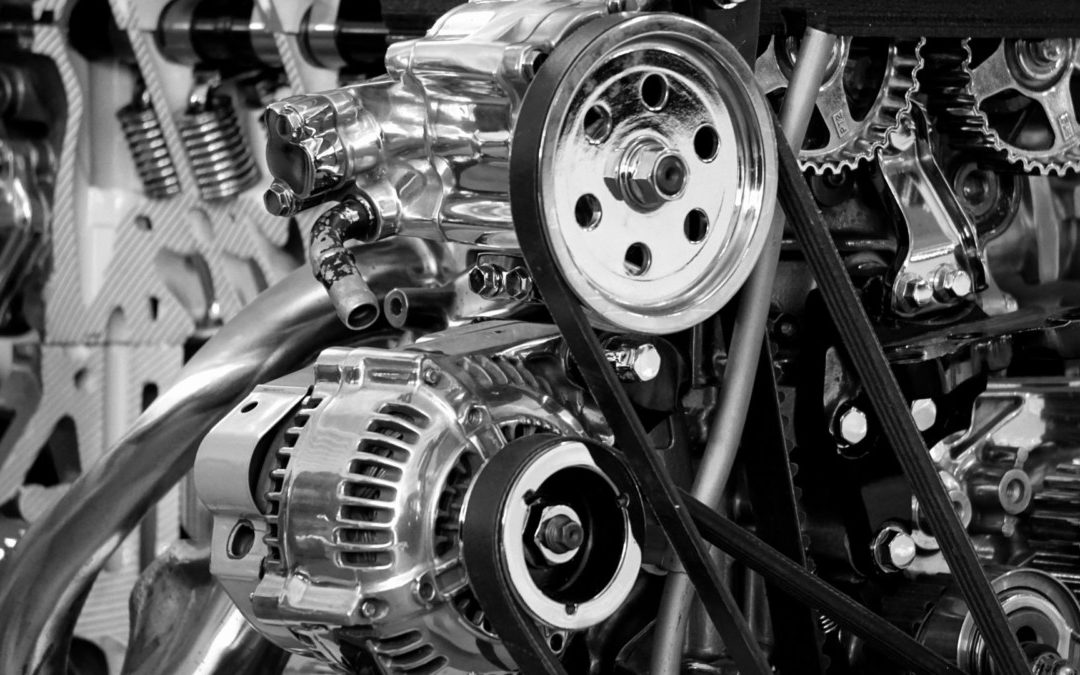
When it comes to car maintenance, understanding the different types of drive belts and their functions can significantly impact your vehicle’s performance and longevity. Drive belts, often overlooked, play a crucial role in powering various components under the hood. From the alternator to the power steering pump, a well-maintained drive belt ensures everything runs smoothly. In this guide, we’ll break down the types of drive belts, how to identify which one your car needs, and why regular checks can save you from unexpected breakdowns.
Understanding Drive Belts and Their Functions
Drive belts, also known as serpentine belts or V-belts, are responsible for transmitting power from the engine to essential components. These belts are vital for the operation of the alternator, power steering pump, water pump, and air conditioning compressor. Without them, these components simply wouldn’t work.
Let’s start with the serpentine belt, the most common type found in modern vehicles. This single, continuous belt wraps around several pulleys, efficiently driving multiple components. Its design reduces the need for multiple belts, simplifying the engine layout. The serpentine belt is known for its durability, but it still requires regular inspection for wear and tear.
Older vehicles, on the other hand, might use V-belts. These are narrower and often require more than one to power all components. Each V-belt operates a specific component, making them less efficient than serpentine belts. However, they are still found in some older cars and certain performance vehicles.
- Serpentine Belt: Powers multiple components, uses a single belt.
- V-Belt: Requires multiple belts, each powering a different component.
Understanding which type of belt your vehicle uses is crucial for maintaining optimal performance. Regular inspections can prevent unexpected failures, particularly in high-mileage vehicles. For those looking to maintain high-mileage cars, ensuring the drive belts are in good condition is a fundamental part of high-mileage car services.
Identifying Belt Wear and When to Replace
A drive belt in good condition is essential for your vehicle’s overall functionality. Over time, belts can become worn, cracked, or frayed, which can lead to failure. Knowing how to identify these signs early can prevent more serious issues.
One of the most apparent signs of a failing belt is a squealing noise coming from the engine bay. This often indicates that the belt is slipping on the pulleys due to wear. Another sign is visible cracks or fraying on the belt’s surface. In severe cases, you might notice that the belt appears glazed or shiny, suggesting it’s been overheated.
Regular visual inspections can help catch these issues before they escalate. It’s advisable to check your belts at least once every 10,000 miles or during routine maintenance. Those who regularly schedule a vehicle inspection can have peace of mind knowing that their belts are in good condition.
- Listen for squealing noises when starting the car or turning on the air conditioning.
- Inspect belts for cracks, fraying, or glazing.
- Replace belts every 60,000 to 100,000 miles, depending on your vehicle’s requirements.
By paying attention to these signs, you can ensure your car’s components are powered effectively, reducing the risk of sudden breakdowns. This is particularly important for those who rely on their vehicles for daily commutes or long trips.
Choosing the Right Belt for Your Vehicle
Choosing the correct drive belt for your vehicle involves understanding your car’s specifications and the type of belt it requires. Whether you own a hybrid or a traditional gasoline-powered vehicle, selecting the right belt can ensure optimal performance.
For hybrid vehicle owners, it’s important to consider the unique demands of these systems. Hybrid vehicles often use specialized belts that cater to their energy-efficient design. Ensuring you have the proper hybrid maintenance solutions can help maintain the vehicle’s efficiency and longevity.
If you’re unsure about the type of belt your car needs, consulting your owner’s manual is a great place to start. The manual provides detailed information about the belt specifications, including size, type, and replacement intervals. Additionally, consulting with a trusted mechanic can help clarify any doubts and ensure you choose the right components.
- Refer to your owner’s manual for specific belt requirements.
- Consider consulting a mechanic for professional advice.
- For hybrids, ensure you use belts designed for hybrid systems.
Investing in the right belt for your vehicle not only supports its performance but also extends the lifespan of the components it powers. This proactive approach is part of maintaining a vehicle effectively and avoiding costly repairs down the road.
Proactive Belt Maintenance Tips
Maintaining your drive belts involves more than just replacing them when they’re worn. Proactive maintenance can extend their lifespan and improve your vehicle’s reliability. Here are some practical tips to keep your belts in top condition.
Firstly, regular inspections are key. Even if you don’t hear any unusual noises or see visible wear, it’s a good idea to inspect your belts periodically. This can be done during routine oil changes or tire rotations. If you’re unsure about the condition of your belts, a vehicle inspection service can provide a thorough check.
Secondly, ensure proper tension. A belt that’s too loose can slip, while one that’s too tight can put unnecessary strain on the pulleys. Most modern vehicles have automatic belt tensioners, but older models may require manual adjustments.
Finally, consider the environment in which you drive. Extreme temperatures can affect the durability of your belts. If you frequently drive in harsh conditions, more frequent inspections may be necessary.
- Inspect belts during routine maintenance.
- Ensure proper belt tension to prevent slipping or strain.
- Consider environmental factors that may affect belt durability.
By following these tips, you can ensure your drive belts remain in good condition, supporting your vehicle’s performance and reliability. Proactive maintenance is a vital part of car ownership and can save you from unexpected breakdowns.
Final Thoughts on Drive Belt Maintenance
Understanding the different types of drive belts and their roles in your vehicle is essential for maintaining optimal performance. Regular inspections, choosing the right belt, and proactive maintenance can help you avoid unexpected issues and keep your car running smoothly.
Remember, your vehicle’s health is a reflection of the care you provide. Whether it’s through regular checks, replacing worn components, or consulting professionals for advice, your efforts can prolong the life of your car. For those looking to book pre-purchase car inspection services, or needing any other vehicle inspection service, taking these steps is a wise investment in your vehicle’s future.
By keeping an eye on your drive belts and understanding their importance, you can enjoy a reliable and efficient driving experience for many miles to come.

Jan 8, 2026 | Auto Repair
When it comes to maintaining your vehicle, wheel alignment is something that often gets overlooked. Yet, it’s essential for ensuring your car drives straight and consumes fuel efficiently. With advancements in technology, computerized wheel alignment systems have become a popular choice in auto repair shops. These systems promise precision, speed, and reliability. But like any technology, they come with their own set of benefits and drawbacks. In this post, we’ll explore both sides, helping you make an informed decision next time your vehicle needs an alignment.
Understanding Computerized Wheel Alignment Systems
Computerized wheel alignment systems use advanced technology to align your vehicle’s wheels with greater precision than traditional methods. They rely on sensors and computer analysis to determine the exact adjustments needed for optimal wheel alignment. This ensures that your vehicle runs smoothly, reducing wear on tires and improving fuel efficiency.
One of the major advantages of computerized systems is their accuracy. These systems use cameras and sensors to measure the angles of each wheel. The computer then calculates the necessary adjustments to align the wheels perfectly. This level of precision is hard to achieve manually and can result in a smoother ride and longer-lasting tires.
In addition to accuracy, computerized systems are also faster. They can complete an alignment in a fraction of the time it would take to do manually. This means less waiting time for you and more efficiency in the workshop. For example, if you come in for a routine inspection and need a quick wheel alignment, the computerized system can handle it swiftly, allowing you to get back on the road sooner.
Benefits of Computerized Wheel Alignment
The benefits of computerized wheel alignment systems are numerous, making them a preferred choice for many drivers and mechanics. Here are some of the key advantages:
- Precision: As mentioned earlier, the high level of accuracy ensures that your wheels are perfectly aligned, which can prevent uneven tire wear and improve your vehicle’s handling.
- Efficiency: With faster processing times, computerized systems allow you to get your alignment checked and adjusted quickly, which is especially beneficial during factory scheduled maintenance.
- Data Tracking: These systems can store data from previous alignments, allowing mechanics to track changes over time. This can be particularly useful for diagnosing persistent alignment issues.
- Improved Fuel Efficiency: Proper alignment reduces rolling resistance of the tires, which can lead to better fuel economy. This is a critical consideration with rising fuel prices.
For instance, during a routine maintenance check, if you find that your tires are wearing unevenly, a computerized alignment system can quickly identify and correct the issue. This not only saves you money on tires but can also help avoid more serious problems down the line.
Drawbacks of Computerized Wheel Alignment
While computerized wheel alignment systems offer several benefits, they also have some drawbacks that are worth considering. Understanding these can help you make a balanced decision.
- Cost: The initial investment in computerized equipment can be high. This can lead to higher service prices for customers compared to traditional alignment methods.
- Complexity: Operating these systems requires specialized training. Not all auto shops may have technicians skilled in using computerized alignment tools, which can affect the quality of service you receive.
- Dependency on Technology: If the system malfunctions, it can lead to delays. Unlike manual methods, where a seasoned mechanic can still perform an alignment, a computerized system requires repairs to function properly.
For example, if you need an alignment and the shop’s computerized system is down for maintenance, you might find yourself waiting longer or needing to visit another shop. Also, if the system’s maintenance isn’t up-to-date, it might not provide accurate readings, which could impact the alignment’s effectiveness.
Choosing the Right Alignment System for Your Needs
When deciding between computerized and traditional wheel alignment, consider your specific needs and circumstances. For most modern vehicles, computerized systems offer clear advantages in terms of precision and speed. However, in some cases, especially with older vehicles or when dealing with complex suspension issues, a seasoned mechanic’s touch might be beneficial.
If you’re planning a long road trip and want to ensure your car is in top condition, computerized alignment can offer the peace of mind that everything is precisely adjusted. On the other hand, if you’re dealing with a vintage vehicle or suspect an issue that might require a more nuanced approach, discussing your options with a trusted mechanic could be beneficial.
Moreover, consider how often you use your vehicle and the type of driving you do. If you frequently drive in challenging conditions or carry heavy loads, regular alignments can help maintain your vehicle’s performance. It’s also a good time to consider other services like testing and replacing batteries or a fuel pump replacement if needed.
Final Thoughts
Computerized wheel alignment systems offer a blend of technology and precision that can greatly enhance your vehicle’s performance and longevity. While they come with some drawbacks, the benefits often outweigh the negatives, especially when used appropriately. As always, consult with a trusted mechanic to determine the best option for your vehicle, and be sure to schedule regular maintenance to keep everything running smoothly.
Whether you’re considering a computerized alignment or exploring other maintenance options like checking warning lights or getting your alternator fixed, ensuring your vehicle is in top shape is always a wise investment. At Sartorial Auto Repairs, we believe in providing honest advice and quality service to keep you on the road safely and efficiently.

Jan 8, 2026 | Auto Repair
In today’s world, where every penny counts, maximizing fuel efficiency isn’t just about saving money at the pump. It also plays a crucial role in reducing your vehicle’s environmental footprint. While there are numerous ways to enhance your car’s fuel economy, one often overlooked method is a professional coolant flush. Ensuring your engine operates at optimal temperatures can make a significant difference in fuel consumption. In this article, we’ll explore how a professional coolant flush can benefit your vehicle, explain why it’s essential, and offer practical tips for maintaining your car’s efficiency.
Understanding the Role of Coolant in Your Vehicle
Before diving into the benefits of a coolant flush, it’s essential to understand the role coolant plays in your vehicle. Coolant, often referred to as antifreeze, is a special fluid that circulates through your engine to maintain optimal operating temperatures. It prevents the engine from overheating in the summer and freezing in the winter, ensuring smooth operation all year round.
Coolant is not just water. It contains special additives that prevent rust and corrosion within your engine’s cooling system. Over time, these additives can break down, and contaminants can build up, reducing the effectiveness of your coolant. This is where a coolant flush comes in.
Why Coolant Maintenance Matters
Proper coolant maintenance is vital for several reasons:
- Prevents Overheating: Old or contaminated coolant can lead to overheating, which can cause severe engine damage.
- Improves Fuel Efficiency: An engine running at the right temperature operates more efficiently, using less fuel.
- Extends Engine Life: By preventing rust and corrosion, clean coolant helps extend the life of your engine.
Neglecting coolant maintenance can lead to costly repairs, such as having to replace your fuel pump or dealing with an overheating engine.
The Process and Benefits of a Coolant Flush
A coolant flush involves removing the old coolant from your vehicle’s cooling system and replacing it with fresh fluid. This process helps remove any contaminants, rust, and scale deposits that may have accumulated over time. A professional coolant flush ensures that your engine remains in top condition, maximizing its efficiency.
Steps Involved in a Coolant Flush
A professional coolant flush typically involves the following steps:
- Inspection: The technician inspects your cooling system for leaks and other potential issues.
- Draining: Old coolant is drained from the radiator and engine block.
- Flushing: A flushing agent is used to remove any remaining contaminants from the system.
- Refilling: Fresh coolant is added to the system, ensuring optimal performance.
- Testing: The system is tested to ensure there are no leaks and that the coolant is circulating properly.
By opting for a professional coolant flush, you can avoid issues that may arise from improper DIY methods, such as air bubbles or incorrect coolant mixtures.
Benefits for Fuel Efficiency
The main advantage of a coolant flush is improved fuel efficiency. An engine that runs at the correct temperature operates more smoothly and burns less fuel. This is because the engine doesn’t have to work as hard to maintain its temperature, resulting in less energy consumption and better mileage.
Additionally, clean coolant helps prevent overheating, which can lead to unexpected repairs and downtime. By maintaining your cooling system, you reduce the risk of needing a fuel pump replacement or other costly fixes.
Comparing Coolant Flush with Other Maintenance Services
While a coolant flush is crucial, it’s just one part of regular vehicle maintenance. Comparing it with other services can help you understand its unique role in enhancing fuel efficiency.
Fuel Injector Cleaning
Fuel injector cleaning is another service that can improve fuel efficiency. Over time, fuel injectors can become clogged with deposits, affecting their ability to deliver fuel efficiently. Regular cleaning helps maintain optimal fuel flow and combustion.
- Pros: Improves throttle response and fuel efficiency.
- Cons: Can be costly if not done regularly.
While both coolant flushes and fuel injector cleaning contribute to better fuel efficiency, they target different systems. It’s best to include both in your regular maintenance schedule.
Battery Testing and Replacement
Battery performance can also affect your vehicle’s efficiency. Testing and replacing batteries when necessary ensures your electrical system functions correctly, preventing issues that can lead to higher fuel consumption.
- Pros: Reliable starts and consistent electrical system performance.
- Cons: Limited impact on fuel efficiency compared to coolant flushes and fuel injector cleaning.
While not directly related to fuel economy, maintaining your battery ensures the overall health of your vehicle, contributing to its efficiency in the long run.
Additional Tips for Maximizing Fuel Efficiency
Aside from a coolant flush, there are several other practices you can adopt to enhance your vehicle’s fuel efficiency.
Regular Maintenance
Sticking to a regular maintenance schedule is key. This includes oil changes, tire rotations, and checking air filters. Regular maintenance ensures all vehicle components work together seamlessly, reducing the risk of inefficiency.
- Oil Changes: Fresh oil reduces friction, helping your engine run smoothly.
- Tire Rotations: Even tire wear improves fuel efficiency and extends tire life.
- Air Filter Checks: A clean air filter ensures proper air intake, optimizing fuel combustion.
Driving Habits
Your driving habits significantly impact fuel efficiency. Consider the following tips:
- Avoid Rapid Acceleration: Gradual acceleration uses less fuel.
- Maintain Steady Speeds: Use cruise control on highways to maintain consistent speed.
- Reduce Idle Time: Turn off your engine if you expect to be parked for more than a minute.
Improving your driving habits can lead to noticeable savings at the pump.
Conclusion
Maximizing fuel efficiency is about more than just saving money—it’s about ensuring your vehicle runs smoothly and sustainably. A professional coolant flush is a simple yet effective way to enhance your car’s performance and fuel economy. By keeping your engine at the correct temperature and free from contaminants, you can enjoy a more efficient ride.
Remember, a coolant flush is just one part of maintaining your vehicle. Regular maintenance, including fuel injector cleaning and battery testing, plays an equally important role. By taking a holistic approach to car care, you ensure your vehicle operates at its best, mile after mile. Consider scheduling a coolant flush with a trusted professional to keep your car running efficiently.

Dec 11, 2025 | Auto Repair, Car Maintenance
When it comes to car troubles, few things cause more anxiety than the sudden glow of the ‘Check Engine’ light on your dashboard. It’s a signal that something isn’t quite right, but often leaves you guessing about the severity of the issue. The good news is that regular vehicle maintenance can significantly reduce the chances of encountering this unwelcome alert. At Sartorial Auto Repairs, we believe in keeping things simple and clear, just like an honest conversation with a friend. Let’s dive into how routine care can keep your car purring smoothly and that pesky light off.
The Importance of Regular Auto Maintenance
Think of regular maintenance as a health check-up for your car. Just like you wouldn’t ignore symptoms of a potential health issue, it’s crucial not to overlook the signs of wear and tear on your vehicle. Regular maintenance isn’t just about preventing the ‘Check Engine’ light from alarming you; it’s about ensuring your car performs at its best every day.
Routine checks can help identify minor issues before they escalate into major problems. For example, a simple oil change can prevent engine wear, while regular inspections can spot potential leaks or worn-out parts. If you’re unsure about what your car needs, our auto maintenance service options can guide you in making the right choices for your vehicle.
Ignoring maintenance might seem cost-effective in the short term, but it often leads to more significant expenses down the road. A well-maintained car not only runs better but also lasts longer, saving you from the expense of frequent repairs or the premature need for a new vehicle.
Understanding the ‘Check Engine’ Light
That little orange light can mean a variety of things, from something as simple as a loose gas cap to more serious issues like a failing catalytic converter. Understanding the potential triggers can help you stay calm and take appropriate action when the light comes on.
In many cases, the ‘Check Engine’ light is related to emissions control. A faulty oxygen sensor, worn spark plugs, or a malfunctioning mass airflow sensor could all be potential culprits. Each of these components plays a crucial role in how your car runs and its fuel efficiency.
Our engine diagnostics services are designed to pinpoint the exact cause of that light. By using advanced diagnostic tools, we can quickly identify and address issues, helping you avoid unnecessary stress and expense.
Routine Checks That Keep Your Engine Happy
Maintaining your engine’s health is all about consistency. Regular oil changes, air filter replacements, and timely spark plug checks are essential. Let’s break down some of these maintenance tasks:
- Oil Changes: Oil is your engine’s lifeblood. It lubricates moving parts, reduces friction, and helps dissipate heat. Neglecting to get your oil changed can lead to increased engine wear and, eventually, failure.
- Air Filters: A clean air filter ensures that your engine receives a proper mix of air and fuel. A clogged filter can reduce performance and fuel efficiency, and increase emissions.
- Spark Plugs: Spark plugs ignite the air/fuel mixture, powering your engine. Over time, they wear out and can cause misfires, reduced fuel economy, and that dreaded light to come on.
By staying on top of these basic maintenance items, you keep your engine running smoothly and efficiently, reducing the risk of unexpected breakdowns.
Preventing Electrical Issues
Modern vehicles rely heavily on electrical systems to run everything from engine controls to in-car entertainment. A malfunction in these systems can trigger the ‘Check Engine’ light, as well as other warning lights on your dashboard.
Common electrical issues can stem from a failing alternator, battery problems, or faulty wiring. These can often be identified during routine checks or if you notice dimming lights or an unresponsive dashboard, it might be time to explore vehicle electrical services.
For instance, a battery that’s not holding a charge can cause a range of issues. Ensuring your battery and alternator are in good working order can prevent many electrical problems. Always keep an eye out for corrosion on battery terminals, a sign that your battery might need attention.
Taking Action Before It’s Too Late
No one likes surprises, especially when it comes to car repairs. Regular maintenance is your best defense against costly repairs and the anxiety that comes with unexpected car problems. Whether it’s the regular auto repair services you need, or simply to get your car serviced, staying proactive makes all the difference.
Consider this: a small investment in routine maintenance can save you from major expenses in the future. For example, replacing a faulty oxygen sensor is far cheaper than the cost of a new catalytic converter, which could fail if the sensor is ignored.
At Sartorial Auto Repairs, we’re here to help you with practical advice and reliable service. Whether it’s time to schedule oil change or you want to learn about engine diagnostics, our team is ready to assist you.
Conclusion: Trust the Experts
Keeping your car in top shape doesn’t have to be a chore. With the right guidance and regular attention, you can maximize your vehicle’s performance and avoid the headache of a ‘Check Engine’ light. By choosing Sartorial Auto Repairs, you’re not just getting a service; you’re gaining a partner in your car’s health. Visit us today to discuss your car maintenance options and keep your vehicle running smoothly for years to come.
Nov 13, 2025 | Auto Repair, Car Diagnostics, Tune-Ups
Keeping your vehicle in peak condition is like maintaining good health: it’s all about prevention and regular check-ups. Just as you’d visit a doctor for a routine physical, your car benefits from regular diagnostic check-ups to ensure everything runs smoothly. Many drivers underestimate the value of these check-ups, often waiting until a problem becomes noticeable or even critical. But understanding the importance of diagnostics can save you time, money, and stress in the long run.
In this post, we’ll explore the advantages of regular diagnostic check-ups and how they help maximize your vehicle’s performance. We’ll also share practical tips on how you can integrate these check-ups into your car maintenance routine, ensuring that your vehicle stays in top-notch condition.
Understanding Vehicle Diagnostics
Vehicle diagnostics might sound technical, but it’s a straightforward concept. Think of it as a comprehensive health check for your car. Diagnostic tools are used to scan your vehicle’s computer system, identifying any issues that might not be visible to the naked eye. This process can reveal problems with the engine, transmission, exhaust, and other vital systems.
Today’s vehicles are equipped with advanced onboard computers that monitor different components and systems. When something goes wrong, these computers generate error codes that can be read by diagnostic tools. This is where engine diagnostics services come into play. By interpreting these codes, mechanics can pinpoint the source of a problem without guesswork.
For instance, a driver might notice their check engine light is on. While this can be alarming, a diagnostic check can quickly determine if the issue is minor, like a loose gas cap, or something more serious. With engine diagnostics services, you avoid unnecessary repairs and focus on what truly needs attention.
The Benefits of Regular Diagnostic Check-Ups
Regular diagnostic check-ups are like a roadmap for maintaining your vehicle’s health. Here’s why they’re essential:
- Early Detection: Catching issues early can prevent them from developing into bigger, more expensive problems. For example, identifying a worn-out spark plug before it fails completely can save you from more extensive engine damage.
- Cost Efficiency: Fixing small problems before they escalate keeps repair costs down. It’s always more economical to repair your fuel system when issues first appear rather than when it leads to breakdowns.
- Improved Safety: Ensuring that critical systems like brakes and the electrical system are functioning properly enhances your safety. Regular check-ups might reveal that you need to get your brakes fixed before they lead to dangerous situations.
- Enhanced Performance: A well-maintained vehicle runs more efficiently, offering better fuel economy and a smoother driving experience. Routine diagnostics contribute to this by ensuring all systems are optimized.
Consider a scenario where a driver regularly schedules oil change and diagnostic check-ups. During one visit, the mechanic discovers a minor issue with the vehicle’s transmission. By addressing this early, the driver avoids what could have been a costly transmission overhaul, keeping the car in peak condition and saving money.
What to Expect During a Diagnostic Check-Up
A diagnostic check-up might sound daunting, but it’s a straightforward process. Here’s what typically happens:
- Initial Assessment: A mechanic will ask about any symptoms you’ve noticed—strange noises, reduced performance, warning lights, etc.
- Computer Scan: The vehicle’s computer is scanned for error codes using specialized diagnostic tools. This step is crucial for identifying specific issues, whether it’s a need for auto electrical repair or something else.
- Visual Inspection: Mechanics will visually inspect key components to corroborate any findings from the computer scan. This might include checking the exhaust system, brakes, and more.
- Report and Recommendations: After the assessment, you’ll receive a report detailing any issues found and recommendations for repairs or maintenance. This helps you make informed decisions about what needs immediate attention and what can wait.
Imagine you bring your car in for a diagnostic check-up because the fuel efficiency has dropped. The diagnostic process reveals a clogged air filter and a minor exhaust leak. By addressing these issues promptly, not only do you restore your car’s performance, but you also prevent future complications that might arise from ignoring these signs.
Incorporating Diagnostics into Your Routine Maintenance
Integrating regular diagnostics into your vehicle’s routine maintenance is simpler than you might think. Here’s how you can make it part of your car care plan:
- Schedule Regular Visits: Align diagnostic check-ups with other routine services like oil changes. Every time you get your oil changed, consider asking for a diagnostic check to keep tabs on your car’s health.
- Pay Attention to Warning Signs: If you notice anything unusual—strange noises, reduced performance, or dashboard warnings—don’t wait. Get your car serviced to diagnose and fix potential issues early.
- Stay Informed: Learn about engine diagnostics and other vehicle systems. Understanding the basics can help you communicate effectively with your mechanic and make informed decisions.
- Use Trusted Professionals: Build a relationship with a reliable auto shop that offers comprehensive auto repair services. Having a trusted mechanic means you can confidently rely on their expertise for regular diagnostics and repairs.
Consider a driver who makes it a point to explore engines and diagnostics every year. By doing so, they maintain a detailed record of their vehicle’s health, catching issues early and ensuring consistent performance. This proactive approach can significantly extend the life of their car.
Keeping Your Vehicle Running Smoothly
Regular diagnostic check-ups are an essential part of auto maintenance service, ensuring your vehicle remains reliable, safe, and efficient. By staying on top of these check-ups, you prevent minor issues from turning into major headaches, saving both time and money. It’s about being smart with your car care, knowing when to fix your vehicle, and when to simply monitor its performance.
At Sartorial Auto Repairs, we believe in honest and straightforward service. We’re here to help you understand what your car needs, from engine diagnostics to vehicle electrical services. Next time you’re in for a routine service, consider asking about a diagnostic check-up. It might just be the key to keeping your vehicle performing at its best for years to come.
Oct 28, 2025 | Auto Repair, Car Maintenance, Drive Belts
When it comes to vehicle maintenance, the drive belt might seem like a small component. Yet, this unassuming part plays a crucial role in keeping your car running smoothly. Understanding its importance and knowing the warning signs of wear and tear can save you from unexpected breakdowns and costly repairs. As we dive into the essentials of drive belts, you’ll gain the insight needed to keep your vehicle in top shape.
Many drivers overlook the drive belt until a problem arises. This often leads to inconvenient disruptions, making regular inspections vital. Whether you’re a seasoned car enthusiast or someone who just wants to get from point A to B, understanding your drive belt’s function and maintenance can go a long way in ensuring your vehicle’s reliability.
At Sartorial Auto Repairs, we believe in educating our customers. Knowing what to look for and when to act can prevent minor issues from escalating. So, let’s explore the drive belt’s role in your vehicle, the signs of wear and tear, and practical steps you can take to maintain it.
What is a Drive Belt and Why is it Important?
A drive belt, often referred to as a serpentine belt, is a critical component of your vehicle’s engine. It transmits power from the engine to various accessories that rely on it for functioning. These include the alternator, power steering pump, air conditioning compressor, and sometimes the water pump.
Without a properly functioning drive belt, these systems can’t operate efficiently. Imagine driving without power steering or losing the charge to your battery because the alternator isn’t working. The drive belt ensures that all these parts work in harmony, providing a smooth and safe driving experience.
- Alternator: Powers your vehicle’s electrical systems and keeps the battery charged.
- Power Steering Pump: Allows for easier steering, making maneuvering your car more manageable.
- Air Conditioning Compressor: Keeps your cabin cool during those hot summer days.
- Water Pump (sometimes): Circulates coolant through the engine to regulate its temperature.
Regular checks are essential to ensure your drive belt isn’t worn out or damaged. This is where our auto maintenance service comes in, providing comprehensive inspections to keep your vehicle running smoothly.
Signs of Wear and Tear on Your Drive Belt
Recognizing the early signs of a failing drive belt can prevent larger issues down the road. Here are some common indicators that your drive belt might need attention:
Squealing Noises
One of the first signs of a worn-out drive belt is a high-pitched squealing noise coming from the engine. This noise often occurs when starting the car or turning on the air conditioning. A loose or misaligned belt could be the culprit, and it’s a sign to get your car serviced promptly.
Visible Cracks and Wear
A visual inspection can reveal a lot about your drive belt’s condition. Look for cracks, fraying, or splitting along the belt. Any signs of physical damage indicate that the belt is nearing the end of its life and needs to be replaced. Regular auto maintenance service can help catch these issues before they lead to more significant problems.
Loss of Power to Vehicle Accessories
If you notice that your car’s accessories aren’t working as efficiently—such as dimming headlights or a weak air conditioning system—it could be due to a failing drive belt. Since the belt powers these systems, reduced performance is a red flag.
Engine Overheating
In some vehicles, the drive belt is responsible for driving the water pump. If the belt fails, the water pump may not function correctly, leading to engine overheating. This scenario underscores the importance of regular inspections and timely repair your brakes or other components as needed.
How to Maintain Your Drive Belt
Maintaining your drive belt is straightforward with a few proactive steps. Here are some practical tips to ensure its longevity:
Regular Inspections
Incorporate drive belt checks into your regular car maintenance routine. During an inspection, look for signs of wear and test the belt’s tension. If you’re unsure about what to look for, our team at Sartorial Auto Repairs can help you explore engines and diagnostics to pinpoint any issues.
Replace When Necessary
Drive belts generally last between 60,000 to 100,000 miles, but this can vary depending on driving conditions and vehicle type. Keep track of your belt’s age and replace it as recommended by your vehicle’s manufacturer. Waiting too long can result in unexpected failures and the need for emergency auto repair services.
Keep It Clean
Ensure the belt and its surrounding components are free from oil and debris. Contaminants can cause the belt to slip or deteriorate faster. If you notice any leaks, it’s crucial to get your car repaired to prevent further damage.
Consult a Professional
While DIY checks are beneficial, consulting a professional mechanic provides peace of mind. Professionals can also check related systems, such as the tensioner and pulleys, ensuring everything works together seamlessly. Scheduling regular visits can help you stay ahead of potential issues.
Real-Life Scenarios: When Drive Belts Fail
Understanding the drive belt’s role and maintenance is crucial, but real-life scenarios highlight its importance even more. Here are a few situations where drive belt issues can lead to significant problems:
Scenario 1: Road Trip Breakdown
Imagine you’re on a long road trip, enjoying the open road. Suddenly, your car loses power steering, and the air conditioning stops working. Pulling over, you notice a broken drive belt. A quick call to a roadside service gets you back on track, but this situation could have been avoided with regular auto maintenance service.
Scenario 2: Daily Commute Hassle
During your daily commute, you start hearing a squealing noise every time you start your car. Ignoring it, you continue driving until one morning, the car won’t start. The drive belt has snapped, leading to a dead battery. This scenario emphasizes the importance of listening to your vehicle and addressing issues promptly.
Scenario 3: Engine Overheating
While driving in heavy traffic, your engine begins to overheat. Pulling over, you discover that the water pump isn’t functioning due to a broken drive belt. This situation could lead to engine damage if not addressed quickly. Regular engine diagnostics services could help catch such issues early.
Conclusion: Keeping Your Drive Belt in Check
The drive belt is a vital component that deserves your attention. By understanding its role and recognizing the signs of wear, you can prevent unexpected breakdowns and costly repairs. Regular inspections and timely replacements are key to maintaining your vehicle’s health.
If you’re unsure about your drive belt’s condition, consider reaching out to our team at Sartorial Auto Repairs. We offer comprehensive inspections and can help you get your car serviced to ensure everything is running smoothly. Remember, a little attention today can save you a lot of hassle tomorrow.

