

Understanding the various components of your vehicle can seem daunting, especially when it comes to something like drive belts. These essential parts play a significant role in the smooth operation of your car, and knowing their functions can help you make informed decisions about maintenance and repairs. Let’s break down what drive belts are, the different types, and how they keep your vehicle running efficiently.
What Are Drive Belts?
Drive belts are crucial components in your vehicle’s engine system. They are made of rubber and are responsible for transferring power from the engine to various parts of the vehicle. This power transfer enables components such as the alternator, power steering pump, air conditioning compressor, and water pump to function properly.
Think of drive belts as the unsung heroes of your vehicle’s engine. Without them, many of the systems in your car would not operate, leading to a less efficient and potentially unsafe driving experience. Regular checks and maintenance of these belts are vital to ensure they are in good condition and performing as expected.
Types of Drive Belts
There are several types of drive belts, each with unique functions. Understanding these differences can help you identify what your vehicle needs and when it might be time for a replacement.
Serpentine Belts
The serpentine belt is the most common type of drive belt found in modern vehicles. It is a long, continuous belt that snakes around several different components in the engine. This single belt powers multiple peripheral devices, making it both efficient and economical.
- Advantages: Serpentine belts are easy to replace and maintain. They also tend to last longer than other types of belts.
- Signs of Wear: Look for cracks, fraying, or glazing on the belt’s surface. Unusual noises like squealing can also indicate that the belt needs attention.
Regularly inspecting the serpentine belt is a part of maintaining high-mileage cars. Ensuring it is in good condition can prevent breakdowns and costly repairs.
Timing Belts
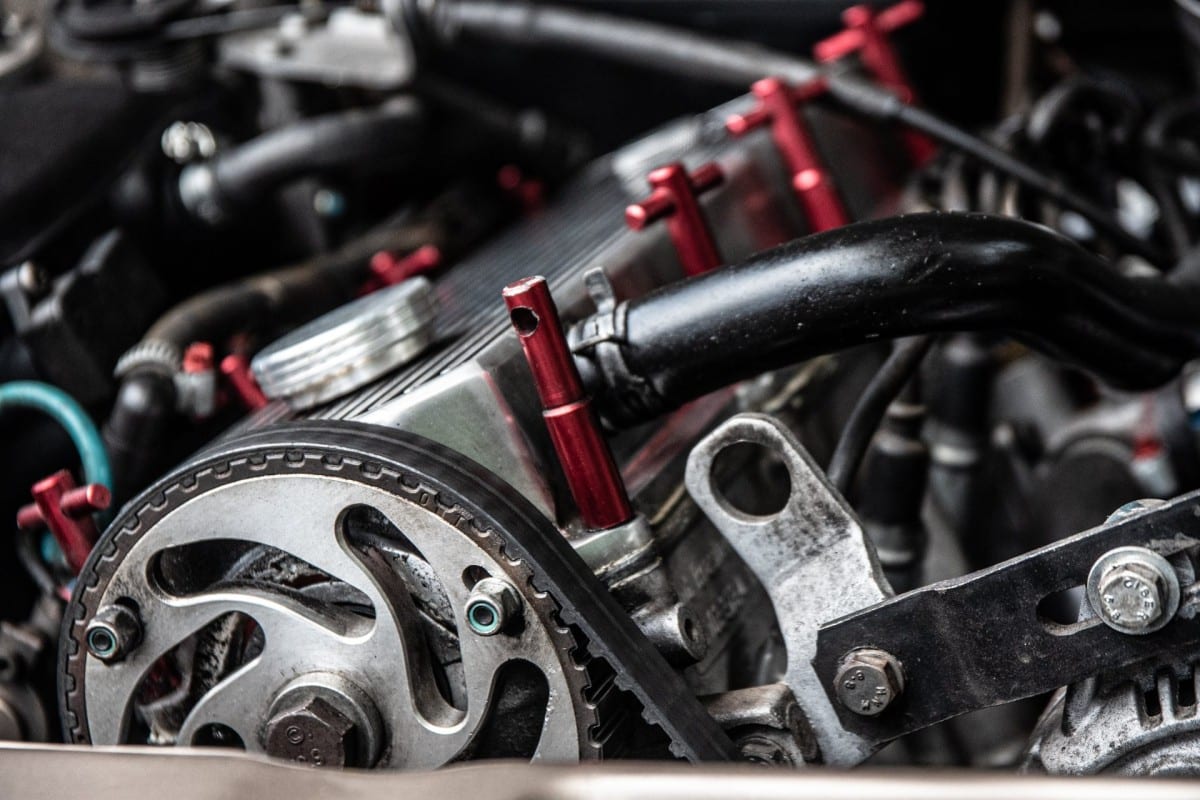
Timing belts are another critical type of drive belt. They synchronize the rotation of the crankshaft and camshaft, ensuring the engine’s valves open and close at the right times during the intake and exhaust strokes.
- Advantages: Timing belts are quieter and offer precise timing for engine components.
- Signs of Wear: Look for wear and tear, and replace them at the manufacturer’s recommended intervals to prevent engine damage.
Timing belt failure can lead to severe engine damage, so it’s crucial to follow the recommended replacement schedule. If you’re unsure, book pre-purchase car inspection to check the condition of the timing belt and other crucial components.
V-Belts
V-belts, or fan belts, are older types of belts that are still found in some vehicles. Unlike serpentine belts, V-belts are typically used to power one or two components.
- Advantages: V-belts are easy to replace and can be inexpensive.
- Signs of Wear: Look for cracks, splits, or a shiny appearance on the belt. A slipping belt can also indicate it needs replacement.
While V-belts are less common in newer models, they remain a staple in older vehicles. If you drive an older car, regular checks on your V-belts should be part of your high-mileage car services.
How Drive Belts Affect Your Vehicle’s Performance
The condition of your drive belts directly impacts your vehicle’s performance. A worn or broken belt can lead to a loss of power to essential systems, affecting everything from steering to air conditioning.
Impact on the Alternator and Battery
Drive belts power the alternator, which charges the battery and powers the electrical systems. A slipping or broken belt can prevent the alternator from charging the battery effectively, leading to a dead battery and potential breakdowns.
If you’re experiencing electrical issues, it might be time to look into car wiring solutions to ensure your vehicle’s electrical systems are in top shape.
Effect on the Power Steering
A functioning power steering system is crucial for easy maneuverability. If the drive belt powering the power steering pump fails, steering becomes difficult and could lead to unsafe driving conditions.
Regular checks and maintenance of your drive belts can prevent issues with power steering, ensuring a safe and comfortable driving experience.
Influence on the Air Conditioning System
Drive belts also power the air conditioning compressor. A faulty belt can lead to an ineffective AC system, making for an uncomfortable ride, especially in hot weather.
Ensuring your drive belts are in good condition is part of routine vehicle inspection service, helping you stay cool and comfortable on the road.
Maintaining and Replacing Drive Belts
Regular maintenance and timely replacement of drive belts are essential to your vehicle’s health. Here are some practical tips to keep your drive belts in optimal condition:
- Regular Inspections: Check your belts for signs of wear, including cracks, fraying, or glazing.
- Tension Checks: Ensure your belts have the right tension. Too loose or too tight can lead to premature wear and failure.
- Follow Manufacturer’s Guidelines: Adhere to the recommended replacement schedules from your vehicle’s manufacturer.
- Professional Help: If you’re unsure about the condition of your belts, get your vehicle maintained by professionals who can provide expert advice and service.
Replacing drive belts before they fail can prevent more significant issues down the road. Staying proactive with your car’s maintenance ensures a smooth and reliable driving experience.
Conclusion: Keeping Your Vehicle Running Smoothly
Understanding the different types of drive belts and their functions can empower you to take better care of your vehicle. Regular inspections and timely replacements prevent breakdowns and ensure your car’s systems operate efficiently.
Whether you’re driving a conventional car or need hybrid maintenance solutions, paying attention to your drive belts is essential. If you’re purchasing a used vehicle, schedule a vehicle inspection to catch any potential issues early. By keeping your drive belts in good condition, you can enjoy a reliable and comfortable ride for years to come.