

How a Timing Belt Failure Can Lead to Expensive Repairs
If you’re a business owner who relies on vehicles to keep your operations running, ignoring your timing belt condition can be a costly mistake. The timing belt is a small, reinforced rubber belt in your engine, but its failure can shut down your car and rack up thousands in repairs—sometimes in minutes.
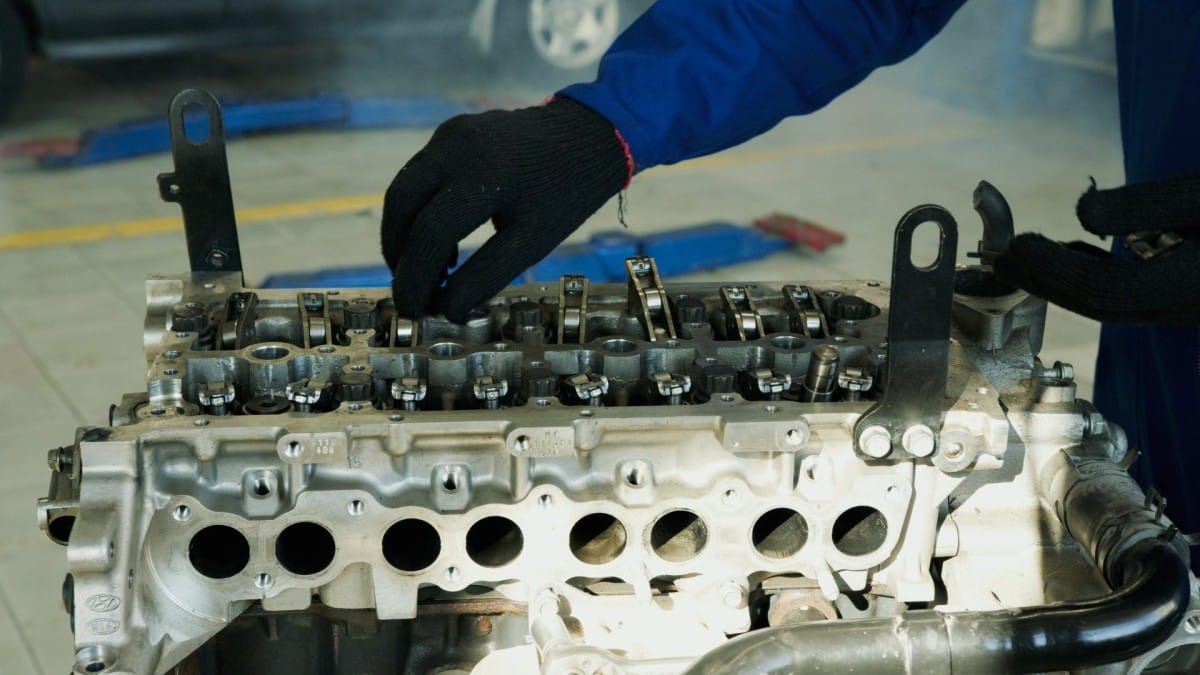
When a timing belt breaks, it often happens without warning. If your engine is an “interference” type (most modern vehicles are), a snapped timing belt can throw the internal engine parts out of sync. Pistons can slam into open valves at high speed, bending or breaking them instantly. This isn’t just a minor fix—this often means a full cylinder head rebuild or even a new engine.
Let’s say you drive a 2016 Honda Accord. If the timing belt snaps, the valves can hit the pistons and cause $2,500–$4,000 worth of damage. For higher-end models, like an Audi or BMW, that bill easily climbs past $5,000. Even on a work van, one broken timing belt can put your business vehicle out of commission for weeks. Lost revenue, towing, and rental costs pile up fast.
At Sartorial Auto Repairs in Santa Rosa, we’ve seen business owners drive in for routine service—only to learn their neglected timing belt has already caused engine damage. A little preventative attention to timing belt condition truly saves thousands down the road.
What the Timing Belt Actually Does in Your Engine
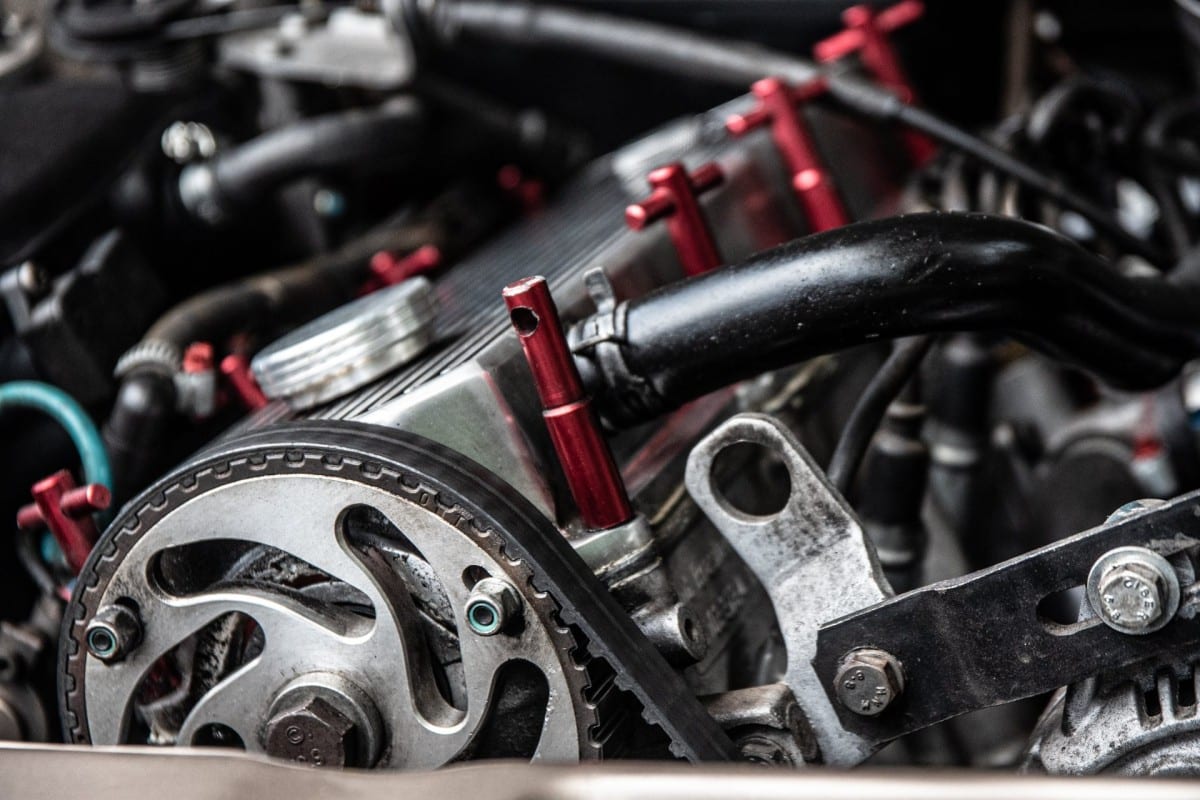
Your timing belt is the conductor of your engine’s orchestra. Its main job is to keep the camshaft and crankshaft rotating together in perfect time. This synchronization lets the engine’s valves open and close at the exact right moments, allowing fuel and air to enter and exhaust to exit.
If the timing belt slips, stretches, or breaks, this precise timing is lost. When that happens, the pistons (which move up and down inside the engine) can collide with the valves (which move in and out from the cylinder head). That collision is what leads to catastrophic engine damage.
Here’s what your timing belt does, step by step:
- Synchronizes the crankshaft and camshaft rotation
- Ensures valves open and close at the correct time
- Prevents pistons and valves from colliding
- Drives other components in some cars, like the water pump or oil pump
Some engines use a timing chain instead of a belt, but most light-duty vehicles and work vans use belts because they’re quieter and lighter. The tradeoff: they wear out and need regular checks. Understanding your timing belt’s role is key to appreciating why timing belt condition matters so much.
For further reading, see How to Check Your Vehicle's Timing Belt from motorist.org.
Timing Belt Condition: The Key Warning Signs You Need to Know
Timing belts don’t always fail without warning. There are several signs you can watch for to judge timing belt condition before a disaster happens. Ignoring these signs means you’re gambling with your engine’s health—and your business’s bottom line.
- Ticking or rattling noise from the engine: This could mean the belt is loose, worn, or the tensioner is failing.
- Engine misfires or runs rough: If the timing belt slips even a little, valve timing is off. This leads to misfires, poor performance, or rough idling.
- Visible cracks or wear on the belt: If you can see the belt, look for cracks, fraying, or missing teeth. These are all signs of a belt near the end of its life.
- Oil leaks near the front of the engine: Leaky seals can let oil get onto the timing belt, which quickly breaks down the rubber and can cause the belt to slip or break.
- Difficulty starting the engine: If the belt jumps a tooth or stretches, you may notice hard starting, especially in cold weather.
- Service interval exceeded: If you’re well past the manufacturer’s recommended mileage or years, you’re running on borrowed time—even if there are no symptoms yet.
If you notice any of these, don’t wait. Bring your vehicle to a qualified shop like Sartorial Auto Repairs for a full timing belt condition check.
How to Check the Condition of Your Timing Belt
You don’t have to be a mechanic to take the first steps in evaluating your timing belt condition. While in-depth inspection requires professional tools, you can do a basic check to decide if it’s time for expert help.
- Consult your owner’s manual: Look up the recommended timing belt replacement interval (usually every 60,000–100,000 miles or every 5–7 years).
- Locate the timing belt cover: Most timing belts are behind a protective plastic or metal cover on the side of the engine.
- Look for warning signs: If you can see the belt without removing major parts, check for cracks, fraying, missing teeth, or shiny/glazed appearance.
- Check for oil leaks: Inspect the area around the timing belt cover for any signs of oil.
- Listen for odd noises: Start the engine and listen for ticking or rattling, especially near the front of the engine.
- Monitor engine performance: Any rough running, misfires, or trouble starting could be related to timing belt issues.
- Get a professional inspection: If you’re unsure or can’t see the belt, have a shop perform a detailed timing belt condition assessment. They can remove covers, check tension, and inspect related components like tensioners and pulleys.
Remember, checking the belt is only part of the story. Many failures come from worn tensioners or water pumps, not just the belt itself.
Real Cost Comparisons: Timing Belt Replacement vs. Engine Repair
The numbers make the case for checking your timing belt condition early and often. Here’s a look at what you might spend for a preventative timing belt job versus waiting until disaster strikes.
| Service | Typical Cost (Santa Rosa, CA) | What’s Included |
|---|---|---|
| Timing Belt Replacement | $500–$1,200 | New belt, tensioner, pulleys, water pump (if needed), labor |
| Engine Valve Repair (after belt failure) | $2,500–$4,500 | Valve replacement, cylinder head labor, gaskets, additional parts |
| Engine Replacement (severe case) | $4,500–$9,000+ | Used or rebuilt engine, installation, fluids, extra labor |
| Lost Business Costs | Varies | Towing, rental vehicles, lost revenue, missed appointments |
Replacing your timing belt on time almost always costs less than 20% of the price of a major repair after a failure. For business owners, factoring in downtime and lost income, the savings are even more dramatic.
Why Waiting Too Long to Check Your Timing Belt Is a Gamble
Every extra mile you drive on an overdue belt increases the risk of a breakdown. Timing belts don’t always show obvious signs of wear before they fail. Rubber ages, tensioners weaken, and unexpected oil leaks can accelerate problems.
Imagine sending a work truck out for a delivery, only to have it stranded beside the highway. The cost is more than just mechanical—it’s lost time, missed commitments, and a hit to your reputation. Even if the belt looks fine from the outside, internal cracks or weakened fibers can cause it to snap with no warning.
Ask yourself:
- When was your timing belt last replaced?
- Has your vehicle gone beyond the recommended interval?
- Are you willing to risk a multi-thousand dollar repair to save a few hundred now?
Many business owners hope to squeeze “just a few more miles” out of their belts. But the risk far outweighs the reward. One unexpected failure can cost more than years of routine maintenance.
Timing Belt Condition Checks: How Often Is Enough?
There’s no one-size-fits-all answer, but you can follow some clear guidelines to protect your vehicles and your budget. Timing belt condition checks should be part of your regular maintenance routine, especially if you rely on your vehicles for business.
- Every oil change: Ask your shop to do a quick visible check for leaks, noises, and accessible belt wear.
- Every 30,000 miles: Request a more thorough inspection—removal of covers and checking tension if your model allows it.
- At manufacturer’s recommended intervals: Most cars specify timing belt replacement every 60,000–100,000 miles or every 5–7 years. Whichever comes first applies, even if mileage is low.
- Older vehicles or harsh conditions: If your fleet has older vehicles or works in dusty, hot, or stop-and-go conditions, inspect more frequently. Heat and contaminants accelerate belt wear.
- After any oil leak or overheating incident: Oil or coolant exposure can quickly degrade the timing belt. Always check condition after leaks are repaired.
Keeping these intervals on your calendar saves money, headaches, and the risk of being stranded. Sartorial Auto Repairs can help you set up a maintenance schedule tailored to your fleet’s needs.
How Sartorial Auto Repairs Checks Timing Belt Condition for You
At Sartorial Auto Repairs, we take timing belt condition seriously. Our process is thorough and tailored to your specific vehicle and usage. Here’s what you can expect when you bring your car or work van to our Santa Rosa shop:
- Service history review: We check your records and manufacturer recommendations to see if your timing belt is due for inspection or replacement.
- Visual inspection: We look for cracks, fraying, missing teeth, glazing, or oil contamination on the belt itself, using inspection mirrors and proper lighting.
- Component checks: Our technicians inspect tensioners, pulleys, and related hardware for wear or noise. Many failures happen here, not just in the belt.
- Leak checks: We scan for oil or coolant leaks that could damage the belt over time.
- Noise assessment: We listen for unusual ticking or rattling with the engine running, which can signal timing belt or tensioner issues.
- Preventative recommendations: If we spot any signs of aging or risk, we’ll recommend a timing belt service before you face a breakdown. We also suggest replacing water pumps or seals if needed, since these usually fail around the same time.
- Clear communication: You get a full report, photos (when possible), and a direct explanation—no technical jargon, just facts.
Our goal is to help you avoid expensive surprises and keep your vehicles on the road, not in the shop.
Taking Action: The Simple Step That Could Save You Thousands
Checking your timing belt condition doesn’t have to be complicated or expensive. It’s a small investment that protects your business assets, keeps your employees moving, and helps you avoid massive repair bills and downtime.
If you haven’t checked your timing belt lately, or if you’re not sure when it was last inspected, now’s the time. Don’t gamble your business on a $30 piece of rubber. Call Sartorial Auto Repairs at 707-526-2625 or stop by our Santa Rosa shop today. We’ll help you set up a simple maintenance plan, check your timing belt condition, and keep you on the road—saving you thousands in the long run.
Frequently Asked Questions
How can I tell if my timing belt needs to be replaced?
Look for signs like engine misfires, ticking noises, or trouble starting your car. However, timing belts often fail without warning, so it's best to check your owner's manual for the recommended replacement interval and have a trusted mechanic inspect it regularly.
What happens if my timing belt breaks while driving?
If your timing belt breaks, your engine may stop immediately and, in many cars, serious internal damage can occur—such as bent valves or damaged pistons. This can lead to repairs costing thousands of dollars or even require a new engine.
How much does it cost to replace a timing belt?
Replacing a timing belt typically costs between $500 and $1,000, depending on your vehicle make and model. While this may seem expensive, it's far less than the cost of repairing engine damage from a broken belt.
How often should I replace the timing belt on my car?
Most manufacturers recommend replacing the timing belt every 60,000 to 100,000 miles. Check your owner's manual or call Sartorial Auto Repairs at 707-526-2625 for guidance specific to your vehicle.
Can I visually inspect my timing belt myself?
In some cars, you can see part of the timing belt by removing a cover, but a thorough inspection usually requires a mechanic. For peace of mind, schedule a professional checkup at Sartorial Auto Repairs in Santa Rosa if you're unsure about your belt's condition.
Related reading: How Much Are the Spark Plugs for a Toyota Corolla?