May 18, 2026 | Car Diagnostics
Understanding the Check Engine Light
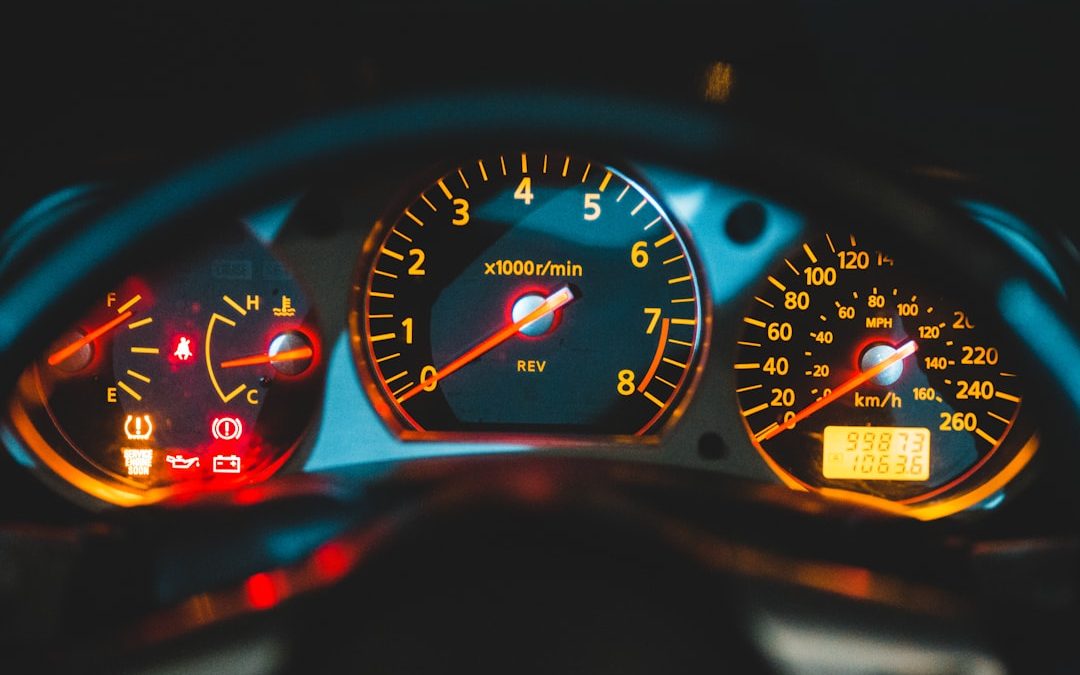
When it comes to check engine light immediate stop, when your vehicle’s check engine light comes on, it can be unsettling. This small indicator can mean anything from a minor fix to a major issue requiring immediate attention. Understanding the difference is crucial, especially when the light signals an immediate stop. The check engine light’s primary role is to alert you to a problem that needs addressing. However, there are specific situations where this light means you must stop driving immediately to avoid severe damage or safety hazards.
The check engine light is part of your car’s onboard diagnostics system. When it illuminates, it indicates that the system has detected a fault in the vehicle’s engine, transmission, or emission system. The light can appear as a steady glow or a flashing alert. A steady light typically suggests a non-urgent issue, but a flashing check engine light should never be ignored. It often signals a severe problem that may require you to stop immediately to prevent further damage.
When a Flashing Check Engine Light Means Stop Immediately
A flashing check engine light is a clear warning that your vehicle needs immediate attention. Unlike a steady light, a flashing light indicates a severe issue, such as an engine misfire that could lead to catalytic converter damage. Driving with a flashing check engine light can cause significant damage to your vehicle’s engine and exhaust system, and in some cases, it could pose a safety risk.
For further reading, see What Does the Check Engine Light Look Like, and Really Mean? from consumerreports.org.
Imagine you’re driving down the highway, and suddenly, the check engine light starts flashing. This is not the time to keep driving and hope the issue resolves itself. Instead, you should find a safe place to pull over and stop your vehicle. Continuing to drive could result in costly repairs or even leave you stranded on the side of the road. In these situations, it’s essential to get your car repaired as soon as possible to avoid further damage.
Severe Engine Misfire: Immediate Stop Required
One of the most common reasons for a flashing check engine light is a severe engine misfire. An engine misfire occurs when one or more of the engine’s cylinders fail to fire correctly. This can lead to a rough ride and poor engine performance. If the misfire is severe enough to trigger the check engine light to flash, it’s a sign that you need to stop driving immediately.
- Engine misfires can cause unburned fuel to flow into the exhaust system.
- This unburned fuel can rapidly overheat and damage the catalytic converter.
- Ignoring a severe misfire can also lead to more extensive engine damage over time.
For those concerned with check engine light immediate stop, symptoms of a severe engine misfire include a noticeable lack of power, stalling, or jerking while driving. If you experience these symptoms along with a flashing check engine light, it’s crucial to get engine diagnostics services to identify the exact cause of the misfire. Contact Sartorial Auto Repairs to explore engines and diagnostics for your vehicle.
Overheating Engine: Critical Stop Signal
An overheating engine is another critical situation where a check engine light might flash. Overheating can cause severe damage to your engine, including warped components and a potential engine failure. If your temperature gauge is reading higher than usual, or you see steam coming from under the hood, these are clear signs that your engine is overheating.
Continuing to drive with an overheating engine can lead to catastrophic engine damage. It’s important to stop immediately, turn off the engine, and let it cool down. Attempting to drive further could result in a blown head gasket or a seized engine, both of which are expensive repairs. In these cases, it’s advisable to stop driving and contact a professional to get engine light checked and determine the cause of the overheating.
Oil Pressure Warning: When to Pull Over
Low oil pressure is a serious issue that can trigger the check engine light. If your vehicle is running low on oil or has an oil pressure problem, it can cause engine damage due to insufficient lubrication. An oil pressure warning is not something to take lightly, as it can lead to engine failure if ignored.
- Low oil pressure can cause engine components to grind together, causing wear and tear.
- Without proper lubrication, the engine can overheat and seize up.
- Signs of low oil pressure include the oil warning light on your dashboard and engine noise.
If your check engine light is accompanied by an oil pressure warning, stop driving immediately. Check your oil level and top it off if necessary, but it’s crucial to have a professional diagnose the issue. You can reach out to Sartorial Auto Repairs for expert diagnostics for warning lights related to oil pressure.
Catalytic Converter Damage: Immediate Concerns
Your vehicle’s catalytic converter is a critical component of the emission system. It helps reduce harmful emissions by converting exhaust gases into less harmful substances. However, if the check engine light is flashing, it could indicate damage to the catalytic converter, often caused by an engine misfire or unburned fuel.
For those concerned with check engine light immediate stop, driving with a damaged catalytic converter can lead to decreased engine performance and increased emissions. Moreover, a faulty catalytic converter can become clogged, causing back pressure and potentially damaging the engine further. If you suspect catalytic converter damage, it’s important to stop driving and seek engine diagnostics services to confirm the issue.
Transmission Failure: Signs for Immediate Action
Your vehicle’s transmission is responsible for transferring power from the engine to the wheels. Transmission issues can manifest in various ways, such as slipping gears, rough shifts, or a flashing check engine light. If your transmission is failing, driving further can lead to complete transmission failure, leaving you stranded.
- Signs of transmission failure include unusual noises, delayed acceleration, and fluid leaks.
- A flashing check engine light related to transmission issues requires immediate attention.
- Ignoring transmission problems can result in costly repairs or replacement.
If you’re experiencing any of these symptoms, it’s crucial to stop driving and have your transmission checked by a professional. Sartorial Auto Repairs offers comprehensive auto repair services to address transmission issues and ensure your vehicle runs smoothly.
Electrical System Failures: When to Stop
Electrical system failures can also trigger the check engine light. Problems such as a failing alternator, battery issues, or wiring faults can cause your vehicle to lose power or stall unexpectedly. If your check engine light is flashing and you experience electrical issues, stopping immediately is the best course of action.
Signs of electrical system failures include dimming lights, difficulty starting the car, or complete loss of power. These issues can compromise your vehicle’s safety and reliability, so it’s important to stop and have an electrical diagnostics service performed. Sartorial Auto Repairs can help you diagnose and fix these problems to ensure your vehicle is safe to drive.
Steps to Take When You Must Stop Immediately
- Find a safe place to pull over as soon as possible.
- Turn off the engine to prevent further damage.
- Check for any obvious issues, like leaks or smoke.
- Consult your vehicle’s manual for specific guidance.
- Contact a professional mechanic for a thorough diagnosis.
If you find yourself in a situation where your check engine light is flashing, it’s crucial to take immediate action to prevent further damage. By following the steps above, you can ensure your safety and minimize the risk of costly repairs. For expert assistance, contact Sartorial Auto Repairs at 707-526-2625. Our team is ready to help you with any engine diagnostics and repairs to get you back on the road safely.
Frequently Asked Questions
What does a flashing check engine light mean?
A flashing check engine light indicates a severe issue, such as an engine misfire, that could cause significant damage if not addressed immediately. You should stop driving and seek professional help as soon as possible.
Is it safe to drive with a flashing check engine light?
No, it is not safe to continue driving with a flashing check engine light. This could lead to serious engine damage or even pose safety risks. It's best to pull over safely and contact a mechanic.
What should I do if my check engine light is flashing?
If your check engine light is flashing, you should safely pull over and turn off your vehicle. Contact a professional mechanic, such as Sartorial Auto Repairs at 707-526-2625, for immediate assistance.
Can a flashing check engine light damage my car?
Yes, driving with a flashing check engine light can cause damage, particularly to your engine or catalytic converter. It's crucial to address the issue promptly to avoid costly repairs.
How do I know if my check engine light requires an immediate stop?
A steady check engine light usually doesn't require an immediate stop, but a flashing light does. It signals a serious issue that needs urgent attention to prevent further damage.
Mar 24, 2026 | Car Diagnostics
Understanding Why Your Car AC Might Not Be Cooling
As summer approaches, a malfunctioning car air conditioning system can be a real headache. If you’ve noticed your car AC not cooling as it should, it’s a sign that something needs attention. This problem is more than just an inconvenience; it can indicate underlying issues that might worsen if not addressed promptly. Let’s explore what your car’s AC refusal to cool tells you before the summer heat hits.
There are several potential reasons why your car’s AC might not be doing its job. From low refrigerant levels to a failing compressor, each issue has its own implications. Understanding these can help you decide when to get your car repaired and avoid being caught off guard by a costly repair or replacement when the temperatures rise.
How Low Refrigerant Levels Affect Cooling
Refrigerant is the lifeblood of your car’s air conditioning system. If your car’s AC is not cooling, one of the first things to check is the refrigerant level. This substance circulates through the AC system, absorbing heat from inside the car and releasing it outside. When the refrigerant levels are low, the AC can’t absorb as much heat, leading to inadequate cooling.
For further reading, see 6 reasons why your car's air conditioning may not be working from pca.org.
Low refrigerant levels often result from a leak within the system. This is something you can’t ignore, as it won’t just impair cooling but could also damage other components like the compressor. If you suspect a refrigerant issue, it’s wise to consider vehicle electrical services to diagnose and address the problem.
- Signs of low refrigerant include hissing noises from the AC, warm air blowing from vents, and visible leaks under the car.
- Refrigerant leaks should be repaired promptly to prevent further damage.
The Impact of a Failing Compressor on AC Performance
Your car’s AC compressor is crucial for circulating refrigerant through the system. If the compressor is failing, your car AC might not cool effectively. The compressor is responsible for pressurizing the refrigerant and distributing it, making it a vital component for cooling.
When the compressor starts to fail, you might notice strange noises when the AC is turned on or fluctuating temperatures. Ignoring these signs can lead to a complete compressor failure, which is a more costly fix. If you suspect a compressor issue, it might be time to explore engines and diagnostics to ensure everything is functioning correctly.
- Look out for clicking or rattling sounds when the AC is running.
- Pay attention to whether the AC is blowing cold air intermittently.
Blocked Air Filters and Their Role in Cooling Problems
Air filters are often overlooked but play a central role in ensuring your car’s AC functions efficiently. A clogged or dirty air filter can restrict airflow, making it seem like your car AC is not cooling. This issue is easily preventable with regular maintenance.
When air filters are blocked, the AC has to work harder to cool the cabin, leading to increased wear and tear on the system. Regularly replacing or cleaning your car’s air filters can prevent this problem and ensure optimal performance. Consider scheduling an auto maintenance service to keep your filters in check and prolong the life of your AC system.
- Check air filters every 12,000 to 15,000 miles or as recommended by your car manufacturer.
- A dirty filter can also lead to musty odors when the AC is running.
Leaks in the AC System: What They Tell You
Leaks in the AC system are a common culprit behind your car AC not cooling. These leaks can occur in various components, such as the hoses, seals, or even the condenser. Detecting and repairing leaks promptly is crucial to maintaining your AC’s efficiency.
Leaks not only decrease refrigerant levels but can also introduce moisture into the system, leading to corrosion and other issues. If you notice oily spots under your car or a sudden drop in cooling efficiency, it’s time to get your car serviced. Addressing leaks early can save you from more extensive repairs down the line.
- Use a UV dye or electronic leak detector to pinpoint leaks.
- Regular inspections can help catch leaks before they become severe.
Electrical System Failures and AC Cooling
Your car’s electrical system is integral to the operation of the air conditioning unit. Electrical failures, such as blown fuses or faulty wiring, can result in the car AC not cooling. These issues can be tricky to diagnose without the right knowledge and tools.
If you’re experiencing inconsistent cooling or the AC doesn’t turn on at all, there might be an electrical fault. Fix your auto electronics with the help of a professional to ensure that all components are receiving the power they need to operate effectively. At Sartorial Auto Repairs, we provide comprehensive diagnostics to keep your car’s electrical system in top shape.
- Check for blown fuses in the car’s fuse box.
- Ensure all electrical connections are secure and free of corrosion.
Why Your Car AC Might Not Cool at Idle
It’s not uncommon for drivers to notice that their car AC doesn’t cool effectively when idling. This can be attributed to several factors, including an underperforming compressor or insufficient airflow over the condenser when the vehicle is stationary.
When your car is moving, increased airflow helps the condenser dissipate heat more effectively. However, when idling, the lack of airflow can cause the AC system to struggle. Another reason could be a slipping serpentine belt, which affects the compressor’s ability to function. If you notice the AC works fine while driving but not when stopped, it’s time to learn about engine diagnostics to identify any hidden issues.
- Inspect and replace the serpentine belt if it’s worn or damaged.
- Ensure the cooling fans are operational to aid in heat dissipation.
Preparing Your AC for Summer: Essential Maintenance Tips
Getting your car’s AC ready for summer involves more than just topping up the refrigerant. Regular maintenance ensures that all components work together seamlessly to provide cool air. Here are some essential tips to ensure your AC is summer-ready:
- Regular Inspections: Schedule maintenance checks to identify potential issues early.
- Clean or Replace Filters: Ensure clean airflow by keeping filters free of debris.
- Check Refrigerant Levels: Ensure adequate refrigerant to maintain optimal cooling.
- Inspect Belts and Hoses: Look for wear and tear that could lead to bigger problems.
- Test Electrical Connections: Make sure all connections are secure for proper functioning.
By following these steps, you can avoid the discomfort of a malfunctioning AC in the heat of summer. At Sartorial Auto Repairs, we offer a range of car maintenance options to keep your vehicle in top condition all year round.
When to Seek Professional Help for Your Car AC
While some AC issues can be addressed with basic maintenance, others require the expertise of a professional. If you’ve tried troubleshooting your AC with no success, it’s time to seek help. Persistent issues like unusual noises, leaks, or electrical problems need a professional touch.
At Sartorial Auto Repairs, we have the experience and tools to diagnose and fix your vehicle’s AC problems efficiently. Don’t let a malfunctioning AC ruin your summer plans. Book an appointment with us to ensure your car is ready to face the heat. Call us at 707-526-2625 today!
Frequently Asked Questions
Why is my car AC not blowing cold air?
Your car AC might not be blowing cold air due to low refrigerant levels, a faulty compressor, or a leak in the system. It's important to check these components and consider professional help to avoid further damage.
How can I tell if my car's AC needs more refrigerant?
If your car's AC is not cooling effectively or if you hear hissing sounds, it may need more refrigerant. A professional can diagnose and fix leaks, ensuring your AC functions properly.
What should I do if my car air conditioner stops cooling?
First, check if the AC is set to maximum cooling and the air vents are open. If it still doesn’t cool, consider reaching out to Sartorial Auto Repairs at 707-526-2625 for a diagnostic check.
Can low refrigerant damage my car’s AC compressor?
Yes, running your car's AC on low refrigerant can strain and potentially damage the compressor. It's crucial to address refrigerant issues promptly to avoid costly repairs.
How do I find a leak in my car's AC system?
Finding a leak often requires a professional inspection, as it involves checking connections and using specialized equipment. You can contact Sartorial Auto Repairs in Santa Rosa, CA, for assistance with this issue.

Feb 25, 2026 | Car Diagnostics, Car Maintenance, High Mileage, Pre-Purchase Inspections
Hidden Value in Your Old Car
Your old car wants you to know that it still has hidden value you might not be aware of. Many people assume that because a vehicle is old, it’s no longer worth keeping. However, this isn’t always the case. Older cars often have untapped potential that can be realized with the right care and attention.
For instance, consider the cost of car ownership. Buying a new car means taking on a new financial commitment, often with higher insurance costs and a hefty price tag. In contrast, your old car is likely paid off, meaning you can focus your finances on maintenance rather than car payments.
Moreover, older vehicles have simpler mechanical systems, making them easier and often cheaper to repair. At Sartorial Auto Repairs, we frequently find that a little maintenance can keep an older vehicle running smoothly. Simple fixes like replacing spark plugs or changing the oil can make a significant difference. So, before you decide to give up on your old car, consider the potential savings and value it still holds.
For further reading, see Authority Resource from the Bureau of Labor Statistics.
Common Myths About Old Cars
There are several myths about old cars that might lead you to consider giving up on them prematurely. One common myth is that older cars are less reliable. While it’s true that wear and tear can affect performance, regular maintenance can significantly extend the life of your vehicle.
Another myth is that old cars are gas guzzlers. While some older models might not be as fuel-efficient as newer ones, many have acceptable fuel economy, especially if they are well-maintained. Regular check-ups, including engine diagnostics services, can help you optimize fuel efficiency.
Lastly, people often think that finding parts for old cars is difficult. While this can be true for rare models, most parts are readily available for popular makes and models. Our team at Sartorial Auto Repairs can help source the needed parts and provide reliable auto repair services.
Simple Fixes Your Old Car Might Need
Before you decide to part ways with your old car, consider that it might just need a few simple fixes. Here are some common issues that can be resolved easily and affordably:
- Oil Change: Regular oil changes are crucial for keeping your engine running smoothly.
- Brake Pads Replacement: If your brakes are squeaking, it might be time to replace the pads.
- Battery Testing and Replacement: If your car struggles to start, a new battery might be all it needs.
- Tire Replacement and Balancing: Worn-out tires can affect your car’s performance and safety.
- Check Engine Light Diagnosis: A check engine light can indicate a variety of issues that might be simple to fix.
Addressing these common issues can often restore your car’s reliability and performance. At Sartorial Auto Repairs, we provide comprehensive services to get your vehicle maintained and back in top condition.
The Environmental Impact of Keeping Your Old Car
Your old car wants you to know about the positive environmental impact of keeping it. While new cars might boast better fuel efficiency, the production of a new vehicle has a significant environmental footprint. Manufacturing a new car involves mining, transportation, and assembly, all of which contribute to carbon emissions.
By maintaining your current vehicle, you reduce the demand for new cars and decrease your individual carbon footprint. Regular maintenance, such as engine diagnostics services, ensures your car runs efficiently, minimizing emissions.
Moreover, older cars can often be retrofitted with modern technology to improve their environmental performance. This can include installing more efficient exhaust systems or upgrading to more environmentally friendly components.
How Your Old Car Fits Your Lifestyle Better Than You Think
Think about how well your old car fits your lifestyle. It might be more suited to your needs than you realize. Older cars often have features that newer models lack, such as larger trunks, more straightforward controls, or unique styling that matches your personal taste.
Perhaps your old car has been reliable over the years, making it a trusted companion for family trips or daily commutes. Its familiarity can offer a sense of comfort and ease that a new car might not provide immediately.
Additionally, the cost of ownership for your old car is likely lower than that of a new vehicle. With no monthly payments and potentially lower insurance rates, your old car allows you to allocate your finances to other important areas of your life. Consider this before deciding to part with it.
What Your Old Car Wants You to Know About Reliability
Your old car wants to assure you that age doesn’t necessarily mean unreliability. Many older cars have been built with durability in mind and can continue to perform well with the right care. Regular maintenance is key to ensuring your car remains dependable.
For example, regular check-ups like getting your engine light checked can prevent minor issues from becoming major problems. At Sartorial Auto Repairs, we provide thorough inspections and repairs to help maintain high-mileage cars and keep them running smoothly.
It’s also important to remember that some issues are more about perception than reality. A rattling noise might sound concerning, but it could be something as simple as a loose heat shield. Our experienced technicians can diagnose and fix these issues, giving you peace of mind on the road.
The Cost of Ownership: Is It Worth Fixing Your Old Car?
When comparing the costs of owning an old car versus a new one, your old car wants you to know that it might be more economical than you think. Let’s break it down:
- Initial Cost: A new car has a high purchase price, while your old car is already paid for.
- Insurance: Older cars generally have lower insurance premiums than new vehicles.
- Depreciation: New cars depreciate quickly, losing value as soon as they’re driven off the lot. Your old car has already gone through this phase.
- Repairs and Maintenance: While older cars may require more frequent repairs, they are often less expensive than the cost of maintaining a new car’s advanced systems.
Understanding these costs can help you appreciate the financial benefits of holding onto your old car. It may require some investment in maintenance, but the overall savings can be substantial.
Emotional Bonds: More Than Just a Vehicle
Your old car likely holds sentimental value that goes beyond its monetary worth. It might remind you of a first road trip, a special family event, or simply the countless everyday moments that have shaped your life. These emotional bonds are important and shouldn’t be underestimated.
For many, an old car is not just a means of transportation but a part of their personal history. It can be like a trusted friend, reliable and familiar. Before you decide to let go of your old car, consider the memories and experiences it holds.
If you’re still unsure, ask yourself whether a new car can truly replace the emotional connection you have with your current vehicle. Sometimes, the sentimental value of an old car is worth more than the allure of a new one.
What Your Old Car Wants You to Know About Its History
Your old car wants you to appreciate its history and what that means for its future. Every dent, scratch, and quirk tells a story about where it’s been and what it’s endured. Instead of seeing these as flaws, consider them badges of honor that add character to your vehicle.
Understanding your car’s history can also help you make informed decisions about maintenance and repairs. Keeping a record of past services and repairs can guide you in addressing future issues. Our team at Sartorial Auto Repairs can help you explore engines and diagnostics to ensure your car continues to run efficiently.
In the end, your old car’s history is a testament to its longevity and resilience. It’s more than just a collection of metal parts; it’s a part of your journey. Before you think about giving up on it, remember the road you’ve traveled together and the potential miles still ahead.
If you’re considering whether to keep your old car, why not bring it in for an inspection at Sartorial Auto Repairs? Our team is here to help you get your car repaired and explore all the potential your vehicle still holds. Contact us at 707-526-2625 to book an appointment and keep your car running smoothly for years to come.
Frequently Asked Questions
How can I determine if my old car is worth repairing?
Start by evaluating the cost of necessary repairs versus the current market value of your car. If repairs are less expensive than buying a new vehicle, it might be worth keeping. You can also consult with a local expert like Sartorial Auto Repairs in Santa Rosa, CA, to get a professional assessment.
What are some common myths about old cars?
Many believe old cars are unreliable or gas guzzlers, but with regular maintenance, they can be quite dependable. Additionally, many older models are simpler to repair and can be more cost-effective than newer vehicles.
What maintenance should I prioritize for my old car?
Focus on regular oil changes, replacing spark plugs, and checking the brakes and tires. These simple steps can maintain your car’s performance and extend its lifespan. For more detailed advice, reach out to Sartorial Auto Repairs at 707-526-2625.
Are older cars really cheaper to maintain than new ones?
Yes, older cars often have simpler mechanical systems which can make repairs less expensive. Without the burden of monthly payments, you can allocate more budget to maintenance, keeping your old car running smoothly.
Can an old car still be fuel-efficient?
While not all old cars are as fuel-efficient as modern models, many can still achieve decent mileage with proper maintenance. Regular tune-ups and ensuring your tires are properly inflated can improve fuel efficiency.

Jan 6, 2026 | Car Diagnostics
We’ve all been there. You’re driving down the road, and suddenly, an unfamiliar noise starts emanating from your car. Maybe it’s a rattle, a clunk, or a squeal. While it’s tempting to turn up the radio and hope it goes away, mysterious car noises often signal underlying issues that could become more serious over time. Understanding these noises and addressing them promptly can save you from costly repairs and ensure your vehicle remains safe and reliable.
Understanding Common Car Noises
Cars, like any machinery, make a variety of sounds during operation. Some of these are perfectly normal, while others can indicate problems that need attention. Let’s break down some common noises and what they might mean for your vehicle.
Grinding or Squealing Brakes
If you hear grinding or squealing when applying your brakes, it’s time to pay attention. Squealing often indicates that your brake pads are worn and need replacing. If neglected, this could lead to damage to your rotors, a much more expensive repair.
- Grinding: This usually means the brake pads are completely worn out. The metal backing of the pads is grinding against the rotors, which can cause significant damage.
- Squealing: Often caused by wear indicators on brake pads, alerting you that it’s time for a replacement.
Timely brake inspections can prevent these noises from escalating into severe issues.
Rattling Under the Car
Rattling noises from underneath your car can mean various things. One common cause is a loose exhaust system or a failing catalytic converter. Not addressing these can lead to reduced engine performance and increased emissions. To avoid these complications, consider whether you might need to buy catalytic converter shields to protect this essential component.
Rattling could also indicate problems with suspension components like loose sway bars or shocks. These issues can affect handling and safety, making them crucial to address swiftly.
When Engine Noises Spell Trouble
Engines are complex, and while some noise is normal, unusual sounds should never be ignored. Here are some engine noises that require immediate attention.
Knocking or Pinging Sounds
Knocking or pinging noises often suggest issues with the internal components of the engine, such as worn bearings or rod knock. These sounds can lead to engine failure if not addressed promptly.
- Knocking: Often linked to problems with the fuel-air mixture burning unevenly, which can damage engine components over time.
- Pinging: This can indicate pre-ignition or detonation, both of which are harmful to your engine.
If you hear knocking or pinging, it’s essential to diagnose engine misfire or other related issues before they escalate.
Loud Ticking or Clicking
Ticking or clicking noises might be due to low oil levels or failing lifters. Low oil can lead to increased friction and heat, causing severe engine damage. Regular oil checks and changes are crucial to maintaining engine health.
Should you notice these noises, getting a check engine light diagnosis can help pinpoint the issue, whether it’s a need for simple maintenance or something more serious.
Addressing Noise from Steering and Suspension
Noises related to steering and suspension often signal wear and tear that can affect your vehicle’s handling and safety. Understanding these noises can help prevent future complications.
Clunking or Banging When Turning
Clunking sounds during turns may indicate issues with your steering components, such as worn-out tie rods or ball joints. These components are crucial for steering safety and should be inspected regularly.
- Tie Rods: Worn tie rods can lead to misalignment, causing uneven tire wear and poor handling.
- Ball Joints: Essential for smooth steering, worn ball joints can cause clunking noises and unsafe driving conditions.
Regular inspections and maintenance can prevent these issues from becoming dangerous.
Squeaking or Groaning When Steering
Squeaking or groaning noises when turning the steering wheel often suggest problems with the power steering system. Low power steering fluid or a failing power steering pump are common culprits. Ignoring these noises can lead to steering failure, making it crucial to address them promptly.
Regular checks and addressing minor issues can prevent these noises from developing into more significant problems.
Additional Tips for Handling Mysterious Noises
While not every car noise indicates a severe problem, being proactive about addressing them can save time and money. Here are some tips for managing mysterious car noises effectively.
Don’t Ignore Warning Lights
Warning lights on your dashboard are designed to alert you to potential issues. Whether it’s the ABS warning light or the check engine light, these indicators shouldn’t be ignored. Seeking an ABS warning light diagnosis service or getting a check engine light diagnosis can provide insights into any underlying problems.
Regular Maintenance Checks
Consistent maintenance can prevent many issues that lead to mysterious noises. Services such as battery testing services and regular inspections can identify potential problems before they become serious. For example, if you need to replace your battery or fix the alternator, addressing these needs early can prevent more significant electrical issues.
Consult a Trusted Mechanic
When in doubt, consult a trusted mechanic. They can provide an accurate diagnosis and recommend necessary repairs, ensuring your vehicle remains safe and reliable. Whether it’s advice on how to repair your starter or a starter repair guide, an experienced mechanic can guide you through the process.
Keeping Your Vehicle in Top Shape
Understanding and addressing mysterious car noises promptly can prevent small issues from becoming major repairs. Regular maintenance and being attentive to your vehicle’s sounds can ensure your car remains in top condition. Remember, it’s always better to err on the side of caution and have unusual noises checked by a professional. By addressing issues early, you maintain the safety and reliability of your vehicle, giving you peace of mind on the road.
Nov 13, 2025 | Auto Repair, Car Diagnostics, Tune-Ups
Keeping your vehicle in peak condition is like maintaining good health: it’s all about prevention and regular check-ups. Just as you’d visit a doctor for a routine physical, your car benefits from regular diagnostic check-ups to ensure everything runs smoothly. Many drivers underestimate the value of these check-ups, often waiting until a problem becomes noticeable or even critical. But understanding the importance of diagnostics can save you time, money, and stress in the long run.
In this post, we’ll explore the advantages of regular diagnostic check-ups and how they help maximize your vehicle’s performance. We’ll also share practical tips on how you can integrate these check-ups into your car maintenance routine, ensuring that your vehicle stays in top-notch condition.
Understanding Vehicle Diagnostics
Vehicle diagnostics might sound technical, but it’s a straightforward concept. Think of it as a comprehensive health check for your car. Diagnostic tools are used to scan your vehicle’s computer system, identifying any issues that might not be visible to the naked eye. This process can reveal problems with the engine, transmission, exhaust, and other vital systems.
Today’s vehicles are equipped with advanced onboard computers that monitor different components and systems. When something goes wrong, these computers generate error codes that can be read by diagnostic tools. This is where engine diagnostics services come into play. By interpreting these codes, mechanics can pinpoint the source of a problem without guesswork.
For instance, a driver might notice their check engine light is on. While this can be alarming, a diagnostic check can quickly determine if the issue is minor, like a loose gas cap, or something more serious. With engine diagnostics services, you avoid unnecessary repairs and focus on what truly needs attention.
The Benefits of Regular Diagnostic Check-Ups
Regular diagnostic check-ups are like a roadmap for maintaining your vehicle’s health. Here’s why they’re essential:
- Early Detection: Catching issues early can prevent them from developing into bigger, more expensive problems. For example, identifying a worn-out spark plug before it fails completely can save you from more extensive engine damage.
- Cost Efficiency: Fixing small problems before they escalate keeps repair costs down. It’s always more economical to repair your fuel system when issues first appear rather than when it leads to breakdowns.
- Improved Safety: Ensuring that critical systems like brakes and the electrical system are functioning properly enhances your safety. Regular check-ups might reveal that you need to get your brakes fixed before they lead to dangerous situations.
- Enhanced Performance: A well-maintained vehicle runs more efficiently, offering better fuel economy and a smoother driving experience. Routine diagnostics contribute to this by ensuring all systems are optimized.
Consider a scenario where a driver regularly schedules oil change and diagnostic check-ups. During one visit, the mechanic discovers a minor issue with the vehicle’s transmission. By addressing this early, the driver avoids what could have been a costly transmission overhaul, keeping the car in peak condition and saving money.
What to Expect During a Diagnostic Check-Up
A diagnostic check-up might sound daunting, but it’s a straightforward process. Here’s what typically happens:
- Initial Assessment: A mechanic will ask about any symptoms you’ve noticed—strange noises, reduced performance, warning lights, etc.
- Computer Scan: The vehicle’s computer is scanned for error codes using specialized diagnostic tools. This step is crucial for identifying specific issues, whether it’s a need for auto electrical repair or something else.
- Visual Inspection: Mechanics will visually inspect key components to corroborate any findings from the computer scan. This might include checking the exhaust system, brakes, and more.
- Report and Recommendations: After the assessment, you’ll receive a report detailing any issues found and recommendations for repairs or maintenance. This helps you make informed decisions about what needs immediate attention and what can wait.
Imagine you bring your car in for a diagnostic check-up because the fuel efficiency has dropped. The diagnostic process reveals a clogged air filter and a minor exhaust leak. By addressing these issues promptly, not only do you restore your car’s performance, but you also prevent future complications that might arise from ignoring these signs.
Incorporating Diagnostics into Your Routine Maintenance
Integrating regular diagnostics into your vehicle’s routine maintenance is simpler than you might think. Here’s how you can make it part of your car care plan:
- Schedule Regular Visits: Align diagnostic check-ups with other routine services like oil changes. Every time you get your oil changed, consider asking for a diagnostic check to keep tabs on your car’s health.
- Pay Attention to Warning Signs: If you notice anything unusual—strange noises, reduced performance, or dashboard warnings—don’t wait. Get your car serviced to diagnose and fix potential issues early.
- Stay Informed: Learn about engine diagnostics and other vehicle systems. Understanding the basics can help you communicate effectively with your mechanic and make informed decisions.
- Use Trusted Professionals: Build a relationship with a reliable auto shop that offers comprehensive auto repair services. Having a trusted mechanic means you can confidently rely on their expertise for regular diagnostics and repairs.
Consider a driver who makes it a point to explore engines and diagnostics every year. By doing so, they maintain a detailed record of their vehicle’s health, catching issues early and ensuring consistent performance. This proactive approach can significantly extend the life of their car.
Keeping Your Vehicle Running Smoothly
Regular diagnostic check-ups are an essential part of auto maintenance service, ensuring your vehicle remains reliable, safe, and efficient. By staying on top of these check-ups, you prevent minor issues from turning into major headaches, saving both time and money. It’s about being smart with your car care, knowing when to fix your vehicle, and when to simply monitor its performance.
At Sartorial Auto Repairs, we believe in honest and straightforward service. We’re here to help you understand what your car needs, from engine diagnostics to vehicle electrical services. Next time you’re in for a routine service, consider asking about a diagnostic check-up. It might just be the key to keeping your vehicle performing at its best for years to come.

