

Do All Suspension Noises Mean Trouble, or Are Some Normal?
No, not every suspension noise points to a serious problem—some are normal signs of wear or the result of routine operation. But certain sounds signal issues that need your attention, especially if they change suddenly or worsen over time.
Suspension components like bushings, shocks, and control arms naturally create some noise as they age. For example, a brief squeak over a speed bump in an older car might be typical. On the other hand, persistent clunks, grinding, or metallic screeches usually mean something is wrong. The key is learning which sounds you can live with, and which demand a professional inspection. If you’re unsure whether a noise is harmless or a sign of trouble, scheduling a professional car suspension repair can help diagnose and address any underlying issues early.
Knowing the difference can save you money and stress. If you’re in Santa Rosa, shops like Sartorial Auto Repairs have the experience to distinguish harmless wear from real problems. Don’t ignore new noises—track when and how they happen. That’s valuable information for any technician. If you’re unsure whether a suspension noise is serious or just normal wear, scheduling an auto maintenance service can help diagnose the issue before it worsens. Sometimes, a squeaking sound from your suspension could actually be related to brake wear, so a professional inspection can help pinpoint the true source and ensure your safety. If you notice unusual sounds when driving over bumps or while braking, it’s wise to get your brakes inspected to rule out any underlying suspension issues. If you’re unsure whether those Mysterious Car Noises from your suspension are serious or just routine, a professional diagnostic service can provide peace of mind and prevent costly repairs.
For further reading, see Authority Resource from the Federal Trade Commission.
What Types of Suspension Noises Are Actually Common?
Some suspension noises are normal, especially as a car ages or after driving on rough roads. Here are routine sounds you might hear that usually aren’t cause for alarm:
- Light Squeaking: Brief squeaks from rubber bushings or sway bar links when going over low bumps or turning slowly.
- Soft Rattling: Loose items in the trunk or interior panels can mimic suspension sounds, especially on rough surfaces.
- Gentle Thudding: Minor thuds when driving over potholes or speed bumps, especially in trucks or older vehicles.
- Occasional Popping: Temperature changes can cause metal parts to expand and contract, leading to faint pops when starting or ending a drive.
- Minor Road Noise: Some tire and road interaction noise can echo through the suspension, especially with performance tires or on concrete surfaces.
If these noises don’t get louder, more frequent, or change character, they’re usually just the sound of your suspension doing its job. Always double-check if you’re unsure—the peace of mind is worth it. If you notice persistent clunking or grinding from your suspension, it’s wise to get your car repaired promptly to prevent further damage and ensure safe driving.
Which Suspension Sounds Should You Never Ignore?
Persistent, loud, or sudden suspension noises often mean trouble. Ignoring these can risk your safety and lead to bigger repair bills.
- Repeated Clunking: Heavy clunks when going over bumps can signal worn ball joints, broken shock mounts, or loose control arms.
- Grinding or Metal-on-Metal Noises: Any grinding from the wheel area suggests failing bearings or metal parts rubbing without proper cushioning.
- Sharp Knocking When Turning: This often means a failing CV joint or a damaged strut mount—a problem that can quickly get worse.
- Continuous Squealing: Unlike brief squeaks, a loud, ongoing squeal may indicate a dry or damaged suspension bushing or a failing spring seat.
- Sudden Change in Noise: Any new, louder, or different noise that appears out of nowhere should be checked immediately.
Suspension systems are critical for safety and handling. If your car starts making these sounds, schedule an inspection right away.
How Can You Tell If a Suspension Noise Is Serious or Not?
You can often tell by when, where, and how the noise occurs—and if it’s getting worse. Here’s how to judge:
- Does the Noise Happen on Every Bump? Serious problems usually create repeatable sounds over each bump or pothole.
- Is There a Change in Ride or Handling? If the car feels loose, bouncy, or pulls to one side, the noise likely means a real problem.
- Can You Reproduce the Noise When Turning or Braking? Sounds tied to steering or braking often mean a critical component is failing.
- Does the Noise Get Worse Over Time? Harmless noises stay the same, while dangerous ones get louder or more frequent.
- Are There Visible Leaks or Broken Parts? Look for oil leaks around shocks or visibly damaged bushings, which confirm a problem.
If you’re ever unsure, bring your car to a trusted shop. Reliable professionals like Sartorial Auto Repairs can pinpoint the source and tell you what’s safe and what’s not.
What Causes Normal Wear Noises in Suspension Systems?
Normal wear noises come from gradual aging and the everyday movement of suspension parts. Over time, bushings, mounts, and joints lose flexibility or lubrication. Here’s what typically causes routine sounds:
- Rubber Bushing Aging: Suspension bushings dry out, harden, or crack, making light squeaks or creaks—especially in older vehicles.
- Shock and Strut Mount Settling: As shocks and strut mounts wear, they might make soft thuds over bumps, but the ride still feels controlled.
- Temperature Fluctuations: Metal and rubber expand and contract, causing small pops or groans, especially after cold nights or hot afternoons.
- Road Surface Feedback: Rough pavement or gravel can amplify harmless rattles that go away on smoother roads.
- Minor Play in Joints: Some play develops in ball joints or tie rods as they age, causing faint noises that don’t affect safety—if they remain minor.
These sounds are part of vehicle aging. They usually don’t require immediate repair unless they get worse or affect how your car drives.
What Makes Some Suspension Noises a Sign You Need Repair?
Noises that signal repair needs are usually louder, more persistent, or appear alongside handling changes. Here’s what to listen for:
- Consistent Clunks or Bangs: These can mean a broken spring, cracked control arm, or worn shock absorber—parts that affect handling and tire wear.
- Grinding or Scraping: Metal-on-metal noises often mean a bushing or joint has completely failed, putting metal parts in direct contact.
- Groaning or Whining When Turning: A groan when steering can point to a failing steering rack or low power steering fluid, which need prompt attention.
- Visible Damage or Leaks: If you see leaking fluid near shocks or struts, or notice cracked or hanging parts, don’t wait—those components must be repaired.
- Changes in Ride Height: If your car sits lower on one side, a spring may be broken or a strut has collapsed.
Suspension repairs are about more than comfort—they’re about safety. Ignoring these noises can lead to loss of control or expensive secondary damage. Some suspension noises, like brake squeals, can indicate worn pads or rotors, so scheduling a professional brake inspection can help you determine if repairs are needed.
How Suspension and Steering Repair Shops Diagnose Noises
Shops use a mix of road testing, visual inspections, and hands-on checks to find the cause of suspension noises. Here’s the process you can expect:
- Test Drive: A technician listens for the noise while driving, noting when it occurs—over bumps, while turning, or at certain speeds.
- Visual Inspection: They look for worn, cracked, or leaking parts under the vehicle, such as bushings, shocks, and ball joints.
- Physical Manipulation: Mechanics move suspension and steering parts by hand to check for play or looseness that shouldn’t be there.
- Chassis Ears or Stethoscope: Some shops use electronic listening devices to isolate the exact location of a noise.
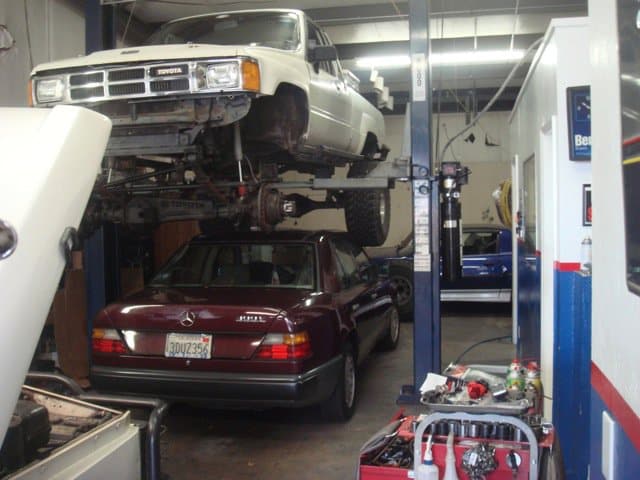
- Lift Inspection: Lifting the car allows for a thorough look at all suspension and steering components, spotting issues not visible from ground level.
Experienced shops like Sartorial Auto Repairs combine these steps with local knowledge. Santa Rosa’s road conditions can cause certain problems more often, so a shop familiar with the area may spot issues faster.
Can You Drive with Suspension Noises, or Should You Book Service Now?
Some noises let you keep driving for a short time, but others mean you should book service immediately. Here’s a breakdown:
- Safe to Monitor:
- Light, occasional squeaks that don’t get worse
- Soft thuds in older vehicles with no change in ride or handling
- Minor rattles only on rough roads
- Book Service Soon:
- Persistent clunks or knocks over bumps
- Noises that get louder or more frequent
- Any change in how the car drives, turns, or brakes
- Stop Driving and Call a Shop:
- Grinding, scraping, or metal-on-metal sounds
- Steering feels loose or unresponsive
- Car sits unevenly or bottoms out
- Visible fluid leaks from shocks or struts
When in doubt, err on the side of caution. A short call to a local expert like Sartorial Auto Repairs can help you decide if it’s safe to drive or time to tow.
What to Ask Your Mechanic About Suspension and Steering Repair
When you bring your car in for suspicious noises, asking the right questions ensures you understand the problem and the repair needed. Here’s what to ask:
- What is making the noise, and why? Ask for a clear explanation—don’t settle for vague answers.
- Is the problem urgent, or can I wait? Find out if it’s a safety issue or just a comfort concern.
- What are my repair options? Sometimes multiple solutions exist, from part replacement to temporary fixes.
- Will this repair fix the noise, or is there a chance it’s something else? Make sure the diagnosis is solid before committing.
- How will this affect my alignment or tire wear? Suspension repairs can impact how your tires wear and how your car drives.
- What’s the estimated cost and turnaround time? Get a written estimate and ask how long your car will be in the shop.
- Do you offer a warranty on this repair? Quality shops stand behind their work—ask for details.
Clear answers build trust and help you make the right decision for your vehicle and your business.
Hearing new or unusual suspension noises? Don’t risk it. Book an inspection at Sartorial Auto Repairs in Santa Rosa. Call 707-526-2625 or visit us at 3227 Santa Rosa Ave, Unit B. We’ll help you stay safe, comfortable, and confident on the road.
Frequently Asked Questions
What are the most common signs that my suspension or steering needs repair?
Common signs your suspension or steering needs repair include persistent clunking, grinding noises, uneven tire wear, or a loose, wandering steering feel. If you notice your car pulling to one side or new noises that get worse over time, schedule an inspection as soon as possible.
Is it safe to drive with suspension noises, or should I get them checked right away?
Not all suspension noises mean immediate danger, but you should get any new, loud, or worsening sounds checked promptly. Ignoring suspension issues can lead to more expensive repairs or even compromise your safety on the road.
How do I tell if a suspension noise is normal or a real problem?
Brief squeaks over bumps in older vehicles are often normal, but persistent clunks, grinding, or metallic screeches usually signal a real problem. Track when and how the noise happens—sharing this information with a repair shop like Sartorial Auto Repairs can help diagnose the issue quickly.
What should I do before bringing my car in for suspension or steering repair?
Before bringing your car in, try to note when the noise happens, what it sounds like, and if it changes with speed or road conditions. This information can help technicians at Sartorial Auto Repairs troubleshoot your suspension or steering issue more efficiently.
How long does suspension or steering repair usually take?
The time needed for suspension or steering repair depends on the exact issue and parts required, but many common repairs can be completed the same day. Call your local repair shop to discuss your symptoms and get a more accurate estimate based on your vehicle.