
Oct 21, 2025 | Alternators, Auto Repair, Car Maintenance
If you’ve ever found yourself stranded by the side of the road with a dead battery, it might not have been the battery’s fault. The culprit could be your alternator. The alternator is a crucial component in your vehicle’s electrical system, ensuring that your battery stays charged and your car’s electrical components function properly. Understanding the signs of a failing alternator can save you from unexpected breakdowns and costly repairs. Let’s dive into what Santa Rosa drivers need to know about spotting alternator issues early.
What Does the Alternator Do?
The alternator is like your car’s personal power plant. It takes over once the engine is running, supplying power to the vehicle’s electrical systems and keeping the battery charged. Without a functioning alternator, your car would rely solely on the battery, which would quickly lose power.
Imagine driving at night. Your headlights, radio, and air conditioning are all running, thanks to the alternator. It’s a busy piece of machinery responsible for converting mechanical energy into electrical energy, and when it starts to fail, it can lead to a host of problems.
Signs Your Alternator Might Be Failing
Recognizing the early signs of a failing alternator can prevent you from getting stuck with an immobile vehicle. Here are a few indicators to watch for:
Dim or Flickering Lights
One of the first signs that your alternator may be on its way out is dim or flickering lights. If your headlights seem weaker than usual or if they dim when idling and then brighten when you accelerate, this could indicate a problem with the alternator.
Consider a scenario: You’re driving home from work, and you notice your dashboard lights and headlights are flickering. This isn’t something to ignore. It might be time to get your car repaired or explore auto electrical repair options.
Warning Light on the Dashboard
Most modern cars have a dashboard warning light specifically for the alternator. It might look like a battery, but it indicates a charging system problem. If you see this light, it’s a clear sign that you should visit an auto repair service.
Think of it as your car telling you to pay attention. Ignoring it could lead to more serious issues down the road. Addressing it promptly could mean a simple fix rather than a complex one.
Strange Noises
If you hear grinding or whining noises coming from under the hood, your alternator might be struggling. These noises often occur when the bearings inside the alternator are worn out.
Imagine hearing a high-pitched whine as you drive. It’s not a sound you want to ignore. Seek help to fix your vehicle before the problem escalates.
- Grinding noises could indicate that the alternator’s bearings are worn.
- Whining noises might point to issues with the voltage regulator or a misaligned belt.
Real-World Examples and Scenarios
Let’s explore a few scenarios to illustrate how a failing alternator can affect your daily drive.
Scenario 1: Trouble Starting the Car
You’re about to leave for work, but your car hesitates to start. This could be a sign that the alternator isn’t charging the battery effectively. While it might seem like a battery issue, the alternator is often the underlying problem.
Getting your car serviced to explore engines and diagnostics can help determine if the alternator is the root cause.
Scenario 2: Electronics Acting Up
Imagine you’re driving, and suddenly your radio stops working, or your power windows slow down. These are signs that the alternator might not be providing enough power to the vehicle’s electrical systems.
In such cases, seeking vehicle electrical services can ensure that the alternator and other components are functioning properly.
Scenario 3: Frequent Battery Issues
If you’ve had to jump-start your car more than once recently, it might not be the battery that’s to blame. A failing alternator can mimic battery issues, leading to frequent dead battery scenarios.
Visiting a shop to get your oil changed or scheduling regular maintenance can help catch these problems early on.
How to Prevent Alternator Failure
While alternators can fail due to regular wear and tear, there are ways to extend their lifespan and ensure your car runs smoothly.
Regular Maintenance Checks
Routine auto maintenance service can help detect early signs of alternator issues. A professional mechanic can spot worn-out components that might lead to alternator failure.
- Check the condition of the drive belt regularly. A loose or worn belt can cause alternator problems.
- Inspect the alternator for signs of physical damage or corrosion.
Pay Attention to Your Car’s Signals
Be aware of any changes in your vehicle’s performance. If something feels off, don’t delay in seeking professional advice. It’s better to get your car repaired when the problem is minor.
Keep Your Battery in Good Condition
A healthy battery can reduce the load on your alternator, prolonging its life. Regular battery checks and oil change services can help maintain your car’s overall health.
Conclusion: Keeping Your Alternator in Check
Understanding the signs of a failing alternator can save you from unexpected breakdowns and costly repairs. By staying alert to warning signs such as dim lights, strange noises, and dashboard warnings, you can address potential issues before they become major problems.
At Sartorial Auto Repairs, we’re committed to keeping your vehicle running smoothly. Whether you need to explore engines and diagnostics or fix your auto electronics, we’re here to help. Remember, routine maintenance and early intervention are key to avoiding more serious issues down the line. If you suspect your alternator might be failing, don’t hesitate to reach out to us for professional assistance.

Sep 4, 2025 | Auto Repair, Car Maintenance, Radiators
As the cold weather approaches, it’s crucial to prepare your car’s radiator to ensure it operates efficiently throughout the winter months. A well-maintained radiator not only keeps your engine running smoothly but also prevents costly repairs down the line. Here, we’ll guide you through the essentials of preparing and maintaining your car’s radiator for the chillier seasons.
Understanding the Radiator’s Role
Your car’s radiator is a vital component of the cooling system. It works by dissipating heat from the engine, helping maintain an optimal temperature and preventing overheating. During the winter, the radiator also plays a role in ensuring the engine warms up properly. However, cold temperatures can pose challenges, such as freezing coolant or increased wear and tear. Understanding these dynamics is key to effective maintenance.
Why Cold Weather Affects Radiator Performance
Cold weather can cause the engine’s coolant to become too thick, impairing its ability to flow through the radiator efficiently. This can lead to inadequate engine warming and increased engine wear. Furthermore, if the coolant is not properly mixed with antifreeze, it can freeze, leading to potential damage. To avoid these issues, it’s essential to take proactive steps before the temperatures drop.
- Coolant Mixture: Ensure the coolant mixture is correct, typically a 50/50 blend of antifreeze and water, to prevent freezing.
- Regular Checks: Regularly check for leaks, which can exacerbate problems during colder months.
Preparing Your Radiator for Winter
Preparing your radiator for winter is a straightforward process that can save you from headaches and costly repairs. Here are some practical steps to get your radiator winter-ready.
Flushing the Radiator
One of the most effective ways to prepare your radiator is by flushing it. This process removes old coolant and any debris that may have built up over time. Flushing ensures that the new coolant circulates effectively.
- When to Flush: It’s generally recommended to flush your radiator every two years or as specified by your vehicle’s manufacturer.
- How to Flush: You can perform a flush at home with a radiator flush kit or visit a professional for assistance. Be sure to dispose of old coolant responsibly.
Inspecting for Leaks
Leaks can lead to coolant loss and reduced efficiency of your radiator. Before winter hits, inspect your radiator and hoses for any signs of leaks.
- Spotting Leaks: Look for wet spots under your vehicle or traces of coolant around the radiator and hoses.
- Addressing Leaks: Small leaks might be manageable with a sealant, but larger issues may require professional attention.
Checking Coolant Levels and Quality
Maintaining the correct coolant level is crucial for proper radiator function. Moreover, the quality of the coolant affects its performance.
- Checking Levels: Use the coolant reservoir to check levels, ensuring they are between the minimum and maximum markers.
- Coolant Quality: The coolant should be a bright color (typically green, yellow, or orange). If it’s discolored or contains particles, a replacement is needed.
Maintaining Your Radiator Throughout Winter
Once your radiator is prepared, ongoing maintenance is key to keeping it in top condition throughout winter.
Regular Monitoring
Keep an eye on your radiator’s performance by monitoring the temperature gauge on your dashboard. An abnormal rise in temperature could indicate an issue with the cooling system.
- Temperature Gauge: The gauge should remain within the normal range. If it fluctuates, further investigation is needed.
- Routine Inspections: Consider scheduling regular car inspections available at your local auto shop to catch potential issues early.
Addressing Unusual Noises
Listen for unusual noises coming from the engine area, as they might signal problems with the radiator or cooling system.
- Common Noises: Gurgling or hissing sounds can indicate leaks or air trapped in the system.
- Action Steps: If you hear unusual noises, it might be time to get your fuel system fixed or have a professional take a closer look.
Preventative Care Tips
Preventative care can extend the life of your radiator and improve your vehicle’s reliability during cold weather.
- Inspect Hoses: Regularly check hoses for cracks or signs of wear, replacing them if necessary.
- Thermostat Check: Ensure the thermostat is functioning correctly, as it regulates the engine temperature.
Real-World Scenarios
Let’s consider a few real-world scenarios to illustrate the importance of proper radiator maintenance in cold weather.
Scenario 1: Frozen Coolant
Imagine waking up on a cold winter morning, ready to start your car, only to find that the engine struggles to warm up. This could be due to frozen coolant resulting from an improper antifreeze mixture. Preparing your radiator by ensuring the correct coolant mix can prevent this scenario.
Scenario 2: Overheating Engine
Even in winter, an overheating engine can occur if the radiator isn’t functioning efficiently. A blocked or leaking radiator can cause this, leading to more severe engine problems if not addressed. Regular maintenance, such as a flush and leak checks, can prevent overheating.
Scenario 3: Radiator Damage
Driving with a neglected radiator can lead to severe damage, necessitating costly repairs. Simple steps like monitoring coolant levels and seeking professional inspections can avoid such situations.
Conclusion
Preparing and maintaining your car’s radiator for cold weather is an investment in your vehicle’s longevity and your peace of mind. By following these practical steps, you’ll ensure your car can handle whatever winter throws its way. When in doubt, seek assistance from trusted professionals who can provide comprehensive maintenance services. Consider scheduling a brake inspection service or checking for other potential issues, like the need to replace brake rotors, while you’re at it. With the right care, your car will be ready to face the cold with confidence.
Jul 31, 2025 | Auto Repair, Car Maintenance, Fuel Efficiency
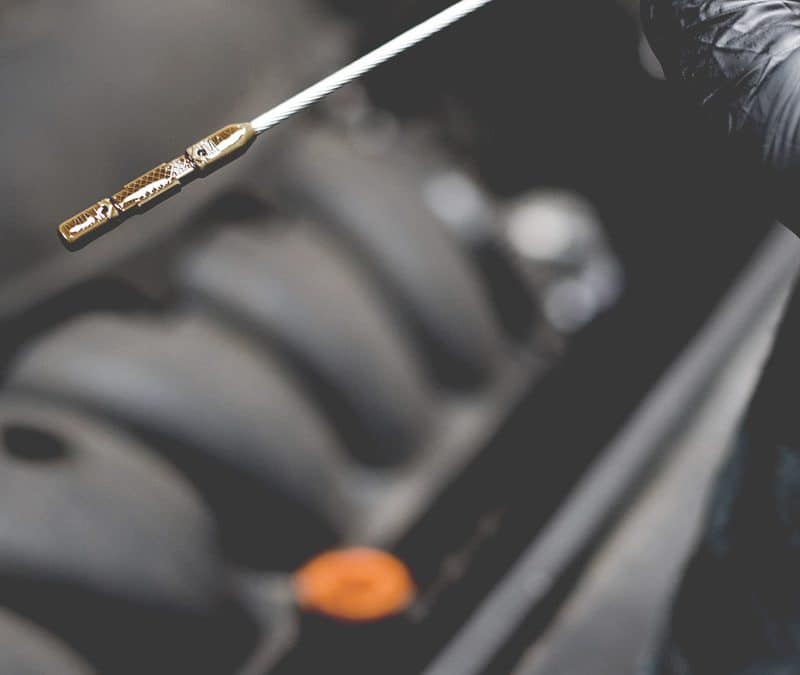
When it comes to keeping your vehicle running smoothly, few things are as important as regular maintenance. One often overlooked aspect of this is fuel system cleaning. Most drivers are aware of the basic maintenance tasks like oil changes and tire rotations, but the fuel system doesn’t always get the attention it deserves. By taking care of your car’s fuel system, you can avoid costly repairs and extend the lifespan of your vehicle.
Understanding the Fuel System
The fuel system of your vehicle plays a critical role in ensuring that your engine runs efficiently. It consists of several components, including the fuel tank, pump, filter, injectors, and lines. The job of this system is to store and deliver fuel to the engine while filtering out any impurities that could cause damage.
Over time, impurities such as dirt, debris, and carbon deposits can accumulate within the fuel system. These contaminants can hinder the performance of your vehicle and, if left unchecked, lead to significant engine problems. Regular fuel system cleaning helps prevent these issues by removing build-up and ensuring that your engine receives the clean fuel it needs to operate effectively.
Components Affected by Build-Up
- Fuel Injectors: When your fuel injectors become clogged, it can lead to inefficient fuel delivery, poor engine performance, and decreased fuel economy. Scheduling a fuel injector cleaning service can prevent these issues.
- Fuel Pump: A dirty fuel system can put extra stress on the fuel pump, leading to premature failure. Regular cleaning can help you avoid the need for a fuel pump replacement.
- Fuel Filter: A clogged fuel filter can restrict fuel flow to the engine, causing it to run poorly or not at all. Replacing the filter as part of routine maintenance can protect your engine.
Signs Your Fuel System Needs Cleaning
Recognizing the signs of a dirty fuel system can save you from costly repairs down the road. Here are some common symptoms that indicate it’s time to clean your fuel system:
- Decreased Fuel Efficiency: If you’re visiting the gas station more frequently, it might be due to poor fuel system performance.
- Engine Misfires: A dirty fuel system can cause your engine to misfire or hesitate during acceleration.
- Rough Idling: If your engine feels rough while idling, it could be due to fuel delivery issues.
- Check Engine Light: A check engine light can be triggered by a variety of issues, including a dirty fuel system. A diagnostic test can determine if this is the cause.
Real-World Scenarios
Consider a driver whose car has started to stutter and stall at traffic lights. After bringing the car to a trusted mechanic, they discover that the fuel injectors are clogged. With a simple fuel injector cleaning, the problem is resolved, and the car runs smoothly once again. This small maintenance task prevented more serious issues and saved the driver from expensive repairs.
Benefits of Regular Fuel System Cleaning
Regular fuel system cleaning offers numerous benefits that can keep your vehicle in top shape. Here are some advantages of maintaining a clean fuel system:
- Improved Performance: A clean fuel system ensures that your engine runs efficiently, providing better acceleration and smoother operation.
- Extended Engine Life: By preventing build-up and clogs, regular cleaning can help you avoid damage and extend the lifespan of your engine.
- Cost Savings: Regular maintenance can help you avoid costly repairs by catching small issues before they become major problems.
- Better Fuel Economy: A clean fuel system optimizes fuel delivery, leading to better gas mileage and savings at the pump.
Practical Tips for Maintenance
Incorporating regular fuel system cleaning into your vehicle maintenance routine is easier than you might think. Here are some practical tips to keep your fuel system in good condition:
- Use High-Quality Fuel: Opt for fuel from reputable stations to minimize contaminants entering your system.
- Follow Manufacturer Recommendations: Consult your vehicle’s manual for recommended maintenance intervals and follow them diligently.
- Get Professional Help: When in doubt, consult a professional mechanic for professional fuel system repair and cleaning services.
Long-Term Maintenance Strategies
For those with older vehicles or high-mileage cars, maintaining a clean fuel system is even more crucial. As vehicles age, they require more attention to continue running smoothly. Here are some strategies for managing high-mileage vehicle maintenance:
- Regular Inspections: Schedule routine inspections to catch potential issues early, such as the need to repair your alternator or other components.
- Comprehensive Services: Opt for high-mileage car services that include a thorough check of all vital systems, including fuel, electrical, and more.
- Address Issues Promptly: If you notice any signs of trouble, such as needing to repair your starter, address them immediately to prevent further damage.
Real-Life Example: High-Mileage Maintenance
A family with a ten-year-old sedan noticed a drop in fuel efficiency and occasional engine hesitation. By opting for a comprehensive high-mileage car service, they were able to clean the fuel system and perform necessary repairs, including a fuel pump replacement. This investment paid off by extending the life of their vehicle and improving performance.
Taking Action for Your Vehicle’s Health
Maintaining your vehicle’s fuel system is an investment in its longevity and performance. By scheduling regular cleanings and addressing issues early, you can avoid costly repairs and keep your car running smoothly for years to come. Whether it’s time for a fuel injector cleaning or you need professional fuel system repair, taking these steps can provide peace of mind.
Don’t wait until problems arise. Keep your vehicle in top condition by making fuel system maintenance a priority. For more information or to schedule a service, contact Sartorial Auto Repairs. We’re here to help you get the most out of your vehicle, without any unnecessary fuss or expense.
May 13, 2025 | Auto Repair, Oil Changes
When it comes to car maintenance, most people are familiar with the routine oil change. It’s one of those necessary tasks every vehicle owner knows about. But beyond just changing the oil, there are other crucial components that play a significant role in keeping your engine running smoothly—namely, the filters. Today, we’ll delve into why regular filter replacements are just as important as any oil change and how they contribute to optimal engine health.
Filters in your vehicle might not seem like a big deal, but they serve critical functions. They keep your engine protected from dirt, debris, and contaminants that could cause damage over time. Just like you wouldn’t want your coffee brewed with dirty water, your engine doesn’t perform well with dirty air or fuel. Understanding the importance of these often-overlooked components can help you maintain your car’s performance and extend its life.
While regular oil changes are vital, neglecting filter replacements can lead to more significant issues down the road. Let’s explore the different types of filters in your vehicle, their roles, and why consistent maintenance is essential to avoid costly repairs and ensure your ride remains smooth and dependable.
Understanding the Different Types of Filters
Your vehicle is equipped with several types of filters, each serving a unique purpose. These include the oil filter, air filter, fuel filter, and cabin filter. Each filter requires attention to keep your vehicle in top-notch condition.
Oil Filter
The oil filter works hand-in-hand with your engine oil. Its primary job is to remove contaminants from the oil before it circulates through the engine. This ensures that only clean oil lubricates the engine parts, reducing wear and tear. Regular replacement of the oil filter is typically part of your routine vehicle oil change. However, understanding its function highlights the importance of not skipping this step.
For instance, not changing the oil filter can lead to contaminated oil circulating through your engine, causing increased friction and potential damage. This could eventually lead to more severe problems, requiring you to get your engine diagnosed for potential issues.
Air Filter
An air filter ensures that clean air enters your engine. It catches dirt, dust, and debris, preventing them from entering the combustion chamber. A clogged air filter can lead to reduced engine performance and efficiency. Imagine trying to breathe through a clogged mask—that’s what it’s like for your engine with a dirty air filter.
Replacing the air filter as part of your factory scheduled maintenance can lead to noticeable improvements in engine performance and fuel efficiency. In extreme cases, a severely blocked air filter can cause the engine to misfire. If you experience such symptoms, an engine misfire diagnosis might be necessary to determine the cause.
Fuel Filter
The fuel filter is responsible for screening out dirt and rust particles from the fuel, ensuring that only clean fuel reaches the engine. Over time, a clogged fuel filter can restrict fuel flow, leading to poor engine performance or even stalling.
Imagine driving uphill, and suddenly your car starts sputtering. This could be due to a clogged fuel filter. Regularly replacing the fuel filter can prevent such scenarios and avoid the need for a more intensive fuel pump replacement.
Cabin Filter
While the cabin filter doesn’t directly affect engine performance, it plays a crucial role in keeping the air inside your car clean. It filters out dust, pollen, and other pollutants, ensuring that the air you breathe is fresh. If you notice a musty smell or reduced airflow from your vents, it might be time to replace the cabin filter.
Regularly changing the cabin filter not only improves air quality but also enhances the efficiency of your car’s heating and air conditioning system. This small step can make a big difference in your driving comfort.
Signs Your Filters Need Replacement
Recognizing the signs that your filters need replacement can save you from potential headaches down the line. Here are a few indicators that it might be time to swap out those old filters for new ones.
- Decreased fuel efficiency: If you notice that you’re filling up more often, a clogged air or fuel filter might be the culprit.
- Reduced engine power: A dirty air filter can cause sluggish acceleration.
- Unusual engine noises: Strange sounds could indicate that your oil filter is compromised, leading to engine knocking.
- Poor air quality inside the car: A musty odor or increased dust could be signs of a worn-out cabin filter.
Regular car inspections available at your local auto shop can help identify these issues early and prevent more severe problems.
Benefits of Regular Filter Replacements
The benefits of staying on top of your vehicle’s filter replacements are numerous. Let’s break down why you should make this a regular part of your car care routine.
- Improved engine performance: Clean filters help your engine run smoothly by ensuring a steady flow of clean air and fuel.
- Extended engine life: By reducing wear and tear on your engine parts, regular filter replacements can help extend the life of your vehicle.
- Enhanced fuel efficiency: Clean air and fuel filters contribute to better fuel economy, saving you money at the pump.
- Healthier cabin environment: Regularly replacing the cabin filter ensures the air inside your car is clean and fresh.
Incorporating filter replacements as part of your routine factory maintenance services can lead to long-term savings and a more reliable vehicle.
How Often Should You Replace Your Filters?
The frequency of filter replacements can vary based on your driving habits, environment, and vehicle make. However, there are general guidelines to follow to ensure your car remains in optimal condition.
Oil Filter Replacement
Typically, an oil filter should be replaced every time you get an oil change. This is usually every 3,000 to 5,000 miles, depending on your vehicle’s specifications and the type of oil used.
Air Filter Replacement
Replacing the air filter every 12,000 to 15,000 miles is a good rule of thumb. However, if you drive in particularly dusty or polluted areas, you might need to change it more frequently.
Fuel Filter Replacement
The fuel filter generally requires replacement every 20,000 to 30,000 miles. Again, this can vary based on your vehicle and driving conditions. Regular car inspections available can help determine the right interval for your vehicle.
Cabin Filter Replacement
For the cabin filter, every 15,000 to 25,000 miles is recommended. If you frequently drive in urban areas with high pollution, consider checking your cabin filter more often.
Consult your vehicle’s owner manual or a trusted mechanic for the most accurate advice tailored to your car. Regular factory scheduled maintenance can also help keep you on track with these replacements.
Conclusion: Keeping Your Engine Healthy
Regular filter replacements are a simple yet effective way to ensure your engine remains healthy and your vehicle performs at its best. By understanding the role of each filter and recognizing the signs that they need replacement, you can avoid more severe and costly issues down the line.
Consider incorporating filter checks and replacements into your routine car care, alongside other essential services like brake pad replacement services and battery testing services. This holistic approach to maintenance will not only enhance your driving experience but also extend the life of your vehicle.
For all your car maintenance needs, whether it’s filter replacements or more comprehensive services like check engine light diagnosis or brake rotor replacement, trust your local experts at Sartorial Auto Repairs. We’re here to ensure your ride is always in top condition, without the stress or hassle.

Apr 29, 2025 | Auto Repair, Tune-Ups
When it comes to keeping your vehicle running smoothly, regular engine tune-ups are an essential part of the process. Many folks might feel a little lost when it comes to understanding what exactly goes into an engine tune-up. It’s not just about getting under the hood and tweaking a few things; it’s about ensuring each component of your engine is working as it should. In this guide, we’ll break down the various components involved in an engine tune-up and why each one matters.
What Is an Engine Tune-Up?
Before diving into the specifics, it’s helpful to grasp what an engine tune-up entails. At its core, a tune-up is about preventive maintenance. It’s about making sure everything in your engine is in good shape and performing optimally. When you get your car serviced for a tune-up, the goal is to catch potential problems early and keep your car running efficiently.
A typical tune-up involves checking and replacing vital components such as spark plugs, air filters, and fuel filters. It also includes inspecting systems like the ignition and emissions to ensure they meet the required standards. This process can improve fuel economy, reduce emissions, and enhance overall engine performance.
Why Regular Tune-Ups Matter
Keeping up with regular tune-ups can save you a lot of headaches down the road. Most vehicles need a tune-up every 30,000 miles or so, but it’s always a good idea to check your owner’s manual for specifics. Regular tune-ups can prevent minor issues from becoming major repairs, saving you time and money in the long run.
Consider this: neglecting an engine tune-up could lead to poor fuel efficiency or even engine failure, which would require more extensive auto repair services. By staying on top of your tune-ups, you’re taking a proactive approach to your vehicle’s health.
Spark Plugs: Igniting the Engine
Spark plugs might be small, but they play a big role in your engine’s function. They ignite the air-fuel mixture in your engine’s cylinders, which is essential for starting your engine and keeping it running. Over time, spark plugs can wear out, leading to misfires, rough idling, and reduced fuel efficiency.
If you’re noticing that your car isn’t accelerating as smoothly as it used to or if it’s having trouble starting, it might be time to replace those spark plugs. It’s a simple fix that can make a world of difference in your vehicle’s performance.
Signs of Worn-Out Spark Plugs
Worn spark plugs can manifest through various symptoms. If your engine is misfiring or you’re experiencing difficulty starting the car, these could be indicators. Poor fuel economy is another sign, as inefficient combustion can lead to increased fuel consumption. If you’re experiencing any of these issues, it might be time to explore engines and diagnostics to get to the root of the problem.
Air Filters: Keeping Things Clean
Air filters are another crucial component of an engine tune-up. They keep dirt and debris from entering your engine, ensuring that only clean air makes it through. A clogged air filter can restrict airflow, which can lead to a variety of issues including decreased fuel efficiency and reduced engine performance.
Replacing your air filter regularly is a simple but effective way to keep your engine running smoothly. A clean air filter can improve acceleration and fuel economy, making it a worthwhile investment for any vehicle owner.
Real-World Impact of Clogged Air Filters
A clogged air filter can suffocate your engine, similar to trying to jog while breathing through a straw. If you’ve noticed a drop in horsepower or your car struggles to accelerate, the air filter might be the culprit. Regularly checking and replacing your air filter can prevent these issues and keep your car running smoothly.
Fuel Filters: Protecting Your Engine
Fuel filters play a pivotal role in protecting your engine from contaminants. They ensure that only clean fuel reaches your engine, free from dirt and debris that could cause damage. Over time, fuel filters can become clogged, which can lead to poor engine performance and even engine damage.
Replacing your fuel filter as part of a regular auto maintenance service can help prevent these issues. A clean fuel filter allows your engine to run more efficiently, improving overall performance and fuel economy.
Real-Life Consequences of a Clogged Fuel Filter
A clogged fuel filter can lead to a range of issues, from sluggish acceleration to stalling. If you suspect your fuel filter is clogged, it’s important to repair your fuel system before it leads to more significant problems. Keeping your fuel filter in good condition is an easy way to maintain your vehicle’s health.
Ignition System: Sparking Performance
The ignition system is responsible for starting your engine and keeping it running. It includes components like the distributor, ignition coil, and ignition wires. A malfunctioning ignition system can lead to starting problems, misfires, and reduced fuel efficiency.
Regularly checking your ignition system during a tune-up can help identify and fix issues before they lead to more significant problems. An efficient ignition system ensures that your engine starts smoothly and runs efficiently.
Ensuring a Reliable Ignition System
If you’re experiencing hard starts or frequent stalling, your ignition system might be to blame. Checking the ignition coil and wires for wear or damage can help prevent bigger issues down the road. Regular maintenance of your ignition system ensures your engine performs at its best.
Conclusion: Keeping Your Engine in Tip-Top Shape
Understanding the components involved in an engine tune-up and their importance can empower you to take better care of your vehicle. Regular tune-ups are crucial in maintaining your vehicle’s performance and longevity. By addressing issues early with engine diagnostics services, you can avoid costly repairs and keep your car running smoothly.
Whether it’s replacing worn spark plugs, changing out clogged filters, or checking your ignition system, each step plays a vital role in your vehicle’s health. When it’s time for a tune-up, don’t hesitate to reach out to us at Sartorial Auto Repairs. We’re here to help you get your car repaired and ensure it’s in the best shape possible. Remember, staying proactive with your vehicle maintenance can save you money and keep you safe on the road.
Apr 10, 2025 | Auto Repair, Drive Belts
When it comes to maintaining your car, understanding the wear and tear of different components is crucial. One such component that often gets overlooked is the drive belt. While it might not be the most glamorous part of your vehicle, the drive belt plays a vital role in keeping everything running smoothly. It’s responsible for powering essential components like the alternator, power steering pump, and air conditioning compressor. Recognizing the signs of wear and tear on your drive belt can save you from unexpected breakdowns and costly repairs down the road.
In this guide, we’ll walk you through the key indicators that it’s time to replace your drive belt. We’ll also share some practical tips on how to keep your vehicle in top shape. Whether you’re a car enthusiast or someone who just wants to keep their vehicle running reliably, this information will help you make informed decisions. Let’s dive in and explore the world of drive belt maintenance.
Understanding the Role of the Drive Belt
The drive belt, also known as the serpentine belt, is a critical component in your vehicle’s engine. It connects various engine accessories and ensures they function properly. Without a properly working drive belt, you could experience a range of issues, from loss of power steering to a failing alternator. The drive belt is typically made of durable rubber, but over time, it can wear out due to heat, friction, and general use.
Signs of a Worn Drive Belt
Recognizing the signs of a worn drive belt can prevent unexpected breakdowns. Here are some common indicators that you should consider replacing your drive belt:
- Squealing Noise: One of the most noticeable signs of a worn drive belt is a high-pitched squealing noise coming from the engine. This noise usually occurs when the belt slips or loses its grip on the pulleys. If you hear this sound, it’s time to have your belt inspected.
- Fraying or Cracks: Regularly inspect your drive belt for any visible signs of wear, such as fraying edges or cracks. A visual inspection can help you catch issues before they lead to a breakdown.
- Loss of Power Steering: A worn drive belt can cause your power steering to become less responsive or even fail completely. This makes maneuvering your vehicle difficult and unsafe.
- Battery Warning Light: If your drive belt is not functioning properly, it can affect the alternator’s ability to charge the battery. This can trigger the battery warning light on your dashboard. In such cases, it might also be wise to consider battery testing services to ensure the overall health of your vehicle’s electrical system.
How to Inspect Your Drive Belt
Regular inspections can help you catch drive belt issues early. Here’s how you can check your drive belt for signs of wear:
Visual Inspection
Start by visually inspecting the belt for any obvious signs of wear. Look for cracks, fraying, or glazing (a shiny appearance on the belt’s surface). If you notice any of these signs, it’s time to consider getting the belt replaced.
Check for Proper Tension
The drive belt should have the right amount of tension. You can check this by pressing down on the belt with your thumb. It should have a little give, but not too much. If it’s too loose or too tight, it might need adjustment or replacement.
Listen for Unusual Noises
As mentioned earlier, a squealing noise can indicate a problem with the drive belt. If you hear this sound, it’s essential to address it promptly. Ignoring it can lead to further damage and potentially more extensive repairs.
Scenarios When Drive Belt Replacement is Necessary
There are several situations where replacing the drive belt becomes necessary. Here are some real-world scenarios to consider:
High Mileage Vehicles
If your vehicle has high mileage, the drive belt is likely to be worn. It’s a good idea to replace it as part of your factory scheduled maintenance to avoid unexpected breakdowns. Regular maintenance on components like the drive belt is just as important as tasks like brake pad replacement services or fuel pump replacement.
Visible Damage or Wear
Even if your vehicle hasn’t reached a high mileage, visible damage or wear on the drive belt should prompt a replacement. Ignoring these signs can lead to more significant issues, much like neglecting to replace brake rotors when needed.
Old Belts
Drive belts are typically designed to last between 60,000 to 100,000 miles. However, environmental factors and driving conditions can shorten their lifespan. If your belt is nearing the end of this range, consider replacing it during your next car inspections available to avoid sudden failures.
Tips for Maintaining Your Drive Belt
Proper maintenance can extend the life of your drive belt and keep your vehicle running smoothly. Here are some tips to help you maintain your drive belt:
- Regular Inspections: Make it a habit to inspect your drive belt every few months or during routine vehicle oil change services. This will help you catch any potential issues early.
- Keep the Belt Clean: Dirt and debris can accelerate wear on the drive belt. Clean the belt and surrounding area regularly to prevent buildup.
- Address Any Issues Promptly: If you notice any signs of wear or damage, address them promptly. Waiting too long can lead to more severe problems.
- Schedule Regular Maintenance: As part of your factory maintenance services, include drive belt inspections and replacements when necessary. Routine maintenance can also help identify other potential issues, such as the need to get car electrical repair or replace your fuel pump.
Conclusion: Taking Action for a Smooth Ride
Understanding the wear and tear of your drive belt is an essential part of vehicle maintenance. By recognizing the signs of a worn drive belt and taking proactive steps to address them, you can ensure your vehicle runs smoothly and reliably. Whether it’s through regular inspections, maintaining proper tension, or scheduling necessary replacements, you have the tools to keep your car in top shape.
At Sartorial Auto Repairs, we’re here to help you with all your vehicle maintenance needs. From brake maintenance options to battery replacement options, we provide honest, straightforward service to keep your car running smoothly. Remember, a little attention to your drive belt today can save you from major headaches down the road.
Apr 3, 2025 | Auto Repair, Starters
Every driver knows the sinking feeling when you turn the key in the ignition, and instead of that reassuring engine rumble, you get… nothing. This frustrating scenario often points to a problem with your car’s starter. Understanding starter failure and spotting the warning signs early can save you from being stranded and potentially facing more costly repairs. Let’s dive into what you need to know about your car’s starter and how to keep it in good working order.
What is a Starter and Why Does It Fail?
The starter in your car is a small but mighty motor that initiates the engine’s operation. When you turn the ignition key or press the start button, the starter receives power from your battery and turns the engine over, getting it running. Without a functioning starter, your car won’t start, plain and simple.
Starter failure can occur for several reasons:
- Wear and Tear: Like any mechanical part, starters wear out over time, especially if you frequently start and stop your vehicle.
- Electrical Issues: Problems with the wiring, fuses, or relays can prevent the starter from receiving the power it needs to operate.
- Faulty Solenoid: The solenoid is a critical part of the starter system. If it fails, the starter won’t engage the engine.
- Battery Problems: Sometimes, what seems like a starter issue is actually a problem with the battery or charging system.
By understanding these common causes, you can better identify when your starter might be on its way out and when it’s time to seek auto repair services.
Warning Signs of a Failing Starter
Recognizing the early warning signs of starter failure can keep you from being caught off guard. Here are some symptoms to watch out for:
Grinding Noise
If you hear a grinding noise when starting your car, it could mean that the starter drive gear is worn out or not engaging properly. This noise is similar to when you accidentally turn the ignition key when the engine is already running. Ignoring this sound can lead to more severe damage, so it’s wise to get your car repaired if you notice this issue.
Engine Cranking Slowly
A starter that’s on its last legs may cause your engine to crank slowly. This sluggish response usually indicates that the starter motor is struggling to get the engine going. While a weak battery can also cause slow cranking, if your battery is in good shape, it’s time to explore engines and diagnostics to pinpoint the problem.
No Response When Turning the Key
Turning the key and hearing nothing at all is a classic sign of starter trouble. This symptom can be caused by a dead battery, but if your battery is charged, the starter might be the culprit. In this case, you should consider auto electrical repair to resolve the issue.
Intermittent Starting Problems
Does your car start sometimes and then refuse at other times? Intermittent starting issues can indicate a failing starter. Such problems are often due to loose or corroded connections in the starter circuit. It’s essential to act before the issue becomes a permanent failure.
Real-World Scenarios: When Starter Problems Occur
Imagine you’re in a hurry to get to work and your car won’t start. You try several times, but all you hear is a clicking noise. This scenario is a typical result of a faulty starter solenoid. If you find yourself in this situation, it’s best to fix your auto electronics and get the solenoid checked.
Another common situation is experiencing a slow start on a cold morning. Often, car owners assume the battery is the issue, but if the battery is relatively new, the starter might be struggling with the cold. In such cases, it’s beneficial to learn about engine diagnostics to identify the true cause.
Picture yourself on a road trip, and the car suddenly refuses to start after a quick pit stop. The starter might be overheating, especially if it’s been overworked. Taking a break and allowing the starter to cool down might help temporarily, but you’ll eventually need to address the underlying problem.
Prevention and Maintenance Tips
Preventing starter failure involves regular maintenance and being attentive to your vehicle’s needs. Here are some practical steps you can take:
- Regular Inspections: During scheduled maintenance, have your starter and associated electrical components checked. This preventive measure can catch issues before they lead to failure.
- Keep Connections Clean: Corroded or loose connections can impede the starter’s performance. Clean and secure these connections to ensure efficient operation.
- Battery Health: A healthy battery supports your starter. Consider schedule oil change appointments that include battery checks to avoid surprises.
- Limit Short Trips: Frequent short trips can wear down your starter faster. When possible, combine errands to reduce the number of starts.
By following these tips, you can extend the life of your starter and reduce the chance of unexpected failures.
When to Seek Professional Help
While it’s great to be proactive, some starter issues require professional attention. If you experience persistent problems, don’t hesitate to get your car serviced. A professional mechanic can perform comprehensive diagnostics and recommend the best course of action.
If you’re not sure whether your starter is the problem, seeking expert advice can save you time and money in the long run. Here at Sartorial Auto Repairs, we understand the importance of reliable vehicle performance. Our experienced technicians are ready to help with all your vehicle electrical services needs, ensuring your car starts smoothly every time.
Starter issues can be frustrating, but with a little knowledge and attention, you can prevent them from disrupting your day. Remember to listen to what your car is telling you and take action when needed. Whether you’re dealing with a grinding noise or a non-responsive ignition, addressing the problem sooner rather than later will keep you on the road and out of the shop. If you’re ever in doubt, our team is here to help keep your vehicle running reliably. Let’s keep your car in top shape together.

Mar 5, 2025 | Auto Repair, Tune-Ups
When most people think of an engine tune-up, their minds often jump to changing spark plugs and filters. While these components are indeed vital, a comprehensive engine tune-up involves much more than that. Understanding all the elements that go into a thorough tune-up can help you keep your car running smoothly and efficiently for years to come. Let’s dive into the various components and explore why a complete tune-up is essential for your vehicle’s health.
The Basics of a Comprehensive Engine Tune-Up
A thorough engine tune-up goes beyond the usual suspects of spark plugs and filters. It involves several key components that ensure your engine runs at its best. By addressing these elements, you can improve fuel efficiency, reduce emissions, and prolong the lifespan of your vehicle.
Ignition System Check
The ignition system is responsible for starting your engine and keeping it running. Over time, components like the ignition coil, distributor cap, and rotor can wear out, leading to poor performance. During a tune-up, these parts should be inspected and replaced if necessary. By ensuring your ignition system is in top shape, you can avoid misfires and improve fuel economy.
- Real-world example: Imagine you’re driving on the highway, and your car starts to stutter. After a diagnostic check, you find that the ignition coil is failing. Replacing this component during a tune-up could have prevented this issue.
Fuel System Inspection
The fuel system is crucial for delivering the right amount of fuel to the engine. A comprehensive tune-up includes checking the fuel pump, fuel injectors, and fuel filter. If these components are clogged or malfunctioning, your engine may not receive the proper fuel mixture, leading to poor performance and increased fuel consumption.
- Real-world example: You notice that your car isn’t accelerating as smoothly as it used to. During a tune-up, the technician discovers that the fuel injectors are clogged. A simple cleaning restores the engine’s performance.
Exhaust System Evaluation
The exhaust system plays a significant role in reducing emissions and maintaining engine efficiency. During a tune-up, the exhaust manifold, catalytic converter, and oxygen sensors should be inspected. Any leaks or malfunctions can lead to increased emissions and reduced engine performance. Installing protective catalytic converter covers can also help prevent theft and damage.
- Real-world example: Your car fails an emissions test due to a faulty oxygen sensor. Replacing this component during a tune-up not only helps you pass the test but also improves your engine’s efficiency.
Belts and Hoses Examination
Belts and hoses are often overlooked, yet they are essential for your engine’s operation. A thorough tune-up should include checking the serpentine belt, timing belt, and all hoses for wear and tear. Replacing these components before they fail can prevent breakdowns and costly repairs.
- Real-world example: While getting your car serviced, the mechanic notices that the serpentine belt is starting to crack. Replacing it during the tune-up prevents a future breakdown on the road.
The Role of Regular Tune-Ups in Vehicle Health
Regular tune-ups are an integral part of car maintenance options. They ensure your vehicle runs smoothly and efficiently, preventing minor issues from becoming major problems. By scheduling regular tune-ups, you can extend the lifespan of your car and maintain its resale value.
Preventative Maintenance
Preventative maintenance is the key to keeping your vehicle in top condition. Regular tune-ups allow you to catch potential issues early, saving you time and money in the long run. Whether it’s getting your oil changed or checking your brakes, these small actions make a big difference.
- Real-world example: During a routine tune-up, the mechanic finds a small leak in the radiator. Fixing it now prevents the engine from overheating in the future.
Improved Fuel Efficiency
A well-maintained engine runs more efficiently, which translates to better fuel economy. By ensuring all components are in good working order, you can save money on gas and reduce your carbon footprint.
- Real-world example: After a comprehensive tune-up, you notice that your car’s fuel mileage improves. This is due to optimized engine performance and a clean fuel system.
Choosing the Right Auto Repair Shop for Your Tune-Up
Not all auto repair services are created equal. When choosing a shop for your tune-up, it’s crucial to find a place that you can trust. Look for a repair shop with experienced technicians who take the time to explain what’s needed and what can wait.
Honest and Transparent Service
At Sartorial Auto Repairs, we believe in providing honest and transparent service. We understand that auto repairs can be daunting, so we take the time to educate our customers. We’ll let you know exactly what your car needs and why, without upselling unnecessary services.
- Real-world example: You bring your car in for a tune-up, and the mechanic explains that while the spark plugs are still good, the air filter needs replacing. This honest assessment builds trust and ensures you’re only paying for necessary repairs.
Comprehensive Diagnostics
When you explore engines and diagnostics, you’re taking the first step toward understanding your vehicle’s health. A reputable shop will offer comprehensive diagnostics to identify any underlying issues that may not be immediately apparent.
- Real-world example: After noticing a slight decrease in performance, you take your car in for engine diagnostics services. The detailed report reveals a minor issue with the mass airflow sensor, which is quickly resolved.
Taking Action for Your Vehicle’s Health
Understanding the comprehensive components of an engine tune-up empowers you to make informed decisions about your vehicle’s maintenance. Regular tune-ups not only keep your car running smoothly but also prevent costly repairs down the road. If you’re due for a tune-up or have noticed any changes in your car’s performance, it’s time to get your car serviced. Reach out to a trusted auto repair shop and schedule a tune-up today. Your vehicle—and your wallet—will thank you.

Feb 18, 2025 | Auto Repair, Clutch Systems
When you’re behind the wheel, you want everything to feel just right. Smooth shifting gears, responsive acceleration, and no strange noises. But if your clutch starts acting up, it can throw a wrench into your driving experience. Understanding the common signs of a failing clutch is essential for maintaining your vehicle’s performance and safety. Let’s walk through what you should look out for to keep your car in top shape.
Recognizing the Signs of a Failing Clutch
The clutch in your vehicle plays a critical role in transferring power from the engine to the wheels. When it starts to fail, you’ll notice some clear signals. Being aware of these signs can help you avoid more significant, costly repairs down the road.
Slipping Clutch
A slipping clutch is often the first sign of trouble. You might notice the engine revving higher than usual without a corresponding increase in vehicle speed. This occurs because the clutch is not fully engaging, causing a loss of power. Slipping can happen intermittently or become a constant issue over time.
- Example: You’re driving uphill, and despite pressing the accelerator, the car doesn’t seem to gain speed as it should. Instead, the engine races while the car lags behind.
If you experience clutch slipping, it’s wise to consult with a mechanic who can perform a comprehensive check. During routine car inspections available, this issue can often be detected early.
Difficulty Shifting Gears
Another common sign of a failing clutch is difficulty shifting gears. You may find it hard to move the gear stick, or the gears might grind as you shift. This usually indicates that the clutch is not disengaging properly.
- Example: Attempting to shift from first to second gear feels like wrestling with the gear stick, and you hear a grinding noise.
Difficulty in shifting gears can lead to more significant transmission problems if not addressed promptly. If this sounds familiar, it might be time to consider a brake inspection service to ensure everything is functioning correctly.
Unusual Noises
Strange noises can be unsettling, especially when they come from under the hood. A failing clutch often manifests as a squealing or chirping noise when the clutch pedal is pressed. This could be due to a worn clutch release bearing or other associated components.
- Example: You hear a high-pitched squeal whenever you press the clutch pedal, which stops when you release it.
These noises are not only annoying but also indicative of potential clutch problems. It’s advisable to address this during your next vehicle oil change or inspection to prevent further damage.
Understanding the Causes Behind Clutch Failure
Knowing what causes clutch issues can help you prevent them. While some aspects are beyond your control, many causes stem from driving habits and maintenance practices.
Worn Clutch Disc
The clutch disc is subject to wear and tear over time. Frequent stop-and-go traffic, riding the clutch, or aggressive driving can accelerate this wear.
- Example: Constantly driving in heavy city traffic where you have to frequently engage and disengage the clutch can lead to faster wear.
Regular maintenance, including brake maintenance options, can help extend the life of your clutch disc by ensuring all related components are in good condition.
Hydraulic System Leaks
The hydraulic systems in modern vehicles support the clutch’s operation. Leaks in this system can lead to a soft or spongy clutch pedal, making it difficult to engage the clutch fully.
- Example: You notice a puddle under your car and find the clutch pedal feels softer than usual.
Addressing hydraulic leaks promptly with the help of professional brake repair can prevent further issues and maintain clutch performance.
Misalignment
Clutch misalignment can result from improper installation or wear in associated components. This can cause uneven wear on the clutch disc and lead to premature failure.
- Example: After a recent clutch replacement, you notice the gears are harder to shift, indicating potential misalignment.
Ensuring that your clutch is installed correctly and checking alignment during routine maintenance can prevent such issues.
Preventative Measures and Maintenance Tips
Keeping your clutch in good condition involves a mix of proper driving techniques and regular maintenance checks. Here’s how you can extend the life of your clutch.
Adopt Good Driving Habits
Your driving habits significantly impact the lifespan of your clutch. Avoid riding the clutch, use the parking brake on inclines, and shift gears smoothly to reduce wear.
- Example: When waiting at a stoplight, put your car in neutral instead of keeping the clutch pedal pressed.
These small changes can make a big difference over time, reducing the frequency of needing to replace brake pads and other clutch-related repairs.
Regular Inspections
Regular inspections can catch early signs of clutch wear before they become significant issues. During a vehicle oil change, ask your mechanic to check the clutch and related systems.
- Example: Scheduling a routine check-up every few months can help identify potential problems with the clutch or other systems.
Consistent maintenance can help avoid more severe issues that require extensive repairs.
Prompt Repairs
Addressing clutch issues promptly can prevent further damage. If you notice any of the signs mentioned earlier, it’s best to get it checked right away.
- Example: After noticing a slipping clutch, you schedule a repair before it leads to transmission damage.
Regular visits to your mechanic for brake rotor replacement and inspections can ensure all parts of your vehicle remain in optimal condition.
Next Steps for Ensuring a Healthy Clutch
Understanding the signs of a failing clutch and taking preventative measures can save you time, money, and stress. Pay attention to how your vehicle performs and don’t hesitate to seek professional advice. At Sartorial Auto Repairs, we’re here to help with honest assessments and quality repairs. Whether you need car wiring solutions, clutch inspections, or any other service, we’re ready to assist. Keep your vehicle running smoothly and safely by staying informed and proactive about its maintenance needs. Reach out to us for your next check-up and experience the peace of mind that comes with expert care.

Dec 5, 2024 | Auto Repair
Understanding the ins and outs of your vehicle’s transmission can feel like a daunting task, especially when it comes to the various types of transmission fluid available. Whether you’re a seasoned car enthusiast or someone who just wants to ensure their ride stays in top shape, knowing about transmission fluid types and when to change them is crucial. In this guide, we’ll cut through the confusion and offer straightforward advice on what you need to know about transmission fluids, including real-world examples and practical tips. By the end, you’ll feel confident about maintaining your vehicle’s transmission, whether it’s through regular checks or getting a professional to handle it.
Types of Transmission Fluid
Transmission fluid is the lifeblood of your vehicle’s transmission system, providing the necessary lubrication and cooling to keep everything running smoothly. There are several types of transmission fluid, each designed for specific types of transmissions. Choosing the right one is essential for optimal performance and longevity.
Automatic Transmission Fluid (ATF)
Automatic Transmission Fluid, or ATF, is used in vehicles with automatic transmissions. It’s formulated to ensure smooth gear shifts and to protect the transmission system from wear and tear. ATF comes in different varieties, each tailored to specific transmission requirements. For instance, Dexron and Mercon are common types of ATF used in many vehicles. It’s important to check your owner’s manual to determine the correct type for your car.
- Dexron: Often used in General Motors vehicles, this fluid provides excellent lubrication and heat resistance.
- Mercon: Typically found in Ford vehicles, Mercon offers similar protection and performance as Dexron.
Using the wrong type of ATF can lead to subpar performance or even damage. If you’re unsure, it’s wise to schedule transmission check to ensure you’re using the right fluid for your vehicle.
Manual Transmission Fluid
Manual transmissions have different fluid needs compared to their automatic counterparts. The fluid used in manual transmissions is often thicker, providing better protection to the gears and other components.
Common types of manual transmission fluids include:
- Gear Oil: Typically thicker, gear oil provides the necessary protection for the gears in manual transmissions. It usually comes in grades like 75W-90, indicating its viscosity and performance at different temperatures.
- Engine Oil: In some cases, engine oil is used in manual transmissions. It’s critical to refer to your vehicle’s manual to confirm if this is appropriate for your car.
Manual transmission vehicles often require less frequent fluid changes, but it’s still crucial to keep an eye on the fluid’s condition. Regular checks can help you catch any potential issues early.
Continuously Variable Transmission (CVT) Fluid
Continuously Variable Transmissions, or CVTs, require a specific type of fluid designed to handle the unique demands of these systems. CVT fluid is typically thinner and more refined to accommodate the seamless shifting that CVTs are known for.
Using the correct CVT fluid is vital, as the wrong type can cause significant damage. Always consult your owner’s manual or a trusted mechanic to ensure you’re using the right fluid for a CVT system.
When to Change Your Transmission Fluid
Knowing when to change your transmission fluid can help prevent costly repairs and extend the life of your vehicle’s transmission. While the exact timing can vary based on your vehicle and driving habits, there are general guidelines to follow.
Automatic Transmission Fluid Changes
For automatic transmissions, it’s often recommended to change the fluid every 30,000 to 60,000 miles. However, if you frequently tow heavy loads or drive in stop-and-go traffic, you might need to change it more often. Keep an eye on the fluid’s color and smell; if it appears dark or has a burnt smell, it’s time for a change.
Manual Transmission Fluid Changes
Manual transmissions typically require fluid changes less frequently. A general rule of thumb is to change the fluid every 30,000 to 60,000 miles, similar to automatic transmissions. However, always check your vehicle’s manual for specific guidance. If you notice difficulty in shifting or noise from the transmission, it might be time for a fluid change.
CVT Fluid Changes
CVT transmissions often require more frequent fluid changes due to their unique design. It’s typically recommended to change the fluid every 25,000 to 30,000 miles. Failing to do so can lead to decreased performance and potential damage. Regular checks are crucial to maintaining a CVT system.
If you’re unsure about when to change your fluid, consulting with a professional for transmission maintenance tips can provide clarity and peace of mind.
Signs You Need to Change Your Transmission Fluid
It’s not always easy to tell when your transmission fluid needs changing, but there are several signs to watch for. Recognizing these early can save you from more significant problems down the road.
Unusual Noises
If you hear grinding or whining noises coming from your transmission, it might be a sign that your fluid is old or contaminated. Fresh transmission fluid can help lubricate the system and reduce these noises.
Slipping Gears
Slipping gears can indicate that your transmission fluid is low or degraded. When the fluid isn’t doing its job, the transmission may struggle to stay in gear. This can be a safety concern, so addressing it promptly is essential.
Delayed Shifting
Experiencing delays when shifting gears can be another sign of old or insufficient transmission fluid. The fluid helps facilitate smooth gear transitions, and any delay can point to a needed change.
Regularly checking your transmission fluid can help catch these issues early. If you’re not comfortable doing it yourself, you can always get transmission service from a trusted mechanic.
Additional Tips for Transmission Care
Aside from changing your transmission fluid, there are other ways to care for your vehicle’s transmission. These practices can help extend the life of your transmission and improve overall performance.
Regular Inspections
Regular inspections can help catch potential issues before they become major problems. This includes checking for leaks, ensuring the fluid levels are adequate, and monitoring the fluid’s condition. It’s a good practice to include these checks in your routine vehicle maintenance.
Use the Right Fluid
Using the correct transmission fluid is crucial. Different transmissions require specific fluids, and using the wrong one can lead to damage. Always refer to your owner’s manual or consult with a professional if you’re unsure.
Mind Your Driving Habits
Your driving habits can significantly impact your transmission’s health. Avoid aggressive driving, such as rapid acceleration and hard braking, as these can place unnecessary strain on the transmission. Driving smoothly and maintaining a steady speed can help prolong your transmission’s life.
Schedule Professional Check-Ups
While it’s possible to handle some transmission maintenance yourself, scheduling regular professional check-ups is wise. A trained mechanic can offer insights and perform more detailed inspections, ensuring everything is in top shape.
Conclusion
Understanding the different types of transmission fluid and knowing when to change them is an essential part of vehicle maintenance. By staying informed and proactive, you can ensure your transmission continues to perform optimally for years to come. Whether it’s through regular checks, using the right fluid, or adjusting your driving habits, every bit helps. If you’re ever in doubt, don’t hesitate to reach out for professional advice or schedule transmission check at a trusted auto repair shop. Taking these steps will keep your car running smoothly and give you peace of mind on the road.
Nov 28, 2024 | Auto Repair, Car Maintenance
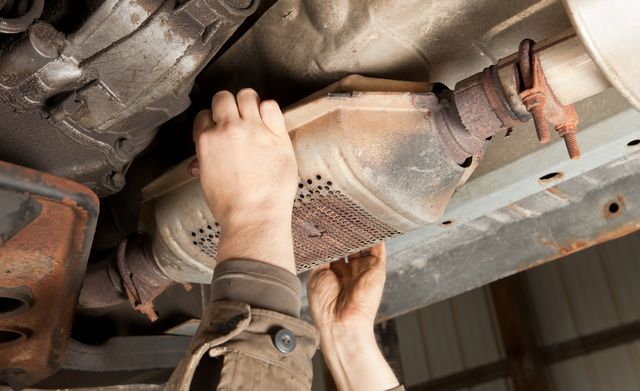
There’s a lot that goes into keeping your car running smoothly. Some folks might think about oil changes or tire rotations, but there are other repairs that often slip under the radar. These overlooked fixes might not seem urgent, but ignoring them could lead to bigger problems down the road. Let’s dive into three car repairs you shouldn’t skimp on, giving you the peace of mind you deserve when you’re on the road.
Brake System Maintenance
Brakes are one of those things you don’t really think about until they stop working like they should. But trust me, your brakes do a lot more than just stop your car. They play a huge role in keeping you and everyone else on the road safe. Regular brake maintenance options are essential, and here’s why.
Understanding the Importance of Brakes
Your brake system includes several components, such as pads, rotors, and calipers. Over time, these parts wear down and need replacement. If you neglect them, you could hear squealing or grinding noises, or even worse, experience reduced braking power. That’s not a risk you want to take.
- Brake Pads: These are designed to wear out over time. If you don’t replace brake pads on time, you risk damaging the rotors, which can be a costly fix.
- Rotors: Warped or damaged rotors affect braking efficiency. Regular checks can prevent expensive overhauls.
- Fluid Levels: Brake fluid is often overlooked but is crucial for transferring the force from your pedal to the brakes. Low or old fluid can lead to brake failure.
Real-World Scenario
Consider Jane, who noticed a squeal every time she pressed the brakes. She put off checking it out, thinking it was minor. Eventually, her brakes failed while driving downhill, causing a minor accident. If Jane had considered professional brake repair at the first sign of trouble, she could have avoided a dangerous situation and an expensive repair bill.
Electrical System Repairs
The electrical system in your car might not get much attention until something goes wrong, like when your car won’t start or your lights flicker. But getting car electrical repair or car wiring solutions should be part of your routine maintenance plan.
Why Electrical Repairs Matter
Your car’s electrical system is like its nervous system, controlling everything from the engine to the lights. If it’s not working properly, you could experience a range of issues, from inconvenience to downright danger.
- Battery: A weak or dead battery is the most common electrical problem. Regular checks can prevent getting stranded.
- Alternator: This component charges your battery and powers your electrical system while driving. If it fails, you could end up with a dead battery. Regular alternator repair services can keep your vehicle running smoothly.
- Starter: If your car doesn’t start, a faulty starter could be the reason. Knowing when to repair your starter can save you from unexpected breakdowns.
Real-World Scenario
Take Mike, for instance. He noticed his dashboard lights were dimmer than usual but brushed it off. One day, his car wouldn’t start in a parking lot, leaving him stranded. Had Mike sought car wiring solutions earlier, he could have avoided the hassle and cost of towing his car to the shop.
Fuel System Repairs
Your car’s fuel system is responsible for storing and supplying fuel to the engine. It’s crucial for the efficient operation of your vehicle. Ignoring signs that you need to get your fuel system fixed can lead to poor performance and higher fuel consumption.
The Role of the Fuel System
The fuel system includes the fuel tank, fuel pump, injectors, and filters. Each component needs to work correctly to ensure your car gets the right amount of fuel at the right time.
- Fuel Pump: If your car hesitates or stalls, it might be due to a failing fuel pump. Regular checks can prevent these issues.
- Fuel Injectors: Clogged injectors can lead to poor engine performance and increased emissions.
- Filters: Fuel filters keep debris out of your engine. Replacing them as recommended can prevent costly repairs.
Real-World Scenario
Consider Sarah, who ignored the warning signs of a failing fuel pump. Her car stalled on a busy highway, creating a dangerous situation. If she had opted for professional fuel system repair when she first noticed the problem, she could have avoided the stress and potential danger.
Keeping Your Car in Top Shape
Taking care of these often-overlooked repairs can make a big difference in your car’s performance and safety. Regular vehicle oil change and car inspections available at your local shop can help catch these issues before they become serious problems.
Remember, your car is an investment. By taking care of these crucial repairs, you’re not just extending the life of your vehicle, but also ensuring your safety and the safety of others on the road. Whether it’s time to replace brake pads, repair your alternator, or get starter repaired, it’s always better to be proactive.
So, the next time you’re thinking about skipping a repair or maintenance check, pause and consider the potential consequences. After all, a little attention now can save you a lot of trouble later. If you’re unsure where to start, feel free to reach out to a trusted mechanic who can guide you through the process, ensuring your car remains reliable and safe.
Aug 20, 2024 | Auto Repair, Emissions
Car idling might seem like a minor issue, especially when you’re waiting in line at a drive-thru or warming up your vehicle on a cold morning. However, the cumulative impact of idling can be significant, both for your vehicle and the environment. Many drivers are unaware of how idling contributes to increased emissions and fuel consumption. Understanding this can help you make more informed choices about your driving habits, potentially saving money and reducing your carbon footprint.
Understanding Idling and Its Impact
Idling occurs when your car’s engine is running but the vehicle is not moving. This might happen more often than you realize, during quick stops or while waiting for someone. It might feel harmless, but idling consumes fuel and emits pollutants without offering any benefit of moving you closer to your destination.
Fuel Consumption and Costs
While idling, your car can burn up to half a gallon of fuel per hour, depending on the engine size and whether you have the air conditioning running. This might not seem like much, but think about how often you let your car idle throughout the week. Those few minutes here and there add up over time, leading to unnecessary fuel expenses.
Besides wasting fuel, prolonged idling can also lead to increased wear and tear on your engine. This could mean more frequent visits for factory scheduled maintenance and even more complex repairs down the line. Reducing idling time is a simple way to extend the life of your engine and save money on repairs.
Environmental Impact
Idling contributes significantly to air pollution. When your car is idling, it releases a mixture of carbon dioxide (CO2), carbon monoxide (CO), and other harmful pollutants. These emissions not only degrade air quality but also contribute to climate change by increasing greenhouse gases in the atmosphere.
For example, if every driver reduced their idling by just five minutes a day, the cumulative effect could result in a substantial reduction of CO2 emissions nationwide. This small change can have a big impact on our environment, promoting cleaner air and a healthier planet.
Effect on Vehicle Components
Regular idling can affect various components of your vehicle, leading to increased wear and potential failures. For instance, prolonged idling can cause spark plugs to wear out faster, which might lead you to get your battery tested more frequently due to inefficient combustion.
Additionally, excessive idling can strain your car’s exhaust system, especially the catalytic converter. This is because idling can result in incomplete combustion, leaving unburned fuel residues that could clog and damage this crucial component. Consider looking into catalytic converter shield installation to protect against damage and potential theft.
Strategies to Reduce Idling
Reducing idling is not just a benefit to the environment but also a step toward better vehicle maintenance. Here are some practical strategies you can adopt to minimize idling time:
Turn Off the Engine
Whenever you expect to be stopped for more than a minute, it’s a good practice to turn off your engine. Modern vehicles are designed to handle frequent restarts, and the minimal fuel used in restarting is much less than the amount consumed while idling. This is particularly important if you’re waiting for someone or in a long drive-thru line.
Warm Up Your Vehicle Wisely
Many people idle their cars to warm them up before driving, especially in cold weather. However, modern engines are designed to warm up more efficiently when the car is in motion. Instead of idling, start driving gently to allow the engine to reach its optimal temperature quicker, which is beneficial for the engine and reduces fuel consumption.
Use Technology to Help
Many newer vehicles come equipped with start-stop systems that automatically turn off the engine when the car is stationary and restart it when you’re ready to move. If your car has this feature, make sure it’s activated. For older cars, consider using a timer to remind yourself to turn off the engine if you anticipate being stationary for a while.
Real-World Scenarios: How Idling Affects Different Drivers
Different driving habits and circumstances can influence how idling impacts vehicle health and emissions. Here are some examples:
Urban Commuters
City drivers often face stop-and-go traffic, which can lead to significant idling time. If you’re frequently caught in traffic jams, consider adjusting your schedule to avoid peak hours. Alternatively, you could explore carpooling to reduce the number of vehicles on the road, which can decrease overall emissions and fuel use.
Delivery Drivers
For those in delivery or courier services, idling is a common occurrence during pickups and drop-offs. While it might seem necessary to keep the engine running, implementing a policy of turning off the engine during deliveries can lead to substantial fuel savings and reduced emissions over time.
Parents Waiting at School
Parents often idle their cars while waiting for their children at schools or extracurricular activities. By turning off the engine and stepping out of the car, you can reduce emissions and promote a healthier environment for your children. It also sets a good example of environmentally conscious behavior.
Maintaining Your Vehicle to Reduce Idling Effects
Regular maintenance can help mitigate some of the negative effects associated with idling. Here are some key services to consider:
Brake Pad and Rotor Maintenance
Frequent idling and stop-and-go traffic can wear down your brakes faster. Regular brake pad replacement services and brake rotor replacement can ensure your vehicle maintains optimal braking performance.
Battery and Electrical Checks
Idling can strain your vehicle’s battery and electrical system. Regular battery testing services can help you avoid unexpected failures. Consider scheduling checks for your car’s wiring and electrical components to ensure everything is in working order.
Fuel System and Pump Attention
Idling can lead to carbon buildup in your engine, affecting the fuel system. Regular fuel pump replacement and professional fuel system repair can help keep your engine running smoothly and efficiently.
Take Action to Reduce Idling
While idling might seem insignificant, its impact on your vehicle and the environment is substantial. By adopting simple practices like turning off your engine when stationary, warming up your car efficiently, and maintaining your vehicle, you can contribute to a healthier planet and enjoy a more cost-effective driving experience.
At Sartorial Auto Repairs, we’re here to help you with all your vehicle maintenance needs. Whether you need advice on reducing idling effects or require factory scheduled maintenance, our experienced team is ready to assist. Make an appointment today and let us help you keep your car running efficiently and cleanly.

