

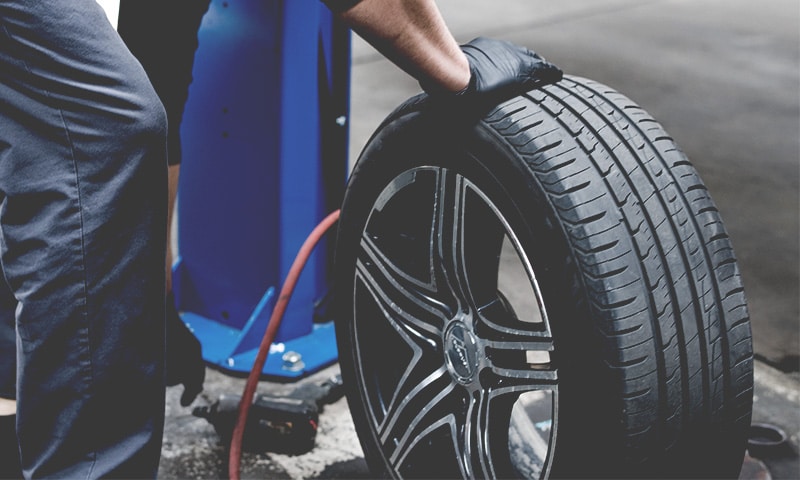
The Importance of Rotating Your Tires: What Every Car Owner Needs to Know

The Importance of Rotating Your Tires: What Every Car Owner Needs to Know

Introduction to Renewable Energy

Renewable energy is a critical component in the transition toward a sustainable future. It encompasses various energy sources that are naturally replenished, such as solar, wind, hydroelectric, geothermal, and biomass. These sources are pivotal in reducing dependency on fossil fuels, which are finite and contribute significantly to environmental pollution.

With the global demand for energy rising, understanding and implementing renewable energy solutions becomes increasingly essential. The shift towards renewables is not just an environmental imperative but also an economic opportunity, offering potential for job creation and technological innovation.

Types of Renewable Energy

Solar Energy

Solar energy harnesses the power of the sun through photovoltaic cells or solar thermal collectors. Photovoltaic (PV) systems convert sunlight directly into electricity, which can be used immediately or stored in batteries for later use. Solar thermal systems, on the other hand, use sunlight to heat a fluid, which then produces steam to drive a turbine and generate electricity.

In practical terms, solar energy is often used for residential power supply. Homeowners can install solar panels on rooftops to reduce electricity bills and carbon footprints. On a larger scale, solar farms are developed in areas with high solar insolation to supply power to the grid. Countries like Germany and China have heavily invested in solar technology, making it a significant part of their energy mix.

Wind Energy

Wind energy is generated using wind turbines that convert the kinetic energy of wind into mechanical power. This mechanical power can then be converted into electricity through a generator. Wind farms, which consist of numerous wind turbines, are commonly located in areas with strong and consistent wind patterns, such as coastal regions and open plains.

Wind energy has seen vast improvements in efficiency and cost-effectiveness over the past decade. Offshore wind farms are becoming increasingly popular due to stronger and more reliable wind currents at sea, despite higher initial costs. Countries like Denmark and the United States have pioneered in wind energy, demonstrating its viability as a large-scale power source.

Hydroelectric Power

Hydroelectric power is derived from the movement of water. Typically, a dam is built on a large river to store water in a reservoir. When the water is released, it flows through turbines, generating electricity. This method is one of the oldest and most established forms of renewable energy.

Aside from large-scale dams like the Hoover Dam in the United States, small-scale hydroelectric systems are also used in rural or remote areas to provide local electricity supply. These micro-hydro systems are particularly valuable in developing countries where grid electricity is not readily available.

Geothermal Energy

Geothermal energy exploits the heat from beneath the Earth's surface to generate electricity or to directly heat buildings. Geothermal power plants are usually located in regions with significant volcanic activity or hot springs, where heat from the Earth's core is more accessible.

For example, Iceland has effectively utilized its geothermal resources to become a leader in renewable energy, with geothermal power satisfying a significant portion of its energy needs. Geothermal systems can also be used for residential heating and cooling through ground-source heat pumps, which are gaining popularity for their efficiency and low environmental impact.

Biomass Energy

Biomass energy is produced from organic materials, such as plant and animal waste. These materials are burned or converted into biofuels to generate energy. Biomass is a versatile energy source that can be used for heating, electricity generation, and as fuel for vehicles.

In practice, biomass energy can be derived from agricultural residues, wood chips, and even municipal solid waste. Ethanol, a type of biofuel made from corn or sugarcane, is commonly used as a gasoline additive to reduce emissions. Brazil is a leading example of biofuel usage, where ethanol is extensively used in the transportation sector.

Benefits of Renewable Energy

Renewable energy offers numerous environmental, economic, and social benefits. Environmentally, it significantly reduces greenhouse gas emissions and air pollutants, helping to combat climate change and improve air quality. Economically, the renewable sector is a major source of job creation. According to the International Renewable Energy Agency (IRENA), the renewable energy sector employed over 11 million people worldwide in 2018, and this number is expected to grow as more countries invest in green technologies.

Additionally, renewable energy enhances energy security by diversifying energy sources and reducing reliance on imported fuels. Socially, it contributes to energy access and equity, especially in remote or underserved regions where traditional energy infrastructure is lacking. Off-grid solar systems, for example, provide electricity to millions of people in rural Africa and Asia, improving quality of life and economic opportunities.

Challenges and Considerations

Despite its benefits, the transition to renewable energy faces several challenges. One of the main issues is the intermittent nature of some renewable sources, like solar and wind, which do not produce energy consistently. This variability necessitates advancements in energy storage technologies and grid management to ensure a stable power supply.

Moreover, the initial investment costs for renewable energy infrastructure can be substantial. Although costs have decreased significantly over the years, financing remains a barrier, particularly in developing countries. Innovative financing mechanisms, such as green bonds and public-private partnerships, are essential to overcoming this hurdle.

There are also environmental and social considerations associated with renewable energy projects. For instance, large hydroelectric dams can disrupt local ecosystems and displace communities. Wind farms can impact bird and bat populations if not properly sited. Thus, comprehensive environmental assessments and community engagement are crucial in the planning and implementation of renewable projects.

The Future of Renewable Energy

The future of renewable energy is promising, with technological advancements and policy support driving growth. Innovations in energy storage, such as lithium-ion batteries and emerging technologies like solid-state batteries, are improving the feasibility of integrating renewables into the grid. Smart grid technologies are also enhancing the efficiency and reliability of renewable energy systems.

Governments around the world are setting ambitious targets for renewable energy adoption. The European Union, for instance, aims to be climate-neutral by 2050, with a significant increase in renewable energy capacity. Similarly, countries like China and India are ramping up investments in renewables to meet their growing energy needs sustainably.

In conclusion, renewable energy is not just a viable alternative to traditional energy sources but a necessary path to a sustainable and resilient future. As technological and policy landscapes evolve, the role of renewables will continue to expand, offering cleaner, more equitable, and economically viable energy solutions for generations to come.


Why Tire Rotation is More Than Just Routine Maintenance

For many car owners, the importance of tire rotation might seem like just another line item on a service checklist. However, tire rotation is a critical aspect of auto maintenance that should not be overlooked. Regularly rotating your tires ensures even wear, which can extend the life of your tires, improve vehicle performance, and ultimately save you money. At Sartorial Auto Repairs, we prioritize maintaining your car's health, and tire rotation is an essential step in keeping your vehicle safe and efficient on the road.

When tires are rotated, the positions of the tires are changed, which helps in distributing wear more evenly across all four tires. This process addresses the natural wear patterns that occur due to weight distribution and driving habits. By including regular tire rotation in your auto maintenance service, you can enhance your vehicle's performance and safety.

How Tire Rotation Enhances Vehicle Performance

Tire rotation plays a significant role in enhancing your vehicle's performance. Uneven tire wear can lead to a range of issues, from decreased fuel efficiency to compromised handling. When you rotate your tires at regular intervals, you ensure that all tires wear evenly, maintaining optimal traction and stability. This is particularly important for maintaining high-mileage cars, where tire wear can significantly impact performance, according to ag.purdue.edu.

  • Improved Fuel Efficiency: Evenly worn tires reduce rolling resistance, enhancing fuel economy.
  • Enhanced Handling: Balanced tread depth across all tires ensures consistent grip and responsiveness.
  • Increased Safety: Even tread wear reduces the risk of blowouts and improves braking performance.

By incorporating tire rotation into your vehicle's factory scheduled maintenance, you can enjoy a smoother, safer ride. This not only benefits your driving experience but also extends the life of your tires, saving you money in the long run.

The Cost of Neglecting Tire Rotation: What You Risk

Neglecting tire rotation can lead to serious consequences for your vehicle. Unevenly worn tires can affect the alignment, suspension, and even the safety of your car. Over time, this neglect can lead to costly repairs and replacements that could have been avoided with regular maintenance.

Here are some risks associated with not rotating your tires:

  1. Increased Tire Wear: Uneven wear patterns can significantly reduce the lifespan of your tires.
  2. Poor Vehicle Alignment: Unequal tire wear can throw off your vehicle's alignment, leading to steering issues.
  3. Higher Risk of Tire Failure: Tires that wear unevenly are more prone to blowouts and punctures.

To avoid these costly issues, it is important to schedule your maintenance regularly and ensure tire rotation is part of the service. At Sartorial Auto Repairs, we help our clients avoid these pitfalls by providing comprehensive maintenance services.

Understanding the Optimal Tire Rotation Schedule

The optimal schedule for tire rotation depends on your vehicle's make and model, as well as your driving habits. Generally, it's recommended to rotate your tires every 5,000 to 8,000 miles. This aligns with most oil change intervals, making it convenient to combine services. For precise guidance, consult your vehicle's owner manual or talk to an expert at Sartorial Auto Repairs.

Regular tire rotation as part of factory maintenance services ensures your tires wear evenly and last longer. This practice not only maintains performance but also provides a chance to inspect your tires for damage, ensuring your vehicle remains safe on the road.

Signs It's Time to Rotate Your Tires

Recognizing the signs that it's time to rotate your tires is crucial for maintaining your vehicle's health. Here are some indications that a tire rotation is due:

  • Uneven Tread Wear: Check for uneven wear patterns on your tires' tread.
  • Vibrations While Driving: Unusual vibrations, especially at higher speeds, can indicate uneven tire wear.
  • Decreased Traction: If you notice reduced grip or slipping, it might be time to rotate your tires.

If you experience any of these signs, it's advisable to get your car serviced promptly. Addressing these issues early can prevent more serious problems and ensure a smoother ride.

Different Tire Rotation Patterns Explained

There are several tire rotation patterns, each suited to different types of vehicles and tire types. Understanding these patterns helps optimize tire performance and lifespan. The most common rotation patterns include:

  • Front-Wheel Drive (FWD): Swap front tires to the back on the same side, and move back tires to the front, crossing sides.
  • Rear-Wheel Drive (RWD) and All-Wheel Drive (AWD): Move front tires to the back, crossing sides, and back tires to the front on the same side.
  • Directional Tires: Rotate front tires straight to the back and back tires straight to the front.

Choosing the correct pattern is essential for maximizing tire life and performance. At Sartorial Auto Repairs, we assess your vehicle's needs and recommend the best rotation pattern to ensure optimal results.

How Tire Rotation Contributes to Long-Term Tire Health

Regular tire rotation is a cornerstone of long-term tire health. By ensuring even wear, you not only extend the life of your tires but also maintain their performance capabilities. This proactive approach helps you avoid premature tire replacements and the associated costs.

Consistent tire rotation helps maintain the integrity of your tires, reducing the risk of punctures and blowouts. This practice is particularly beneficial for high-mileage car services where tire wear can significantly impact vehicle performance and safety.

DIY vs Professional Tire Rotation: Making the Right Choice

While some car owners may consider rotating their tires at home, there are distinct advantages to opting for professional services. At Sartorial Auto Repairs, our skilled technicians offer expert tire rotation services that ensure precision and efficiency.

  • Accuracy: Professional services guarantee that the correct rotation pattern is used for your specific vehicle.
  • Inspection: Technicians can inspect your tires for other issues, such as damage or improper inflation.
  • Convenience: Scheduling tire rotation with other maintenance tasks saves time and effort.

While DIY tire rotation is possible, the expertise and thoroughness of a professional service can make a significant difference in maintaining your vehicle's health.

The Importance of Tire Rotation: A Key to Safe Driving

Understanding the importance of tire rotation is essential for every car owner. This simple yet crucial maintenance task ensures even tire wear, enhancing performance and extending the life of your tires. By integrating tire rotation into your regular auto maintenance routine, you can enjoy a safer, smoother driving experience.

At Sartorial Auto Repairs, we are committed to helping you get your vehicle maintained to the highest standards. Our comprehensive services ensure your tires and vehicle remain in top condition, providing peace of mind on the road. If you're due for a tire rotation or any other auto maintenance service, don't hesitate to reach out to us.

For expert auto maintenance services including tire rotation, contact Sartorial Auto Repairs at 707-526-2625 or visit our website to book an appointment. Let us help you keep your vehicle running smoothly and safely.

Frequently Asked Questions

Why is tire rotation important for my car?

Tire rotation is crucial because it ensures even wear across all tires, which extends their lifespan and enhances your vehicle's performance. Regular rotation can improve fuel efficiency and maintain optimal traction and stability, keeping your car safe and efficient on the road.

How often should I rotate my tires?

It's generally recommended to rotate your tires every 5,000 to 8,000 miles, but checking your vehicle's owner manual for specific guidelines is the best practice. If you're unsure, Sartorial Auto Repairs in Santa Rosa, CA, can provide personalized advice based on your driving habits.

What can happen if I don't rotate my tires?

Failing to rotate your tires can lead to uneven wear, resulting in decreased fuel efficiency, poor handling, and the need to replace tires more frequently. This can compromise your vehicle's safety and cost you more in the long run.

Can tire rotation really save me money?

Yes, regularly rotating your tires can save you money by extending the life of your tires and improving fuel efficiency. This routine maintenance helps you avoid premature tire replacements and ensures your vehicle operates more economically.

Where can I get my tires rotated in Santa Rosa, CA?

You can have your tires rotated at Sartorial Auto Repairs. Our experts prioritize your car's health and can ensure your tires are rotated properly. Call us at 707-526-2625 to schedule an appointment.

The Importance of Rotating Your Tires: What Every Car Owner Needs to Know

Understanding the Signs Your Car Needs a Wheel Alignment: From Uneven Tire Wear to Steering Pulling

Owning a car comes with its fair share of responsibilities. One of the key maintenance tasks that often gets overlooked is wheel alignment. It might not seem urgent, but ignoring it can lead to bigger problems down the road. If you've noticed uneven tire wear or your car pulling to one side, it might be time to consider getting a wheel alignment. Let's explore what wheel alignment involves, why it's important, and how to recognize the signs that your car needs one.

What is Wheel Alignment?

Wheel alignment refers to the adjustment of your car's suspension, the system that connects the vehicle to its wheels. It's not about adjusting the tires or wheels themselves. When your car's alignment is off, it can affect your vehicle's handling and tire wear.

Proper alignment ensures that your vehicle drives straight and true down the road. It involves adjusting the angles of the wheels so they are perpendicular to the ground and parallel to each other. This adjustment is crucial for ensuring even tire wear and optimal vehicle performance.

Signs Your Car Needs a Wheel Alignment

Uneven Tire Wear

One of the most common indicators that your car might need an alignment is uneven tire wear. If you notice that the tread on your tires is wearing out more on one side than the other, it's a clear sign that your wheels are not aligned correctly. This uneven wear can reduce the lifespan of your tires and affect your car's handling and safety.

  • Example: Imagine driving a car where the front left tire is more worn on the inner edge than the outer. This suggests that the wheel is not angled properly, affecting the car's balance and steering.
  • Action: Regularly check your tires to catch any uneven wear early. It's much easier and cheaper to fix an alignment issue than to replace tires prematurely.

Steering Wheel Vibration

If you feel a vibration in your steering wheel while driving, it could be a sign of misaligned wheels. This vibration often occurs when you reach certain speeds and can be a result of wheels that are not in sync with each other.

  • Example: You might notice that your steering wheel shakes when driving on a smooth highway, which shouldn't happen under normal conditions.
  • Action: If you experience this, it's time to get your vehicle checked by a professional to see if a wheel alignment is necessary.

Car Pulling to One Side

Another common sign of alignment issues is when your car pulls to one side of the road while driving. This means you constantly have to adjust the steering wheel to keep your car straight, which can be both annoying and dangerous.

  • Example: While driving on a straight road, your car veers to the right, and you have to hold the steering wheel slightly to the left to compensate.
  • Action: A quick way to check this is to drive on a flat, straight road and carefully let go of the steering wheel for a moment. If the car drifts to one side, it's time for an alignment check.

Steering Wheel Off-Center

If your steering wheel is not centered when driving straight, it could indicate an alignment issue. The emblem on your steering wheel should be level when the wheels are straight ahead.

  • Example: You might notice that when driving straight, the logo on your steering wheel is tilted slightly to the left or right.
  • Action: Realigning the wheels will ensure that the steering wheel is centered when the vehicle moves straight.

Why Wheel Alignment Matters

Proper wheel alignment is crucial for several reasons. It ensures that your tires wear evenly, which extends their lifespan and saves you money on replacements. It also helps your car drive straight, improving safety and handling. Misaligned wheels can cause your car to drift, making it harder to control, especially in emergency situations.

For those who frequently drive on rough roads or hit potholes, regular alignment checks are even more important. These conditions can easily knock your wheels out of alignment.

When to Schedule an Alignment

It's generally recommended to check your alignment every 6,000 to 10,000 miles or at least once a year. However, if you notice any of the signs mentioned earlier, it's best to schedule an appointment sooner.

What to Expect During a Wheel Alignment Service

When you take your car in for a wheel alignment, the technician will start by checking your car's current alignment status. They will then adjust the camber, caster, and toe angles of your wheels to ensure they meet the manufacturer's specifications.

During this process, the technician might also inspect other related components such as the suspension and steering systems. If they find any additional issues, they will let you know if further repairs are needed.

Benefits of Professional Alignment

While it might be tempting to try and fix alignment issues on your own, professional services are recommended. Technicians have the right tools and expertise to ensure your alignment is done correctly. They can also identify other potential problems that you might not notice.

  • Example: A professional might find that along with an alignment, you need to get your brakes inspected or look into car wiring solutions if other issues arise during the service.
  • Action: Trusting a professional ensures peace of mind and helps maintain your vehicle's value over time.

Conclusion

Understanding the signs that your car needs a wheel alignment can save you from unnecessary wear and tear on your tires and improve your driving experience. Regular checks and maintenance can prevent alignment issues from becoming a bigger problem. If you've noticed any of the signs mentioned above, don't delay in getting your alignment checked. For a comprehensive service that includes alignment and other essential checks, visit your trusted auto repair shop. Remember, taking care of your car means it will take care of you on the road.

The Importance of Proper Tire Inflation: How Underinflated Tires Can Lead to Costly Repairs

The Importance of Proper Tire Inflation: How Underinflated Tires Can Lead to Costly Repairs

When it comes to car maintenance, tire inflation often gets overlooked. Yet, maintaining proper tire pressure is crucial not only for your vehicle's performance but also for your wallet. Underinflated tires can lead to a host of problems, from poor fuel efficiency to costly repairs. Understanding the importance of tire inflation can save you from unnecessary expenses and keep you driving safely.

Why Tire Inflation Matters

Proper tire inflation is about more than just keeping your tires from looking flat. It plays a significant role in how your car handles, its fuel efficiency, and even the longevity of your tires. Underinflated tires can increase rolling resistance, which means your engine has to work harder, burning more fuel.

Imagine you're driving down the highway with underinflated tires. Not only are you using more gas, but you're also risking increased tire wear and reduced handling ability. This can lead to accidents or unexpected tire blowouts, both of which can be dangerous and costly.

  • Fuel Efficiency: Underinflated tires decrease your car's fuel efficiency. This means you'll be spending more on gas over time.
  • Tire Wear: With improper inflation, tires wear out unevenly, reducing their lifespan and requiring more frequent replacements.
  • Handling and Safety: Your car's handling becomes less predictable with underinflated tires, increasing the risk of accidents.

How Underinflated Tires Lead to Costly Repairs

Underinflated tires do more than just affect your drive; they can lead to expensive repairs. Let's break down some of the issues that can arise from neglecting tire pressure.

Suspension and Alignment Issues

When tires are underinflated, they don't distribute the car's weight evenly. This uneven distribution can put extra strain on your suspension system. Over time, this can lead to premature wear and damage, requiring costly repairs. Additionally, improper tire pressure can throw off your car's alignment. If you notice your car pulling to one side, it might be time to get your car serviced for a proper alignment check.

Engine Strain and Increased Fuel Costs

With more resistance on the road, your engine has to work harder, leading to increased fuel consumption. This not only costs more at the pump but can also strain your engine. If you're noticing a drop in fuel efficiency, it might be worth checking your tire pressure before you explore engines and diagnostics for more serious issues.

Tire Blowouts and Brake Issues

Perhaps the most immediate risk of underinflated tires is the potential for a blowout. The increased friction can cause the tire to overheat and fail. This can be dangerous, especially at high speeds. Additionally, underinflated tires can affect your braking distance, making it crucial to repair your brakes regularly to ensure safety on the road.

Practical Steps to Maintaining Proper Tire Inflation

Fortunately, maintaining proper tire inflation is straightforward and doesn't require much time or effort. Regular checks and a few simple habits can save you from costly repairs.

Regular Tire Pressure Checks

Make it a habit to check your tire pressure at least once a month. Most gas stations have air pumps where you can adjust your tire pressure easily. Investing in a good quality tire pressure gauge can help you monitor your tires accurately at home. Remember, tire pressure can change with temperature fluctuations, so consider checking more frequently during extreme weather changes.

Understanding Your Car's Requirements

Every car model comes with a recommended tire pressure, usually found in the owner's manual or on a sticker inside the driver's door. Adhering to these recommendations ensures optimal performance and longevity for your tires. If you're unsure, our auto maintenance service can guide you through the process.

Incorporate Tire Checks into Regular Maintenance

Make tire checks a part of your routine maintenance schedule. Whether you're getting your oil changed or exploring other car maintenance options, ask the technician to check your tire pressure. This quick add-on can prevent future problems.

Real-World Scenarios: Learning from Experience

Consider the story of a longtime customer at Sartorial Auto Repairs. They came in for a routine oil change service and mentioned their car wasn't handling as smoothly as usual. A quick tire pressure check revealed severely underinflated tires. By simply addressing the tire pressure, we improved their fuel efficiency and handling, saving them from what could have been a much larger repair bill down the line.

Another example involved a driver who experienced a blowout on the highway. They were unaware that their tires were underinflated, leading to the failure. They came to us for tire replacement and alignment. We took the opportunity to educate them on regular tire checks, helping them avoid similar situations in the future.

Avoiding Unnecessary Costs and Ensuring Safety

Proper tire inflation is a small task with significant benefits. Not only does it enhance your driving experience, but it also prevents costly repairs. By taking the time to maintain your tires, you ensure better fuel efficiency, safer handling, and a longer lifespan for your tires.

So, next time you're thinking about car maintenance, don't forget your tires. If you need help checking or adjusting your tire pressure, consider visiting Sartorial Auto Repairs. We offer comprehensive auto repair services to meet all your needs, from tire checks to more extensive repairs. Keeping your vehicle in top shape doesn't have to be complicated. Sometimes, it starts with something as simple as checking your tires.