

Keeping your vehicle in peak condition is like maintaining good health: it’s all about prevention and regular check-ups. Just as you’d visit a doctor for a routine physical, your car benefits from regular diagnostic check-ups to ensure everything runs smoothly. Many drivers underestimate the value of these check-ups, often waiting until a problem becomes noticeable or even critical. But understanding the importance of diagnostics can save you time, money, and stress in the long run.
In this post, we’ll explore the advantages of regular diagnostic check-ups and how they help maximize your vehicle’s performance. We’ll also share practical tips on how you can integrate these check-ups into your car maintenance routine, ensuring that your vehicle stays in top-notch condition.
Understanding Vehicle Diagnostics
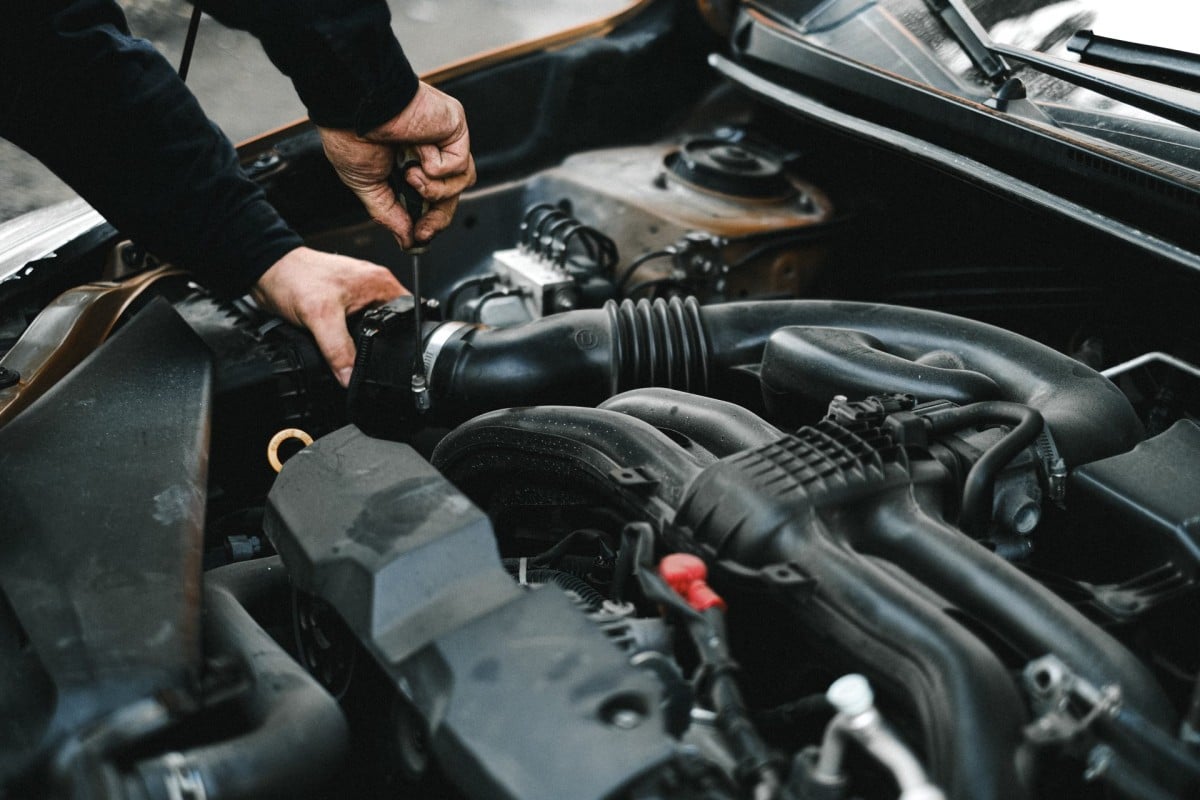
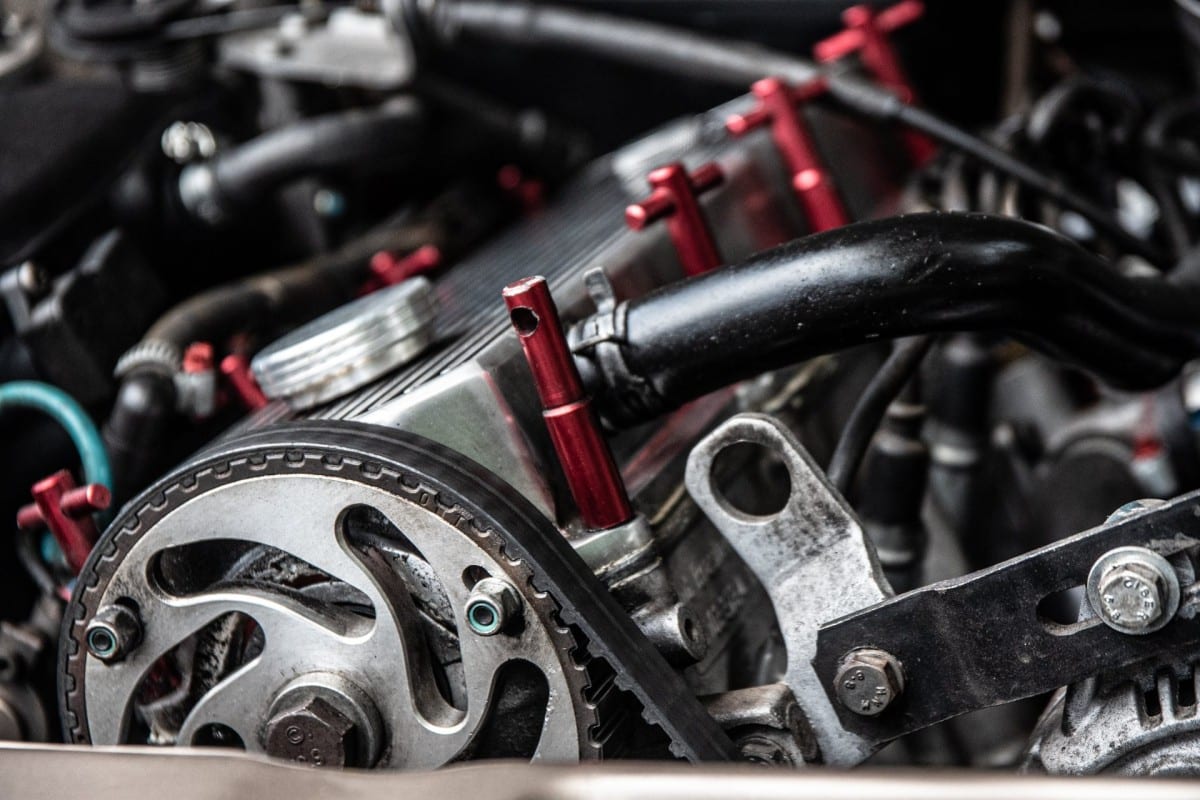
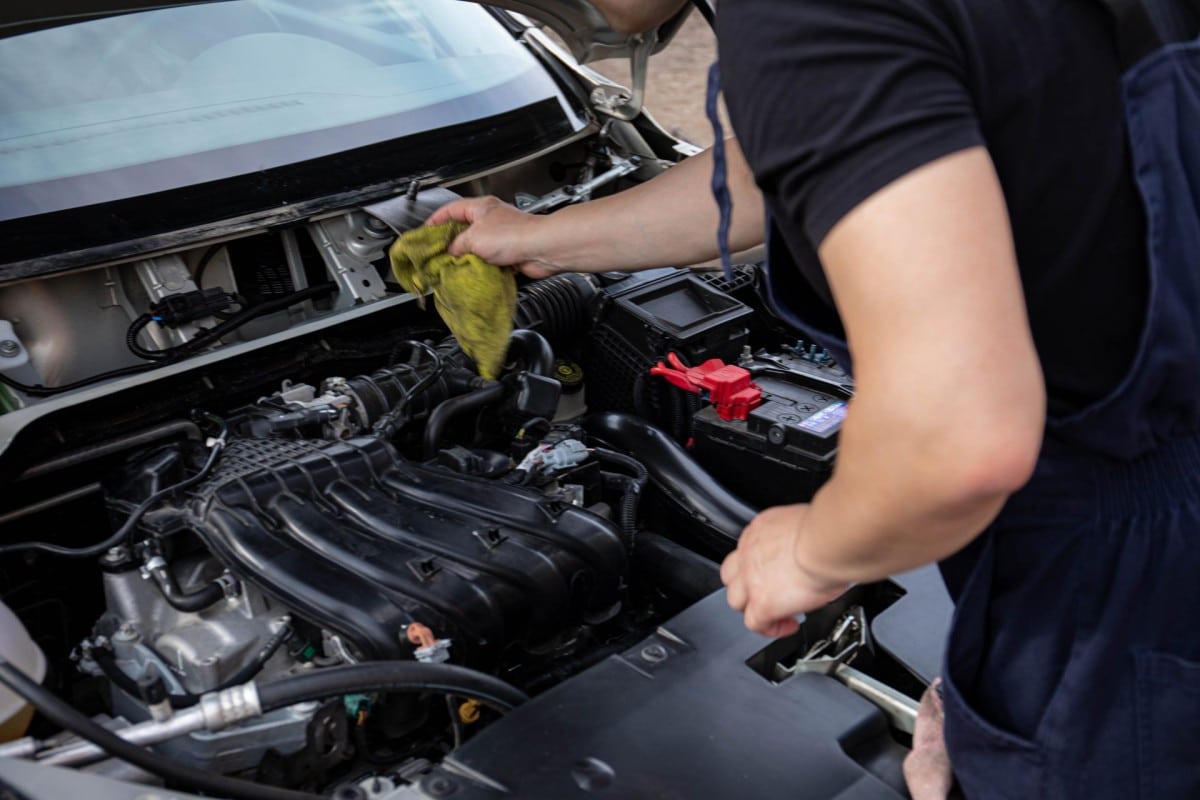
Vehicle diagnostics might sound technical, but it’s a straightforward concept. Think of it as a comprehensive health check for your car. Diagnostic tools are used to scan your vehicle’s computer system, identifying any issues that might not be visible to the naked eye. This process can reveal problems with the engine, transmission, exhaust, and other vital systems.
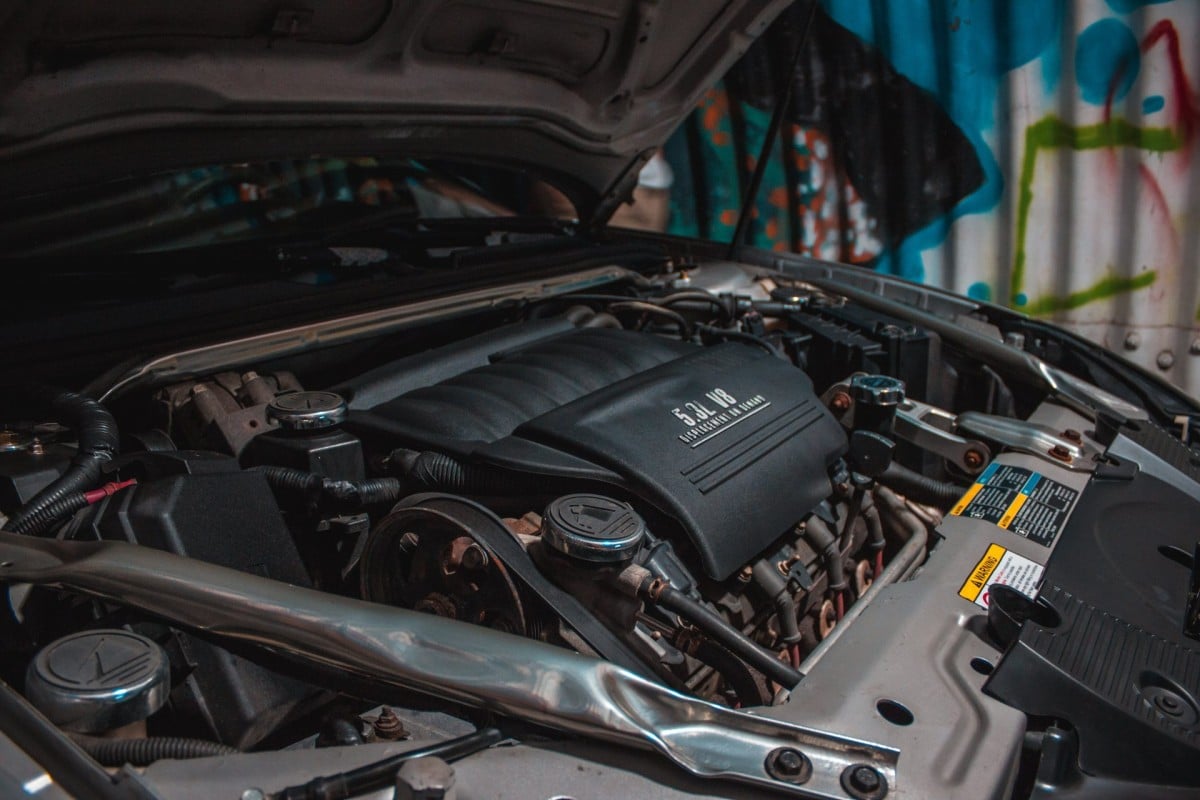
Today’s vehicles are equipped with advanced onboard computers that monitor different components and systems. When something goes wrong, these computers generate error codes that can be read by diagnostic tools. This is where engine diagnostics services come into play. By interpreting these codes, mechanics can pinpoint the source of a problem without guesswork.
For instance, a driver might notice their check engine light is on. While this can be alarming, a diagnostic check can quickly determine if the issue is minor, like a loose gas cap, or something more serious. With engine diagnostics services, you avoid unnecessary repairs and focus on what truly needs attention.
The Benefits of Regular Diagnostic Check-Ups
Regular diagnostic check-ups are like a roadmap for maintaining your vehicle’s health. Here’s why they’re essential:
- Early Detection: Catching issues early can prevent them from developing into bigger, more expensive problems. For example, identifying a worn-out spark plug before it fails completely can save you from more extensive engine damage.
- Cost Efficiency: Fixing small problems before they escalate keeps repair costs down. It’s always more economical to repair your fuel system when issues first appear rather than when it leads to breakdowns.
- Improved Safety: Ensuring that critical systems like brakes and the electrical system are functioning properly enhances your safety. Regular check-ups might reveal that you need to get your brakes fixed before they lead to dangerous situations.
- Enhanced Performance: A well-maintained vehicle runs more efficiently, offering better fuel economy and a smoother driving experience. Routine diagnostics contribute to this by ensuring all systems are optimized.
Consider a scenario where a driver regularly schedules oil change and diagnostic check-ups. During one visit, the mechanic discovers a minor issue with the vehicle’s transmission. By addressing this early, the driver avoids what could have been a costly transmission overhaul, keeping the car in peak condition and saving money.
What to Expect During a Diagnostic Check-Up
A diagnostic check-up might sound daunting, but it’s a straightforward process. Here’s what typically happens:
- Initial Assessment: A mechanic will ask about any symptoms you’ve noticed—strange noises, reduced performance, warning lights, etc.
- Computer Scan: The vehicle’s computer is scanned for error codes using specialized diagnostic tools. This step is crucial for identifying specific issues, whether it’s a need for auto electrical repair or something else.
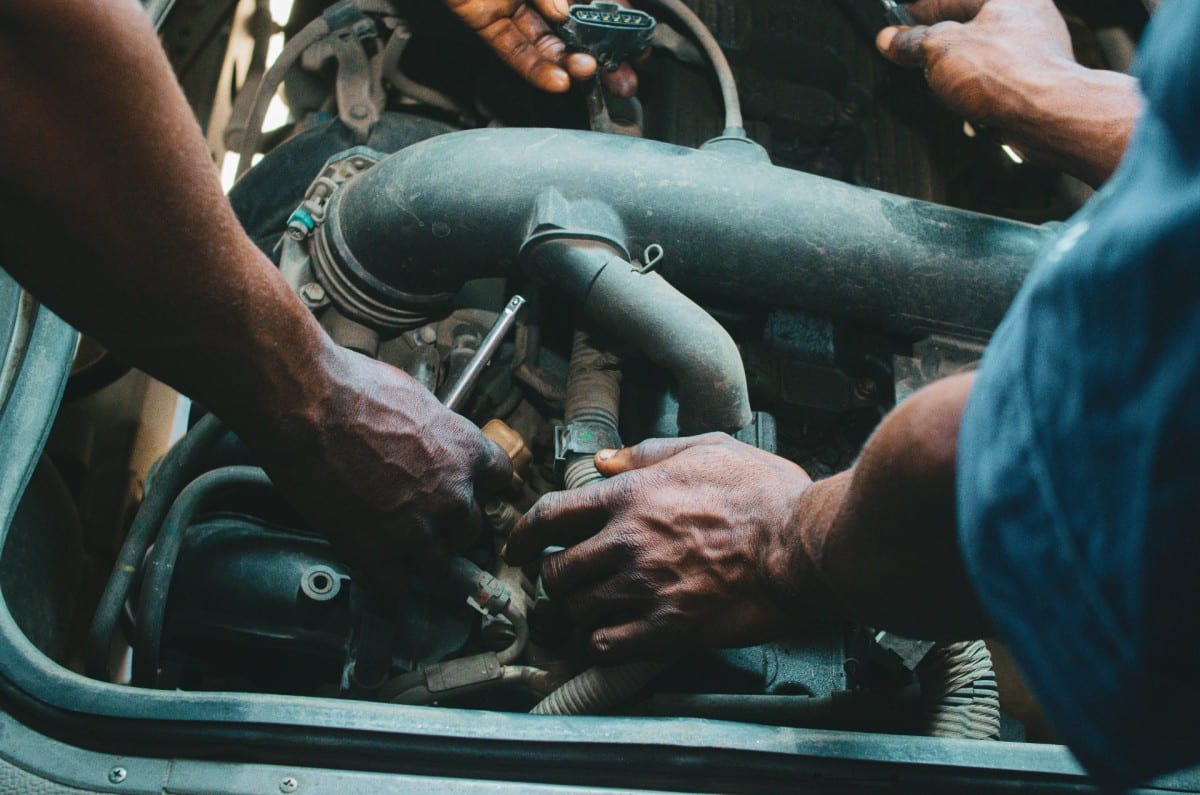
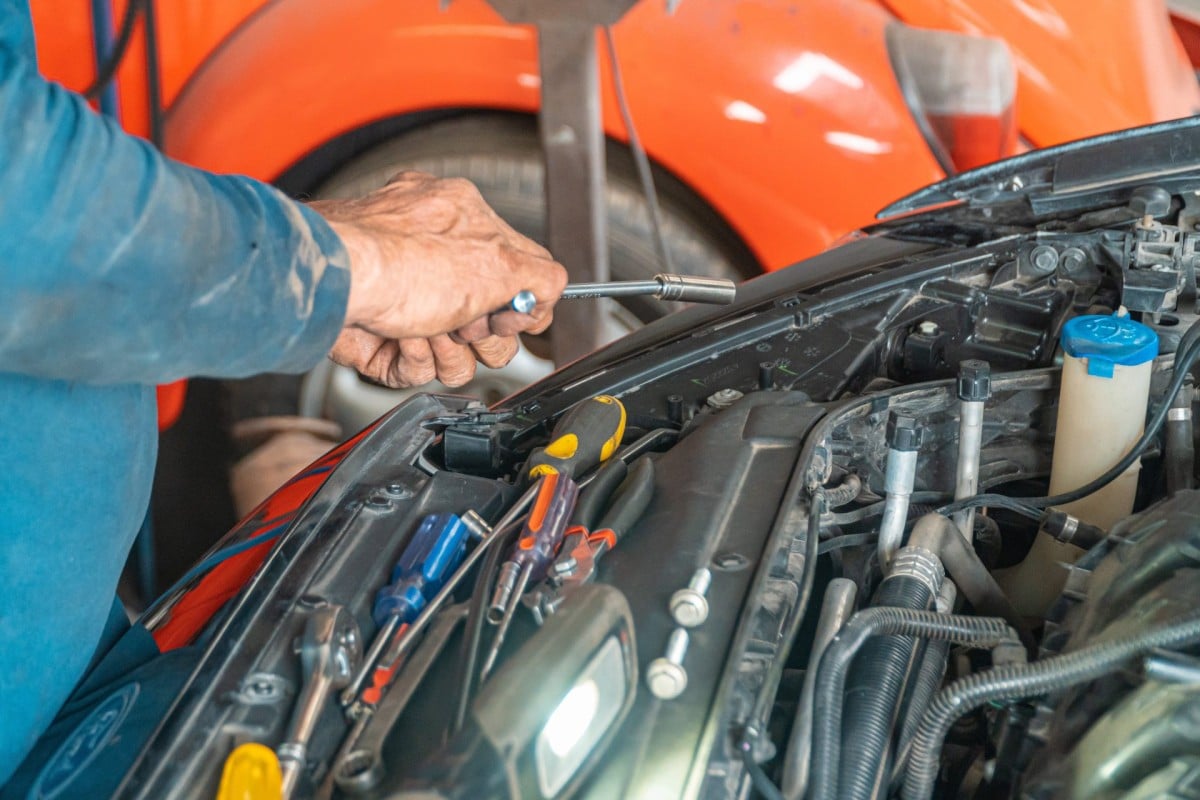
- Visual Inspection: Mechanics will visually inspect key components to corroborate any findings from the computer scan. This might include checking the exhaust system, brakes, and more.
- Report and Recommendations: After the assessment, you’ll receive a report detailing any issues found and recommendations for repairs or maintenance. This helps you make informed decisions about what needs immediate attention and what can wait.
Imagine you bring your car in for a diagnostic check-up because the fuel efficiency has dropped. The diagnostic process reveals a clogged air filter and a minor exhaust leak. By addressing these issues promptly, not only do you restore your car’s performance, but you also prevent future complications that might arise from ignoring these signs.
Incorporating Diagnostics into Your Routine Maintenance
Integrating regular diagnostics into your vehicle’s routine maintenance is simpler than you might think. Here’s how you can make it part of your car care plan:
- Schedule Regular Visits: Align diagnostic check-ups with other routine services like oil changes. Every time you get your oil changed, consider asking for a diagnostic check to keep tabs on your car’s health.
- Pay Attention to Warning Signs: If you notice anything unusual—strange noises, reduced performance, or dashboard warnings—don’t wait. Get your car serviced to diagnose and fix potential issues early.
- Stay Informed: Learn about engine diagnostics and other vehicle systems. Understanding the basics can help you communicate effectively with your mechanic and make informed decisions.
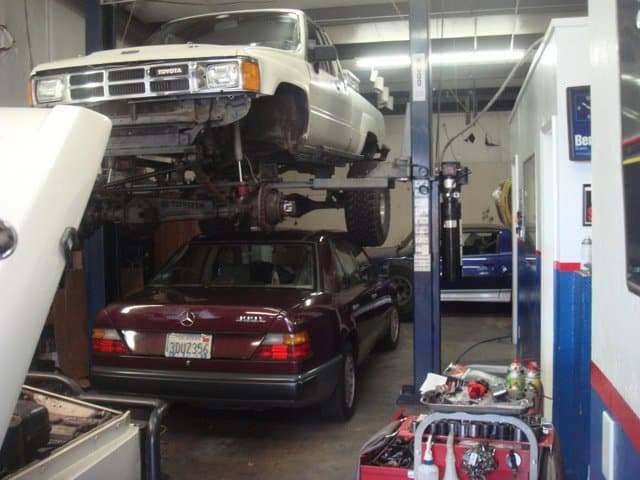
- Use Trusted Professionals: Build a relationship with a reliable auto shop that offers comprehensive auto repair services. Having a trusted mechanic means you can confidently rely on their expertise for regular diagnostics and repairs.
Consider a driver who makes it a point to explore engines and diagnostics every year. By doing so, they maintain a detailed record of their vehicle’s health, catching issues early and ensuring consistent performance. This proactive approach can significantly extend the life of their car.
Keeping Your Vehicle Running Smoothly
Regular diagnostic check-ups are an essential part of auto maintenance service, ensuring your vehicle remains reliable, safe, and efficient. By staying on top of these check-ups, you prevent minor issues from turning into major headaches, saving both time and money. It’s about being smart with your car care, knowing when to fix your vehicle, and when to simply monitor its performance.
At Sartorial Auto Repairs, we believe in honest and straightforward service. We’re here to help you understand what your car needs, from engine diagnostics to vehicle electrical services. Next time you’re in for a routine service, consider asking about a diagnostic check-up. It might just be the key to keeping your vehicle performing at its best for years to come.