

The Surprising Impact of Regular Transmission Service on an Older Car’s Lifespan
What Does Regular Transmission Service Actually Involve for Older Cars?
Regular transmission service for older cars means changing the transmission fluid, replacing the filter (if equipped), inspecting for leaks, and checking for wear or damage inside the transmission system. This routine care helps keep shifting smooth and prevents bigger repairs down the road.
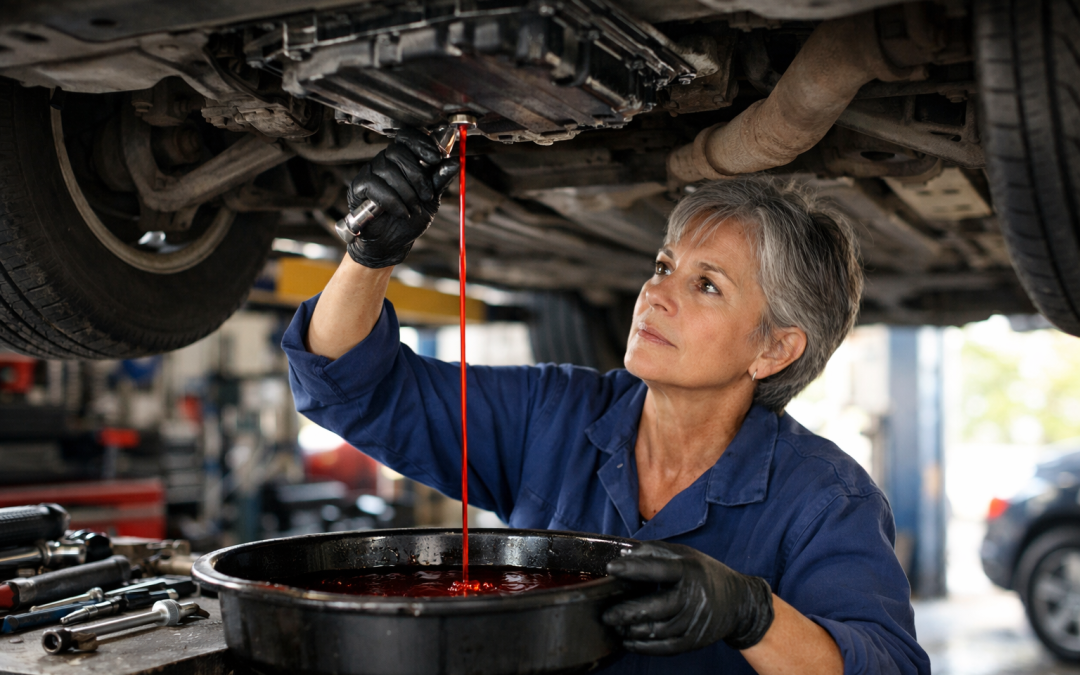
When you bring your older car to a trusted shop like Sartorial Auto Repairs, technicians start by draining the old transmission fluid, which can contain debris and worn clutch material. For many older vehicles, the pan is then removed, allowing access to the filter. Replacing the filter is important, as it traps contaminants that could otherwise damage sensitive parts. By scheduling routine transmission maintenance, you can help prevent costly breakdowns and extend the overall lifespan of your older vehicle.
- Fluid Change: Old fluid is replaced with fresh, manufacturer-recommended fluid.
- Filter Replacement (if applicable): Many older cars use a serviceable filter that should be changed regularly.
- Visual Inspection: Technicians check for leaks, worn seals, and signs of internal wear, like metal shavings in the pan.
- Adjustment and Road Test: Some older transmissions require band or linkage adjustments for proper operation. A test drive confirms smooth shifting.
This process is more involved than a simple fluid top-off. Skipping steps can leave harmful grit inside your transmission, especially in vehicles with higher mileage. Thoughtful, complete service is key for older models, where every component is already under more strain.
Why Do Older Cars Respond Differently to Transmission Service?
Older cars react more strongly to transmission service because their components have more wear, and old fluid can hide or worsen existing issues. Fresh fluid can restore performance, but it can also reveal hidden problems if service is overdue.
As a transmission ages, seals harden, internal parts wear, and fluid breaks down. Dirty fluid can act as a “band-aid,” masking slipping or delayed shifts. When you finally replace it, new fluid’s detergents clean away sludge, which may expose leaks or highlight failing clutches that were barely holding on.
- If you’ve always serviced your transmission on schedule, your car responds with smoother shifting and less noise.
- If service was neglected for many years, the new fluid can sometimes “flush out” debris that was plugging leaks, bringing problems to the surface.
For example, a customer at our Santa Rosa shop brought in a 2002 Honda Accord with 180,000 miles. After a long-overdue transmission service, the car shifted much better—but a minor leak became visible. Catching it early allowed for a simple gasket replacement, avoiding costly repairs later.
For further reading, see Maintain Your Car's Transmission and Avoid Costly Repairs from consumerreports.org.
How Can Skipping Transmission Service Shorten an Older Car’s Life?
Neglecting transmission service leads to gritty, degraded fluid that accelerates wear, causes overheating, and eventually results in transmission failure—often years sooner than if you had serviced it regularly.
Transmission fluid does more than lubricate—it cools, cleans, and protects internal gears and clutches from friction and corrosion. Over time, fluid loses its ability to do these jobs. In older cars, worn seals and gaskets are especially sensitive to fluid breakdown.
- Heat Buildup: Old fluid can’t dissipate heat as well, cooking seals and bearings.
- Contaminant Build-Up: Metal shavings and clutch material accumulate, acting like sandpaper inside your transmission.
- Delayed or Harsh Shifting: Neglect can cause jerky shifts, slipping, or complete loss of drive.
Once major internal damage occurs, the only fix is a rebuild or replacement—often costing more than the car’s value. Routine service costs far less and helps your car last longer, especially crucial for business owners relying on older vehicles for daily operations.
What Surprising Changes Happen After a Transmission Service on an Aging Vehicle?
After transmission service, older cars often shift more smoothly, run quieter, and sometimes even see improved fuel economy. These results can be immediate and noticeable.
Many drivers are surprised by how much difference fresh fluid and a new filter make. If your car had been slipping or hesitating, you might notice:
- Smoother gear changes—no more “clunk” or delay
- Quieter operation—less whining or grinding
- Reduced overheating—lower risk of breakdown on hot days
- Improved response—faster acceleration and more predictable shifting
One business owner in Santa Rosa shared that their delivery van, a 1998 Ford E-250, ran hot and shifted roughly. After a full transmission service at Sartorial Auto Repairs, the van ran cooler and made it through another summer without incident. These kinds of results can extend the useful life of aging fleet vehicles and reduce emergency repairs.
Does Transmission Service and Repair Really Pay Off for Older Cars?
Yes—regular transmission service and timely repairs can prevent the most expensive problems, keeping older cars on the road longer and lowering long-term costs.
For many vehicles beyond 10 or 15 years old, the transmission is one of the most expensive parts to replace. Preventive service costs a fraction of a full rebuild. For example, a typical service at Sartorial Auto Repairs might range from a couple hundred dollars, while a replacement transmission can run several thousand.
| Service | Estimated Cost Range | Potential Benefit |
|---|---|---|
| Transmission fluid & filter change | Low (hundreds) | Prevents wear, extends life |
| Transmission rebuild | High (thousands) | Major repair only if needed |
| Transmission replacement | Very high (thousands+) | Last resort for total failure |
For business owners, keeping a reliable vehicle means fewer disruptions and no need to buy a costly replacement. Investing in routine service is an easy way to manage fleet costs and delay major purchases.
How Often Should You Schedule Transmission Service for an Older Car?
Most older cars need a transmission service every 30,000 to 60,000 miles, or every 2-4 years, whichever comes first. Severe use—like towing or stop-and-go driving—may require more frequent service. For drivers in Sonoma County, scheduling regular transmission service can help ensure your older car remains reliable on both city streets and scenic backroads.
Always check your owner’s manual, but with age and mileage, it’s wise to err on the side of caution. Older transmissions work harder to maintain performance. If you’re unsure when your vehicle was last serviced, schedule an inspection with a reputable shop like Sartorial Auto Repairs.
- If your car is regularly used for business deliveries or driving in traffic, stick to the lower end of the interval (every 30,000 miles).
- If you notice shifting issues, fluid leaks, or strange noises, don’t wait—get it checked right away.
Regular service not only prevents costly breakdowns but also gives you peace of mind that your vehicle is ready for the demands of daily business use.
Is It Better to Flush or Change the Transmission Fluid in Older Vehicles?
For most older vehicles, a traditional fluid change is safer than a full flush, especially if service has been neglected or the transmission already has high mileage.
A fluid change removes about half the old fluid by draining the pan and replacing the filter. A flush uses high pressure to force all the old fluid out, which can dislodge debris and sometimes cause problems in fragile, worn transmissions.
| Method | What It Does | Best For | Possible Risks |
|---|---|---|---|
| Fluid Change | Drains part of the fluid, replaces filter | Older, high-mileage vehicles | Leaves some old fluid behind |
| Fluid Flush | Replaces all fluid under pressure | Well-maintained, lower-mileage vehicles | Can dislodge debris, cause leaks or failures |
For example, a 20-year-old pickup with 175,000 miles and no service history is better off with a gentle fluid change. If you’re not sure which is right for your car, ask your technician. Shops like Sartorial Auto Repairs assess your transmission’s condition before recommending the safest option.
How Transmission Service and Repair Extends the Lifespan of Older Cars
Routine transmission care slows internal wear, prevents catastrophic failure, and keeps older cars driving reliably for years beyond their expected lifespan.
When you change the fluid and filter on schedule, you remove grit and heat, both of which destroy bearings, seals, and gears over time. Catching small leaks early prevents fluid loss that can lead to major damage. Timely repairs—like replacing a worn gasket or solenoid—can keep your transmission working smoothly instead of spiraling into a major breakdown.
- Prevents overheating, which is a leading cause of transmission failure in older vehicles.
- Reduces friction and wear on critical components.
- Helps identify issues before they become expensive problems.
For business owners who depend on older vehicles, regular service means fewer interruptions, less downtime, and more confidence on the road. It’s a practical way to protect your investment and avoid the high cost of premature replacement.
Should You Invest in Transmission Service for Your Older Car?
If you want your older car to last, avoid breakdowns, and keep repair costs predictable, investing in regular transmission service is one of the smartest choices you can make.
Transmission repairs are among the most expensive fixes on any vehicle. Routine service is a small investment compared to the price of a new transmission or a replacement vehicle. Even if your car is past its prime, keeping it in good shape can buy you years of dependable service—especially important for business owners who rely on their cars every day.
If you’re in Santa Rosa, contact Sartorial Auto Repairs at 707-526-2625 or visit us at 3227 Santa Rosa Ave, Unit B. Our team can help you set up a service schedule that fits your needs and budget. Don’t wait for a breakdown—protect your car and your bottom line today.
Frequently Asked Questions
How often should I get the transmission serviced on my older car?
For most older vehicles, it's recommended to service the transmission every 30,000 to 60,000 miles or every 2-3 years, but always check your owner's manual for specifics. Regular service includes changing the fluid and filter, which helps prevent costly repairs as your car ages.
What are the signs that my older car needs transmission repair?
Common signs include slipping gears, delayed or rough shifting, leaking fluid, or strange noises like whining or clunking. If you notice any of these issues, schedule a professional inspection as soon as possible to prevent further damage.
Does transmission service really extend the life of my older car?
Yes, regular transmission service can significantly extend your car’s lifespan by keeping the transmission clean and catching small issues before they become serious. Neglecting service can lead to premature wear and costly repairs.
What does a complete transmission service include at Sartorial Auto Repairs?
At Sartorial Auto Repairs, a complete transmission service for older cars includes draining and replacing the fluid, changing the filter if your vehicle has one, inspecting for leaks and wear, and performing any needed adjustments. A road test is also done to ensure smooth shifting before you get your car back.
Can I just top off my transmission fluid instead of getting a full service?
Simply topping off the fluid is not enough for older cars, as it doesn't remove dirt and debris that accumulate over time. A full service replaces the old fluid, changes the filter, and allows for inspection of internal parts to prevent bigger issues down the road.