

Why Engine Overheating is a Serious Concern
If you’ve ever noticed your engine overheating symptoms while driving, you know how alarming it can be. Overheating is not just a minor inconvenience; it’s a serious issue that can lead to extensive damage to your vehicle. Understanding the risks associated with an overheating engine can help you take timely action and potentially save you from hefty repair bills.
When your engine runs hotter than it’s supposed to, it can affect many of the core components of your vehicle. The engine is designed to operate within a specific temperature range, typically between 195 and 220 degrees Fahrenheit. Deviating from this range can cause metal parts to expand and potentially warp or crack. Imagine trying to bake a cake at twice the recommended temperature; the results would be disastrous, just like what happens under your hood.
Ignoring these symptoms leads to more severe issues, such as a blown head gasket or even a complete engine failure. These are not only costly to repair but can also leave you stranded at the most inconvenient times. That’s why recognizing and addressing engine overheating symptoms promptly is crucial for maintaining the health of your vehicle.
For further reading, see Authority Resource from consumerreports.org.
Common Symptoms of Engine Overheating
Detecting engine overheating symptoms early can prevent further damage. Here are some signs to watch out for:
- Temperature Gauge in the Red: The most obvious sign is the temperature gauge on your dashboard moving into the red zone.
- Steam from the Hood: If you see steam billowing out from under your hood, it indicates that your engine is too hot.
- Strange Smells: A sweet smell could mean coolant is leaking, while a burnt smell might indicate overheating.
- Coolant Level Low: Frequent need to add coolant can be a sign of a leak or overheating issue.
- Engine Knock: A knocking noise can occur when engine parts expand due to excessive heat.
If you notice any of these symptoms, it’s crucial to get your car repaired immediately to avoid further damage.
How Overheating Affects Engine Components
An overheating engine can harm various components, leading to costly repairs. Let’s look at some of the key parts affected:
Cylinder Head
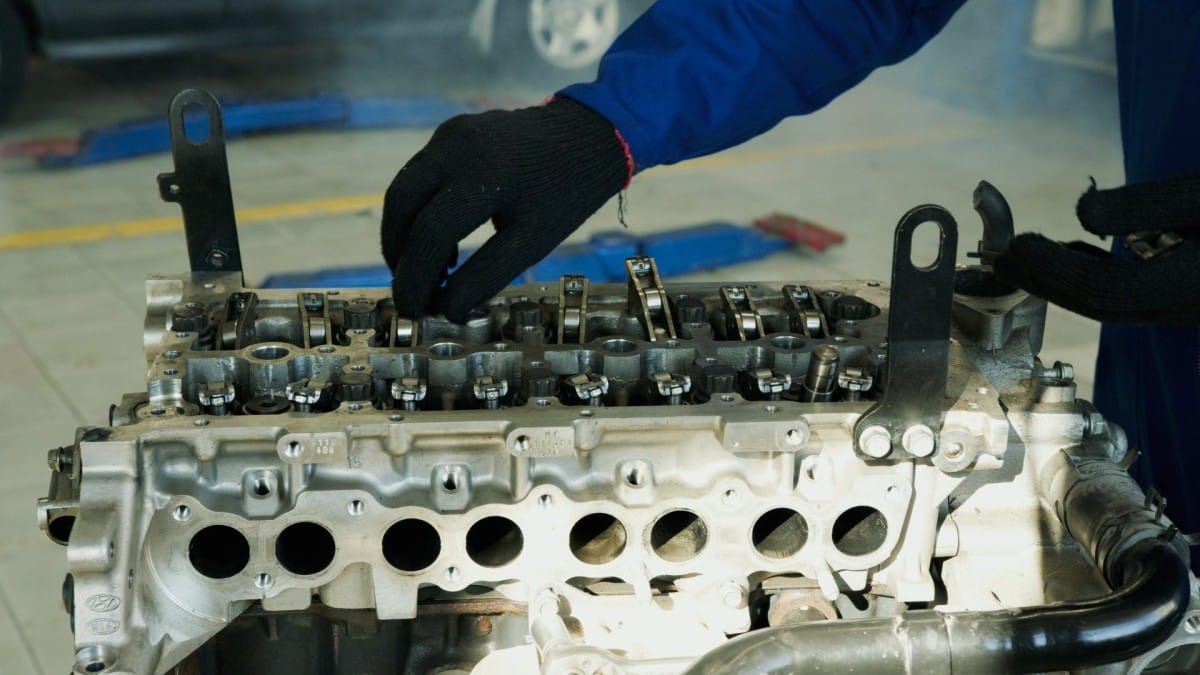
The cylinder head can warp due to excessive heat. This warping can cause a blown head gasket, which is a significant repair job. The head gasket seals the engine cylinders, ensuring that coolant and oil do not mix. Once it’s compromised, your engine is at risk.
Pistons
Excessive heat can cause the pistons to expand and seize within the cylinders. This can lead to a complete engine failure, requiring a rebuild or replacement, which is both time-consuming and expensive.
Radiator and Hoses
High temperatures can cause the radiator and hoses to crack or burst. A damaged radiator won’t cool the engine effectively, and broken hoses can lead to coolant leaks, exacerbating the problem.
To prevent such damage, regular engine diagnostics services are essential. Sartorial Auto Repairs can help you explore engines and diagnostics to ensure your vehicle remains in top condition.
Immediate Actions to Take When Your Engine Overheats
If you find yourself dealing with an overheating engine, follow these steps to minimize damage:
- Turn Off the AC: Immediately turn off the air conditioning to reduce engine load.
- Turn On the Heater: Switch on the heater to draw heat away from the engine.
- Pull Over Safely: Find a safe place to stop and turn off the engine.
- Wait Before Opening the Hood: Allow the engine to cool for at least 15-30 minutes before opening the hood to avoid burns.
- Check Coolant Levels: Once cooled, check the coolant level and add if necessary, or have a professional handle it.
Do not drive your vehicle further if the problem persists. Instead, contact a professional for a check engine light diagnosis to address the underlying issue.
Preventive Measures to Avoid Engine Overheating
Prevention is always better than cure, especially with vehicle maintenance. Here are some tips to avoid engine overheating:
- Regular Coolant Checks: Ensure your coolant is at the proper level and replace it as per the vehicle’s maintenance schedule.
- Inspect the Radiator: Regularly check for damage or leaks in the radiator and hoses.
- Test the Thermostat: A malfunctioning thermostat can prevent coolant flow, leading to overheating.
- Monitor the Temperature Gauge: Keep an eye on the temperature gauge during your drives, especially on hot days.
- Schedule Routine Maintenance: Regular inspections can help catch potential issues early. Consider visiting Sartorial Auto Repairs for comprehensive auto repair services.
The Financial Impact of Ignoring Overheating
Neglecting engine overheating symptoms can lead to expensive repairs. For instance, repairing a blown head gasket can cost anywhere from $1,000 to $2,000, and if the engine is severely damaged, you might be looking at a complete engine replacement costing up to $4,000 or more. These costs significantly outweigh the expense of regular maintenance and early intervention.
Moreover, frequent overheating can reduce your car’s resale value. Potential buyers may shy away from a vehicle with a history of overheating issues, considering it a risky purchase.
When to Seek Professional Help for Overheating Issues
If you’ve tried the immediate actions and your engine continues to overheat, it’s time to seek professional help. A qualified mechanic can perform a thorough engine light diagnostic service to pinpoint the issue. Whether it’s a faulty radiator, a stuck thermostat, or something more serious, getting it checked by a professional ensures the problem is correctly identified and fixed.
At Sartorial Auto Repairs, our team is equipped with the expertise and tools necessary to diagnose and repair overheating issues efficiently. Don’t hesitate to reach out if you’re experiencing persistent overheating problems.
Engine Overheating Symptoms: What They Mean
Understanding what engine overheating symptoms signify can help you react appropriately. Each symptom provides clues about potential underlying problems:
- Temperature Gauge in the Red: This usually suggests a serious issue with the cooling system, such as a coolant leak or a failed thermostat.
- Steam from the Hood: Indicates that the coolant is boiling, which could be due to a blocked radiator or a failed water pump.
- Strange Smells: A sweet smell might mean a coolant leak, while a burning smell could indicate oil or other engine components overheating.
- Engine Knock: This noise often points to serious damage due to prolonged overheating.
By understanding these symptoms, you can communicate more effectively with your mechanic, helping them diagnose engine misfire or any other related issues efficiently.
Long-Term Risks of Repeated Overheating
Repeated overheating can have long-term consequences for your vehicle. Persistent exposure to high temperatures can weaken the metal parts, leading to chronic engine problems. Over time, this can result in reduced engine performance, increased emissions, and lower fuel efficiency.
Moreover, frequent overheating can lead to complete engine failure, leaving you with no choice but to replace the engine entirely. Such scenarios not only involve significant financial costs but also inconvenience due to extended repair times.
To avoid these risks, it’s essential to address any overheating issues promptly. Regular maintenance, such as checking fluid levels and getting your engine diagnosed, can help prevent repeated occurrences and ensure that your vehicle runs smoothly for years to come.
If you’re experiencing any symptoms of engine overheating, don’t wait until it’s too late. Contact Sartorial Auto Repairs to fix your vehicle and keep it running safely. For expert advice and service, call us at 707-526-2625 today.
Frequently Asked Questions
What are the common symptoms of an engine overheating?
Common symptoms include the temperature gauge moving into the red, steam coming from under the hood, a strange smell like hot metal or coolant, and reduced engine performance. If you notice any of these signs, it's crucial to pull over and let the engine cool down.
How can I quickly tell if my engine is overheating?
Check the temperature gauge on your dashboard—if it’s in the red zone, your engine is overheating. Additionally, look for steam or a distinct burnt smell, which are clear indicators of overheating.
Can I drive my car if the engine is overheating?
Driving with an overheating engine can cause severe damage, such as a blown head gasket or engine failure. It's best to safely pull over and turn off the engine immediately. If you're in the Santa Rosa area, call Sartorial Auto Repairs at 707-526-2625 for assistance.
What should I do if my car starts to overheat while driving?
Turn off the air conditioning and turn on the heater to help dissipate heat from the engine. Pull over safely, turn off the engine, and allow it to cool down. If the issue persists, contact a professional mechanic like Sartorial Auto Repairs.
Why does my car engine overheat so quickly?
Rapid overheating can be caused by a variety of issues such as a malfunctioning thermostat, a leak in the coolant system, or a failing water pump. It’s important to have a professional inspection to diagnose the exact cause. Reach out to an auto repair shop like Sartorial Auto Repairs for help.