

When it comes to vehicle maintenance, the drive belt might seem like a small component. Yet, this unassuming part plays a crucial role in keeping your car running smoothly. Understanding its importance and knowing the warning signs of wear and tear can save you from unexpected breakdowns and costly repairs. As we dive into the essentials of drive belts, you’ll gain the insight needed to keep your vehicle in top shape.
Many drivers overlook the drive belt until a problem arises. This often leads to inconvenient disruptions, making regular inspections vital. Whether you’re a seasoned car enthusiast or someone who just wants to get from point A to B, understanding your drive belt’s function and maintenance can go a long way in ensuring your vehicle’s reliability.
At Sartorial Auto Repairs, we believe in educating our customers. Knowing what to look for and when to act can prevent minor issues from escalating. So, let’s explore the drive belt’s role in your vehicle, the signs of wear and tear, and practical steps you can take to maintain it.
What is a Drive Belt and Why is it Important?
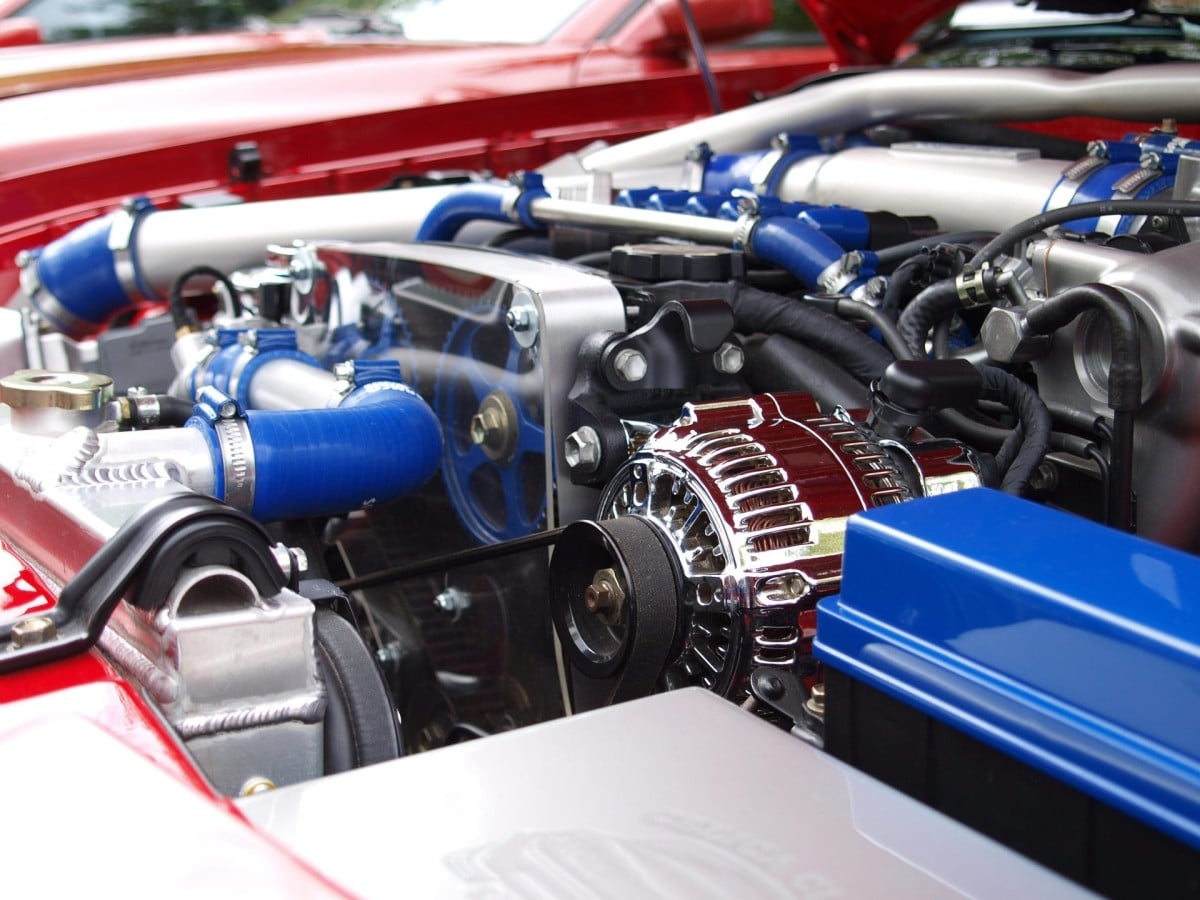
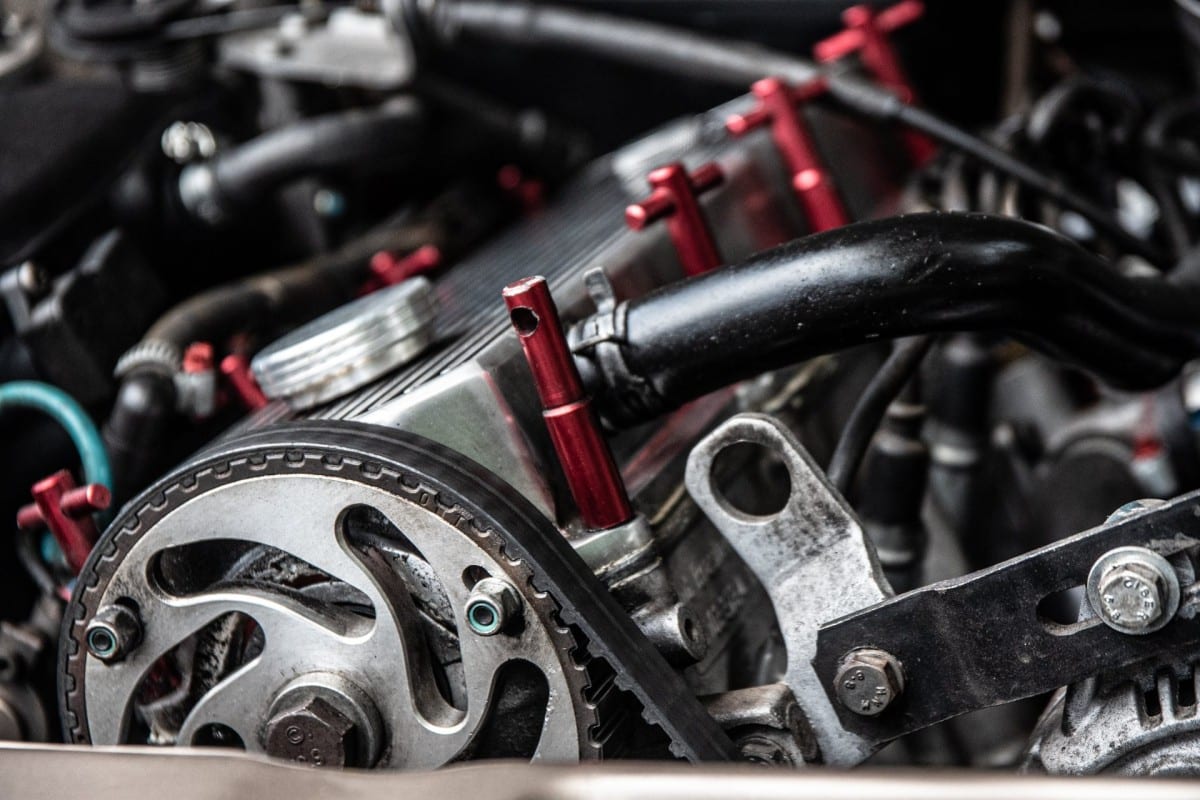
A drive belt, often referred to as a serpentine belt, is a critical component of your vehicle’s engine. It transmits power from the engine to various accessories that rely on it for functioning. These include the alternator, power steering pump, air conditioning compressor, and sometimes the water pump.
Without a properly functioning drive belt, these systems can’t operate efficiently. Imagine driving without power steering or losing the charge to your battery because the alternator isn’t working. The drive belt ensures that all these parts work in harmony, providing a smooth and safe driving experience.
- Alternator: Powers your vehicle’s electrical systems and keeps the battery charged.
- Power Steering Pump: Allows for easier steering, making maneuvering your car more manageable.
- Air Conditioning Compressor: Keeps your cabin cool during those hot summer days.
- Water Pump (sometimes): Circulates coolant through the engine to regulate its temperature.
Regular checks are essential to ensure your drive belt isn’t worn out or damaged. This is where our auto maintenance service comes in, providing comprehensive inspections to keep your vehicle running smoothly.
Signs of Wear and Tear on Your Drive Belt
Recognizing the early signs of a failing drive belt can prevent larger issues down the road. Here are some common indicators that your drive belt might need attention:
Squealing Noises
One of the first signs of a worn-out drive belt is a high-pitched squealing noise coming from the engine. This noise often occurs when starting the car or turning on the air conditioning. A loose or misaligned belt could be the culprit, and it’s a sign to get your car serviced promptly.
Visible Cracks and Wear
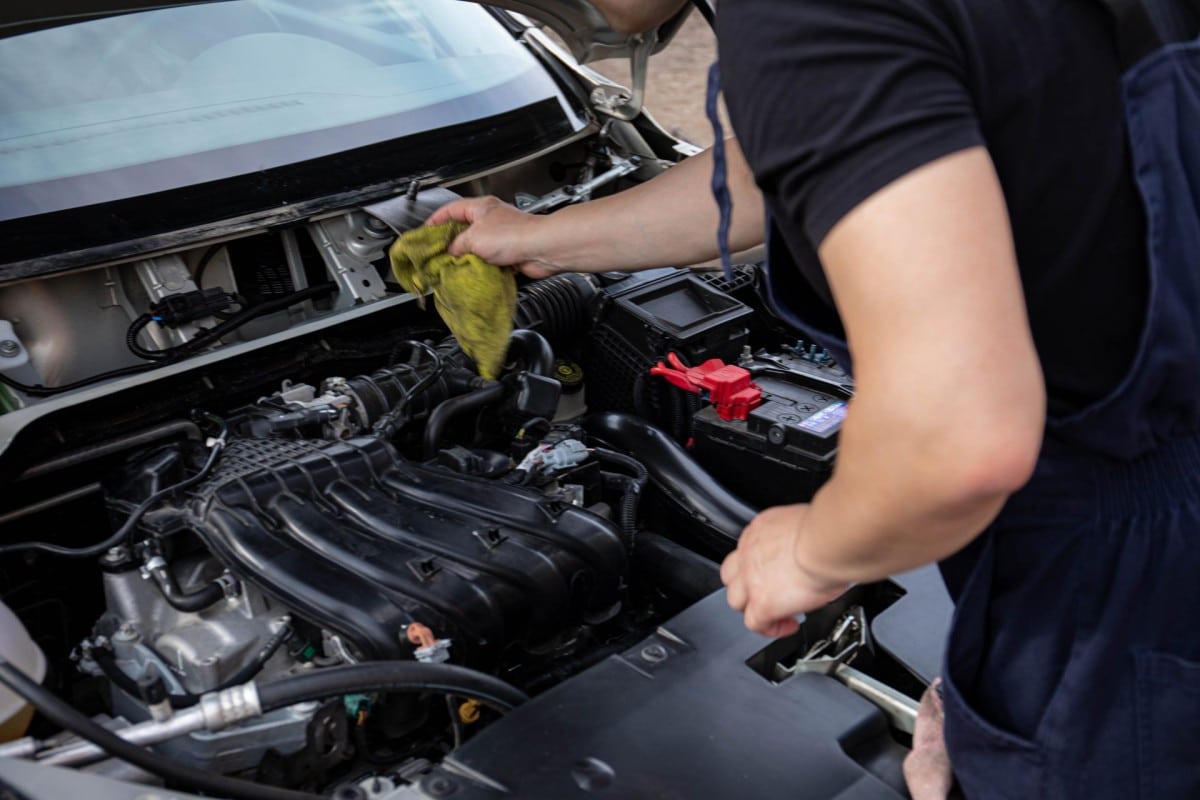
A visual inspection can reveal a lot about your drive belt’s condition. Look for cracks, fraying, or splitting along the belt. Any signs of physical damage indicate that the belt is nearing the end of its life and needs to be replaced. Regular auto maintenance service can help catch these issues before they lead to more significant problems.
Loss of Power to Vehicle Accessories
If you notice that your car’s accessories aren’t working as efficiently—such as dimming headlights or a weak air conditioning system—it could be due to a failing drive belt. Since the belt powers these systems, reduced performance is a red flag.
Engine Overheating
In some vehicles, the drive belt is responsible for driving the water pump. If the belt fails, the water pump may not function correctly, leading to engine overheating. This scenario underscores the importance of regular inspections and timely repair your brakes or other components as needed.
How to Maintain Your Drive Belt
Maintaining your drive belt is straightforward with a few proactive steps. Here are some practical tips to ensure its longevity:
Regular Inspections
Incorporate drive belt checks into your regular car maintenance routine. During an inspection, look for signs of wear and test the belt’s tension. If you’re unsure about what to look for, our team at Sartorial Auto Repairs can help you explore engines and diagnostics to pinpoint any issues.
Replace When Necessary
Drive belts generally last between 60,000 to 100,000 miles, but this can vary depending on driving conditions and vehicle type. Keep track of your belt’s age and replace it as recommended by your vehicle’s manufacturer. Waiting too long can result in unexpected failures and the need for emergency auto repair services.
Keep It Clean
Ensure the belt and its surrounding components are free from oil and debris. Contaminants can cause the belt to slip or deteriorate faster. If you notice any leaks, it’s crucial to get your car repaired to prevent further damage.
Consult a Professional
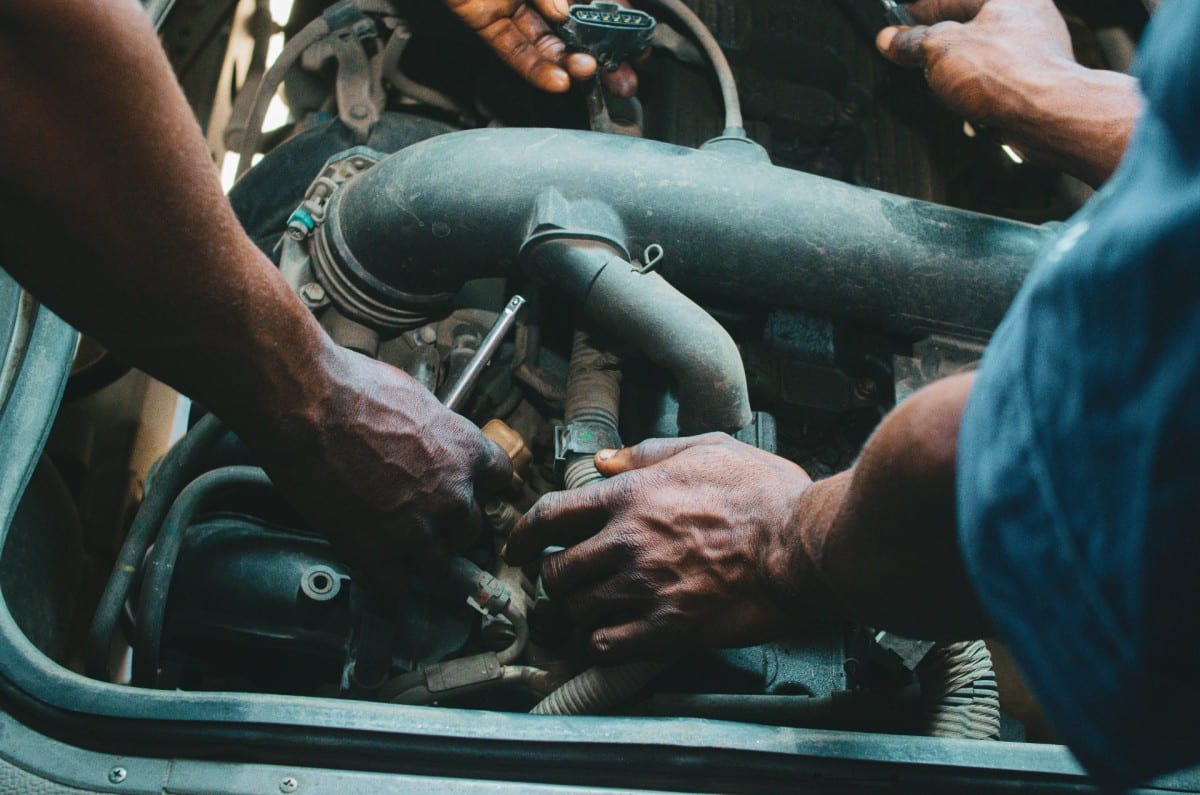
While DIY checks are beneficial, consulting a professional mechanic provides peace of mind. Professionals can also check related systems, such as the tensioner and pulleys, ensuring everything works together seamlessly. Scheduling regular visits can help you stay ahead of potential issues.
Real-Life Scenarios: When Drive Belts Fail
Understanding the drive belt’s role and maintenance is crucial, but real-life scenarios highlight its importance even more. Here are a few situations where drive belt issues can lead to significant problems:
Scenario 1: Road Trip Breakdown
Imagine you’re on a long road trip, enjoying the open road. Suddenly, your car loses power steering, and the air conditioning stops working. Pulling over, you notice a broken drive belt. A quick call to a roadside service gets you back on track, but this situation could have been avoided with regular auto maintenance service.
Scenario 2: Daily Commute Hassle
During your daily commute, you start hearing a squealing noise every time you start your car. Ignoring it, you continue driving until one morning, the car won’t start. The drive belt has snapped, leading to a dead battery. This scenario emphasizes the importance of listening to your vehicle and addressing issues promptly.
Scenario 3: Engine Overheating
While driving in heavy traffic, your engine begins to overheat. Pulling over, you discover that the water pump isn’t functioning due to a broken drive belt. This situation could lead to engine damage if not addressed quickly. Regular engine diagnostics services could help catch such issues early.
Conclusion: Keeping Your Drive Belt in Check
The drive belt is a vital component that deserves your attention. By understanding its role and recognizing the signs of wear, you can prevent unexpected breakdowns and costly repairs. Regular inspections and timely replacements are key to maintaining your vehicle’s health.
If you’re unsure about your drive belt’s condition, consider reaching out to our team at Sartorial Auto Repairs. We offer comprehensive inspections and can help you get your car serviced to ensure everything is running smoothly. Remember, a little attention today can save you a lot of hassle tomorrow.