What Your Old Car Wants You to Know Before You Give Up On It
Hidden Value in Your Old Car
Your old car wants you to know that it still has hidden value you might not be aware of. Many people assume that because a vehicle is old, it’s no longer worth keeping. However, this isn’t always the case. Older cars often have untapped potential that can be realized with the right care and attention.
For instance, consider the cost of car ownership. Buying a new car means taking on a new financial commitment, often with higher insurance costs and a hefty price tag. In contrast, your old car is likely paid off, meaning you can focus your finances on maintenance rather than car payments.
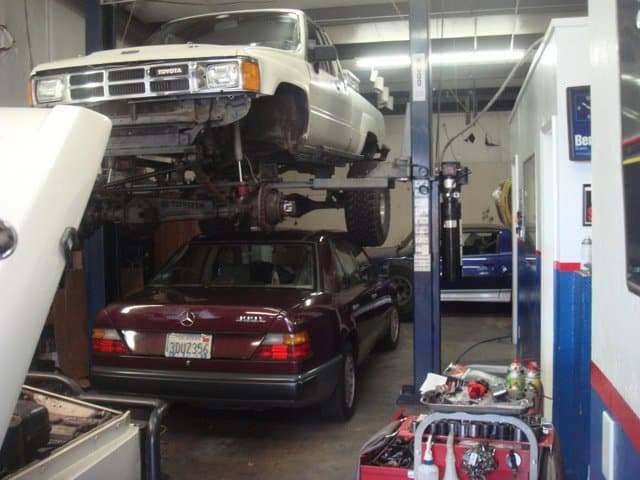
Moreover, older vehicles have simpler mechanical systems, making them easier and often cheaper to repair. At Sartorial Auto Repairs, we frequently find that a little maintenance can keep an older vehicle running smoothly. Simple fixes like replacing spark plugs or changing the oil can make a significant difference. So, before you decide to give up on your old car, consider the potential savings and value it still holds.
For further reading, see Authority Resource from the Bureau of Labor Statistics.
Common Myths About Old Cars
There are several myths about old cars that might lead you to consider giving up on them prematurely. One common myth is that older cars are less reliable. While it’s true that wear and tear can affect performance, regular maintenance can significantly extend the life of your vehicle.
Another myth is that old cars are gas guzzlers. While some older models might not be as fuel-efficient as newer ones, many have acceptable fuel economy, especially if they are well-maintained. Regular check-ups, including engine diagnostics services, can help you optimize fuel efficiency.
Lastly, people often think that finding parts for old cars is difficult. While this can be true for rare models, most parts are readily available for popular makes and models. Our team at Sartorial Auto Repairs can help source the needed parts and provide reliable auto repair services.
Simple Fixes Your Old Car Might Need
Before you decide to part ways with your old car, consider that it might just need a few simple fixes. Here are some common issues that can be resolved easily and affordably:
- Oil Change: Regular oil changes are crucial for keeping your engine running smoothly.
- Brake Pads Replacement: If your brakes are squeaking, it might be time to replace the pads.
- Battery Testing and Replacement: If your car struggles to start, a new battery might be all it needs.
- Tire Replacement and Balancing: Worn-out tires can affect your car’s performance and safety.
- Check Engine Light Diagnosis: A check engine light can indicate a variety of issues that might be simple to fix.
Addressing these common issues can often restore your car’s reliability and performance. At Sartorial Auto Repairs, we provide comprehensive services to get your vehicle maintained and back in top condition.
The Environmental Impact of Keeping Your Old Car
Your old car wants you to know about the positive environmental impact of keeping it. While new cars might boast better fuel efficiency, the production of a new vehicle has a significant environmental footprint. Manufacturing a new car involves mining, transportation, and assembly, all of which contribute to carbon emissions.
By maintaining your current vehicle, you reduce the demand for new cars and decrease your individual carbon footprint. Regular maintenance, such as engine diagnostics services, ensures your car runs efficiently, minimizing emissions.
Moreover, older cars can often be retrofitted with modern technology to improve their environmental performance. This can include installing more efficient exhaust systems or upgrading to more environmentally friendly components.
How Your Old Car Fits Your Lifestyle Better Than You Think
Think about how well your old car fits your lifestyle. It might be more suited to your needs than you realize. Older cars often have features that newer models lack, such as larger trunks, more straightforward controls, or unique styling that matches your personal taste.
Perhaps your old car has been reliable over the years, making it a trusted companion for family trips or daily commutes. Its familiarity can offer a sense of comfort and ease that a new car might not provide immediately.
Additionally, the cost of ownership for your old car is likely lower than that of a new vehicle. With no monthly payments and potentially lower insurance rates, your old car allows you to allocate your finances to other important areas of your life. Consider this before deciding to part with it.
What Your Old Car Wants You to Know About Reliability
Your old car wants to assure you that age doesn’t necessarily mean unreliability. Many older cars have been built with durability in mind and can continue to perform well with the right care. Regular maintenance is key to ensuring your car remains dependable.
For example, regular check-ups like getting your engine light checked can prevent minor issues from becoming major problems. At Sartorial Auto Repairs, we provide thorough inspections and repairs to help maintain high-mileage cars and keep them running smoothly.
It’s also important to remember that some issues are more about perception than reality. A rattling noise might sound concerning, but it could be something as simple as a loose heat shield. Our experienced technicians can diagnose and fix these issues, giving you peace of mind on the road.
The Cost of Ownership: Is It Worth Fixing Your Old Car?
When comparing the costs of owning an old car versus a new one, your old car wants you to know that it might be more economical than you think. Let’s break it down:
- Initial Cost: A new car has a high purchase price, while your old car is already paid for.
- Insurance: Older cars generally have lower insurance premiums than new vehicles.
- Depreciation: New cars depreciate quickly, losing value as soon as they’re driven off the lot. Your old car has already gone through this phase.
- Repairs and Maintenance: While older cars may require more frequent repairs, they are often less expensive than the cost of maintaining a new car’s advanced systems.
Understanding these costs can help you appreciate the financial benefits of holding onto your old car. It may require some investment in maintenance, but the overall savings can be substantial.
Emotional Bonds: More Than Just a Vehicle
Your old car likely holds sentimental value that goes beyond its monetary worth. It might remind you of a first road trip, a special family event, or simply the countless everyday moments that have shaped your life. These emotional bonds are important and shouldn’t be underestimated.
For many, an old car is not just a means of transportation but a part of their personal history. It can be like a trusted friend, reliable and familiar. Before you decide to let go of your old car, consider the memories and experiences it holds.
If you’re still unsure, ask yourself whether a new car can truly replace the emotional connection you have with your current vehicle. Sometimes, the sentimental value of an old car is worth more than the allure of a new one.
What Your Old Car Wants You to Know About Its History
Your old car wants you to appreciate its history and what that means for its future. Every dent, scratch, and quirk tells a story about where it’s been and what it’s endured. Instead of seeing these as flaws, consider them badges of honor that add character to your vehicle.
Understanding your car’s history can also help you make informed decisions about maintenance and repairs. Keeping a record of past services and repairs can guide you in addressing future issues. Our team at Sartorial Auto Repairs can help you explore engines and diagnostics to ensure your car continues to run efficiently.
In the end, your old car’s history is a testament to its longevity and resilience. It’s more than just a collection of metal parts; it’s a part of your journey. Before you think about giving up on it, remember the road you’ve traveled together and the potential miles still ahead.
If you’re considering whether to keep your old car, why not bring it in for an inspection at Sartorial Auto Repairs? Our team is here to help you get your car repaired and explore all the potential your vehicle still holds. Contact us at 707-526-2625 to book an appointment and keep your car running smoothly for years to come.
Frequently Asked Questions
How can I determine if my old car is worth repairing?
Start by evaluating the cost of necessary repairs versus the current market value of your car. If repairs are less expensive than buying a new vehicle, it might be worth keeping. You can also consult with a local expert like Sartorial Auto Repairs in Santa Rosa, CA, to get a professional assessment.
What are some common myths about old cars?
Many believe old cars are unreliable or gas guzzlers, but with regular maintenance, they can be quite dependable. Additionally, many older models are simpler to repair and can be more cost-effective than newer vehicles.
What maintenance should I prioritize for my old car?
Focus on regular oil changes, replacing spark plugs, and checking the brakes and tires. These simple steps can maintain your car’s performance and extend its lifespan. For more detailed advice, reach out to Sartorial Auto Repairs at 707-526-2625.
Are older cars really cheaper to maintain than new ones?
Yes, older cars often have simpler mechanical systems which can make repairs less expensive. Without the burden of monthly payments, you can allocate more budget to maintenance, keeping your old car running smoothly.
Can an old car still be fuel-efficient?
While not all old cars are as fuel-efficient as modern models, many can still achieve decent mileage with proper maintenance. Regular tune-ups and ensuring your tires are properly inflated can improve fuel efficiency.