
Aug 16, 2024 | Auto Repair, Clutch Systems
Driving a manual transmission vehicle offers a unique connection between the driver and the car. However, this connection hinges on a well-functioning clutch system. Understanding when your clutch needs attention can save you from expensive repairs and unexpected breakdowns. As your trusted auto repair experts, we’re here to guide you through recognizing signs that your clutch may need repair.
Clutch issues can be tricky because they often start small before turning into significant problems. Whether you’re a seasoned manual driver or new to the stick shift life, knowing these signs can make a world of difference. Let’s dive into what you should look out for and how to address these concerns effectively.
Recognizing the Common Signs of Clutch Wear
One of the first things to watch for is a change in how your clutch feels. A clutch that starts to feel different when you press down on it might be trying to tell you something. This change can manifest in several ways.
Spongy Clutch Pedal
If your clutch pedal feels spongy or soft, it might indicate air in the hydraulic system or a fluid leak. A clutch pedal should offer some resistance; if it feels too easy to push down, it’s time to pay attention.
- Check for fluid leaks under your car. A small puddle might mean the clutch master or slave cylinder is failing.
- If the pedal feels spongy, bring your car in to explore engines and diagnostics to pinpoint the issue.
Difficulty Shifting Gears
Struggling to shift gears smoothly can be a sign of clutch wear. This difficulty often starts with one particular gear and gradually affects all of them.
- If you find it hard to shift into first or reverse, it’s a classic sign that your clutch might need adjustment or replacement.
- Consider getting your car serviced to ensure everything is running smoothly and to prevent further wear.
Unusual Noises and Vibrations
Unfamiliar noises can be unnerving, especially if they occur when you’re shifting gears. Pay attention to these sounds and vibrations as they can indicate clutch trouble.
Grinding Noise
A grinding noise when shifting gears could mean a few different things, but it’s often related to the clutch. This noise might suggest the clutch plate is not fully disengaging.
- Grinding can lead to more significant gearbox issues, so it’s crucial to fix your vehicle promptly.
- Our brake repair services can also inspect if the issue extends beyond the clutch.
Vibrations Upon Pressing the Clutch
Experiencing vibrations when you press the clutch pedal isn’t normal. This could be due to a misaligned clutch or worn components.
- Bring your car in for a thorough inspection. Our team can check for misalignments and get your car repaired efficiently.
- Remember, early detection can save you from extensive damage.
Lack of Acceleration Despite High RPM
If your engine revs high, but the car doesn’t accelerate accordingly, this could point to a slipping clutch. A slipping clutch doesn’t fully engage, which means power isn’t being efficiently transferred from the engine to the wheels.
Burning Smell
A burning smell, especially after shifting or climbing a hill, could indicate a slipping clutch. This smell results from the clutch plates overheating.
- Stop driving and let your vehicle cool down. Continuing to drive can cause permanent damage.
- Consult with us to learn about engine diagnostics to address this issue.
Change in Clutch Engagement Point
A slipping clutch often causes the engagement point to change, typically moving higher on the pedal’s travel.
- If you notice this change, it’s a good idea to schedule oil change and inspection services to check the clutch and related systems.
- Our auto maintenance service includes a comprehensive check of all critical components.
Taking Action: When and How to Seek Professional Help
Identifying these signs early can prevent more significant issues down the line. But when should you seek professional help, and what can you expect during a clutch inspection?
Regular Maintenance Checks
Regular maintenance is key to prolonging the life of your clutch. Scheduling routine inspections can catch minor issues before they escalate.
- Visit us for auto maintenance service to keep your clutch and other components in top shape.
- Regular checks can help us provide timely advice on necessary repairs or adjustments.
Professional Inspection and Repair
If you’re experiencing any of the issues mentioned, it’s time for a professional inspection. Our experts will perform a comprehensive check to diagnose the problem accurately.
- We provide honest evaluations and will only recommend necessary repairs.
- We can help repair your fuel system and other related parts if needed.
Final Thoughts: Keep Your Clutch in Optimal Condition
Understanding the signs that your clutch needs repair can save you time, money, and stress. By recognizing these symptoms early, you can take action before they turn into costly repairs. Remember, regular maintenance is your best defense against clutch issues. Whether it’s time to fix your auto electronics or simply get your oil changed, our experienced team is here to help.
For any clutch concerns or other auto repair services, reach out to us. We’re committed to providing honest, straightforward advice and reliable service. Your car’s health is our priority, and we’re here to ensure you have a smooth, safe driving experience.

Aug 14, 2024 | Auto Repair, Fluids
When it comes to keeping your car running smoothly, understanding the different types of fluids and their roles is crucial. These fluids are like the lifeblood of your vehicle, ensuring all parts work efficiently and effectively. Whether you’re a new car owner or someone who’s driven their fair share of high-mileage cars, knowing what each fluid does can help you maintain your vehicle better.
In this guide, we’ll break down the essential fluids your car needs. We’ll explain what each one does, why they’re important, and how often you should check or replace them. By the end, you’ll have a clearer picture of how to keep your vehicle in top shape without unnecessary worries or expenses. Let’s dive in.
Engine Oil: The Lifeblood of Your Vehicle
Engine oil is perhaps the most well-known car fluid. Its primary job is to lubricate the engine’s moving parts, reducing friction and wear. Without it, your engine would quickly overheat and wear down, leading to costly repairs.
Why Engine Oil Matters
Engine oil does more than just lubricate. It also helps to clean the engine by carrying away dirt and metal particles. This means regular oil changes are vital to prevent sludge buildup. For those who maintain high-mileage cars, keeping up with oil changes is even more critical as older engines often face more wear and tear.
- Check your oil level regularly using the dipstick.
- Change your oil as recommended by your manufacturer, often every 3,000 to 5,000 miles.
- Consider using high-mileage oil if your car has over 75,000 miles.
Real-World Scenario
Imagine you’re planning a long road trip. Before hitting the road, you decide to check your engine oil. You notice it’s lower than it should be. By topping it up and ensuring it’s clean, you avoid potential overheating issues on the highway. This simple step can save you from being stranded and needing a professional fuel system repair.
Transmission Fluid: Keeping Things Shifting Smoothly
Transmission fluid is essential for both automatic and manual transmissions. It lubricates the gears and ensures smooth shifting, preventing damage and extending the lifespan of your transmission.
The Role of Transmission Fluid
In automatic transmissions, the fluid also acts as a coolant and helps transmit power from the engine to the transmission. For manual transmissions, it primarily acts as a lubricant. Keeping an eye on your transmission fluid is crucial, especially if you’re planning to service your hybrid or any other vehicle.
- Check the transmission fluid level with the dipstick when the engine is warm.
- Look for discoloration or a burnt smell, indicating it’s time for a change.
- Follow your car’s manual for recommended change intervals, usually every 30,000 to 60,000 miles.
Real-World Scenario
Consider a driver who notices their car is hesitating between shifts. They check the transmission fluid and find it’s dark and smells burnt. By changing it promptly, they can avoid a more serious transmission issue that might require extensive repairs or even a brake rotor replacement if ignored.
Coolant: Preventing Overheating
Coolant, or antifreeze, is crucial for keeping your engine at the right temperature. It circulates through the engine, absorbing heat and releasing it through the radiator.
Understanding Coolant
Coolant is a mix of water and antifreeze and does more than just prevent overheating. It protects the engine from freezing in cold weather and helps prevent rust and corrosion. Regular checks are essential, especially during seasonal changes, to ensure your car’s cooling system operates efficiently.
- Check coolant levels when the engine is cold to avoid injury.
- Replace coolant every 2-3 years or as advised in your manual.
- Keep an eye out for leaks, which can lead to overheating.
Real-World Scenario
Imagine noticing a small puddle under your car after it’s been parked. On inspection, you find it’s coolant. By addressing the leak promptly, you prevent overheating and potential engine damage, saving you from more extensive repairs and possibly needing to book pre-purchase car inspection services for a new car.
Brake Fluid: Ensuring Your Safety
Brake fluid is vital for your car’s braking system. It transfers the force from your foot on the pedal to the brakes themselves, enabling you to stop effectively.
The Importance of Brake Fluid
Brake fluid needs to be in good condition to ensure safety. It can absorb moisture over time, which can lead to brake failure. Regular checks and changes are crucial for maintaining optimal braking performance.
- Check brake fluid levels regularly and top off if necessary.
- Flush and replace brake fluid every 2 years or as recommended.
- Look for signs of moisture or contamination in the fluid.
Real-World Scenario
Suppose you notice your brakes feel spongy. Upon checking, you find your brake fluid is low and looks contaminated. By getting brake pad replacement services and flushing the fluid, you restore your braking performance, ensuring safety on the road.
Power Steering Fluid: Smooth Handling
Power steering fluid allows for easier steering by transmitting power to the steering system. Without it, steering your car would be a much more strenuous task.
The Role of Power Steering Fluid
Power steering fluid lubricates and protects the steering components. A low level can cause difficulty in steering and potentially damage the pump. Regular checks ensure that your vehicle remains easy to handle under all conditions.
- Check the fluid level regularly and top up as needed.
- Inspect for leaks, which can lead to steering failure.
- Change fluid every 2 years or as directed in your car’s manual.
Real-World Scenario
Imagine trying to steer your car, but it feels heavy. On investigating, you find a leak in the power steering system. By addressing it early and getting a professional repair, you prevent more severe damage and ensure your car remains easy to drive.
Conclusion
Understanding the different types of car fluids and their roles is an essential step in vehicle maintenance. By keeping an eye on these fluids, you can prevent issues before they become significant problems. Whether it’s ensuring your engine oil is clean or checking your brake fluid, these small actions can make a big difference in your car’s performance and longevity.
If you ever feel unsure about checking or replacing these fluids, remember that you can always get your vehicle maintained by professionals who offer comprehensive services. Whether you’re looking for hybrid maintenance solutions or need to schedule a vehicle inspection, don’t hesitate to seek expert guidance. Taking these steps will ensure your car remains in excellent condition for the long haul.
Aug 9, 2024 | Auto Repair, Car Maintenance, Electrical Systems
When it comes to maintaining your vehicle, understanding how extreme temperatures can impact its electrical system is crucial. Whether you’re dealing with the scorching heat of summer or the biting cold of winter, both ends of the temperature spectrum can cause significant issues. In this post, we’ll walk you through how these extreme conditions affect your vehicle’s electrical system and provide practical tips to prevent any damage.
Understanding the Effects of Heat on Your Vehicle’s Electrical System
Summer’s high temperatures can be tough on your vehicle’s electrical system. Many drivers don’t realize that heat can be just as damaging, if not more so, than cold. Let’s explore what happens under the hood when the mercury rises.
Battery Problems in Hot Weather
Heat accelerates the chemical reaction inside your car battery, which may sound beneficial, but it actually shortens the battery’s lifespan. This can lead to unexpected failures, often at the most inconvenient times.
Consider getting your battery tested as part of regular battery testing services. A simple check can help you avoid being stranded with a dead battery. If your battery is showing signs of wear, explore battery replacement options to ensure your vehicle starts smoothly every time.
Wiring and Component Wear
Hot weather can also cause the insulation around your car’s wiring to break down. When this happens, you’re at risk of short circuits or even electrical fires. Regular inspections and car wiring solutions can help identify and fix issues before they escalate.
For example, if you’re noticing flickering lights or odd electrical behavior, it may be time to get car electrical repair. Addressing these issues early can save you from bigger headaches down the road.
How Cold Weather Affects Your Vehicle’s Electrical System
Winter’s chill can be equally challenging for your vehicle. Cold temperatures can impact your battery, alternator, and other electrical components, making it essential to prepare your car for the colder months.
Battery Strain in Freezing Temperatures
Cold weather slows down the chemical reactions in your battery, reducing its power output. That’s why many drivers find their cars struggling to start on frosty mornings. To mitigate this, ensure your battery is in top condition before winter hits. Regular factory scheduled maintenance can help keep you prepared.
Consider using a battery heater or blanket if you live in an area with particularly harsh winters. This simple tool can help maintain a steady temperature, preventing the battery from losing its charge.
Alternator and Starter Challenges
In cold conditions, the oil in your engine thickens, causing more resistance for your starter. This additional strain can lead to starter failure over time. Ensure your alternator and starter are checked during factory scheduled maintenance to prevent these issues.
If your vehicle’s warning lights illuminate, it could indicate a problem with these components. Utilize our electrical diagnostics service to get to the root of the problem promptly.
Preventing Electrical Damage in Extreme Temperatures
Now that you understand how both heat and cold can affect your vehicle’s electrical system, let’s discuss practical steps you can take to minimize damage.
Regular Maintenance and Inspections
Routine maintenance is your first line of defense against electrical issues. During factory scheduled maintenance, a professional can identify potential problems before they become serious. This includes checking your battery, wiring, and other critical components.
For instance, if you’re due for brake pad replacement services, it’s a good time to have an overall inspection. Addressing minor issues now can prevent larger problems later.
Keep Your Vehicle Protected
Whenever possible, park your vehicle in a garage or shaded area during the summer months. In winter, consider using a car cover to protect against frost and snow. These small steps can help reduce the impact of extreme temperatures on your car’s electrical system.
Know When to Seek Professional Help
If you’re unsure about the state of your vehicle’s electrical system, don’t hesitate to reach out for professional help. Our team at Sartorial Auto Repairs is equipped to handle any electrical issues you might encounter. Whether it’s getting warning lights checked or exploring fuel pump replacement, we’re here to help.
Final Thoughts: Stay Ahead of Electrical Issues
Extreme temperatures are unavoidable, but their impact on your vehicle’s electrical system doesn’t have to be. By staying proactive with maintenance and addressing issues early, you can keep your car running smoothly year-round. If you suspect any electrical problems or just want peace of mind, consider visiting us for a comprehensive check-up.
At Sartorial Auto Repairs, we treat your vehicle with the same care and attention we’d give our own. Whether you need rotor replacement service or a simple battery test, our honest approach ensures you get only what you need. Reach out today and keep your car in top shape, no matter the weather.
Jul 3, 2024 | Auto Repair, Drive Belts
When it comes to keeping your car running smoothly, understanding the role of the timing belt is crucial. This often-overlooked component is central to your engine’s performance and longevity. If you’re like most drivers, you might not think about it until something goes wrong. But waiting for signs of trouble can lead to costly repairs. Let’s explore why the timing belt is so important, how to know when it needs replacing, and the impact it has on your engine’s health.
The Role of the Timing Belt in Your Engine
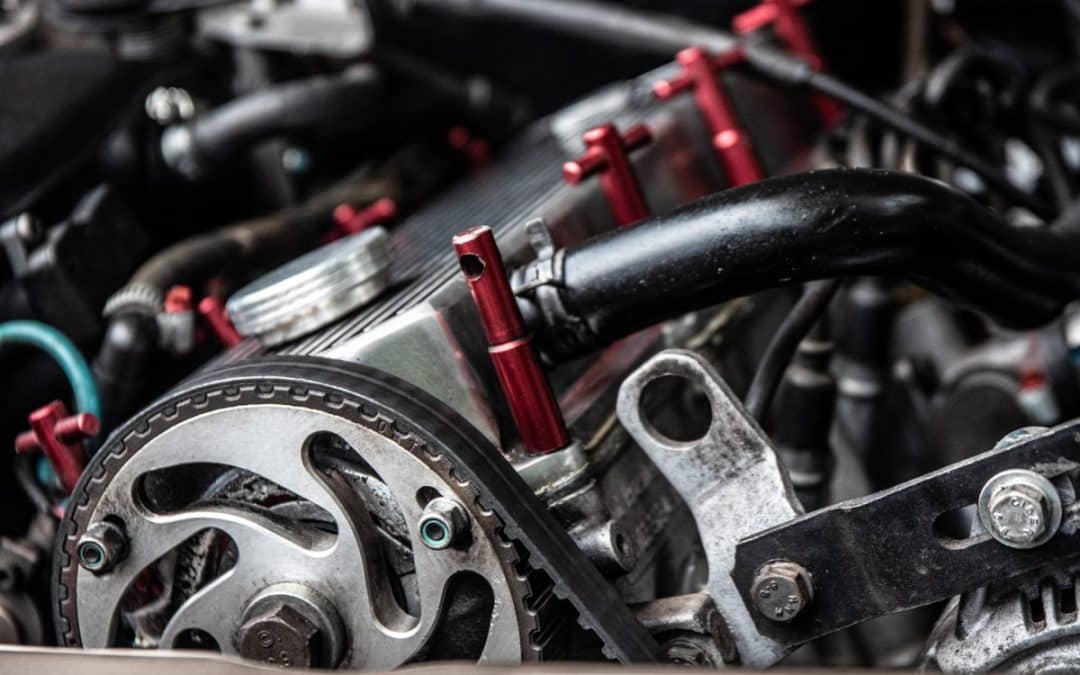
Your engine is a complex machine made up of many moving parts, all working in harmony. The timing belt plays a critical role in this symphony. Its main job is to synchronize the camshaft and crankshaft, making sure the engine’s valves open and close at the right times. This precise timing is essential for efficient engine operation.
Think of the timing belt as the conductor of an orchestra. If it falls out of sync, the entire performance suffers. In engine terms, this can lead to poor performance, increased emissions, and even engine failure. While it’s not a glamorous part of your car, the timing belt is a vital one.
Many drivers aren’t aware of their vehicle’s timing belt or its condition. Unlike oil changes or brake pad replacement, this component doesn’t usually come with obvious warning signs. That’s why proactive maintenance is key.
When to Replace Your Timing Belt
Determining when to replace your timing belt can vary depending on the make and model of your vehicle. Typically, manufacturers recommend replacement every 60,000 to 100,000 miles. However, it’s essential to consult your owner’s manual or a trusted mechanic for specific guidance.
One real-world example involves a customer who brought their car in for brake rotor replacement. During the inspection, it was found that their timing belt was worn beyond safe limits. Thankfully, we caught it before any damage occurred. This scenario highlights why routine checks are necessary, even if you’re just in for a different service like brake rotor replacement or battery testing services.
- Age of the Belt: Even if you haven’t hit the mileage mark, age can degrade the belt. Rubber components like the timing belt can become brittle over time.
- Engine Performance Issues: If you notice your engine misfiring or struggling to start, it could be a sign of timing belt issues.
- Noise: A squealing or ticking noise coming from the engine could indicate a problem with the timing belt.
Ignoring these signs can lead to severe engine damage, so it’s wise to act sooner rather than later. Scheduling factory maintenance services can help catch these issues early.
Why Timing Belt Replacement is Crucial
The timing belt’s role in engine health cannot be overstated. Failure to replace a worn belt can lead to catastrophic engine failure. In some engines, a broken timing belt can cause the pistons and valves to collide. This damage often requires a costly rebuild or even a complete engine replacement.
Consider a customer who ignored their timing belt replacement and ended up needing extensive repairs. The cost exceeded what they would have paid for regular factory scheduled maintenance. This kind of scenario is more common than you might think, and it underscores the importance of being proactive.
Replacing the timing belt as part of your car’s maintenance routine can save you time, money, and stress. It’s a straightforward service that can prevent major headaches down the road.
Choosing the Right Timing Belt Service
When it’s time to replace your timing belt, selecting the right service provider is crucial. Look for a shop that has a reputation for honest and reliable service. A good mechanic will inspect your entire engine, looking for related issues that could affect the timing belt’s performance.
At Sartorial Auto Repairs, we treat timing belt replacement as part of a comprehensive engine health check. We might discover related issues that need attention, such as a fuel pump change or get car electrical repair. By addressing all potential problems at once, we help ensure your engine remains in top condition.
- Experience: Choose a service with experienced mechanics who understand the intricacies of timing belt replacement.
- Comprehensive Service: A thorough mechanic will check for other possible issues, like the need to replace your fuel pump or get your battery tested.
- Transparent Pricing: Avoid shops that give vague estimates or push unnecessary services.
Trust is key when it comes to auto repairs. Look for a mechanic who explains the process clearly and without jargon, just like you would expect from a trusted friend.
The Long-Term Benefits of Timing Belt Maintenance
Maintaining your timing belt doesn’t just prevent immediate engine issues; it also contributes to your car’s overall longevity. Regular maintenance can enhance performance, improve fuel efficiency, and even increase resale value.
Consider timing belt maintenance as an investment in your vehicle’s future. When combined with other routine services like changing brake pads or new brake pads installation, you create a comprehensive care plan for your car. This approach not only keeps your car running smoothly but also provides peace of mind.
Regular maintenance might seem like an unnecessary expense, but it pays off in the long run. The cost of a timing belt replacement pales in comparison to the expense of a full engine rebuild. Plus, it reduces the likelihood of unexpected breakdowns, keeping you safely on the road.
Conclusion
Understanding and maintaining your timing belt is crucial for your engine’s health. By replacing it at the recommended intervals, you can avoid costly repairs and keep your car running smoothly. Remember, a timing belt is more than just a component; it’s a crucial part of your vehicle’s operation.
At Sartorial Auto Repairs, we pride ourselves on honest, transparent service. Whether it’s timing belt replacement, brake rotor replacement, or battery replacement options, we focus on what truly matters: keeping your car safe and reliable. If you’re unsure about your timing belt’s condition, don’t hesitate to get in touch. We’ll give you the straight answer, just like a trusted friend would.
Jun 3, 2024 | Alternators, Auto Repair
It’s a familiar scene for many car owners: you turn the key in the ignition, expecting the engine to roar to life, only to be met with silence or a series of unsettling clicks. This scenario is often the first sign that something might be amiss with your car’s alternator or starter. These components are crucial to your vehicle’s operation, and understanding the signs of their potential failure can save you from unexpected breakdowns and costly repairs.
As someone who’s been under the hood for decades, I know how concerning these issues can be. Many drivers are unsure about what to look for and when to bring their cars in for a check-up. Let’s break down the signs of a failing alternator or starter, how they differ, and what steps you should take if you suspect trouble.
Understanding the Role of the Alternator and Starter
The alternator and starter are two of the most important components in your vehicle’s electrical system. The alternator keeps your battery charged and powers the electrical systems when the engine is running. On the other hand, the starter’s job is to get the engine running in the first place. If either of these parts begins to fail, you’ll notice some changes in your car’s performance.
Signs of a Failing Alternator
A failing alternator can manifest in several ways, and catching these signs early can prevent further damage to your vehicle. Here are some common indicators that your alternator may be on its way out:
- Dim or Flickering Lights: If you notice your headlights or interior lights dimming or flickering, it might be due to the alternator not providing enough power.
- Battery Warning Light: The battery warning light on your dashboard is a sure sign something is wrong. While it could indicate a battery issue, it’s often related to the alternator.
- Strange Noises: Listen for unusual noises like grinding or whining coming from the engine bay. These sounds can result from worn-out alternator components.
- Electrical Failures: If your car’s electrical systems, such as power windows or dashboard lights, start acting up, the alternator might not be supplying enough power.
If you’re noticing these issues, it’s wise to consider vehicle electrical services to diagnose the problem accurately. An experienced mechanic can determine if the alternator needs fixing or if there’s another underlying issue.
Signs of a Failing Starter
When it comes to the starter, the symptoms of failure are somewhat different but equally important to recognize:
- Clicking Sound: One of the most common signs of a bad starter is a clicking noise when you turn the key or press the start button.
- Engine Won’t Turn Over: If the engine doesn’t crank at all, or does so slowly, the starter might be the culprit.
- Intermittent Issues: If your car starts inconsistently, it could mean the starter is beginning to fail.
- Smoke or Burning Smell: These are severe symptoms indicating that the starter is overheating and needs immediate attention.
Recognizing these signs early allows you to get your car repaired before a complete starter failure leaves you stranded.
Real-World Scenarios: Understanding the Impact
Let’s consider a couple of scenarios that might help bring these issues to life. Imagine you’re heading to work on a Monday morning. You reach your car, turn the key, and hear nothing but a faint click. You try again, and still nothing. This is a classic sign of a starter issue. In this case, having auto repair services done quickly could prevent further inconvenience.
Now, picture yourself driving home at night when you notice your headlights dimming. The battery warning light flickers on the dashboard, and your radio starts cutting out. These are clear indicators of a failing alternator. If you don’t explore engines and diagnostics soon, you might end up with a dead battery and a car that won’t start.
When to Bring Your Car in for Repairs
Timing is everything when it comes to addressing alternator and starter issues. The longer you wait, the higher the risk of being stranded or causing further damage to your vehicle. Here’s a simple guide to help you decide when to bring your car in for a check-up:
- Immediate Action: If you experience severe symptoms like smoke, burning smells, or complete system failures, it’s time for immediate auto electrical repair.
- Early Signs: When you first notice symptoms like dimming lights or clicking noises, schedule an appointment with a trusted mechanic.
- Routine Maintenance: Regular auto maintenance service can often catch these issues before they become significant problems.
Routine check-ups and oil change services are not just about keeping your car running smoothly; they’re about catching potential problems before they leave you stranded.
Practical Tips for Prevention
Preventing alternator and starter issues can save you time and money. Here are some practical tips to keep in mind:
- Regular Inspections: During every get your car serviced appointment, ask your mechanic to inspect the alternator and starter.
- Keep Your Battery in Good Shape: A healthy battery reduces stress on both the alternator and starter.
- Listen to Your Car: Pay attention to any unusual sounds or dashboard warnings. These are early indicators that something might be wrong.
By staying vigilant and proactive, you can avoid the headaches and expenses that come with alternator and starter failures.
Conclusion
Being aware of the signs of a failing alternator or starter can make all the difference in maintaining your vehicle’s reliability. Whether it’s dimming lights or a reluctant engine start, don’t ignore these symptoms. Bringing your car to a trusted mechanic for engine diagnostics services or vehicle electrical services can ensure you stay on the road rather than stuck on the side of it.
Remember, at Sartorial Auto Repairs, we’re here to help keep your car running smoothly. Whether you need to fix your vehicle or just have a few questions, we’re just a call or visit away. Stay proactive, and you’ll keep your car in top shape for years to come.

May 15, 2024 | Auto Repair, Spark Plugs
When your car is running smoothly, it’s easy to forget about the little parts that keep it going. One such part that often gets overlooked is the spark plug. Though small, these components play a crucial role in your car’s engine performance and overall health. Understanding the importance of spark plugs can help you make informed decisions when it’s time for an engine tune-up.
Many drivers only think about spark plugs when there’s a problem. Maybe the engine is misfiring, or the check engine light suddenly flashes on. While these are signs you might need to get your engine diagnosed, routine maintenance of spark plugs can prevent such issues from occurring in the first place. Let’s dive into why spark plugs are essential and how they fit into the bigger picture of engine tune-ups.
What Spark Plugs Do for Your Engine
Spark plugs are small, but they have a big job. They ignite the air-fuel mixture in your car’s cylinders, creating the explosion that powers the engine. This process happens thousands of times per minute, so having reliable spark plugs is vital.
The Role of Spark Plugs in Combustion
Every time you start your engine, the spark plugs create a spark that ignites the air and fuel mixture. This explosion pushes the pistons down, turning the crankshaft and ultimately powering your vehicle. Without this spark, the engine simply won’t run.
- Efficiency: A well-functioning spark plug ensures that the engine runs efficiently, providing optimal power and fuel economy.
- Emissions: Proper combustion also means fewer emissions, which is better for the environment and your wallet.
- Performance: Regularly checked spark plugs help maintain peak vehicle performance.
When spark plugs wear out, they can cause a range of issues. You might notice reduced fuel efficiency, increased emissions, or even engine misfires. If you’re experiencing these problems, it may be time to diagnose engine misfire or consider replacing the spark plugs as part of a routine tune-up.
Signs Your Spark Plugs Need Attention
While routine maintenance is ideal, sometimes spark plugs give signals that they need attention. Recognizing these signs early can prevent more significant problems down the road.
Common Symptoms of Bad Spark Plugs
Here are a few symptoms that might indicate your spark plugs are due for a change:
- Difficulty Starting: If your car struggles to start, it could be a sign that the spark plugs are not generating a strong enough spark.
- Engine Misfires: Misfires can cause a jerky ride and should be addressed promptly. If this is happening, it’s wise to get your engine diagnosed.
- Poor Fuel Economy: Worn out spark plugs can cause your engine to burn more fuel than necessary.
- Rough Idling: If your engine feels rough while idling, the spark plugs might not be firing correctly.
- Check Engine Light: A flashing or steady check engine light may indicate spark plug issues. Consider a check engine light diagnosis to determine the root cause.
Real-World Example
Consider a scenario where a driver notices a drop in fuel efficiency and a rough idle. After a quick inspection, it’s determined that the spark plugs are worn out. Replacing them not only resolves these issues but also restores the car’s performance and fuel economy. Such a simple maintenance task can prevent larger, more costly repairs down the road.
The Importance of Regular Tune-Ups
Many car owners wonder how often they should replace their spark plugs. The answer varies depending on the type of spark plugs and the vehicle’s age and model. However, a good rule of thumb is to include spark plug inspection in your regular tune-up schedule.
Benefits of Regular Spark Plug Maintenance
Routine maintenance helps keep your engine running smoothly and can prevent unexpected issues. Here are some benefits:
- Prevention of Engine Problems: Regular maintenance can catch issues before they become significant.
- Improved Engine Performance: New spark plugs can enhance engine performance and responsiveness.
- Cost Savings: Addressing minor issues during a tune-up is often less costly than repairing major failures later.
During a tune-up, your mechanic will check the spark plugs for wear and tear, carbon build-up, and proper gap spacing. If any issues are found, they can be addressed swiftly, ensuring your car continues to run at its best.
Case Study
A customer regularly brings their vehicle in for tune-ups, including spark plug checks. During one visit, worn spark plugs were identified and replaced. The customer avoided potential engine misfires and costly repairs, highlighting the value of regular maintenance.
Choosing the Right Spark Plugs
Not all spark plugs are created equal. Different engines require specific types of spark plugs, and using the wrong kind can lead to performance issues.
Types of Spark Plugs
Here’s a quick overview of the main types of spark plugs:
- Copper: These are the most common and generally the least expensive. They work well in older vehicles.
- Platinum: These offer better durability than copper and can improve engine efficiency.
- Iridium: Known for their long lifespan, iridium spark plugs are often used in newer vehicles.
Choosing the right spark plugs for your vehicle can make a significant difference in performance and longevity. Consult with a trusted mechanic to ensure you’re using the right type for your car.
Example Scenario
A driver of a newer model car opts for iridium spark plugs during a tune-up. This choice results in smoother engine performance and fewer emissions, demonstrating the importance of selecting suitable parts for your vehicle.
Conclusion
Spark plugs may not be the first thing you think about when maintaining your car, but they are critical to engine health. Regular inspections and timely replacements can prevent issues like engine misfires and poor fuel economy. If you’re experiencing any signs of spark plug wear, or if it’s simply time for a tune-up, consider reaching out to a professional for a thorough check.
Keeping an eye on your car’s needs ensures a smoother ride and contributes to its longevity. Whether you’re dealing with spark plugs or need a check engine light diagnosis, taking action sooner rather than later is always the best approach. Remember, a little maintenance now can save you from bigger headaches down the road.
May 2, 2024 | Auto Repair, Drive Belts
Understanding the various components of your vehicle can seem daunting, especially when it comes to something like drive belts. These essential parts play a significant role in the smooth operation of your car, and knowing their functions can help you make informed decisions about maintenance and repairs. Let’s break down what drive belts are, the different types, and how they keep your vehicle running efficiently.
What Are Drive Belts?
Drive belts are crucial components in your vehicle’s engine system. They are made of rubber and are responsible for transferring power from the engine to various parts of the vehicle. This power transfer enables components such as the alternator, power steering pump, air conditioning compressor, and water pump to function properly.
Think of drive belts as the unsung heroes of your vehicle’s engine. Without them, many of the systems in your car would not operate, leading to a less efficient and potentially unsafe driving experience. Regular checks and maintenance of these belts are vital to ensure they are in good condition and performing as expected.
Types of Drive Belts
There are several types of drive belts, each with unique functions. Understanding these differences can help you identify what your vehicle needs and when it might be time for a replacement.
Serpentine Belts
The serpentine belt is the most common type of drive belt found in modern vehicles. It is a long, continuous belt that snakes around several different components in the engine. This single belt powers multiple peripheral devices, making it both efficient and economical.
- Advantages: Serpentine belts are easy to replace and maintain. They also tend to last longer than other types of belts.
- Signs of Wear: Look for cracks, fraying, or glazing on the belt’s surface. Unusual noises like squealing can also indicate that the belt needs attention.
Regularly inspecting the serpentine belt is a part of maintaining high-mileage cars. Ensuring it is in good condition can prevent breakdowns and costly repairs.
Timing Belts
Timing belts are another critical type of drive belt. They synchronize the rotation of the crankshaft and camshaft, ensuring the engine’s valves open and close at the right times during the intake and exhaust strokes.
- Advantages: Timing belts are quieter and offer precise timing for engine components.
- Signs of Wear: Look for wear and tear, and replace them at the manufacturer’s recommended intervals to prevent engine damage.
Timing belt failure can lead to severe engine damage, so it’s crucial to follow the recommended replacement schedule. If you’re unsure, book pre-purchase car inspection to check the condition of the timing belt and other crucial components.
V-Belts
V-belts, or fan belts, are older types of belts that are still found in some vehicles. Unlike serpentine belts, V-belts are typically used to power one or two components.
- Advantages: V-belts are easy to replace and can be inexpensive.
- Signs of Wear: Look for cracks, splits, or a shiny appearance on the belt. A slipping belt can also indicate it needs replacement.
While V-belts are less common in newer models, they remain a staple in older vehicles. If you drive an older car, regular checks on your V-belts should be part of your high-mileage car services.
How Drive Belts Affect Your Vehicle’s Performance
The condition of your drive belts directly impacts your vehicle’s performance. A worn or broken belt can lead to a loss of power to essential systems, affecting everything from steering to air conditioning.
Impact on the Alternator and Battery
Drive belts power the alternator, which charges the battery and powers the electrical systems. A slipping or broken belt can prevent the alternator from charging the battery effectively, leading to a dead battery and potential breakdowns.
If you’re experiencing electrical issues, it might be time to look into car wiring solutions to ensure your vehicle’s electrical systems are in top shape.
Effect on the Power Steering
A functioning power steering system is crucial for easy maneuverability. If the drive belt powering the power steering pump fails, steering becomes difficult and could lead to unsafe driving conditions.
Regular checks and maintenance of your drive belts can prevent issues with power steering, ensuring a safe and comfortable driving experience.
Influence on the Air Conditioning System
Drive belts also power the air conditioning compressor. A faulty belt can lead to an ineffective AC system, making for an uncomfortable ride, especially in hot weather.
Ensuring your drive belts are in good condition is part of routine vehicle inspection service, helping you stay cool and comfortable on the road.
Maintaining and Replacing Drive Belts
Regular maintenance and timely replacement of drive belts are essential to your vehicle’s health. Here are some practical tips to keep your drive belts in optimal condition:
- Regular Inspections: Check your belts for signs of wear, including cracks, fraying, or glazing.
- Tension Checks: Ensure your belts have the right tension. Too loose or too tight can lead to premature wear and failure.
- Follow Manufacturer’s Guidelines: Adhere to the recommended replacement schedules from your vehicle’s manufacturer.
- Professional Help: If you’re unsure about the condition of your belts, get your vehicle maintained by professionals who can provide expert advice and service.
Replacing drive belts before they fail can prevent more significant issues down the road. Staying proactive with your car’s maintenance ensures a smooth and reliable driving experience.
Conclusion: Keeping Your Vehicle Running Smoothly
Understanding the different types of drive belts and their functions can empower you to take better care of your vehicle. Regular inspections and timely replacements prevent breakdowns and ensure your car’s systems operate efficiently.
Whether you’re driving a conventional car or need hybrid maintenance solutions, paying attention to your drive belts is essential. If you’re purchasing a used vehicle, schedule a vehicle inspection to catch any potential issues early. By keeping your drive belts in good condition, you can enjoy a reliable and comfortable ride for years to come.
May 1, 2024 | Auto Repair, Tune-Ups
When it comes to maintaining your vehicle, engine tune-ups are often mentioned as a crucial part of keeping your car running smoothly. However, not everyone fully understands what an engine tune-up entails or if it’s even necessary. At Sartorial Auto Repairs, we believe in clearing up misconceptions and providing you with straightforward information so you can make informed decisions about your car. Let’s separate the facts from the myths surrounding engine tune-ups.
Understanding What an Engine Tune-Up Really Is
An engine tune-up is an umbrella term used to describe a series of maintenance tasks aimed at keeping the engine in optimal condition. It’s not a one-size-fits-all service, and the specifics can vary based on your car’s make, model, and age. Typically, a tune-up may include checking spark plugs, replacing air filters, inspecting belts and hoses, and ensuring the ignition system is functioning properly.
Common Misconceptions About Engine Tune-Ups
One common myth is that an engine tune-up will fix all issues related to engine performance. While tune-ups are essential for maintaining engine efficiency, they won’t solve every problem. For instance, if you’re experiencing issues that point towards a specific component, like the fuel system or the exhaust, you might need more targeted services such as fuel system repair services or install catalytic converter shields.
- Myth: Tune-ups are only for older cars.
- Fact: Even modern vehicles benefit from regular maintenance checks to ensure they’re running efficiently.
- Myth: A tune-up is expensive and unnecessary.
- Fact: Regular tune-ups can prevent costly repairs down the line by catching minor issues early.
Signs Your Car Might Need a Tune-Up
Understanding when your car needs a tune-up can help you avoid potential issues. Here are some signs that it might be time to get your engine checked:
Decreased Fuel Efficiency
If you’ve noticed that your car is consuming more fuel than usual, it might be time for a tune-up. Components like spark plugs and air filters can affect fuel efficiency if they’re worn out. Regular checks can help maintain your vehicle’s performance and save on fuel costs. Sometimes, a simple adjustment or replacement during a car maintenance options session can make a big difference.
Rough Idling or Stalling
Is your car idling roughly or stalling unexpectedly? These are common indicators that your engine might need some attention. A tune-up can help diagnose and rectify issues causing these symptoms, ensuring smoother operation. If the problem persists, further engine diagnostics services might be necessary to pinpoint the exact cause.
Difficulty Starting the Car
Struggling to start your car in the morning? This could be a sign of an underlying issue that a tune-up can address. Often, problems with the ignition system or battery connections are to blame. In these cases, a thorough inspection and necessary adjustments can restore your car’s reliable performance.
What Happens During a Tune-Up?
At Sartorial Auto Repairs, our tune-ups are tailored to your vehicle’s specific needs. Here’s a look at what you can generally expect:
Inspection and Replacement of Spark Plugs
Spark plugs play a critical role in engine performance. During a tune-up, we check their condition and replace them if necessary. This simple step can enhance your car’s ignition efficiency and performance.
Checking and Replacing Filters
Air and fuel filters prevent contaminants from entering the engine. A clogged filter can impede performance and efficiency. We examine these components and replace them as needed to keep your engine breathing easily.
Inspecting Ignition and Emission Systems
A thorough tune-up involves examining the ignition system and emissions control system. This ensures that your car runs cleanly and efficiently, contributing to better fuel economy and reduced emissions.
Fluid Checks and Adjustments
We inspect various fluids, including oil, coolant, and transmission fluid, to ensure they are at optimal levels. If necessary, we suggest you schedule oil change or other fluid services to maintain your vehicle’s health.
The Benefits of Regular Tune-Ups
Regular engine tune-ups offer several benefits that extend beyond just improving performance. They can help prolong the life of your vehicle and prevent unexpected breakdowns.
Improved Engine Performance
Consistent tune-ups ensure your engine components are in top condition, leading to better performance. This means smoother driving, better acceleration, and overall enhanced driving experience.
Prolonged Engine Life
By addressing issues before they escalate, tune-ups can extend the lifespan of your engine. Routine checks allow us to catch small problems and fix them before they cause significant damage.
Cost Savings
While tune-ups require an investment, they can save you money in the long run. Preventive maintenance helps avoid major repairs, keeping your vehicle running efficiently and reducing the risk of costly breakdowns.
Peace of Mind
Knowing your vehicle is in good hands provides peace of mind. At Sartorial Auto Repairs, we treat your car like our own. Whether you need to fix your vehicle or explore auto repair services, we’re here to help with honesty and expertise.
Engine tune-ups might seem like just another expense, but they’re a vital part of responsible car ownership. They keep your engine performing well and extend the life of your vehicle. At Sartorial Auto Repairs, we take pride in offering thorough and honest service, ensuring you understand what your car needs and why. If you’re unsure about the last time you had a tune-up, consider coming in for a check-up. We’re here to keep you driving smoothly and safely. No pressure, just honest advice from mechanics you can trust.
Apr 16, 2024 | Auto Repair
When it comes to car maintenance, the battery might not always be the first thing on your mind. Yet, its significance cannot be overstated. The battery is the heart of your vehicle’s electrical system, powering everything from the engine to the lights. Choosing the right battery is crucial, and opting for an Original Equipment Manufacturer (OEM) battery can make a significant difference. In this post, we’ll explore why using OEM batteries is essential for your car’s performance and longevity. We’ll dig into the benefits, potential downsides of alternatives, and provide practical advice to keep your car running smoothly.
Understanding OEM Batteries
OEM batteries are designed and manufactured by the same company that produced the original parts for your vehicle. This means they meet the specific requirements and standards set by your car’s manufacturer. The primary advantage of using an OEM battery is compatibility. These batteries are tailored to fit your car precisely, ensuring optimal performance without any hiccups.
For instance, if you drive a vehicle that relies heavily on electronic components, an OEM battery will provide the consistent power needed to keep everything running efficiently. Non-OEM batteries might not offer the same level of reliability, leading to potential issues down the line.
- Compatibility: OEM batteries are made to fit your car model’s specifications perfectly, reducing the risk of electrical issues.
- Quality Assurance: Since they are produced by the original manufacturer, you can trust their quality and performance.
- Reliability: OEM batteries are tested rigorously to ensure they meet all necessary standards, offering peace of mind.
Consider a scenario where your car’s electrical system is a bit temperamental. Using a non-OEM battery might exacerbate these issues, leading to frequent trips to the mechanic. By choosing an OEM battery, you align with the design and engineering already in place, minimizing the likelihood of electrical problems.
The Risks of Using Non-OEM Batteries
While non-OEM or aftermarket batteries might seem like a cost-effective alternative, they often come with hidden drawbacks. These batteries might not always meet the high standards set by car manufacturers, leading to potential compatibility issues and reduced lifespan. Let’s delve into why opting for non-OEM batteries can be a gamble.
One common problem with non-OEM batteries is that they may not provide the same power output as an OEM battery. This can lead to insufficient power for your car’s electronics, affecting everything from your headlights to your infotainment system.
- Power Output: Non-OEM batteries might not deliver consistent power, leading to performance issues.
- Shorter Lifespan: These batteries are often not built to last as long as OEM options, resulting in more frequent replacements.
- Potential Damage: Improper fit or power output can cause damage to your car’s electrical system over time.
Consider a scenario where your car’s warning lights start to flicker unexpectedly. This could be an indication that the battery is not supplying consistent power. In such cases, it’s crucial to check warning lights thoroughly or inspect car warning lights with professional help to avoid unnecessary damage.
Maximizing Car Performance with OEM Batteries
OEM batteries are not just about reliability; they can also enhance your car’s overall performance. A well-functioning battery ensures that your vehicle’s electronic systems operate at peak efficiency. Whether it’s maintaining optimal engine performance or ensuring your vehicle starts smoothly every time, OEM batteries play a pivotal role.
For example, imagine you’re planning a long road trip. The last thing you want is to encounter issues like an engine misfire or a sudden battery failure. Investing in an OEM battery reduces these risks, enabling you to travel with confidence.
- Enhanced Performance: Regular power supply ensures optimal performance of all vehicle systems.
- Consistent Starting Power: OEM batteries provide the reliability needed for consistent engine starts.
- Long-Term Cost Savings: Although initially more expensive, OEM batteries can save money by reducing repair needs.
In addition to the battery, it’s important to maintain other components like the alternator and starter. If you ever find yourself needing to fix the alternator or facing starter issues, ensuring these parts are compatible with your OEM battery is crucial. This alignment maximizes your vehicle’s efficiency and longevity.
Additional Tips for Battery Maintenance
While choosing the right battery is crucial, proper maintenance is equally important. Taking care of your OEM battery can further extend its lifespan and ensure your car runs smoothly. Here are some practical tips to help maintain your battery’s health:
- Regular Inspections: Frequently check your battery for signs of wear or corrosion. Clean the connections if necessary to ensure a strong connection.
- Monitor Power Levels: Use a multimeter to check your battery’s voltage regularly. This helps identify potential issues early.
- Check for Parasitic Drains: Ensure no devices or systems are draining the battery when the car is off.
- Maintain Fluid Levels: If your battery is not sealed, check and maintain the water levels periodically.
If you notice any issues, it might be time to replace your battery. Testing and replacing batteries as needed is key to avoiding unexpected breakdowns. Keeping an eye on your battery’s health helps prevent situations where you might need emergency services like engine misfire diagnosis or repair your starter unexpectedly.
Conclusion
Opting for an OEM battery is a decision that can significantly impact your car’s performance and longevity. These batteries offer unmatched compatibility, reliability, and quality, making them a wise investment for any vehicle owner. While non-OEM options might seem tempting, the risks often outweigh the benefits. By choosing an OEM battery and maintaining it properly, you’re ensuring your car remains a reliable companion on the road. So next time you’re considering a battery replacement, remember the long-term advantages of sticking with OEM parts.

Apr 1, 2024 | Auto Repair, Pre-Purchase Inspections
Buying a car is a significant investment, and whether you’re purchasing a new or used vehicle, it’s essential to ensure you’re making a wise decision. One of the best ways to protect yourself from potential issues is by arranging a pre-purchase vehicle inspection. This comprehensive guide will walk you through everything you need to know about these inspections and why they are a crucial step in the car-buying process.
Understanding Pre-Purchase Vehicle Inspections
A pre-purchase vehicle inspection is an in-depth evaluation conducted by a professional mechanic to assess the condition of a car before you finalize your purchase. This inspection is particularly important when buying a used car, as it can uncover hidden problems that the seller may not disclose or even be aware of.
During the inspection, the mechanic will examine various aspects of the vehicle, including the engine, transmission, brakes, suspension, and more. This thorough check aims to identify any existing issues or potential future problems. By knowing the car’s condition upfront, you can make an informed decision, negotiate a better price, or avoid a costly mistake.
Why You Should Book Pre-Purchase Car Inspection
Getting a pre-purchase inspection might seem like an extra step in the buying process, but it can save you from significant headaches down the road. Here’s why it’s worth considering:
- Uncover Hidden Problems: Not all issues are visible or apparent during a test drive. An expert eye can spot problems that might be overlooked, such as frame damage or engine troubles.
- Negotiate a Better Deal: If the inspection reveals issues, you could use this information to negotiate a lower price or request that the seller address the problems before the sale.
- Peace of Mind: Knowing that a professional has thoroughly inspected the vehicle can give you confidence in your purchase decision.
What to Expect During the Inspection
When you schedule a vehicle inspection, the mechanic will perform a detailed evaluation of the car. Here’s an overview of what they typically check:
Exterior and Interior Examination
The inspection starts with a visual check of the car’s body and interior. The mechanic will look for signs of previous accidents, rust, and paint inconsistencies. Inside, they’ll assess the condition of the seats, dashboard, and electronics.
For instance, if you notice mismatched paint or uneven panel gaps, it could indicate past bodywork. Similarly, worn-out seats or malfunctioning controls might suggest extensive use or neglect.
Engine and Transmission Check
The heart of the vehicle, the engine, will be thoroughly inspected. The mechanic will listen for unusual noises and check for leaks or worn components. They’ll also evaluate the transmission to ensure it shifts smoothly without any delays or noises.
Imagine discovering an oil leak or hearing knocking sounds during this check. Such findings can alert you to potential engine troubles that might require costly repairs down the line.
Brake System Evaluation
Brakes are vital for safety, so the mechanic will inspect the brake pads, rotors, and fluid. If anything seems worn or damaged, they might suggest getting brake pads replaced or recommend a brake rotor replacement.
For example, if the brakes feel spongy or make a grinding noise, it could mean it’s time to schedule brake inspection or change the pads.
Real-World Scenarios and Examples
Let’s consider a few scenarios where a pre-purchase inspection could have a significant impact:
Scenario 1: The Hidden Engine Issue
John found a used car online that seemed perfect. It drove well during the test drive, but after booking a pre-purchase car inspection, the mechanic discovered early signs of engine trouble. Armed with this information, John could either negotiate a lower price or decide against buying a potential lemon.
Scenario 2: The Brake Surprise
Sarah was ready to buy a pre-owned SUV. During the inspection, the mechanic found the brake system was nearing the end of its life. Instead of facing an unexpected repair bill after purchase, Sarah used this insight to have the seller handle the brake pad replacement before finalizing the deal.
Scenario 3: The Cosmetic Cover-Up
Mark loved the look of a sports car he found at a dealership. A thorough inspection revealed extensive bodywork, indicating a previous severe accident. This hidden history came as a surprise, but Mark was glad to avoid purchasing a car with potential structural issues.
Making the Most of Your Inspection
Now that you understand the importance of pre-purchase inspections, here’s how to make the most of it:
- Choose a Reliable Mechanic: Opt for a professional with a solid reputation and experience. They should be thorough and provide a detailed report.
- Be Present: If possible, attend the inspection. It allows you to ask questions and see any issues firsthand.
- Review the Report: Carefully read through the inspection report. Ask the mechanic to explain any technical terms or findings you don’t understand.
Final Thoughts
A pre-purchase vehicle inspection is a small investment that can save you from significant expenses and stress. By ensuring the car you’re buying is in good shape, you protect yourself from unforeseen repairs and get more value for your money.
If you’re considering a car purchase, don’t skip this crucial step. Schedule a vehicle inspection with a trusted mechanic to ensure peace of mind and a wise investment. Remember, when it comes to buying a car, knowledge is power, and a thorough inspection is your best tool for making an informed decision.
Mar 29, 2024 | Auto Repair, Car Warranties
Buying a car is a significant investment, and when you drive off the lot, you want to be confident in your purchase. Car dealerships often offer warranty coverage to provide peace of mind, but not all warranties are created equal. While these warranties might sound comprehensive, they can contain fine print that leaves car owners surprised when they need repairs. Understanding what your dealership might not be telling you is crucial to making informed decisions about your vehicle’s maintenance and repair needs.
Understanding Warranty Coverage Basics
Car warranties are designed to protect you from paying out-of-pocket for certain repairs during a specified period. Typically, these warranties cover parts and repairs that are due to manufacturing defects. However, they often exclude wear and tear or damage resulting from accidents or misuse.
For instance, if your car battery fails due to a manufacturing defect, it might be covered under warranty. But if it dies because you left the lights on overnight, you might need to look at battery testing services instead.
Types of Car Warranties
Dealerships generally offer several types of warranties:
- Bumper-to-Bumper Warranty: This is the most comprehensive warranty, covering most parts of the vehicle except those that wear out regularly, like brake pads and tires.
- Powertrain Warranty: This covers the engine, transmission, and other parts that make the car move.
- Extended Warranty: Often sold separately, this extends the coverage period for certain parts beyond the original warranty.
Each warranty type has its limits and exclusions, and understanding these can save you from unexpected expenses.
Common Misconceptions About Car Warranties
Car warranties can be complicated, and dealerships might not always clarify the limitations and exclusions. Here are some misconceptions that could lead to costly surprises:
Everything is Covered
A common myth is that warranties cover every single issue that might arise. In reality, they often exclude routine maintenance tasks. For instance, if you need a brake inspection or need to get brake pads replaced, these might not be covered under a standard warranty. Instead, these are considered wear-and-tear items.
Using Non-Dealer Services Voids the Warranty
Some dealerships suggest that having your car serviced by anyone other than them will void your warranty. This isn’t true. As long as you adhere to the maintenance schedule and use quality parts, your warranty remains intact. Independent shops can often perform services at a lower cost than dealerships.
Consider this: you’re experiencing issues with your car’s braking system. While the dealership might suggest expensive repairs, an independent mechanic could offer cost-effective solutions and still keep your warranty valid.
What You Should Know Before Repairs
Before you agree to any repairs, it’s crucial to understand what your warranty covers and what it doesn’t. This knowledge can prevent unnecessary expenses and ensure you’re not paying for something that’s supposed to be covered.
Read the Fine Print
The details of your warranty are in the fine print, which can be tedious but necessary to read. It will outline what’s covered and any conditions or exclusions. For example, some warranties might require you to use only OEM (Original Equipment Manufacturer) parts, which can be more expensive.
Ask Questions
Never hesitate to ask questions if something is unclear. If you find yourself needing a diagnose ABS warning light service, clarify whether this is covered under your warranty. Understanding what you’re entitled to can prevent surprise charges.
Imagine a scenario where your car’s warning lights suddenly activate. You might rush to the dealership, but checking whether your warranty covers diagnostics for warning lights can save you time and money.
Making the Most of Your Warranty
To fully leverage your car’s warranty, proactive steps can ensure you’re maximizing its benefits while minimizing unexpected costs.
Keep Up with Scheduled Maintenance
Regular maintenance is key to preventing larger issues that might not be covered by your warranty. By keeping up with services like professional fuel system repair or rotor replacement service, you maintain your car’s health and warranty validity.
Consider a situation where something as simple as a clogged fuel filter could lead to bigger engine problems. Regular maintenance checks can catch these issues early, saving you from more significant repairs.
Document Everything
Maintain a record of all the services and repairs performed on your vehicle. This documentation is crucial if you need to prove that you’ve complied with warranty terms. Receipts, repair orders, and even notes from conversations with service providers can be helpful.
For example, if your car’s catalytic converter needs protection and you decide on a catalytic converter shield installation, keep the documentation. It can serve as proof of preventive measures taken to protect your investment.
Final Thoughts on Car Warranty Coverage
Understanding your car warranty is essential for making informed decisions about repairs and maintenance. By knowing what’s covered, reading the fine print, and asking the right questions, you can avoid unnecessary costs and ensure your vehicle is well-maintained.
At Sartorial Auto Repairs, we strive to provide clear, honest advice and quality service. Whether you need routine maintenance or specific repairs, we’re here to help you understand your options and make the best decision for your vehicle. Contact us when you’re ready for reliable service without the runaround.
Mar 6, 2024 | Auto Repair, Fuel Efficiency
When it comes to saving money at the pump, many drivers overlook one of the most effective strategies: regular vehicle tune-ups. While some might view tune-ups as an unnecessary expense, the truth is that maintaining your car can lead to significant savings in fuel costs over time. At Sartorial Auto Repairs, we believe in empowering car owners with the knowledge they need to make informed decisions about their vehicles. Let’s delve into how tune-ups can help maximize your fuel efficiency and keep more cash in your pocket.
Understanding the Role of Tune-Ups in Fuel Efficiency
Most cars require periodic tune-ups to function optimally. These services address various components under the hood that can affect how efficiently your vehicle uses fuel. When these components are neglected, your car has to work harder, consuming more gas than necessary.
Key Components Checked During a Tune-Up
A comprehensive tune-up involves inspecting and servicing several crucial parts of your vehicle. Here’s what typically gets attention:
- Spark Plugs: Worn or dirty spark plugs can cause misfires, leading your engine to burn more fuel.
- Air Filter: A clogged air filter limits airflow to the engine, reducing efficiency.
- Fuel Injectors: Keeping your fuel injectors clean is vital for maintaining proper fuel spray and combustion.
- Oxygen Sensors: These sensors help manage the air-fuel mixture. Faulty sensors can result in poor fuel economy.
By addressing these issues during a tune-up, you ensure that your car runs smoothly and efficiently. This not only boosts fuel efficiency but also enhances overall performance.
Real-World Scenario: The Impact of Neglected Spark Plugs
Consider a driver who hasn’t changed their spark plugs in several years. They notice their fuel economy has decreased, but attribute it to the car’s age. After a tune-up, which includes replacing the spark plugs, they find their gas mileage improves significantly. This simple change can lead to savings of hundreds of dollars in fuel costs over the car’s lifespan.
The Financial Benefits of Regular Tune-Ups
While the upfront cost of a tune-up might seem daunting, the financial benefits far outweigh the expense. Here’s how regular tune-ups can save you money:
Reducing Fuel Consumption
When your vehicle runs efficiently, it consumes less fuel. This is particularly important as fuel prices continue to fluctuate. Regular tune-ups ensure that your engine is in top condition, optimizing fuel use and reducing trips to the gas station.
Preventing Expensive Repairs
Addressing small issues during a tune-up can prevent them from turning into costly repairs. For instance, neglecting fuel injector cleaning can lead to clogs, resulting in poor fuel delivery and potential engine damage. By investing in a fuel injector cleaning service, you can avoid these expensive repairs down the road.
Real-World Scenario: Avoiding a Fuel Pump Replacement
A car owner who skips regular maintenance might face a fuel pump replacement sooner than expected. By keeping up with tune-ups, they can extend the life of their fuel pump, avoiding the higher costs associated with a fuel pump change. This proactive approach can save hundreds, if not thousands, of dollars over time.
How Tune-Ups Improve Your Driving Experience
Beyond saving money, regular tune-ups can greatly enhance your overall driving experience. Here’s how:
Smoother Engine Performance
When your car is well-maintained, you’ll notice a smoother ride. Engine misfires become less frequent, and acceleration improves, making your driving experience more enjoyable.
Increased Reliability
Regular tune-ups can also increase your car’s reliability. Knowing that your vehicle is less likely to break down gives you peace of mind, especially during long trips. This reliability extends to other systems as well, such as your brakes. While you’re focused on fuel efficiency, it might be wise to inspect your brakes as part of regular maintenance. After all, well-maintained brakes are just as important for a safe and efficient ride.
Real-World Scenario: Diagnosing an ABS Warning Light
A driver notices their ABS warning light has come on but doesn’t think much of it. During a tune-up, the mechanic performs an ABS warning light check and discovers a minor issue that could have led to brake failure if left unchecked. Addressing this early not only prevents a dangerous situation but also avoids potentially expensive repairs.
Taking Action: Scheduling Your Next Tune-Up
Now that you understand the importance of regular tune-ups in maximizing fuel efficiency, it’s time to take action. Scheduling a tune-up can be a simple yet effective way to improve your car’s performance and save money on fuel.
Consider making tune-ups a regular part of your vehicle maintenance routine. Whether it’s addressing spark plugs, checking your air filters, or undergoing a fuel injector cleaning, these services keep your car running smoothly and efficiently. Additionally, don’t forget to get your fuel system fixed when necessary to prevent more serious issues down the line.
At Sartorial Auto Repairs, we’re here to help you keep your vehicle in top shape. Contact us today to schedule your next tune-up and start enjoying the benefits of better fuel efficiency and a smoother ride. After all, maintaining your car is a smart investment that pays off at the pump and beyond.

