
Feb 2, 2024 | Auto Repair
When it comes to car maintenance, most drivers are familiar with the basics. You know to keep your tires inflated, check your oil, and ensure your brakes are in good condition. But when it comes to your car battery, many drivers only think about it when it fails to start their vehicle. While jump-starting can be a temporary fix, there are several lesser-known factors that can affect the health of your car battery. Understanding these factors can save you from unexpected breakdowns and extend the lifespan of your battery.
Temperature Extremes and Their Impact on Battery Life
One of the most significant yet often overlooked factors affecting your car battery is temperature. Both extreme heat and cold can have adverse effects on battery performance and longevity. In hot weather, the fluid inside your battery can evaporate, leading to decreased efficiency and a shorter lifespan. Cold temperatures, on the other hand, slow down the chemical reactions inside your battery, reducing its ability to hold a charge.
Real-World Scenario: Winter Challenges
Imagine you’re heading out on a cold winter morning. You hop into your car, turn the key, and hear nothing but a click. This is a common scenario where the cold has taken its toll on your battery. In such cases, it’s not just about getting a jump start; it might be time to explore battery replacement options to ensure reliability through the winter months.
To combat these temperature effects, it’s wise to get your battery tested regularly, especially before the onset of extreme weather. Many auto repair shops offer battery testing services that can evaluate the health of your battery and predict potential failures before they leave you stranded.
Short Trips and Their Hidden Consequences
Short trips might seem harmless, but they can gradually drain your battery’s power. Each time you start your car, the battery expends energy to power the starter and other electronic components. If you frequently take short trips, your battery might not get enough time to recharge fully.
Real-World Scenario: The Daily Commuter
Consider a daily commuter who only drives a few miles to work each day. While convenient, this routine doesn’t allow the battery to recharge fully between starts. Over time, this can lead to a weakened battery that struggles to hold a charge. To prevent such an issue, it’s beneficial to take your car on longer drives occasionally to ensure the battery gets a full charge.
If you find yourself frequently using your car for short trips, it might be time to schedule your maintenance and have your battery evaluated. This proactive approach can help identify any underlying issues before they turn into major problems.
Parasitic Drains and Their Unnoticed Impact
Parasitic drains occur when electronic systems or accessories continue to draw power from your battery even after the car is turned off. This can include anything from interior lights to aftermarket installations that aren’t properly wired.
Real-World Scenario: The Forgotten Charger
Picture this: you leave your phone charger plugged into the cigarette lighter socket, thinking it’s harmless. Over time, even small drains like this can add up, especially if your car sits unused for extended periods. These drains can discharge your battery, leaving it unable to start the car when needed.
To minimize parasitic drains, ensure all accessories are turned off before leaving your vehicle. If you suspect a problem, it’s a good idea to get your battery tested to determine if parasitic drains are affecting its performance. Addressing these issues promptly can save you from the inconvenience of a dead battery.
Corrosion and Its Impact on Battery Performance
Corrosion is another silent factor that can affect your car battery’s health. It typically forms around the battery terminals and can impede the flow of electricity, leading to starting issues and reduced battery efficiency.
Real-World Scenario: The Invisible Enemy
Consider a driver who notices their car taking longer to start. Upon inspection, they find white, powdery deposits around the battery terminals. This is corrosion, and if left untreated, it can lead to poor electrical connections and even battery failure.
Regular maintenance can help prevent corrosion buildup. Cleaning the terminals with a mixture of baking soda and water can neutralize the acid and remove corrosion. For those less comfortable with DIY solutions, visiting a shop for factory maintenance services can ensure all aspects of your battery are checked and cleaned professionally.
Conclusion
While jump-starting can offer a quick fix for a dead battery, understanding the lesser-known factors that affect your car battery’s health can help you avoid these situations altogether. Whether it’s the impact of temperature extremes, the consequences of short trips, parasitic drains, or corrosion, being aware of these factors allows you to take proactive steps in maintaining your battery’s health.
Next time you’re at the shop, consider asking about battery testing services or exploring battery replacement options. Regular maintenance and checks can save you from unexpected breakdowns and ensure your car is always ready to go. Remember, addressing issues early can often mean smaller repair bills and peace of mind on the road.

Feb 1, 2024 | Auto Repair
Choosing the right oil for your car might seem straightforward, but there’s more to it than just grabbing a bottle off the shelf. With the variety of oils available, understanding viscosity and additives can make a significant difference in your vehicle’s performance and longevity. At Sartorial Auto Repairs, we believe in empowering you with the knowledge to make informed decisions about your car’s maintenance needs.
In this guide, we’ll break down what you need to know about oil viscosity and additives. Whether you’re a seasoned car enthusiast or someone who just wants to keep their vehicle running smoothly, this information will help you select the best oil for optimal performance.
Understanding Oil Viscosity
Viscosity is a key factor when choosing the right oil. It refers to the thickness of the oil and its ability to flow at different temperatures. In simple terms, viscosity determines how well the oil can protect your engine under various conditions.
What Do the Numbers Mean?
You’ve probably seen oil labeled with numbers like 5W-30 or 10W-40. Here’s what those numbers mean:
- The First Number with ‘W’: This indicates the oil’s viscosity at cold temperatures. The ‘W’ stands for winter. A lower number means the oil flows better in cold conditions, which is crucial for cold starts.
- The Second Number: This represents the oil’s viscosity at operating temperature. Higher numbers mean thicker oil at high temperatures, providing better protection under stress.
For most vehicles, a multi-grade oil like 5W-30 offers a good balance for both cold and hot conditions. However, always consult your owner’s manual or a trusted mechanic to ensure you’re using the recommended oil for your specific vehicle.
Real-World Example: Cold Starts
Imagine waking up on a freezing winter morning. As you turn the key, your engine struggles to start. If you’re using an oil with high cold-temperature viscosity, it might not flow well enough to lubricate the engine components quickly. This can lead to increased wear and tear or even engine damage over time. Opting for a lower ‘W’ number oil helps ensure smoother cold starts and reduces stress on the engine.
The Role of Additives
While viscosity is vital, additives play an equally important role in oil performance. Additives are chemical compounds that enhance the oil’s protective properties, ensuring your engine runs smoothly and efficiently.
Common Types of Additives
- Detergents: These help clean engine deposits and prevent sludge buildup, keeping the engine clean.
- Antioxidants: They slow down the oxidation process, preventing oil degradation and extending its life.
- Friction Modifiers: These reduce friction between moving parts, improving fuel economy.
- Viscosity Index Improvers: They help maintain consistent viscosity across a range of temperatures.
- Anti-Wear Agents: These protect metal surfaces from wear, prolonging engine life.
Real-World Example: High Mileage Vehicles
Consider a car that’s traveled over 100,000 miles. High mileage oils often contain special additives designed to condition engine seals and reduce oil consumption. These additives can help prevent leaks and maintain performance, making high mileage oils a smart choice for older vehicles.
Choosing the Right Oil for Your Car
Now that you understand the basics of viscosity and additives, it’s time to choose the right oil for your vehicle. Here are some practical tips to guide you:
Consult Your Owner’s Manual
Your owner’s manual is the best place to start. It provides manufacturer recommendations tailored to your specific vehicle model. Following these guidelines ensures optimal performance and protection.
Consider Your Driving Conditions
If you frequently drive in extreme temperatures or under heavy loads, you might need an oil with specific properties. For instance, a thicker oil may offer better protection in hot climates, while a thinner oil might be more suitable for cold environments.
Get Professional Advice
When in doubt, consult a trusted mechanic. At Sartorial Auto Repairs, we can help you make the right choice based on your vehicle’s needs and your driving habits. Whether you’re considering a catalytic converter shield installation or need to get your battery tested, our team is here to assist you with expert advice and reliable service.
When to Change Your Oil
Regular oil changes are crucial for maintaining your car’s health. But how often should you change it? Here are some general guidelines:
- Every 3,000 to 5,000 Miles: This is a common interval for conventional oil, especially for older vehicles.
- Every 5,000 to 7,500 Miles: For most modern cars using synthetic oil, this is a typical range.
- Follow Manufacturer’s Recommendations: Always prioritize your owner’s manual guidelines over general advice.
Real-World Example: Neglected Oil Changes
Consider a driver who neglects regular oil changes. Over time, the oil degrades, losing its ability to protect the engine. This can lead to increased friction, overheating, and eventually engine failure. By staying on top of oil changes, you ensure your engine remains in top condition, avoiding costly repairs down the line.
Final Thoughts
Choosing the right oil is a small but crucial step in vehicle maintenance. By understanding viscosity and additives, you can make informed decisions that enhance your car’s performance and longevity. At Sartorial Auto Repairs, we’re committed to helping you keep your vehicle in excellent shape. Whether it’s time to get new brake rotors or you need an ABS warning light check, our experienced team is ready to provide honest, reliable service. Remember, taking care of your car today means fewer surprises and expenses tomorrow.
Jan 29, 2024 | Auto Repair
When it comes to understanding your vehicle’s performance, many drivers overlook the role of the oxygen sensor. This small component plays a crucial part in ensuring your car runs smoothly and efficiently. Neglecting it can lead to decreased fuel efficiency and unnecessary tune-ups. This guide will dive into why the oxygen sensor is so important and how to keep your car in top shape.
What is an Oxygen Sensor?
The oxygen sensor is a device located in your car’s exhaust system. Its primary function is to monitor the amount of oxygen in the exhaust gases as they leave the engine. This information is sent to the car’s computer, which adjusts the air-fuel mixture for optimal performance.
Why Oxygen Sensors Matter
Oxygen sensors are essential for several reasons:
- Fuel Efficiency: By helping your engine maintain the right air-fuel ratio, oxygen sensors ensure your car uses fuel efficiently. A faulty sensor can lead to up to a 40% drop in fuel economy.
- Environmental Impact: Properly functioning oxygen sensors reduce harmful emissions, contributing to a cleaner environment.
- Engine Performance: When the air-fuel mixture is off, your engine may run rough or even misfire.
Think of it like this: if your oxygen sensor isn’t working properly, it’s like trying to cook a meal without the right ingredients. You might end up with something edible, but it won’t be as good as it could be.
How a Faulty Oxygen Sensor Affects Fuel Efficiency
One of the most noticeable impacts of a failing oxygen sensor is the decrease in fuel efficiency. When the sensor sends incorrect data to the engine control unit, it can result in either a rich or lean fuel mixture.
Rich vs. Lean Mixtures
Let’s break it down:
- Rich Mixture: Too much fuel and not enough air. This can cause your car to guzzle gas, leading to more frequent trips to the pump.
- Lean Mixture: Too much air and not enough fuel. While this might sound like a good way to save on gas, it can actually cause engine damage over time.
Imagine driving with a clogged filter; you’re not getting the performance you expect. Similarly, a faulty oxygen sensor can lead to ineffective combustion, affecting acceleration and power.
The Role of Oxygen Sensors in Tune-Ups
Regular tune-ups help keep your car running smoothly, but a faulty oxygen sensor can throw a wrench in the works. During a tune-up, mechanics often check the oxygen sensors to ensure they’re functioning correctly.
Signs Your Oxygen Sensor Needs Attention
Here are some signs that it might be time to check your oxygen sensor:
- Check Engine Light: If this light comes on, it could be due to an oxygen sensor issue.
- Poor Gas Mileage: If you’re visiting the gas station more often, a failing sensor could be the culprit.
- Rough Idling: If your car shakes or vibrates while idling, it might be time for a check-up.
Addressing these issues promptly can prevent more costly repairs down the road. For example, neglecting a faulty oxygen sensor might lead to the need for a fuel injector cleaning service or even a fuel pump replacement.
Maintaining Your Oxygen Sensor
Keeping your oxygen sensor in good condition doesn’t have to be a chore. Here are some simple steps to ensure it stays in top shape:
Regular Inspections
Having your oxygen sensor inspected during regular maintenance can catch problems early. Consider scheduling an electrical diagnostics service to get warning lights checked and ensure everything is functioning as it should.
Timely Replacements
Oxygen sensors typically last between 60,000 to 90,000 miles. Replacing them as part of your regular maintenance schedule can prevent issues before they start.
Think about it like changing your air filters at home. It might seem like a small task, but it can make a big difference in air quality.
Real-World Scenarios
Consider this: A customer comes in with a check engine light and poor gas mileage. After a quick inspection, we find the oxygen sensor is at fault. Replacing it not only turns off the check engine light but also improves fuel efficiency by 20%.
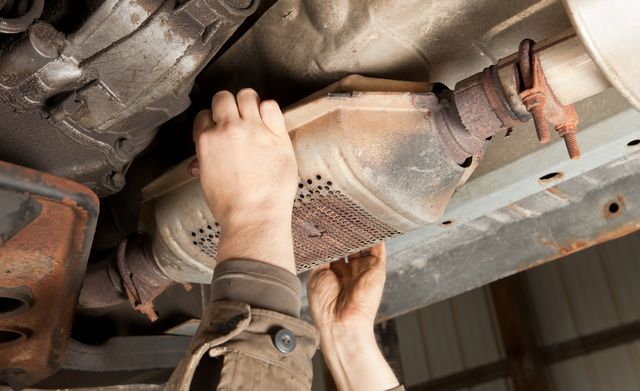
Another example: A driver ignores the symptoms of a failing sensor. Over time, the rich fuel mixture damages the catalytic converter. Now, they not only need a sensor replacement but also have to buy catalytic converter shields to protect against future damage.
Conclusion
Don’t overlook the importance of your oxygen sensor. This small component plays a big role in your car’s performance and fuel efficiency. Regular inspections and timely replacements can save you money and keep your vehicle running smoothly.
If you’re experiencing any of the symptoms mentioned, consider bringing your car in for a check-up. Whether it’s a simple sensor replacement or a more comprehensive service like fuel injector cleaning, addressing the issue early can prevent more costly repairs later on.
Remember, at Sartorial Auto Repairs, we’re here to help you keep your car in top condition without unnecessary upsells or scare tactics. Trust us to give you the straight talk and honest service your vehicle deserves.
Jan 25, 2024 | Auto Repair
When it comes to keeping your car in top shape, most folks think about spark plugs and call it a day. But there’s a lot more to an engine tune-up than just changing those little guys. Whether you’re trying to extend your vehicle’s life or just make sure it runs smoothly, understanding the full tune-up process can save you time and money down the road.
At Sartorial Auto Repairs, we believe in taking a comprehensive approach to vehicle care. After all, your car isn’t just a machine—it’s a part of your daily life. We know that getting your car serviced can be daunting, especially if you’re not familiar with all the ins and outs of auto maintenance. That’s why we’re here to break down what a complete engine tune-up really involves, so you know what to expect and why it’s important.
Understanding the Full Scope of an Engine Tune-Up
Getting your spark plugs changed is just the starting point. A full engine tune-up covers a variety of components, ensuring that everything is in good working order. This might sound like a lot, but think of it as a thorough check-up for your car’s health.
Spark Plugs and Wires
Spark plugs are an obvious part of the tune-up process. They ignite the air-fuel mixture in your engine’s cylinders, and if they’re worn out, your engine won’t run efficiently. But don’t forget about the wires that connect them. These wires carry the electrical current from the ignition system to the spark plugs. Over time, they can wear out, leading to misfires and poor performance.
- Regular replacement of spark plugs and wires can improve fuel efficiency and engine performance.
- Signs of worn-out spark plugs include rough idling, trouble starting, and decreased gas mileage.
At Sartorial Auto Repairs, we not only replace these parts but also explain what we’re doing and why. We want you to understand how each component impacts your vehicle’s performance.
Air Filters and Fuel Filters
Your engine needs clean air and fuel to run efficiently. This is where air and fuel filters come into play. Over time, these filters can become clogged with dirt and debris, which restricts the flow of air and fuel to your engine.
- Replacing air filters regularly can help improve acceleration and overall engine efficiency.
- Fuel filter changes are crucial to prevent contaminants from reaching your engine.
Consider this: If you notice a drop in responsiveness when you hit the gas pedal, it might be time to look at these filters. In our shop, we make sure to check and replace them as part of our complete auto maintenance service.
Belts and Hoses Check
Belts and hoses might not be the first thing that comes to mind, but they play a vital role in your car’s operation. Belts drive critical engine components, while hoses carry essential fluids like coolant and oil.
- Inspecting belts and hoses can prevent breakdowns and costly repairs.
- Signs of wear include cracks, fraying, and unusual noises from the engine bay.
Imagine being stranded because of a broken belt or leaking hose. It’s not fun. That’s why during our tune-up, we make sure everything is in good condition. If anything looks suspect, we’ll let you know and recommend a fix.
Ignition System and Timing
The ignition system is more than just spark plugs and wires. It includes the distributor, ignition coil, and timing belt or chain. These components must work together seamlessly for your engine to fire properly.
- Proper timing ensures that the engine runs smoothly and efficiently.
- Misfires or difficulty starting can indicate ignition system issues.
For some, the idea of dealing with the ignition system might sound daunting. But at Sartorial Auto Repairs, we handle it all. We explore engines and diagnostics to get a clear picture of what’s going on under the hood. You can trust us to address any issues without trying to upsell unnecessary work.
Additional Components to Consider
Beyond the basics, a thorough tune-up should touch on a few other areas. These might not need attention as frequently, but they’re still important for overall engine health.
PCV Valve and EGR Valve
The Positive Crankcase Ventilation (PCV) valve and Exhaust Gas Recirculation (EGR) valve play roles in emissions control and engine efficiency. They help manage the flow of gases in and out of the engine.
- A clogged PCV valve can cause oil leaks and pressure buildup.
- A faulty EGR valve may lead to increased emissions and engine knocking.
These components often go unnoticed, but they can cause significant issues if ignored. Regular checks are part of our engine diagnostics services, ensuring your vehicle runs cleanly and efficiently.
Battery and Electrical Systems
While not always considered part of the engine, the battery and electrical systems are crucial for starting your car and keeping it running. A weak battery or faulty wiring can leave you stranded.
- Regular battery checks can prevent unexpected failures.
- Inspecting wiring and connections can catch issues before they become problems.
We understand that electrical issues can be frustrating. That’s why we offer vehicle electrical services to keep everything running smoothly. From battery replacements to fixing your auto electronics, we’re here to help.
Final Thoughts on Engine Tune-Ups
Taking care of your car doesn’t have to be a headache. By understanding what goes into a complete engine tune-up, you can approach maintenance with confidence. Whether you’re looking to fix your vehicle or explore engines and diagnostics, Sartorial Auto Repairs is your trusted partner. We’re here to provide honest, straightforward service without the hype or scare tactics.
If you’re ready to schedule oil change or get your car serviced, give us a call. We’re here to keep your car running like new, so you can focus on what matters most. With our experienced team, you can trust that you’re getting the real deal, every time.

Jan 23, 2024 | Auto Repair
When it comes to car maintenance, understanding your brake pads is crucial. Brake pads are essential for ensuring your vehicle stops safely and smoothly. With various types of brake pads available, it’s important to choose the right one for your specific driving needs. Let’s delve into the different types of brake pads and how to determine which is best for your car.
Understanding Brake Pads and Their Importance
Brake pads play a vital role in your car’s braking system. Every time you press the brake pedal, the brake pads press against the brake rotors, creating friction that slows down and stops the car. Choosing the right type of brake pad can impact your vehicle’s performance, safety, and even the lifespan of your brake system.
Many drivers are unsure about which brake pads are suitable for their vehicle. Factors such as driving habits, vehicle type, and even climate can influence this decision. Let’s break down the most common types of brake pads and their features to help you make an informed choice.
Ceramic Brake Pads
Ceramic brake pads are popular for their durability and quiet operation. Made from a blend of ceramic fibers, filler materials, and bonding agents, these pads are designed to withstand high temperatures and reduce noise. They produce less dust than other types, which helps keep your wheels cleaner.
Ceramic pads are ideal for drivers who prioritize comfort and cleanliness. They’re particularly suited for daily driving in urban areas where you encounter frequent stops and starts. However, they may not provide the same level of stopping power as other types in extreme conditions.
- Real-world scenario: If you often drive in the city and value a smooth, quiet ride, ceramic brake pads could be the perfect fit. They’re less likely to squeak and help maintain a clean appearance on your wheels.
Semi-Metallic Brake Pads
Semi-metallic brake pads are made from a mix of metal fibers, such as steel or copper, along with other materials. They offer excellent stopping power and are more heat-resistant than ceramic pads. This makes them suitable for high-performance vehicles or those that carry heavy loads.
While semi-metallic pads deliver superior braking performance, they can be noisier and produce more dust than ceramic options. They also tend to wear down rotors more quickly, which might require more frequent replacements.
- Real-world scenario: If you drive a performance car or frequently tow trailers, semi-metallic brake pads can provide the reliability and strength you need. Despite the increased noise and dust, the enhanced performance could be worth the trade-off.
Organic Brake Pads
Organic brake pads, often referred to as non-asbestos organic (NAO) pads, are composed of organic fibers like glass, rubber, and Kevlar. These pads are generally softer and produce less noise compared to semi-metallic pads. They’re often more affordable and gentle on brake rotors.
However, organic pads wear out faster and might not perform as well under extreme conditions. They’re best for light-duty vehicles and drivers who prioritize a quiet, smooth ride over high-performance braking.
- Real-world scenario: For a family sedan or a light-duty vehicle used primarily for local driving, organic brake pads offer a budget-friendly and comfortable option. They provide adequate stopping power for everyday use without the harshness of metal counterparts.
Choosing the Right Brake Pads for Your Car
When deciding which brake pads to choose, consider your driving habits and the type of vehicle you own. Are you more focused on performance, or is everyday comfort your priority?
It’s also important to think about the climate and terrain you frequently drive in. For instance, if you often encounter steep hills, you might benefit from the enhanced stopping power of semi-metallic pads. Conversely, if you drive primarily in flat, urban areas, ceramic pads might be more suitable.
Additionally, regular maintenance plays a crucial role in brake pad performance. Ensuring your vehicle is well-maintained can extend the lifespan of your brake pads. Regular visits for auto maintenance service can keep your braking system in top shape. Additionally, if you notice any issues, don’t hesitate to get your brakes fixed promptly.
Final Thoughts
Choosing the right brake pads for your car doesn’t have to be daunting. By understanding the differences between ceramic, semi-metallic, and organic pads, you can make an informed decision that suits your driving style and needs. Remember, investing in quality brake pads and regular brake repair services can enhance your vehicle’s safety and performance.
If you’re unsure or need guidance, consider visiting our shop. Whether you need to explore engines and diagnostics, get your car serviced, or schedule oil change, Sartorial Auto Repairs is here to help. With decades of experience, we provide honest advice and quality service to ensure your vehicle runs smoothly. Your safety is our priority, and we’ll always steer you in the right direction.

Jan 17, 2024 | Alternators, Auto Repair
When your car starts acting up, it can be a stressful experience, especially if you’re unsure what’s causing the problem. For many drivers in Santa Rosa, a failing alternator can be one of those mysterious issues that leaves you puzzled. The alternator is a crucial component of your vehicle’s electrical system, and knowing the signs of a failing one can save you from unexpected breakdowns and costly repairs. In this post, we’ll walk you through everything you need to know about the tell-tale signs of a failing alternator and what you can do about it.
Understanding the Role of the Alternator
The alternator is responsible for keeping your car’s battery charged and ensuring that all the electrical components in your vehicle have the power they need to function. It converts mechanical energy from the engine into electrical energy. When the alternator starts to fail, it can lead to a series of issues that affect your driving experience.
How the Alternator Works
The alternator is connected to the engine by a drive belt. As the engine runs, it turns the belt, which in turn spins the alternator’s rotor. This movement generates electricity, which is then used to recharge the battery and power your vehicle’s electrical systems.
- Headlights
- Dashboard lights
- Radio and infotainment system
- Power windows and locks
- Air conditioning system
If any of these systems start showing irregular behavior, it might be time to consider an alternator repair.
Common Signs of a Failing Alternator
Recognizing the symptoms of a failing alternator early can save you from more significant issues down the road. Here are some red flags to watch for:
Dim or Flickering Lights
If you notice that your headlights or dashboard lights are dimmer than usual, it could be a sign that the alternator isn’t generating enough power. Flickering lights might also indicate that the alternator is on its way out.
Real-world Example: Imagine driving down a dark road at night, and suddenly your headlights start dimming. Not only is this alarming, but it can also be dangerous. It’s a clear sign that you should get warning lights checked as soon as possible.
Strange Noises
A failing alternator can produce unusual sounds, such as grinding or whining. These noises often occur because of a misaligned belt or worn-out bearings inside the alternator. Ignoring these sounds can lead to more severe damage and potential rotor replacement service.
Scenario: You’re sitting at a red light, and you hear a whining sound coming from the engine. It’s not something to ignore, as it could be the first indicator of an alternator issue.
Electrical Failures
If your windows take longer to roll up or down, or your radio suddenly turns off, it might be due to an alternator that’s not providing enough power. These electrical failures can be frustrating and signal the need for an electrical diagnostics service.
Example: You’re enjoying your favorite song on the radio, and suddenly the sound cuts out. While it might seem trivial, it’s worth checking if the alternator is to blame.
Battery Issues
A dead battery might not always be the battery’s fault. If your car requires frequent jump starts, the alternator might not be charging the battery correctly. Considering battery testing services can help determine if the alternator is the root of the problem.
- Frequent need for jump starts
- Battery warning light on dashboard
- Corrosion around battery terminals
If you suspect the alternator, exploring battery replacement options isn’t always the best first step. Instead, having the alternator assessed might save you time and money.
Diagnosing and Addressing Alternator Problems
Once you suspect an issue with your alternator, it’s crucial to take action. Here’s how you can diagnose and address the problem effectively:
Conducting a Voltage Test
A simple voltage test can confirm if the alternator is failing. This involves measuring the voltage output with a multimeter. A healthy alternator should output between 13.5 and 14.5 volts. If the reading is outside this range, it might be time for alternator repair.
Example: You connect a multimeter to the battery while the engine is running, and it reads 12 volts. This reading suggests the alternator isn’t charging the battery properly.
Seeking Professional Help
If you’re not comfortable diagnosing the problem yourself, it’s wise to consult a professional. A trusted auto repair shop can perform an abs warning light check and provide comprehensive electrical diagnostics service to pinpoint the issue.
Scenario: After noticing dim lights and hearing strange noises, you decide to visit Sartorial Auto Repairs. The experienced mechanics can diagnose the problem and recommend the best course of action.
Repair or Replace?
Depending on the severity of the problem, you might need to repair your alternator or opt for a complete replacement. In some cases, replacing worn-out components is enough, while in others, a full replacement might be necessary to ensure reliability.
Real-world Example: If the alternator bearings are worn but the rest of the unit is in good shape, a repair might suffice. However, if the alternator frequently fails, replacement might be the most cost-effective solution in the long run.
Preventive Measures to Extend Alternator Life
While alternators have a limited lifespan, you can take steps to ensure they last as long as possible. Here are some tips to keep your alternator in good condition:
Regular Maintenance
Routine maintenance, like changing brake pads or scheduling brake inspection, can indirectly impact the health of your alternator. A well-maintained vehicle puts less strain on the electrical system, helping the alternator last longer.
Monitor Electrical Usage
Avoid using too many electrical accessories simultaneously, especially when idling. Overloading the electrical system can cause unnecessary strain on the alternator.
- Turn off headlights when parked
- Avoid using the radio or air conditioning with the engine off
- Unplug chargers and devices when not in use
These small habits can make a big difference in prolonging the life of your alternator.
Seek Professional Inspections
Regular inspections by a professional mechanic can catch early signs of alternator issues. This proactive approach can prevent unexpected breakdowns and ensure your vehicle runs smoothly.
Example: During a routine service visit, a mechanic might notice wear on the alternator belt and suggest a replacement before it becomes a problem.
By understanding the signs of a failing alternator and taking steps to address them, you can keep your vehicle running reliably and avoid those dreaded roadside breakdowns. If you suspect an alternator issue, don’t hesitate to reach out to a trusted professional for advice and assistance.
Whether you need to repair your alternator or explore battery replacement options, taking action early can save you time and prevent costly repairs down the road. Remember, regular maintenance and prompt attention to unusual symptoms are key to keeping your car in top shape.

Jan 4, 2024 | Auto Repair, Brake Systems
When you think about your car’s brake system, the first thing that probably comes to mind is the brake pads. While they do play a crucial role, they are just one part of a more complex system that ensures your vehicle stops safely and effectively. Understanding the different components of a brake system can help you better maintain your car and address any issues that arise. In this guide, we’ll explore the various parts of the brake system beyond just the pads, providing you with the knowledge to keep your vehicle in top shape.
The Role of Brake Pads
Brake pads are the most commonly discussed component because they are in direct contact with the brake rotors, creating the friction needed to slow down or stop your car. Over time, brake pads wear down and need to be replaced. This is where the importance of getting brake pads replaced comes into play. Regularly changing brake pads ensures optimal braking performance and safety.
Consider this scenario: you’re driving down a steep hill, and you notice a squealing noise every time you apply the brakes. This sound is a typical indicator that your brake pads might be worn out. Ignoring this warning can lead to more significant issues, such as damage to the rotors, which can be costly to repair. By scheduling a timely brake pad replacement, you can avoid further damage and ensure your vehicle’s braking system remains reliable.
Understanding Brake Rotors
Brake rotors, also known as discs, work in tandem with the brake pads. When you press the brake pedal, the pads clamp down on the rotors, creating the friction required to stop the vehicle. Over time, rotors can become warped or worn, especially if the brake pads are not replaced regularly. This can lead to vibrations or a pulsating sensation when braking, indicating the need for a rotor replacement service.
Imagine you’re on the highway, and every time you brake, your steering wheel shakes slightly. This is a common sign that your rotors might be warped. Installing new brake rotors not only smooths out your ride but also ensures that your braking system functions properly. Regular rotor inspections and replacements are essential for maintaining vehicle safety and performance.
The Importance of Brake Fluid
Brake fluid is another critical component of the braking system. It transfers the force from your foot on the pedal to the brakes themselves. Over time, brake fluid can absorb moisture, leading to a decrease in its effectiveness. This can result in a spongy brake pedal feel or even a complete brake failure if not addressed.
A real-world example of this issue is when you find yourself needing to press the brake pedal unusually hard to stop your car. This is a clear indicator that it’s time to check your brake fluid levels or schedule a brake inspection. Regularly flushing and replacing brake fluid is an essential maintenance task that helps prevent brake system failure and ensures reliable braking performance.
The Role of Brake Lines
Brake lines are the pathways through which brake fluid travels. They connect the master cylinder to the brakes at each wheel. Any damage or leaks in these lines can lead to a significant decrease in braking performance. It’s crucial to inspect your brakes regularly for any signs of corrosion or leaks in the brake lines.
For instance, if you notice a puddle of clear liquid under your car, it might be an indication of a brake fluid leak. In such cases, seeking a professional brake inspection is vital. A qualified mechanic can identify and repair any issues with your brake lines, ensuring that your braking system remains safe and effective.
Exploring the Brake Calipers
Brake calipers are responsible for pressing the brake pads against the rotors. They play a crucial role in the braking process and can wear out over time. Sticking or seized calipers can lead to uneven wear on the brake pads and rotors, resulting in decreased braking efficiency.
Picture this: you’re hearing a constant grinding noise while driving, even when not applying the brakes. This might be a sign of a stuck caliper. Addressing caliper issues promptly with the help of a mechanic can prevent further damage and ensure that your braking system functions smoothly.
ABS and Modern Brake Systems
Modern vehicles are equipped with Anti-lock Braking Systems (ABS) that prevent the wheels from locking up during sudden braking. While ABS adds a layer of safety, it also introduces more components that can require attention, such as sensors and electrical systems. If the ABS warning light appears on your dashboard, it’s crucial to diagnose abs warning light issues promptly.
Consider a situation where you’re driving on a wet road, and the ABS warning light suddenly comes on. This signal indicates a potential issue with the ABS system. Ignoring it could compromise your vehicle’s ability to stop efficiently in slippery conditions. Seeking an ABS warning light check can ensure that your braking system remains reliable, even in challenging situations.
Conclusion
Understanding the various components of your vehicle’s brake system goes beyond just focusing on brake pads. Regular maintenance and inspections help ensure that each part functions correctly, providing you with the peace of mind that your car will stop when you need it to. Whether it’s time for a new brake pads installation, a rotor replacement service, or a professional brake inspection, addressing these needs promptly can make a significant difference in your vehicle’s safety and performance.
At Sartorial Auto Repairs, we’re committed to helping you maintain your vehicle with honesty and transparency. If you have questions about your brake system or need to schedule brake inspection, our experienced team is here to assist you. Don’t wait for problems to escalate; take action today to ensure your car remains safe on the road.
Dec 18, 2023 | Auto Repair, Brake Systems
Understanding and maintaining the ABS (Anti-lock Braking System) in your vehicle can seem daunting. Many car owners are unsure about what their ABS does and why it’s important. This guide will walk you through the basics, helping you feel more confident about keeping your ABS in good shape. After all, at Sartorial Auto Repairs, we believe in empowering you with the knowledge you need to make informed decisions about your vehicle.
What is an ABS and How Does it Work?
The ABS is a crucial safety feature in modern vehicles. Its primary role is to prevent the wheels from locking up during hard braking, ensuring that your car maintains traction with the road. This can be especially important in wet or slippery conditions.
When you brake hard, sensors in each wheel detect any sign of locking. The ABS then pumps the brakes rapidly, which helps you keep control and steer, avoiding potential accidents. It’s a system that works quietly in the background, but when it’s needed, it can make a significant difference in stopping power and safety.
Common Signs of ABS Problems
While the ABS is designed to be low-maintenance, issues can arise. Here are some common signs that your ABS might need attention:
- ABS Warning Light: If this light illuminates on your dashboard, it indicates a potential issue with the system. It’s essential to perform an ABS warning light check to diagnose the problem.
- Braking Feels Different: If you notice changes in how your brakes feel, such as increased resistance or a pulsating feeling, it could be a sign of ABS issues.
- Strange Noises: Unusual sounds during braking, like grinding or knocking, can indicate a problem that needs immediate attention.
Real-World Example: ABS Warning Light Diagnosis
Imagine you’re driving home from work and notice that the ABS warning light has come on. This could be due to several reasons, such as a sensor malfunction or a blown fuse. In such a situation, it’s wise to visit a trusted mechanic for an ABS warning light check. They will use specialized tools to diagnose the issue, ensuring it’s resolved before it affects your safety.
Steps to Evaluate Your ABS System
Regular evaluation of your ABS system can prevent minor issues from becoming major problems. Here’s a straightforward approach to evaluating your ABS:
Visual Inspection
Start with a visual inspection of your vehicle’s braking system. Check for any obvious signs of wear or damage, such as cracked brake lines or worn-out brake pads. Regular brake inspection can also catch issues early.
Check the ABS Sensors
ABS sensors are critical components that monitor wheel speed. If they become dirty or damaged, they can cause the ABS to malfunction. Cleaning the sensors can sometimes resolve minor issues. If you’re unsure how to do this, a professional mechanic can help.
Use a Diagnostic Tool
A diagnostic tool can read error codes from your vehicle’s computer, providing insight into what might be wrong with the ABS. This tool can save time and pinpoint specific issues that require attention.
Real-World Example: Electrical Diagnostics for Warning Lights
Let’s say your ABS light is on, and you’re unsure why. By using an electrical diagnostics service, you can quickly identify the problem. This service helps you avoid unnecessary part replacements and focuses on fixing the exact issue, saving time and money.
Maintaining Your ABS System
Proper maintenance of the ABS ensures its longevity and reliability. Here are some tips to keep your ABS in top condition:
Regular Brake Fluid Checks
Brake fluid is vital to the ABS system. Low or dirty brake fluid can affect ABS performance. Regularly check your brake fluid levels and replace it as needed. It’s a simple step that can prevent more significant issues down the road.
Inspect Brake Pads and Rotors
Worn-out brake pads and rotors can impact your braking system, including the ABS. Regular maintenance, such as changing brake pads or scheduling a brake inspection, is crucial. If your rotors are worn, you may need to install brake rotors to ensure proper function.
Real-World Example: Brake Pad and Rotor Maintenance
If you notice that your car takes longer to stop or hear a squealing noise, it might be time to get brake pads replaced. Neglecting this can lead to rotor damage, requiring a more costly install brake rotors service. Regular checks can avoid these expenses.
Addressing ABS System Failures
Despite best efforts, ABS systems can fail. Understanding how to address these failures can keep you safe and prevent further damage.
Immediate Response to ABS Failure
If your ABS warning light is on or you notice changes in braking, don’t ignore it. Continuing to drive without addressing these issues can compromise safety. Seek professional help promptly.
Schedule Professional Inspections
Regular inspections by a trusted mechanic can ensure that your ABS system is functioning correctly. This proactive approach can catch potential failures before they become serious problems.
Real-World Example: Professional ABS Inspection
Consider a scenario where your ABS light intermittently turns on and off. This inconsistency can be puzzling. By scheduling an inspection, a professional can identify whether it’s a faulty sensor or a more complex issue, ensuring your braking system is reliable.
Final Thoughts on ABS Maintenance
Maintaining and evaluating your ABS system doesn’t have to be complicated. By understanding the basics and being proactive, you can ensure your vehicle’s safety features are always ready when you need them. Regular checks and addressing issues promptly will keep your ABS functioning optimally.
If you have concerns about your ABS system or any other aspect of your vehicle, don’t hesitate to reach out to professionals who can provide honest and reliable service. At Sartorial Auto Repairs, we’re here to help you with straightforward advice and quality service.
Dec 13, 2023 | Auto Repair, Wheels
Alignment issues in cars are often the root of uneven tire wear, steering problems, and a less than smooth ride. Understanding the basics of camber, caster, and toe alignment can help you maintain your car effectively and know when it’s time to seek professional help. At Sartorial Auto Repairs, we believe in empowering you with knowledge so you can make informed decisions about your vehicle.
Most people aren’t familiar with the technical aspects of wheel alignment, and that’s okay. Our goal is to simplify these concepts so you can understand what happens when you get your car serviced. Whether you’re dealing with a pulling sensation while driving or notice that your tires are wearing unevenly, knowing about alignment can save you time and money in the long run.
Wheel alignment isn’t just about keeping your car going straight. It also impacts how your car handles, how fast your tires wear out, and even your fuel efficiency. So, let’s break down what camber, caster, and toe mean for you and your car.
Camber: The Vertical Angle
The camber angle refers to the tilt of the wheels when viewed from the front of the vehicle. If your wheels tilt inward or outward at the top, that’s your camber angle at work. Ideally, the camber should be close to zero for most vehicles, meaning the wheel should stand perpendicular to the ground.
Positive vs. Negative Camber
Positive camber means the tops of the wheels are tilted outward. This might be used in some off-road vehicles to increase stability. Negative camber, on the other hand, means the tops of the wheels tilt inward. This is often found in performance vehicles to enhance cornering grip.
- Positive Camber: Can cause uneven tire wear on the outside edge.
- Negative Camber: Can lead to wear on the inside edge of the tire.
If you notice uneven tire wear, it might be time to get your car repaired. Misalignment can affect more than just your tires. It can lead to steering issues and decrease the overall safety of your vehicle.
Caster: The Steering Angle
Caster refers to the angle of the steering pivot, which is the part of your suspension that allows the wheel to turn. This angle is viewed from the side of the vehicle. The caster angle helps with steering stability and cornering.
Understanding Caster
A positive caster means the steering pivot leans towards the driver, while a negative caster leans away. Most modern vehicles are set with a positive caster to help with stability at higher speeds.
- Positive Caster: Enhances straight-line stability and improves steering returnability.
- Negative Caster: Can make steering feel lighter but might lead to instability.
If your car pulls to one side or you feel instability when driving straight, it might be time for an adjustment. Consider visiting us to explore engines and diagnostics if you’re unsure about the cause of your alignment issues.
Toe: The Parallel Angle
The toe alignment refers to the direction your wheels are pointing in relation to each other. This angle is viewed from above the car. Toe can be either toe-in, meaning the front of the wheels point towards each other, or toe-out, where they point away from each other.
Toe-in vs. Toe-out
Toe settings affect handling and tire wear significantly. Most vehicles are set with a slight toe-in to ensure stability.
- Toe-In: Can lead to feathering on the outer edges of the tires.
- Toe-Out: May cause feathering on the inner edges and reduced stability.
Maintaining the correct toe alignment can prevent unnecessary tire wear and improve your vehicle’s handling. If you’re experiencing uneven tire wear or handling issues, it might be beneficial to get your car serviced for a realignment.
Real-World Scenarios: Putting It All Together
Imagine you’re driving down the highway, and you notice your car starts to pull to the left. This could be a sign of a caster or toe alignment issue. Or perhaps you’ve noticed that your front tires are wearing out faster on the inside edges, which might indicate a negative camber problem.
These are not just minor annoyances; they can affect how safe and comfortable your ride is. If you find yourself in any of these situations, it’s a good idea to explore engine diagnostics with a trusted mechanic. Sometimes alignment issues can be symptomatic of other underlying problems.
At Sartorial Auto Repairs, we offer comprehensive auto repair services to address these concerns. Our team can help you determine the best car maintenance options to keep your vehicle running smoothly.
Final Thoughts: Taking Action
Understanding the basics of camber, caster, and toe alignment can go a long way in maintaining your vehicle’s performance and safety. If you’re experiencing any of the symptoms discussed, it might be time to get your oil changed, check your alignment, or schedule auto maintenance service.
We invite you to bring your car to Sartorial Auto Repairs for a thorough inspection. Whether you need to fix your vehicle’s alignment or explore more about auto electrical repair, our experienced team is here to help. We provide honest, straightforward advice because we believe in treating customers like family.
Don’t let alignment issues compromise your ride. Visit us today and let’s keep your car in top shape together.

Nov 15, 2023 | Auto Repair, Car Battery
When it comes to keeping your car in top shape, the battery might not be the first thing on your mind. Yet, it plays a crucial role in ensuring your vehicle starts smoothly and runs efficiently. Whether you’re storing your car for the winter or just want to extend the life of your battery, knowing the best practices for storage and maintenance is essential.
Understanding Your Car Battery
Your car battery is the heart of your vehicle’s electrical system. It powers the ignition and all electrical components, making it indispensable. Understanding how it works can help you take better care of it.
Types of Car Batteries
Most cars use lead-acid batteries, which are rechargeable and capable of providing a large amount of power. There are two main types:
- Flooded Lead-Acid Batteries: These are the most common and require regular maintenance like checking water levels.
- Absorbent Glass Mat (AGM) Batteries: These are sealed and require less maintenance but are usually more expensive.
Knowing which type you have can make a difference in how you store and maintain it.
Signs of a Weak Battery
Before diving into storage tips, it’s important to recognize when your battery might be on its last legs. Common signs include:
- Slow engine crank
- Dim headlights
- Warning light on the dashboard
- Corrosion on battery terminals
If you notice these signs, it might be time to explore battery testing services or consider battery replacement options.
Best Practices for Battery Storage
Whether you’re storing your car for a few weeks or several months, how you store your battery can significantly impact its lifespan.
Clean Before Storing
Before storing, clean your battery by removing any corrosion from the terminals. This can be done using a mixture of baking soda and water. Ensuring a clean battery prevents energy loss and corrosion buildup over time.
Disconnect the Battery
If your vehicle will be inactive for more than a month, it’s wise to disconnect the battery. This prevents it from discharging completely. Remember, always disconnect the negative terminal first to avoid short circuits.
Store in a Cool, Dry Place
Temperature plays a big role in battery health. Store your battery in a cool, dry area to prevent it from losing charge. Extreme temperatures, whether hot or cold, can be detrimental.
Use a Battery Maintainer
If you plan to store your battery for an extended period, consider using a battery maintainer. This device keeps the battery at an optimal charge level without overcharging, which is particularly useful during long periods of inactivity.
Maintaining Your Car Battery
Proper maintenance can greatly extend the life of your car battery and ensure it’s ready when you need it.
Regular Battery Testing
To avoid unexpected breakdowns, regular battery testing services are recommended. Testing can identify potential issues and save you from being stranded. You might even find it aligns with your factory scheduled maintenance, allowing for a comprehensive check-up.
Inspect for Corrosion
Corrosion is one of the leading causes of battery failure. Regularly inspect your battery terminals and clean off any corrosion with a wire brush. This simple step can prevent starting issues and extend battery life.
Check the Water Level
For flooded lead-acid batteries, maintaining the right water level is crucial. Check the water level regularly, and if it’s low, top it off with distilled water. Avoid using tap water as it contains minerals that can harm the battery.
Keep It Charged
Batteries lose charge over time, especially if a car isn’t driven regularly. Consider taking your car for a spin at least once a week or using a battery charger to keep it fully charged.
Remember, a well-maintained battery means less hassle and a longer lifespan.
Real-World Scenarios
Let’s explore some scenarios to understand the importance of proper battery care.
Winter Storage
Imagine you’re storing your car for the winter. You clean the battery, disconnect it, and store it in your garage using a battery maintainer. When spring arrives, your car starts without a hitch. This simple preparation saved you from potential battery replacement options.
High-Mileage Vehicle
You drive a high-mileage vehicle and want to maintain its performance. By regularly inspecting for corrosion and checking water levels, you ensure that your battery remains reliable, even as you maintain high-mileage cars.
Long Road Trip
Before a long road trip, you decide to schedule your maintenance and include battery testing services. This foresight ensures your battery is in top condition, preventing unexpected stops during your travels.
Conclusion
Proper car battery storage and maintenance are essential practices that pay off in the long run. By following these best practices, you can extend your battery’s lifespan and avoid inconvenient breakdowns. Whether it’s cleaning, storing, or maintaining, these steps are simple yet effective. As part of your regular car care routine, don’t forget to include battery checks alongside other maintenance tasks like changing brake pads or fuel pump replacement.
Consider visiting Sartorial Auto Repairs for comprehensive battery testing services or any other factory maintenance services you might need. Let us help you keep your car running smoothly and reliably.

Oct 26, 2023 | Auto Repair
Being an automotive technician isn’t just about turning wrenches. It’s a profession that combines technical knowledge, problem-solving skills, and a keen understanding of customer service. Whether you’re just starting out or have been in the field for years, certain skills are essential to succeed in this ever-evolving industry. Here, we’ll discuss five critical skills every automotive technician should possess.
Understanding of Automotive Systems
At the heart of any good automotive technician is a comprehensive understanding of the various systems within a vehicle. Cars today are complex machines with intricate systems that include everything from engines to electronics. An adept technician should understand how these systems work individually and how they integrate to make a vehicle function smoothly.
Engine and Transmission Systems
The engine is the powerhouse of the vehicle, and understanding it is crucial. This includes knowledge of combustion engines and modern hybrids. Equally important is the transmission system, which controls the power from the engine to the wheels. Knowing how to diagnose issues like transmission slipping or unusual noises can save time and money for customers.
- Example: A customer comes in with a vehicle that doesn’t accelerate smoothly. A skilled technician will evaluate the engine and transmission to pinpoint the issue, such as worn-out parts or incorrect fluid levels.
Electrical and Electronic Systems
Modern vehicles are equipped with sophisticated electrical systems. Mastering electrical diagnostics service is essential to address issues like malfunctioning lights or dead batteries. Understanding how to perform a reliable battery testing service or handle other electrical issues like ABS warning light check can significantly improve your service quality.
- Example: If a vehicle’s dashboard lights are flickering, a technician skilled in electrical diagnostics can quickly identify whether it’s a simple battery replacement or something more complex, like alternator repair services.
Problem-Solving Skills
Vehicles can present issues that aren’t immediately obvious. Technicians need strong problem-solving skills to diagnose and fix these problems efficiently. This requires not just technical knowledge, but also the ability to think critically and adapt to new situations.
Diagnostic Tools and Techniques
Using diagnostic tools effectively is a key part of problem-solving. Whether it’s a handheld scanner or a more complex computer system, knowing how to get warning lights checked and interpret the results is crucial.
- Example: An ABS warning light diagnosis might reveal a sensor issue. A technician must decide whether to replace a sensor or if further investigation is warranted, ensuring the solution is both effective and economical for the customer.
Creative Thinking
Not all vehicle problems have straightforward solutions. Sometimes, technicians must think outside the box to find a fix that isn’t immediately apparent. This might involve using non-standard techniques or tools to solve a unique problem.
- Example: A car with a recurring overheating issue might require a more thorough inspection beyond the typical checks, such as evaluating the radiator and hoses, to find the root cause.
Attention to Detail
Minor oversights in automotive repair can lead to significant problems down the road. A good technician pays close attention to detail, ensuring that every nut and bolt is correctly in place and every repair is completed to the highest standard.
Thorough Inspections
A professional brake inspection involves more than just looking at the pads. It includes checking for wear on the rotors, calipers, and any signs of fluid leaks. This meticulous approach can prevent future issues and enhance vehicle safety.
- Example: During a routine brake check, a technician might spot uneven wear on the brake pads, suggesting the need to install brake rotors or adjust the calipers for even pressure distribution.
Following Procedures
Each vehicle make and model has its own set of service procedures. A technician who diligently follows these procedures ensures that all repairs are performed correctly, reducing the risk of errors and enhancing customer satisfaction.
- Example: When performing an alternator repair, following the manufacturer’s guidelines step-by-step ensures the repair is done safely and effectively, minimizing the chance of further electrical issues.
Communication Skills
While technical skills are crucial, the ability to communicate effectively with customers is what sets a good technician apart. Customers rely on technicians to explain complex issues in a way they can understand, helping them make informed decisions about their vehicle maintenance.
Explaining Technical Issues
Technicians should be able to break down technical jargon into layman’s terms. This helps build trust and ensures customers feel confident in the services provided.
- Example: When recommending battery replacement options, a technician should explain why a particular battery is suitable for the customer’s vehicle, considering factors like climate and usage patterns.
Customer Service
Beyond explaining repairs, technicians should listen actively to customer concerns and respond empathetically. This approach fosters a positive relationship and encourages repeat business.
- Example: A customer worried about a recurring noise might appreciate a detailed explanation of the diagnostic process, along with reassurances about the potential outcomes and solutions.
Continuous Learning
The automotive industry is continuously evolving, with new technologies and systems emerging regularly. Staying updated with these changes is vital for any technician who wants to remain relevant and effective in their work.
Training and Certifications
Pursuing further training and certifications keeps technicians at the forefront of new developments. Whether it’s learning about electric vehicles or advanced diagnostic tools, ongoing education is crucial.
- Example: Attending workshops on hybrid vehicle repair equips technicians with the knowledge to service these increasingly popular models, providing a competitive edge in the market.
Embracing Technology
Embracing new technology, such as advanced diagnostic software, can improve efficiency and accuracy in problem-solving. Being open to these tools ensures technicians can offer the best service possible.
- Example: Using the latest software for electrical diagnostics service can streamline the process of diagnosing complex issues, reducing the time and cost for both the technician and the customer.
These essential skills form the backbone of a successful automotive technician’s career. By mastering these areas, technicians not only enhance their own capabilities but also improve the overall customer experience. Whether it’s through precise repairs, effective communication, or ongoing learning, the goal is always to deliver honest, reliable service that customers can trust. For more tips on keeping your vehicle in top shape, consider reaching out to a trusted professional who can help guide you through regular maintenance and repairs.

Oct 26, 2023 | Auto Repair
Finding a trustworthy mechanic can often feel like a daunting task. Many of us have experienced the anxiety of handing over our car keys, unsure of what’s really happening under the hood and how much it’s going to cost. The fear of being overcharged or misled is common, and it’s why understanding how to identify an honest mechanic is crucial. At Sartorial Auto Repairs, we believe in transparency and honesty, so let’s dive into how you can discern a mechanic you can trust.
Look for Clear Communication
One of the first signs of an honest mechanic is clear and open communication. When you take your car in for a service, a trustworthy mechanic will explain the issues in plain language, without resorting to technical jargon that leaves you more confused than informed. They should be willing to answer all of your questions and offer detailed explanations of the repairs they recommend.
For example, if your ABS warning light has come on, a good mechanic will perform an abs warning light check and explain what might be causing the issue, whether it’s a sensor problem or something more serious. They won’t just suggest replacing expensive parts without a clear reason.
- Avoid mechanics who use scare tactics to pressure you into unnecessary repairs.
- Look for someone who makes you feel comfortable asking questions, no matter how simple they may seem.
- Check if they provide a detailed written estimate before starting any work.
Check Their Credentials and Reviews
Another way to gauge the honesty of a mechanic is by checking their credentials and customer reviews. A reputable mechanic will have the appropriate certifications, which indicate they have the training and expertise needed to perform quality repairs. ASE certification, for example, is a well-respected credential in the auto repair industry.
Real-world scenario: Suppose you’re experiencing issues with your car’s electrical systems. Before opting for an electrical diagnostics service, verify the mechanic’s credentials to ensure they have the necessary skills to handle such tasks. This not only provides peace of mind but also reassures you that your car is in capable hands.
- Look for online reviews from previous customers to get a sense of their experiences.
- Check if the mechanic is willing to share references or testimonials from satisfied clients.
- Be cautious of shops with overwhelmingly negative reviews or consistent complaints about overcharging.
Transparency with Pricing
Honest mechanics are transparent about their pricing. They will provide a clear breakdown of costs and explain what you’re paying for. This includes labor, parts, and any additional fees that might be involved. There shouldn’t be any hidden charges or last-minute surprises.
Consider a scenario where you need to replace your battery. An honest shop will offer a range of options, detailing the cost of each battery type and any associated installation fees. They won’t push the most expensive option but will help you make an informed decision based on your needs and budget.
- Ask for a detailed invoice that outlines all costs involved in the repair.
- Be wary of mechanics who can’t provide a clear breakdown of charges or who seem reluctant to discuss pricing.
- Check if they offer warranties or guarantees on their work, which can indicate confidence in their services.
Observe Their Work Environment
The condition of a mechanic’s workshop can tell you a lot about their professionalism and honesty. A clean, organized, and well-maintained shop is usually a good sign. It shows that the mechanic takes pride in their work and cares about the environment in which they operate.
Real-world example: Imagine you’re visiting a mechanic for a check engine light diagnosis. A tidy shop with well-organized tools suggests that the mechanic values efficiency and attention to detail, which often translates into higher quality service.
- Notice how the staff interacts with customers and each other – friendly and respectful communication is key.
- Check if they use up-to-date equipment and technology, which can enhance the accuracy and efficiency of diagnostics and repairs.
- Observe if they follow safety protocols, which reflects their commitment to both customer and employee safety.
Trust Your Instincts
Finally, trust your instincts when choosing a mechanic. If something feels off, or if you feel pressured or uncomfortable, it’s okay to walk away and seek a second opinion. Your comfort and confidence in your mechanic are paramount.
For instance, if you’re considering a repair your alternator service and the mechanic is evasive about explaining the problem or insists on costly repairs without justification, trust your gut. An honest mechanic will respect your need for clarity and provide the necessary information to make an informed decision.
- Don’t hesitate to ask for a second opinion if you have doubts about the recommended repairs.
- Remember that a good mechanic will understand your concerns and work with you to find the best solution.
- Pay attention to how they handle concerns or complaints – a willingness to address issues openly can be a strong indicator of integrity.
Ultimately, finding an honest mechanic is about building a relationship based on trust and communication. At Sartorial Auto Repairs, we pride ourselves on being straightforward and reliable. If you’re looking for a shop that values honesty and transparency, don’t hesitate to reach out. We’re here to help you with everything from routine maintenance to complex repairs, ensuring you have a smooth and confident driving experience.

