

Buying a car is a significant investment, and whether you’re purchasing a new or used vehicle, it’s essential to ensure you’re making a wise decision. One of the best ways to protect yourself from potential issues is by arranging a pre-purchase vehicle inspection. This comprehensive guide will walk you through everything you need to know about these inspections and why they are a crucial step in the car-buying process.
Understanding Pre-Purchase Vehicle Inspections
A pre-purchase vehicle inspection is an in-depth evaluation conducted by a professional mechanic to assess the condition of a car before you finalize your purchase. This inspection is particularly important when buying a used car, as it can uncover hidden problems that the seller may not disclose or even be aware of.
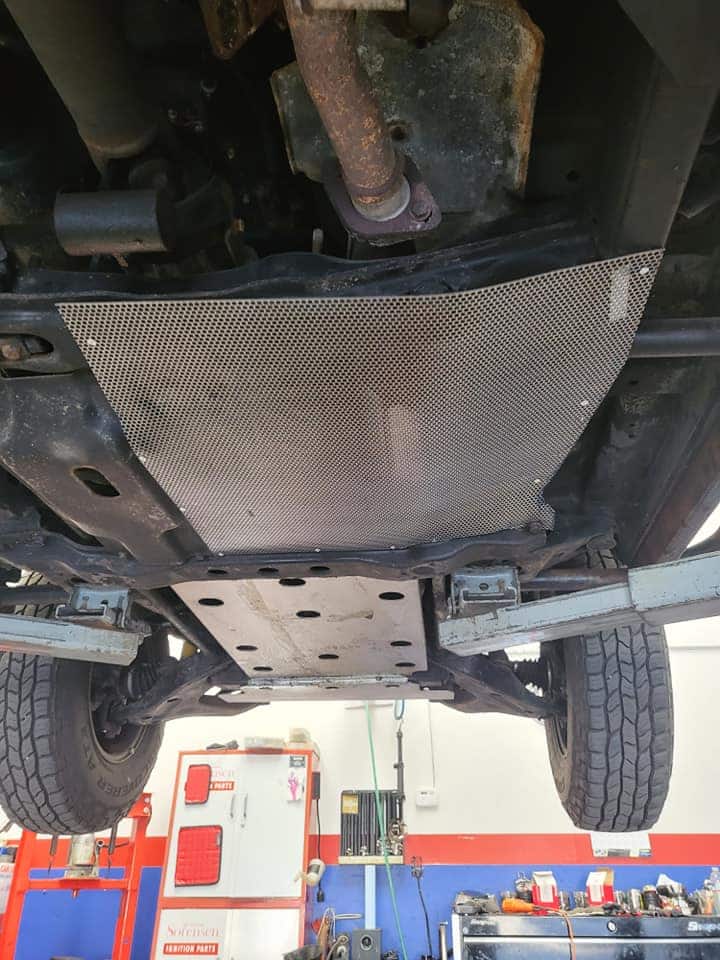
During the inspection, the mechanic will examine various aspects of the vehicle, including the engine, transmission, brakes, suspension, and more. This thorough check aims to identify any existing issues or potential future problems. By knowing the car’s condition upfront, you can make an informed decision, negotiate a better price, or avoid a costly mistake.
Why You Should Book Pre-Purchase Car Inspection
Getting a pre-purchase inspection might seem like an extra step in the buying process, but it can save you from significant headaches down the road. Here’s why it’s worth considering:
- Uncover Hidden Problems: Not all issues are visible or apparent during a test drive. An expert eye can spot problems that might be overlooked, such as frame damage or engine troubles.
- Negotiate a Better Deal: If the inspection reveals issues, you could use this information to negotiate a lower price or request that the seller address the problems before the sale.
- Peace of Mind: Knowing that a professional has thoroughly inspected the vehicle can give you confidence in your purchase decision.
What to Expect During the Inspection
When you schedule a vehicle inspection, the mechanic will perform a detailed evaluation of the car. Here’s an overview of what they typically check:
Exterior and Interior Examination
The inspection starts with a visual check of the car’s body and interior. The mechanic will look for signs of previous accidents, rust, and paint inconsistencies. Inside, they’ll assess the condition of the seats, dashboard, and electronics.
For instance, if you notice mismatched paint or uneven panel gaps, it could indicate past bodywork. Similarly, worn-out seats or malfunctioning controls might suggest extensive use or neglect.
Engine and Transmission Check
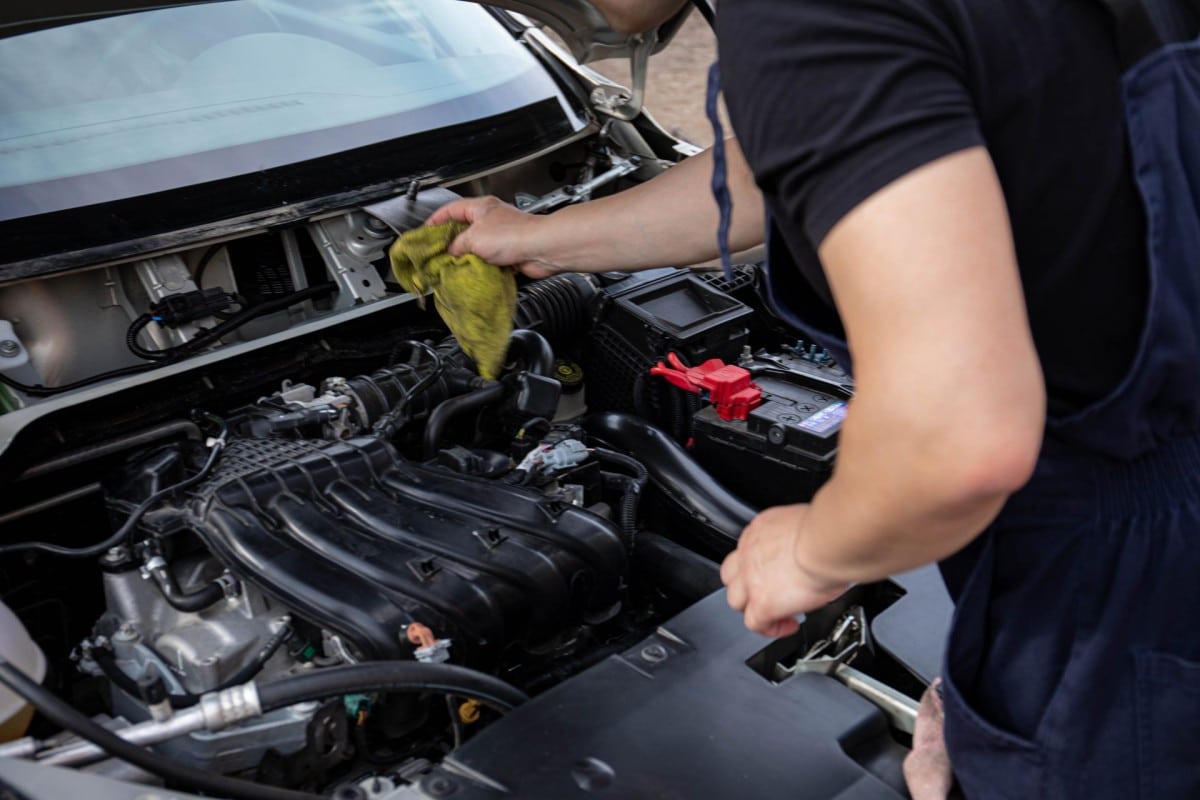
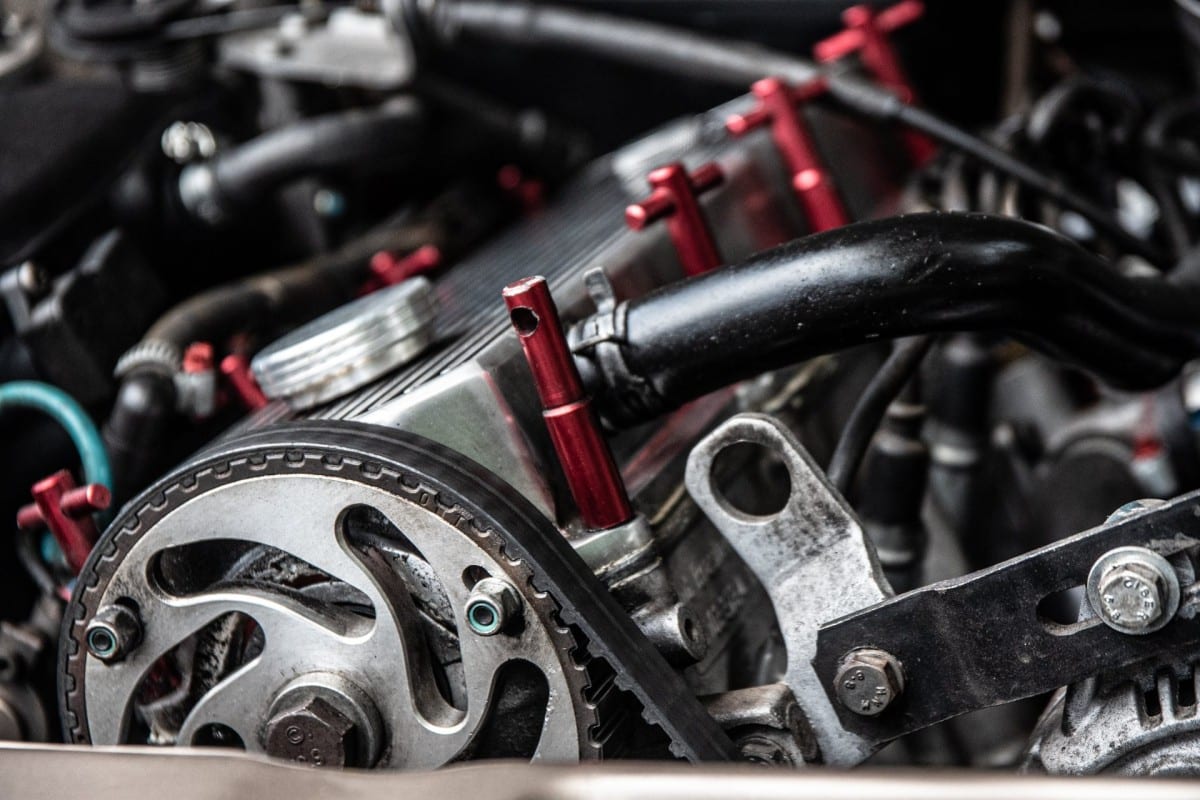
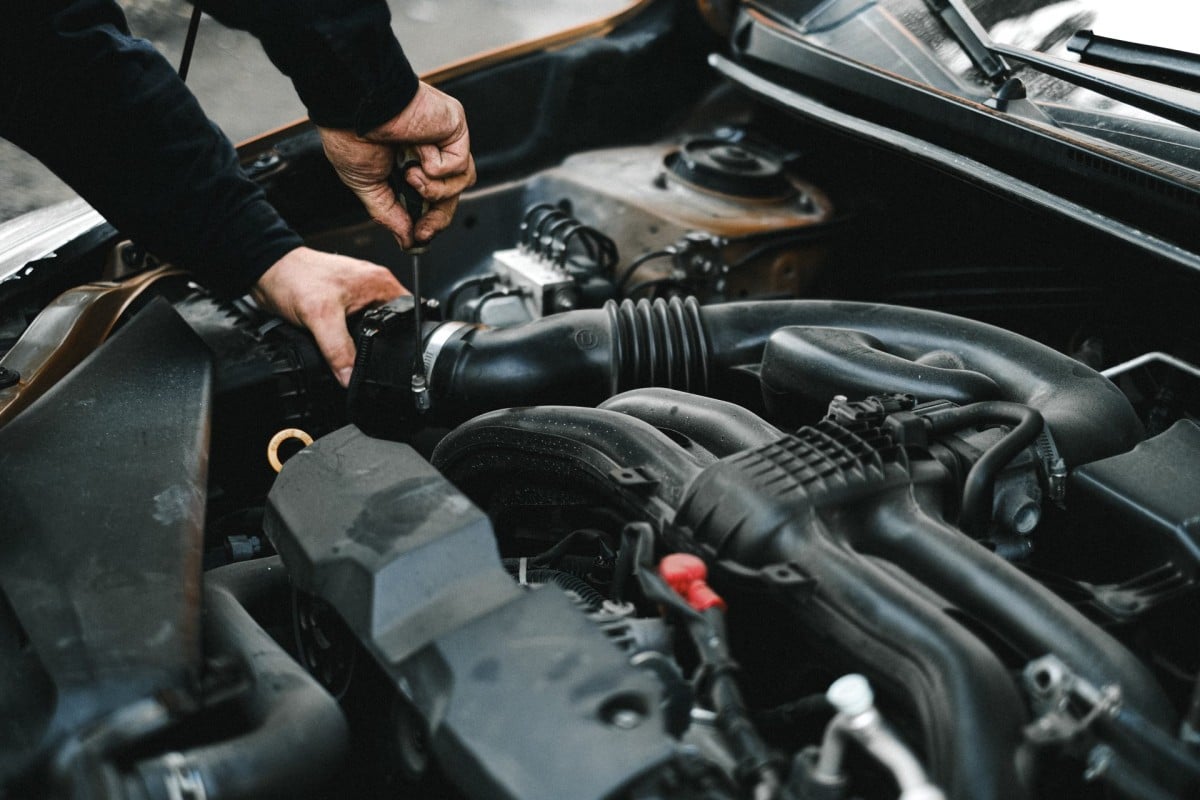
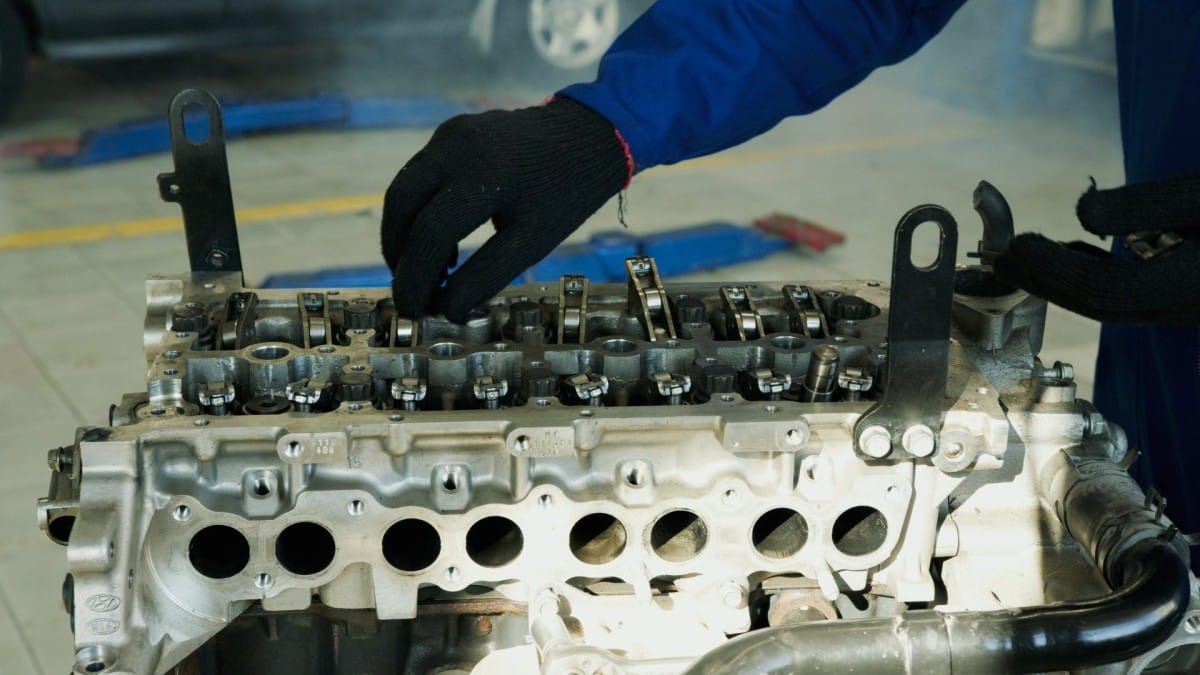
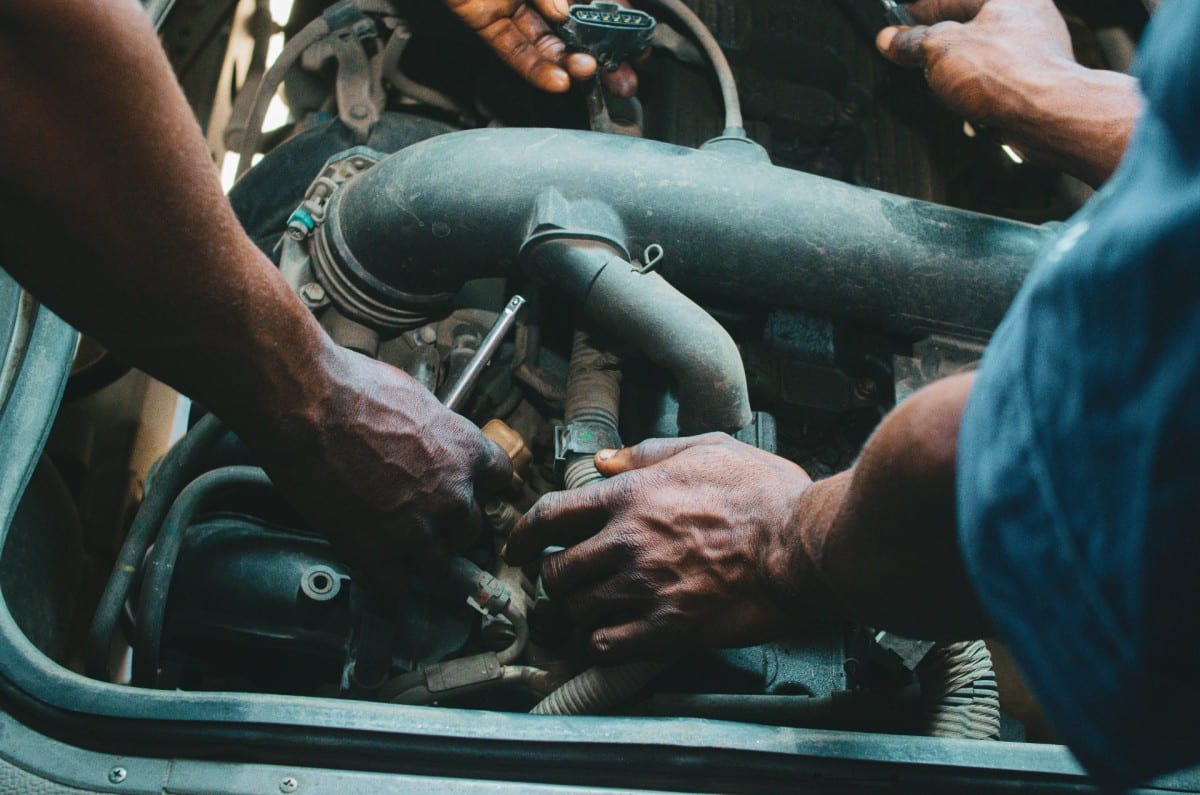
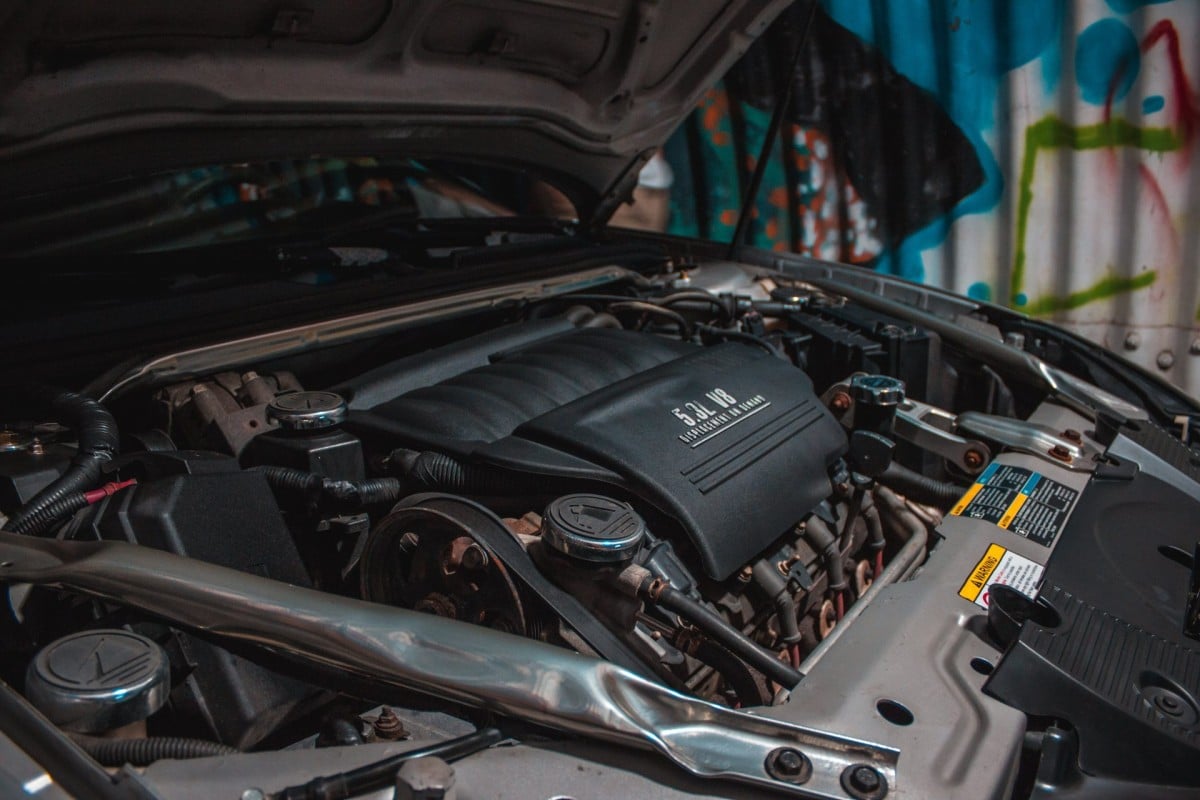
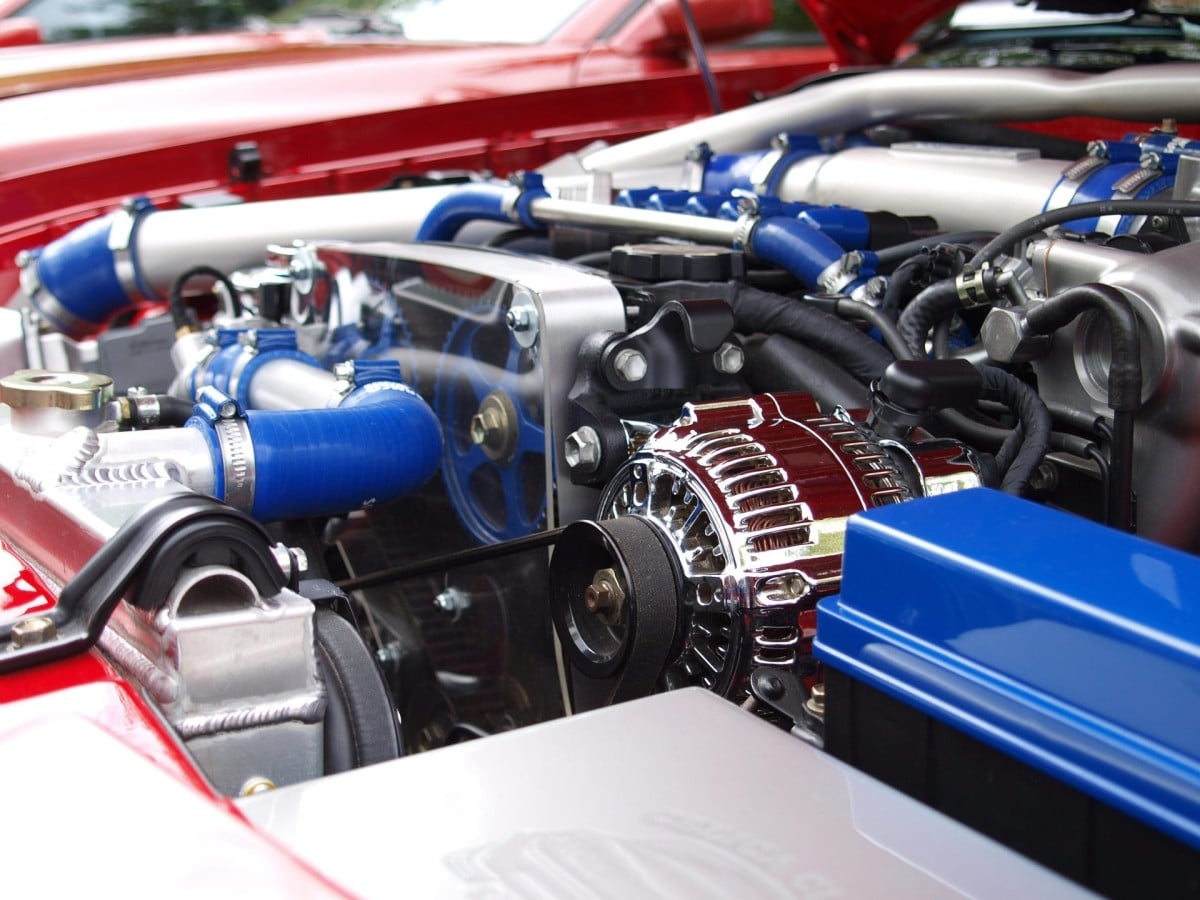
The heart of the vehicle, the engine, will be thoroughly inspected. The mechanic will listen for unusual noises and check for leaks or worn components. They’ll also evaluate the transmission to ensure it shifts smoothly without any delays or noises.
Imagine discovering an oil leak or hearing knocking sounds during this check. Such findings can alert you to potential engine troubles that might require costly repairs down the line.
Brake System Evaluation
Brakes are vital for safety, so the mechanic will inspect the brake pads, rotors, and fluid. If anything seems worn or damaged, they might suggest getting brake pads replaced or recommend a brake rotor replacement.
For example, if the brakes feel spongy or make a grinding noise, it could mean it’s time to schedule brake inspection or change the pads.
Real-World Scenarios and Examples
Let’s consider a few scenarios where a pre-purchase inspection could have a significant impact:
Scenario 1: The Hidden Engine Issue
John found a used car online that seemed perfect. It drove well during the test drive, but after booking a pre-purchase car inspection, the mechanic discovered early signs of engine trouble. Armed with this information, John could either negotiate a lower price or decide against buying a potential lemon.
Scenario 2: The Brake Surprise
Sarah was ready to buy a pre-owned SUV. During the inspection, the mechanic found the brake system was nearing the end of its life. Instead of facing an unexpected repair bill after purchase, Sarah used this insight to have the seller handle the brake pad replacement before finalizing the deal.
Scenario 3: The Cosmetic Cover-Up
Mark loved the look of a sports car he found at a dealership. A thorough inspection revealed extensive bodywork, indicating a previous severe accident. This hidden history came as a surprise, but Mark was glad to avoid purchasing a car with potential structural issues.
Making the Most of Your Inspection
Now that you understand the importance of pre-purchase inspections, here’s how to make the most of it:
- Choose a Reliable Mechanic: Opt for a professional with a solid reputation and experience. They should be thorough and provide a detailed report.
- Be Present: If possible, attend the inspection. It allows you to ask questions and see any issues firsthand.
- Review the Report: Carefully read through the inspection report. Ask the mechanic to explain any technical terms or findings you don’t understand.
Final Thoughts
A pre-purchase vehicle inspection is a small investment that can save you from significant expenses and stress. By ensuring the car you’re buying is in good shape, you protect yourself from unforeseen repairs and get more value for your money.
If you’re considering a car purchase, don’t skip this crucial step. Schedule a vehicle inspection with a trusted mechanic to ensure peace of mind and a wise investment. Remember, when it comes to buying a car, knowledge is power, and a thorough inspection is your best tool for making an informed decision.