

Car idling might seem like a minor issue, especially when you’re waiting in line at a drive-thru or warming up your vehicle on a cold morning. However, the cumulative impact of idling can be significant, both for your vehicle and the environment. Many drivers are unaware of how idling contributes to increased emissions and fuel consumption. Understanding this can help you make more informed choices about your driving habits, potentially saving money and reducing your carbon footprint.
Understanding Idling and Its Impact
Idling occurs when your car’s engine is running but the vehicle is not moving. This might happen more often than you realize, during quick stops or while waiting for someone. It might feel harmless, but idling consumes fuel and emits pollutants without offering any benefit of moving you closer to your destination.
Fuel Consumption and Costs
While idling, your car can burn up to half a gallon of fuel per hour, depending on the engine size and whether you have the air conditioning running. This might not seem like much, but think about how often you let your car idle throughout the week. Those few minutes here and there add up over time, leading to unnecessary fuel expenses.
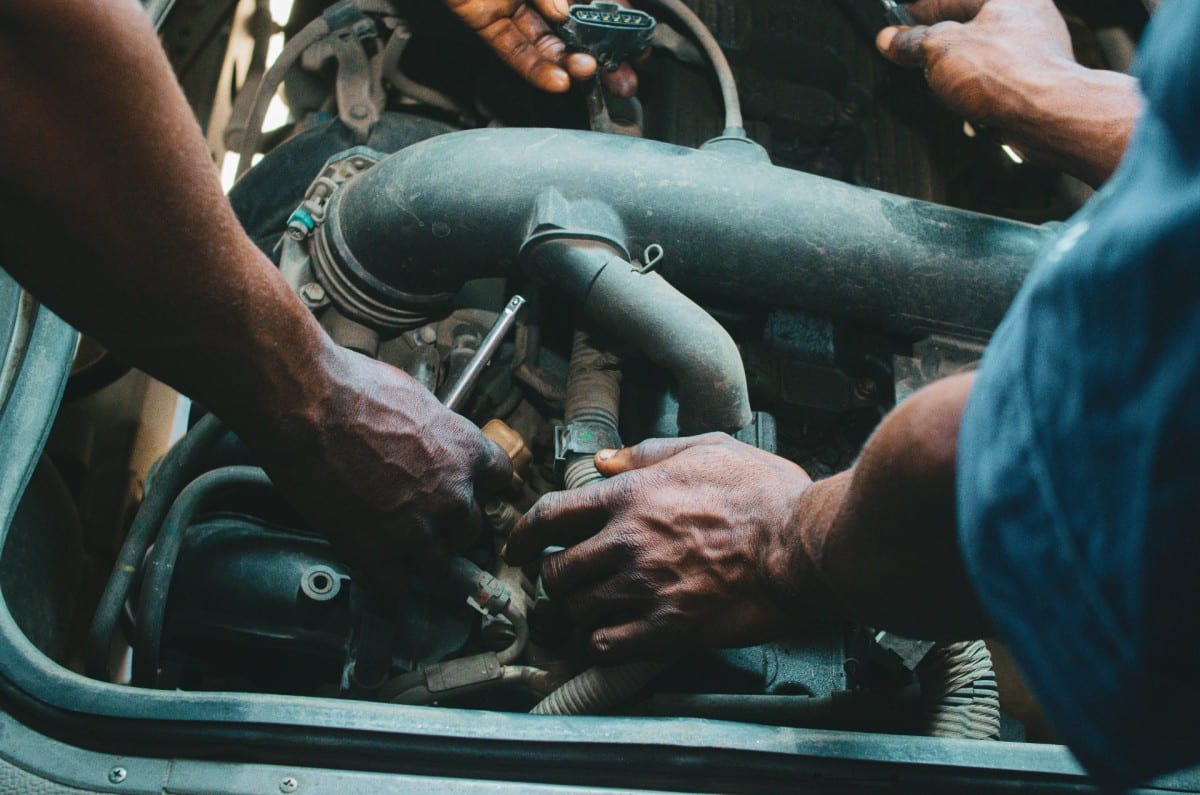
Besides wasting fuel, prolonged idling can also lead to increased wear and tear on your engine. This could mean more frequent visits for factory scheduled maintenance and even more complex repairs down the line. Reducing idling time is a simple way to extend the life of your engine and save money on repairs.
Environmental Impact
Idling contributes significantly to air pollution. When your car is idling, it releases a mixture of carbon dioxide (CO2), carbon monoxide (CO), and other harmful pollutants. These emissions not only degrade air quality but also contribute to climate change by increasing greenhouse gases in the atmosphere.
For example, if every driver reduced their idling by just five minutes a day, the cumulative effect could result in a substantial reduction of CO2 emissions nationwide. This small change can have a big impact on our environment, promoting cleaner air and a healthier planet.
Effect on Vehicle Components
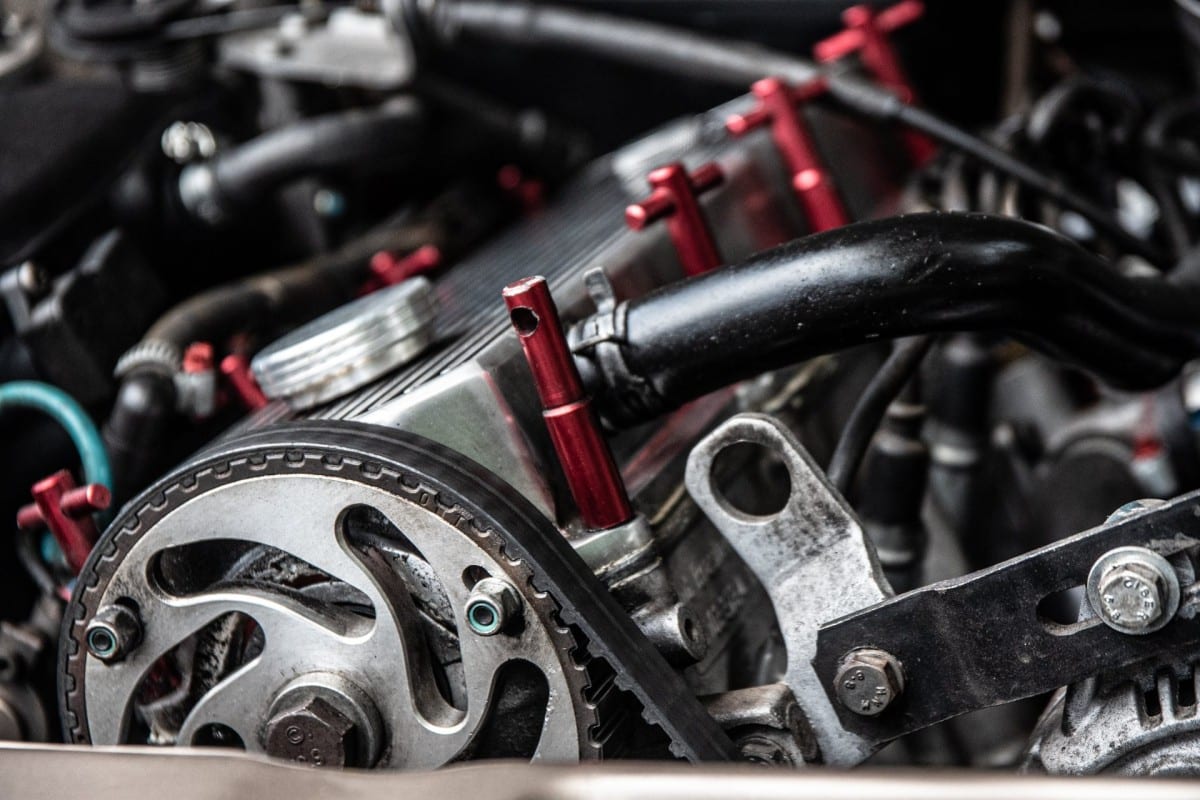
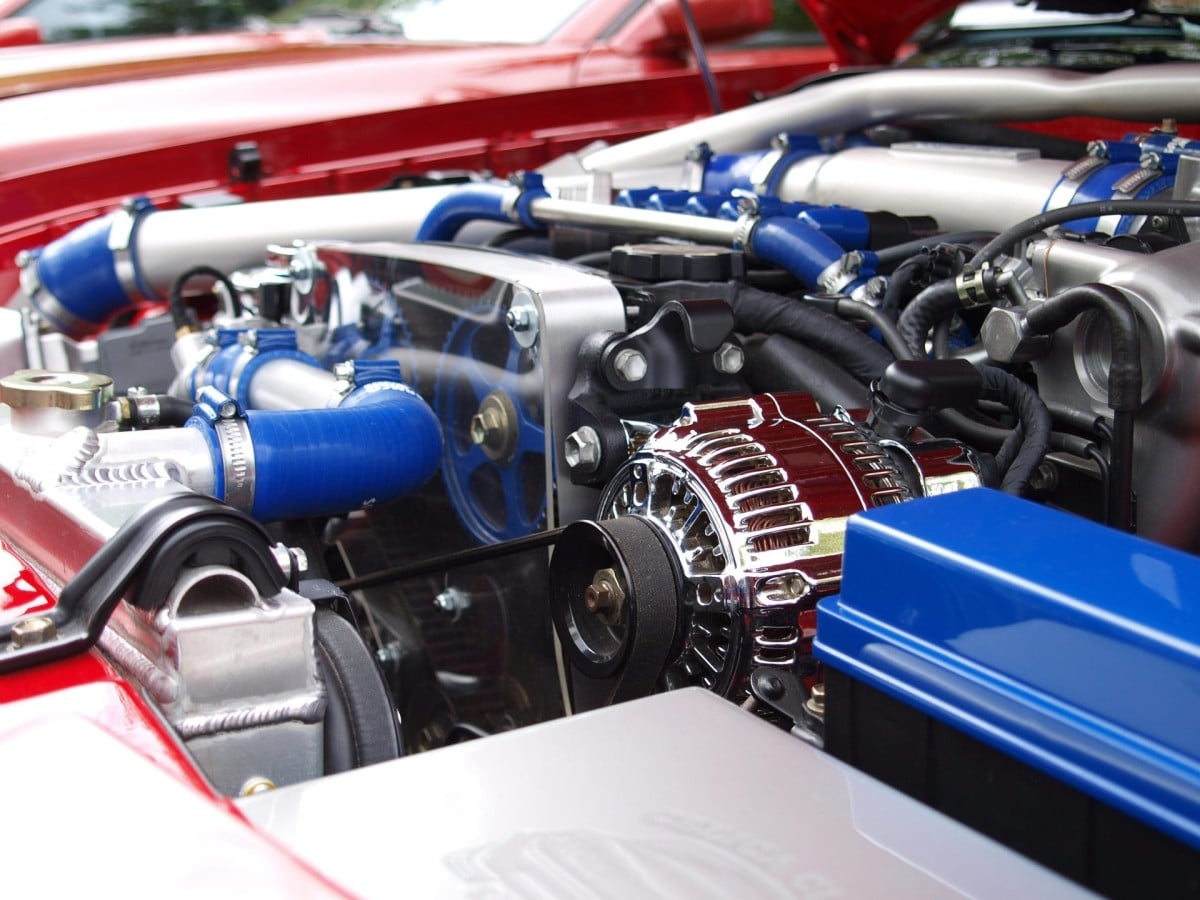
Regular idling can affect various components of your vehicle, leading to increased wear and potential failures. For instance, prolonged idling can cause spark plugs to wear out faster, which might lead you to get your battery tested more frequently due to inefficient combustion.
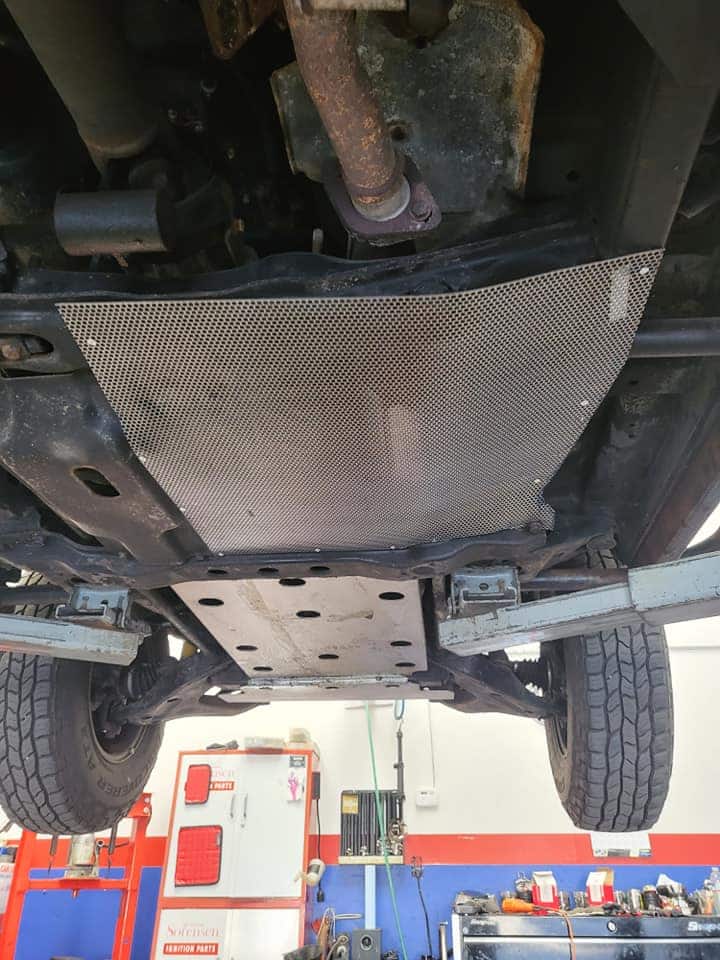
Additionally, excessive idling can strain your car’s exhaust system, especially the catalytic converter. This is because idling can result in incomplete combustion, leaving unburned fuel residues that could clog and damage this crucial component. Consider looking into catalytic converter shield installation to protect against damage and potential theft.
Strategies to Reduce Idling
Reducing idling is not just a benefit to the environment but also a step toward better vehicle maintenance. Here are some practical strategies you can adopt to minimize idling time:
Turn Off the Engine
Whenever you expect to be stopped for more than a minute, it’s a good practice to turn off your engine. Modern vehicles are designed to handle frequent restarts, and the minimal fuel used in restarting is much less than the amount consumed while idling. This is particularly important if you’re waiting for someone or in a long drive-thru line.
Warm Up Your Vehicle Wisely
Many people idle their cars to warm them up before driving, especially in cold weather. However, modern engines are designed to warm up more efficiently when the car is in motion. Instead of idling, start driving gently to allow the engine to reach its optimal temperature quicker, which is beneficial for the engine and reduces fuel consumption.
Use Technology to Help
Many newer vehicles come equipped with start-stop systems that automatically turn off the engine when the car is stationary and restart it when you’re ready to move. If your car has this feature, make sure it’s activated. For older cars, consider using a timer to remind yourself to turn off the engine if you anticipate being stationary for a while.
Real-World Scenarios: How Idling Affects Different Drivers
Different driving habits and circumstances can influence how idling impacts vehicle health and emissions. Here are some examples:
Urban Commuters
City drivers often face stop-and-go traffic, which can lead to significant idling time. If you’re frequently caught in traffic jams, consider adjusting your schedule to avoid peak hours. Alternatively, you could explore carpooling to reduce the number of vehicles on the road, which can decrease overall emissions and fuel use.
Delivery Drivers
For those in delivery or courier services, idling is a common occurrence during pickups and drop-offs. While it might seem necessary to keep the engine running, implementing a policy of turning off the engine during deliveries can lead to substantial fuel savings and reduced emissions over time.
Parents Waiting at School
Parents often idle their cars while waiting for their children at schools or extracurricular activities. By turning off the engine and stepping out of the car, you can reduce emissions and promote a healthier environment for your children. It also sets a good example of environmentally conscious behavior.
Maintaining Your Vehicle to Reduce Idling Effects
Regular maintenance can help mitigate some of the negative effects associated with idling. Here are some key services to consider:
Brake Pad and Rotor Maintenance
Frequent idling and stop-and-go traffic can wear down your brakes faster. Regular brake pad replacement services and brake rotor replacement can ensure your vehicle maintains optimal braking performance.
Battery and Electrical Checks
Idling can strain your vehicle’s battery and electrical system. Regular battery testing services can help you avoid unexpected failures. Consider scheduling checks for your car’s wiring and electrical components to ensure everything is in working order.
Fuel System and Pump Attention
Idling can lead to carbon buildup in your engine, affecting the fuel system. Regular fuel pump replacement and professional fuel system repair can help keep your engine running smoothly and efficiently.
Take Action to Reduce Idling
While idling might seem insignificant, its impact on your vehicle and the environment is substantial. By adopting simple practices like turning off your engine when stationary, warming up your car efficiently, and maintaining your vehicle, you can contribute to a healthier planet and enjoy a more cost-effective driving experience.
At Sartorial Auto Repairs, we’re here to help you with all your vehicle maintenance needs. Whether you need advice on reducing idling effects or require factory scheduled maintenance, our experienced team is ready to assist. Make an appointment today and let us help you keep your car running efficiently and cleanly.