

What Does Radiator Service Actually Involve?
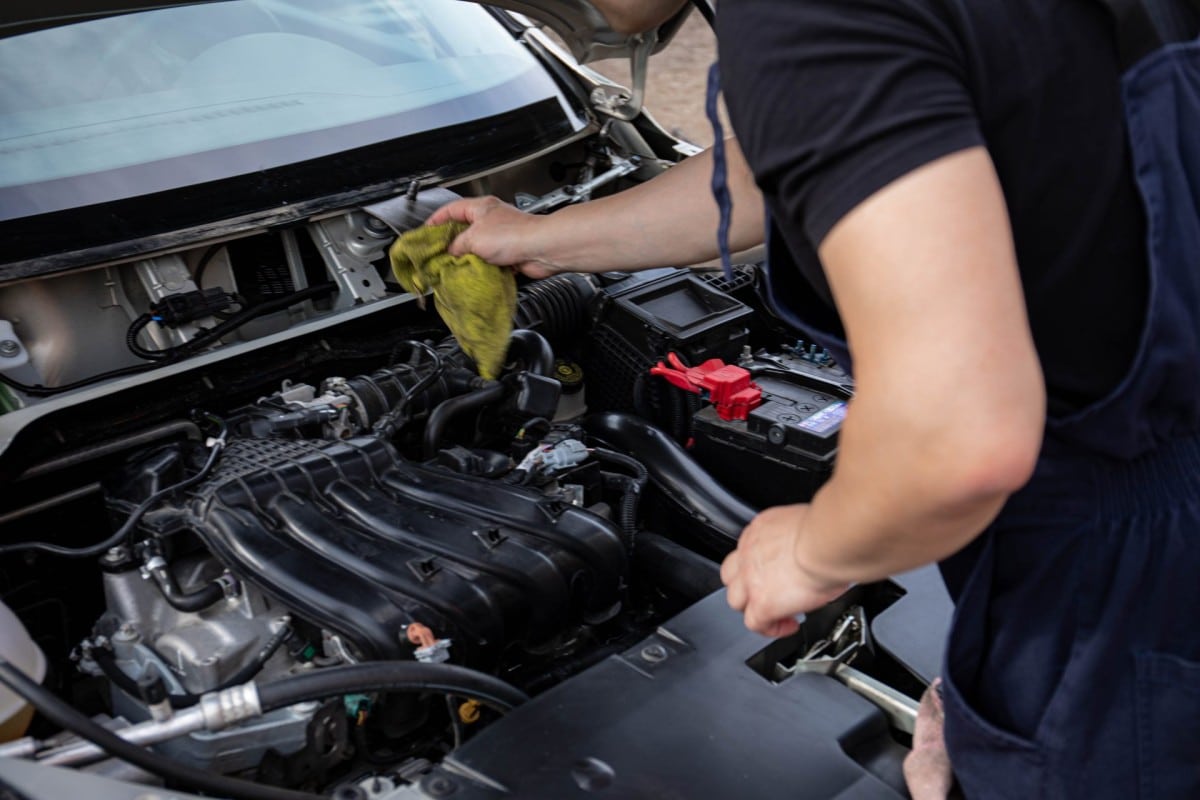
Radiator service means inspecting, cleaning, and flushing your vehicle’s cooling system to help prevent overheating. The process involves more than just topping off coolant.
Here’s what typically happens during a radiator service: While some minor issues can be addressed with DIY radiator repairs, a professional radiator service can help detect hidden leaks and support long-term efficiency.
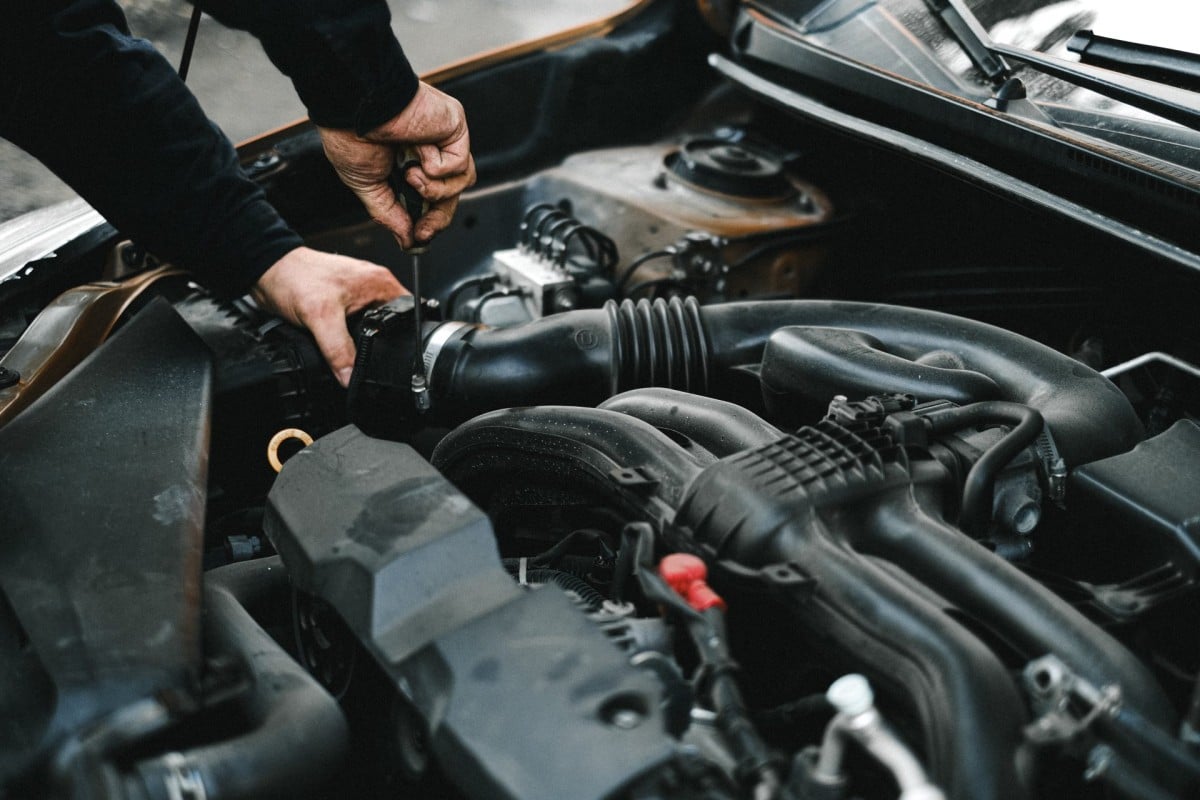
- Inspection: A technician checks for leaks, corrosion, or physical damage in the radiator, hoses, and clamps.
- Coolant Test: The coolant’s condition and level are checked. Old coolant can lose effectiveness and become acidic, damaging components.
- Flush: The old coolant is drained. Using a flush solution and water, technicians remove residue and buildup inside the radiator and engine passages. This step clears rust, scale, and deposits that can block proper coolant flow.
- Refill: The system is refilled with fresh coolant at the correct mixture for your vehicle and climate.
- Pressure Test: After refilling, the system is pressurized to ensure there are no leaks and the radiator cap holds proper pressure.
For example, if you drive a truck in Santa Rosa’s summer heat, a radiator flush can be important for keeping your engine temperature stable. Technicians may also check the thermostat, water pump, and heater core for related issues. A radiator service addresses the entire cooling system, not just the radiator itself. If you notice frequent overheating or coolant leaks, it’s a good idea to get your car repaired by a professional to help prevent more serious radiator issues down the road. Regular radiator service can also help identify cooling system problems before they become more severe.
Is Radiator Service Necessary for Every Vehicle?
Radiator service is necessary for almost every vehicle with a liquid-cooled engine, but how often you need it varies by make, model, and use.
For further reading, see How Does a Car Radiator Work? from uti.edu.
Modern cars, SUVs, and trucks rely on liquid coolant to regulate engine temperature. Over time, coolant degrades and contaminants build up. If you drive a high-mileage vehicle, tow heavy loads, or face stop-and-go traffic often, your engine works harder and the cooling system needs more attention.
Some newer vehicles use “long-life” coolant that can last for extended periods, but few systems are truly maintenance-free. Vehicles designed for harsh climates or heavy-duty use may need more frequent service. Following your vehicle’s factory scheduled maintenance helps ensure that crucial tasks like radiator service are performed at the right intervals and can help prevent overheating issues.
Classic cars, older models, and vehicles with a history of overheating or coolant leaks should have the radiator serviced more often. If your owner’s manual recommends a flush at a certain interval, follow that guideline. If you are unsure, you can discuss your driving habits and vehicle needs with an auto repair professional.
What Happens If You Skip Radiator Service?
If you skip radiator service, your cooling system can develop blockages, corrosion, and coolant breakdown. These issues may lead to repairs and possible engine damage.
Neglecting this maintenance allows rust and mineral deposits to accumulate. These buildups can:
- Block coolant flow, causing hot spots and engine overheating
- Corrode the radiator, water pump, and thermostat, leading to leaks or failures
- Trigger “check engine” or temperature warning lights
- Reduce heater performance in cold weather
When radiator service is skipped, repairs can become more involved and costly than routine maintenance. Problems like a clogged heater core or damaged hoses may require more extensive work to fix.
Overheating can warp the cylinder head or blow a head gasket. Both repairs are time-consuming and expensive. Staying on top of radiator service can help you avoid these complications.
How Often Should Radiator Service Be Done?
Most vehicles need radiator service every 30,000 to 60,000 miles, but your actual interval depends on your car, driving style, and coolant type.
Here’s how to decide:
- Check your owner’s manual for specific recommendations.
- For traditional green coolant, flush every 2-3 years (about 30,000 miles).
- For extended-life coolant, intervals can stretch to 5 years or 100,000 miles.
- Heavy-duty vehicles, those used for towing, or cars exposed to extreme heat should have the cooling system checked more often.
- If you notice any performance issues, strange smells, or leaks, don’t wait for the next scheduled service.
For Santa Rosa drivers, the area’s warm summers and occasional stop-and-go traffic can put extra stress on the cooling system. Even with long-life coolant, regular maintenance visits are a good time to have your radiator checked.
Are There Signs You Need Radiator Service Now?
Yes—your vehicle gives several warning signs when it’s time for radiator service. Ignoring them can lead to bigger problems.
- Temperature gauge is higher than normal or fluctuates
- Visible coolant leaks under your vehicle
- Sweet or musty smell from the engine area
- Steam or white smoke from under the hood
- Low coolant level or frequent need to top off
- Rusty or discolored coolant (should be clear and brightly colored)
- Poor heater performance in the cabin during cold weather
- Warning lights (“check engine” or coolant temperature)
If you notice any of these symptoms, schedule a radiator check right away. Addressing issues early can help prevent further complications with your vehicle.
Is Radiator Service Necessary or Just a Money Grab?
Radiator service plays an important role in keeping your vehicle running smoothly.
Shops recommend radiator service because coolant can break down and the system may collect deposits over time. Skipping this service can put your engine at risk for problems that are often costly to fix, such as head gasket issues or water pump damage.
Sartorial Auto Repairs in Santa Rosa focuses on what your vehicle actually needs. They assess your coolant and radiator before recommending service, aiming to help you avoid unnecessary spending and reduce the risk of preventable breakdowns.
If you’re unsure, ask your technician to show you the coolant or explain why service is recommended. Good shops are open about their process and will walk you through their reasoning.
Can Skipping Radiator Service Cause Bigger Problems?
Yes—skipping radiator service can lead to major engine issues and expensive repairs far beyond the cost of routine maintenance.
Here’s what can happen if you ignore your cooling system:
- Blocked passages: Buildup inside the radiator can restrict coolant flow, causing overheating.
- Corrosion: Old coolant gets acidic, eating away at metal components and creating leaks.
- Heater core failure: Debris clogs the heater core, leading to costly replacements and poor cabin heat.
- Water pump damage: Contaminated coolant wears out seals, causing leaks and pump failure.
- Head gasket failure: Overheating increases the risk of blown head gaskets, which can cost thousands to repair.
An overheated engine can leave you stranded and may require a full engine rebuild. Compared to a straightforward radiator service, these are much larger expenses. If you rely on your vehicle for business, the downtime alone can hurt your bottom line.
How Much Does Radiator Service Cost in Santa Rosa?
Costs can vary depending on your vehicle’s size and the complexity of its cooling system.
Here’s a general breakdown of what’s involved:
| Service | What’s Included | Estimated Cost Range (Santa Rosa) |
|---|---|---|
| Basic Coolant Flush | Drain and replace coolant | $100 – $140 |
| Full Radiator Service | Flush, inspect, pressure test, refill | $140 – $180 |
| Related Repairs (hoses, thermostat, etc.) | Parts and labor as needed | Varies by vehicle |
Sartorial Auto Repairs aims for clear communication about pricing. If your vehicle needs extra work, such as replacing worn hoses, your technician will discuss the reasons and costs before starting. Routine radiator maintenance often helps you avoid much higher expenses from overheating damage.
How to Decide if Radiator Service Is Necessary for You
Deciding if radiator service is necessary depends on your vehicle, how you use it, and any warning signs you notice. Here’s a quick checklist to help you make an informed decision:
- Check your owner’s manual for manufacturer recommendations.
- Review your service records—when was your last radiator flush?
- Consider your driving style (towing, heavy loads, stop-and-go traffic).
- Look for signs of overheating, leaks, or heater problems.
- Ask a technician to test your coolant and inspect the system.
- Factor in Santa Rosa’s climate—warmer weather can stress your cooling system.
- If in doubt, schedule a cooling system check during your next oil change.
If you rely on your vehicle for work, staying ahead of cooling system problems can help you avoid unexpected breakdowns. Regular radiator service supports reliability and helps keep your vehicle ready for the road. If you have questions or want guidance, contact Sartorial Auto Repairs at 707-526-2625 for advice and service options.
Frequently Asked Questions
Is radiator service really necessary for my car?
Yes, radiator service is necessary for most vehicles with a liquid-cooled engine to prevent overheating and engine damage. Over time, coolant degrades and debris can clog the system, so routine service keeps your cooling system running efficiently.
How often should I get a radiator flush or service?
You should have your radiator serviced every 2-3 years or as recommended in your vehicle’s owner’s manual. If you drive in harsh conditions, like Santa Rosa’s hot summers, more frequent service may be beneficial.
What are the signs that my radiator needs servicing?
Watch for engine overheating, low coolant levels, visible leaks, or rusty coolant. If you notice any of these issues, consider having your radiator checked by an auto repair specialist such as Sartorial Auto Repairs.
What does a radiator service include?
A typical radiator service involves inspecting for leaks or damage, testing and flushing old coolant, cleaning the system, refilling with fresh coolant, and pressure testing for leaks. This ensures your entire cooling system is functioning properly.
Can I skip radiator service if my coolant level looks fine?
No, even if your coolant level appears normal, the coolant can degrade or become contaminated over time, leading to potential problems. Regular radiator service removes buildup and checks the whole system for hidden issues.