

Being an automotive technician isn’t just about turning wrenches. It’s a profession that combines technical knowledge, problem-solving skills, and a keen understanding of customer service. Whether you’re just starting out or have been in the field for years, certain skills are essential to succeed in this ever-evolving industry. Here, we’ll discuss five critical skills every automotive technician should possess.
Understanding of Automotive Systems
At the heart of any good automotive technician is a comprehensive understanding of the various systems within a vehicle. Cars today are complex machines with intricate systems that include everything from engines to electronics. An adept technician should understand how these systems work individually and how they integrate to make a vehicle function smoothly.
Engine and Transmission Systems
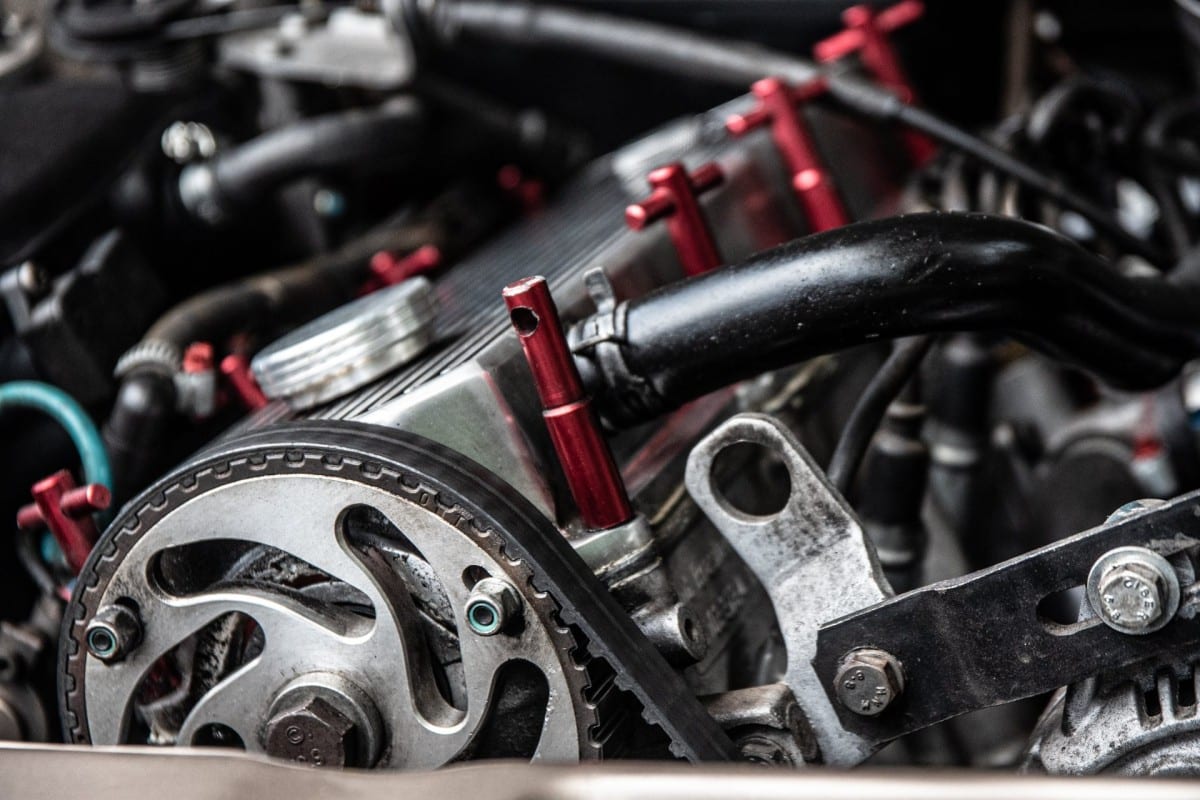
The engine is the powerhouse of the vehicle, and understanding it is crucial. This includes knowledge of combustion engines and modern hybrids. Equally important is the transmission system, which controls the power from the engine to the wheels. Knowing how to diagnose issues like transmission slipping or unusual noises can save time and money for customers.
- Example: A customer comes in with a vehicle that doesn’t accelerate smoothly. A skilled technician will evaluate the engine and transmission to pinpoint the issue, such as worn-out parts or incorrect fluid levels.
Electrical and Electronic Systems
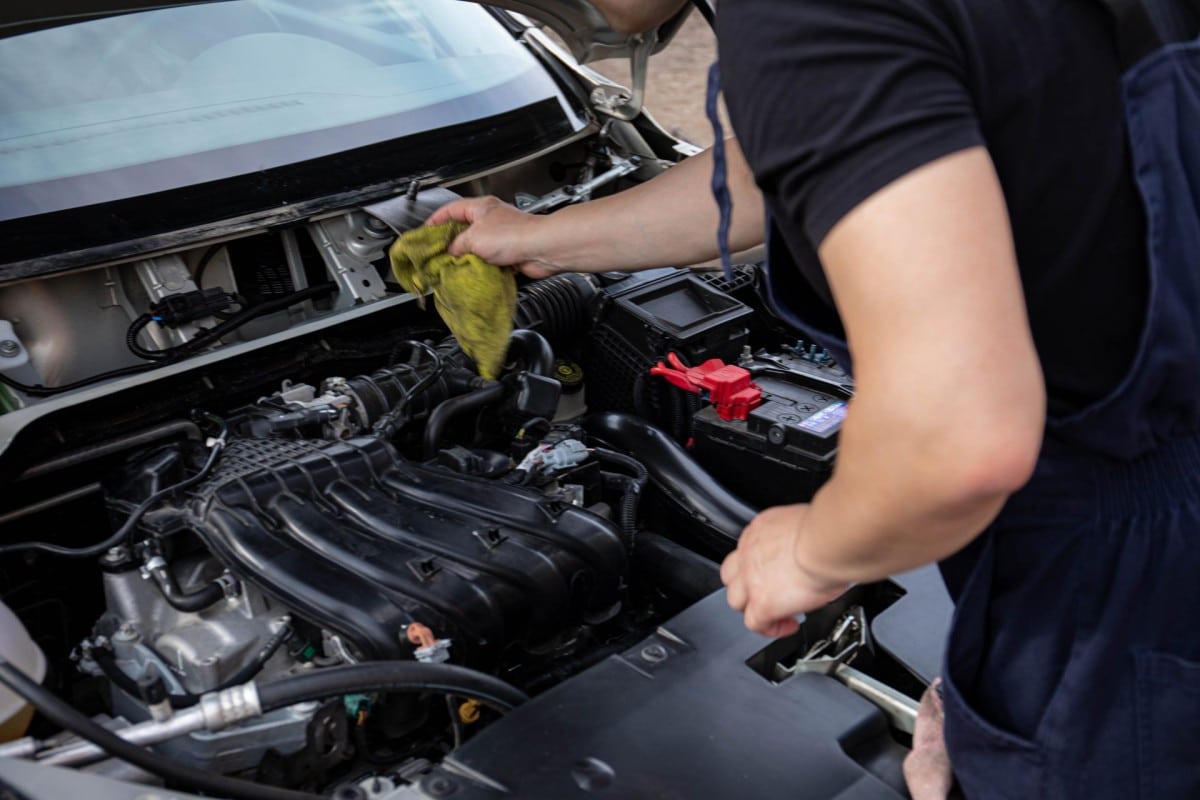
Modern vehicles are equipped with sophisticated electrical systems. Mastering electrical diagnostics service is essential to address issues like malfunctioning lights or dead batteries. Understanding how to perform a reliable battery testing service or handle other electrical issues like ABS warning light check can significantly improve your service quality.
- Example: If a vehicle’s dashboard lights are flickering, a technician skilled in electrical diagnostics can quickly identify whether it’s a simple battery replacement or something more complex, like alternator repair services.
Problem-Solving Skills
Vehicles can present issues that aren’t immediately obvious. Technicians need strong problem-solving skills to diagnose and fix these problems efficiently. This requires not just technical knowledge, but also the ability to think critically and adapt to new situations.
Diagnostic Tools and Techniques
Using diagnostic tools effectively is a key part of problem-solving. Whether it’s a handheld scanner or a more complex computer system, knowing how to get warning lights checked and interpret the results is crucial.
- Example: An ABS warning light diagnosis might reveal a sensor issue. A technician must decide whether to replace a sensor or if further investigation is warranted, ensuring the solution is both effective and economical for the customer.
Creative Thinking
Not all vehicle problems have straightforward solutions. Sometimes, technicians must think outside the box to find a fix that isn’t immediately apparent. This might involve using non-standard techniques or tools to solve a unique problem.
- Example: A car with a recurring overheating issue might require a more thorough inspection beyond the typical checks, such as evaluating the radiator and hoses, to find the root cause.
Attention to Detail
Minor oversights in automotive repair can lead to significant problems down the road. A good technician pays close attention to detail, ensuring that every nut and bolt is correctly in place and every repair is completed to the highest standard.
Thorough Inspections
A professional brake inspection involves more than just looking at the pads. It includes checking for wear on the rotors, calipers, and any signs of fluid leaks. This meticulous approach can prevent future issues and enhance vehicle safety.
- Example: During a routine brake check, a technician might spot uneven wear on the brake pads, suggesting the need to install brake rotors or adjust the calipers for even pressure distribution.
Following Procedures
Each vehicle make and model has its own set of service procedures. A technician who diligently follows these procedures ensures that all repairs are performed correctly, reducing the risk of errors and enhancing customer satisfaction.
- Example: When performing an alternator repair, following the manufacturer’s guidelines step-by-step ensures the repair is done safely and effectively, minimizing the chance of further electrical issues.
Communication Skills
While technical skills are crucial, the ability to communicate effectively with customers is what sets a good technician apart. Customers rely on technicians to explain complex issues in a way they can understand, helping them make informed decisions about their vehicle maintenance.
Explaining Technical Issues
Technicians should be able to break down technical jargon into layman’s terms. This helps build trust and ensures customers feel confident in the services provided.
- Example: When recommending battery replacement options, a technician should explain why a particular battery is suitable for the customer’s vehicle, considering factors like climate and usage patterns.
Customer Service
Beyond explaining repairs, technicians should listen actively to customer concerns and respond empathetically. This approach fosters a positive relationship and encourages repeat business.
- Example: A customer worried about a recurring noise might appreciate a detailed explanation of the diagnostic process, along with reassurances about the potential outcomes and solutions.
Continuous Learning
The automotive industry is continuously evolving, with new technologies and systems emerging regularly. Staying updated with these changes is vital for any technician who wants to remain relevant and effective in their work.
Training and Certifications
Pursuing further training and certifications keeps technicians at the forefront of new developments. Whether it’s learning about electric vehicles or advanced diagnostic tools, ongoing education is crucial.
- Example: Attending workshops on hybrid vehicle repair equips technicians with the knowledge to service these increasingly popular models, providing a competitive edge in the market.
Embracing Technology
Embracing new technology, such as advanced diagnostic software, can improve efficiency and accuracy in problem-solving. Being open to these tools ensures technicians can offer the best service possible.
- Example: Using the latest software for electrical diagnostics service can streamline the process of diagnosing complex issues, reducing the time and cost for both the technician and the customer.
These essential skills form the backbone of a successful automotive technician’s career. By mastering these areas, technicians not only enhance their own capabilities but also improve the overall customer experience. Whether it’s through precise repairs, effective communication, or ongoing learning, the goal is always to deliver honest, reliable service that customers can trust. For more tips on keeping your vehicle in top shape, consider reaching out to a trusted professional who can help guide you through regular maintenance and repairs.