

When it comes to saving money at the pump, many drivers overlook one of the most effective strategies: regular vehicle tune-ups. While some might view tune-ups as an unnecessary expense, the truth is that maintaining your car can lead to significant savings in fuel costs over time. At Sartorial Auto Repairs, we believe in empowering car owners with the knowledge they need to make informed decisions about their vehicles. Let’s delve into how tune-ups can help maximize your fuel efficiency and keep more cash in your pocket.
Understanding the Role of Tune-Ups in Fuel Efficiency
Most cars require periodic tune-ups to function optimally. These services address various components under the hood that can affect how efficiently your vehicle uses fuel. When these components are neglected, your car has to work harder, consuming more gas than necessary.
Key Components Checked During a Tune-Up
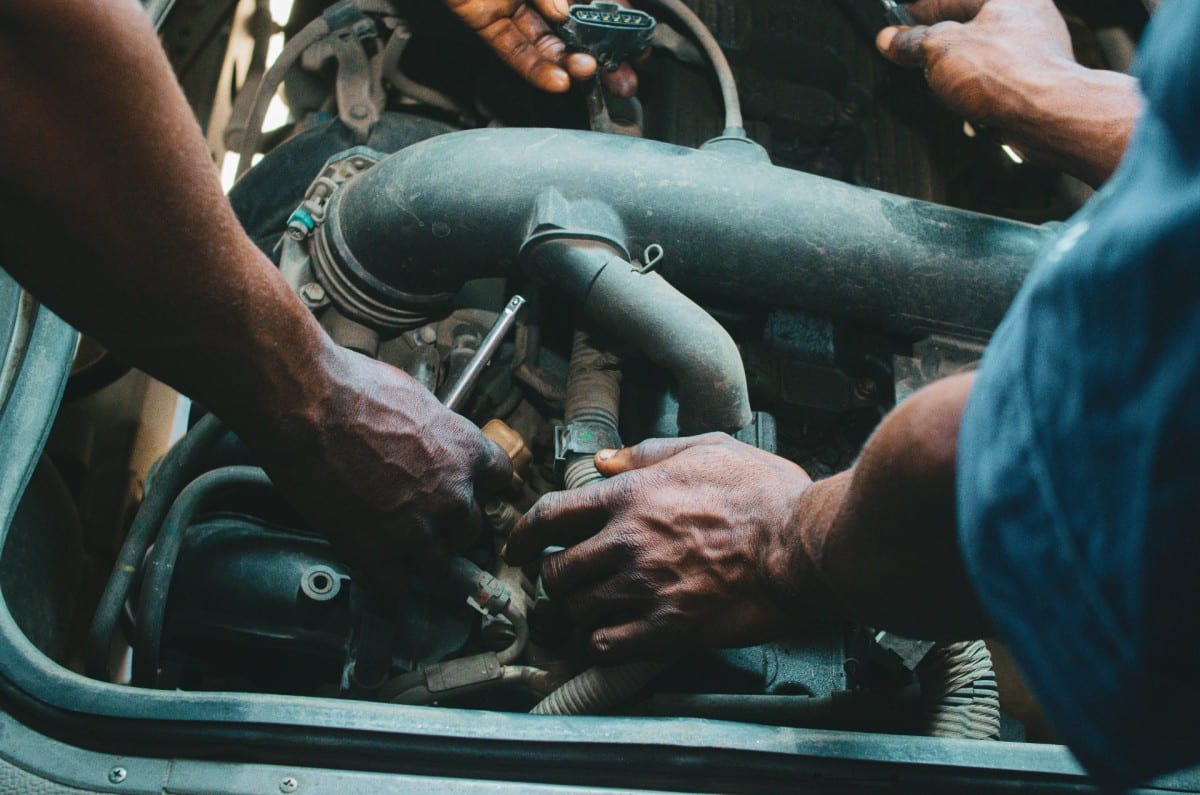
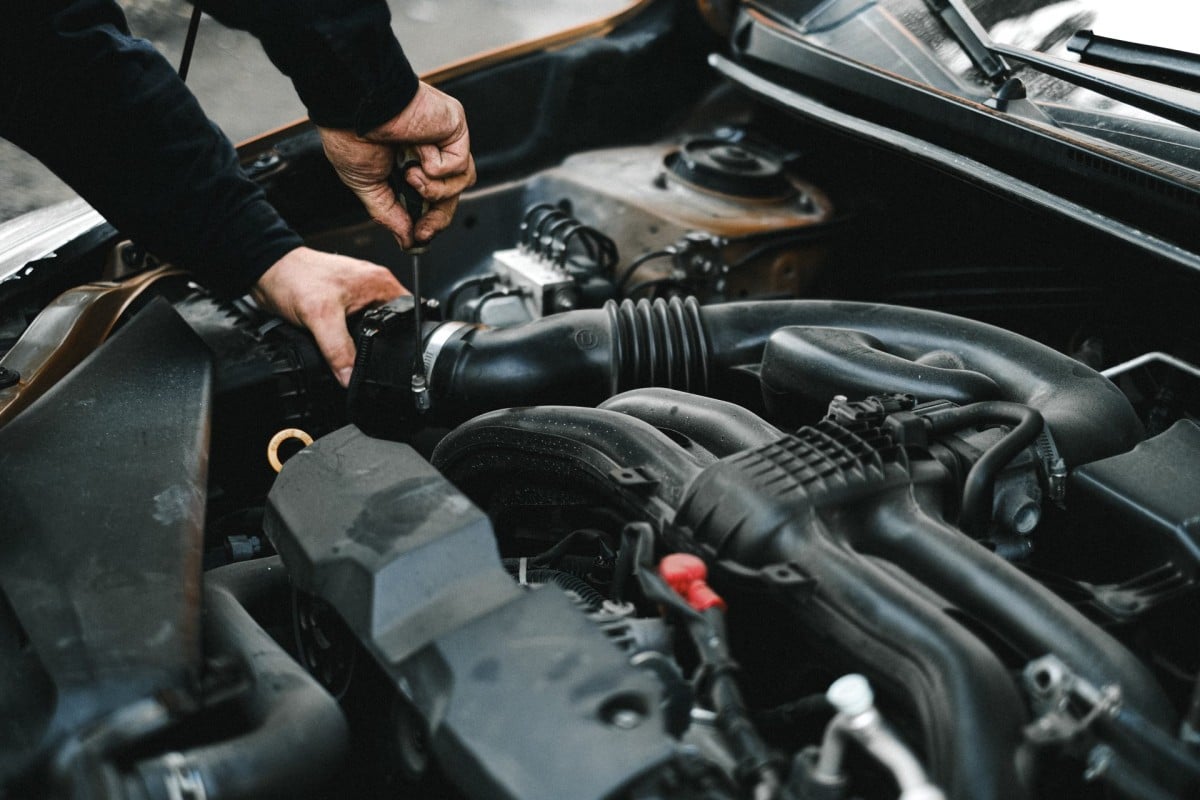
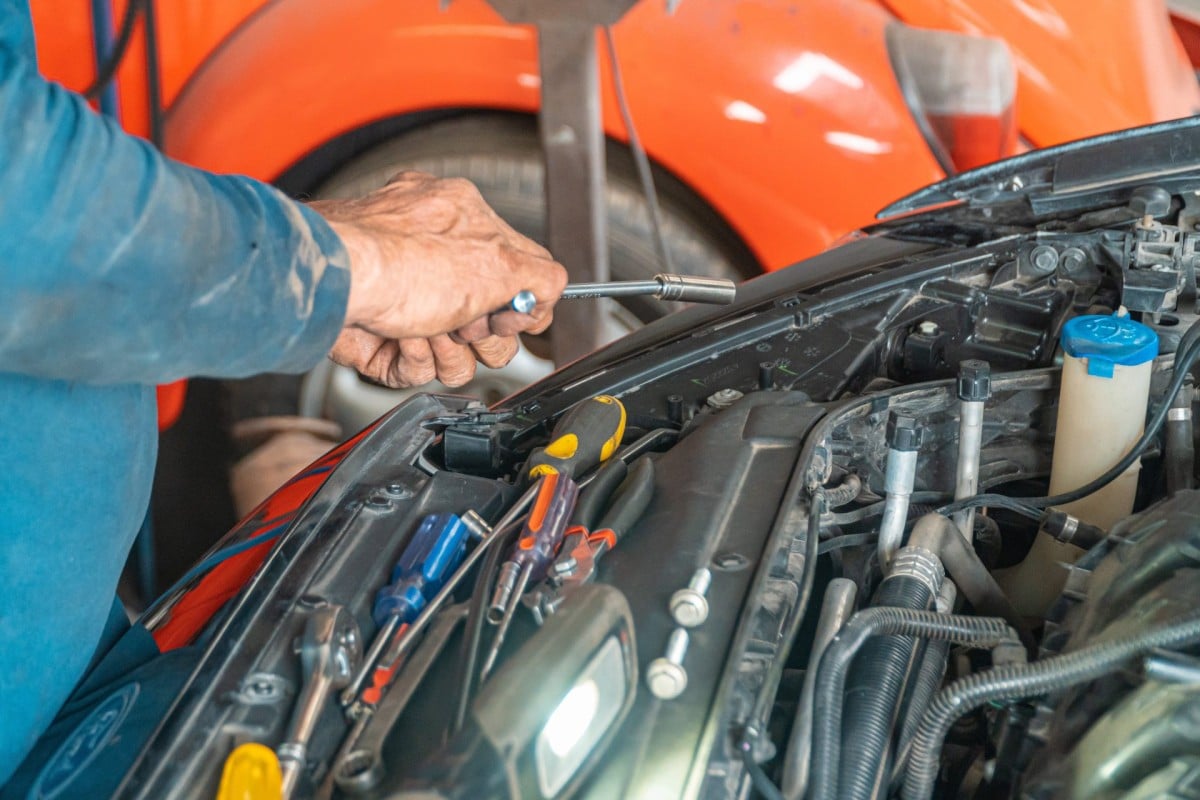
A comprehensive tune-up involves inspecting and servicing several crucial parts of your vehicle. Here’s what typically gets attention:
- Spark Plugs: Worn or dirty spark plugs can cause misfires, leading your engine to burn more fuel.
- Air Filter: A clogged air filter limits airflow to the engine, reducing efficiency.
- Fuel Injectors: Keeping your fuel injectors clean is vital for maintaining proper fuel spray and combustion.
- Oxygen Sensors: These sensors help manage the air-fuel mixture. Faulty sensors can result in poor fuel economy.
By addressing these issues during a tune-up, you ensure that your car runs smoothly and efficiently. This not only boosts fuel efficiency but also enhances overall performance.
Real-World Scenario: The Impact of Neglected Spark Plugs
Consider a driver who hasn’t changed their spark plugs in several years. They notice their fuel economy has decreased, but attribute it to the car’s age. After a tune-up, which includes replacing the spark plugs, they find their gas mileage improves significantly. This simple change can lead to savings of hundreds of dollars in fuel costs over the car’s lifespan.
The Financial Benefits of Regular Tune-Ups
While the upfront cost of a tune-up might seem daunting, the financial benefits far outweigh the expense. Here’s how regular tune-ups can save you money:
Reducing Fuel Consumption
When your vehicle runs efficiently, it consumes less fuel. This is particularly important as fuel prices continue to fluctuate. Regular tune-ups ensure that your engine is in top condition, optimizing fuel use and reducing trips to the gas station.
Preventing Expensive Repairs
Addressing small issues during a tune-up can prevent them from turning into costly repairs. For instance, neglecting fuel injector cleaning can lead to clogs, resulting in poor fuel delivery and potential engine damage. By investing in a fuel injector cleaning service, you can avoid these expensive repairs down the road.
Real-World Scenario: Avoiding a Fuel Pump Replacement
A car owner who skips regular maintenance might face a fuel pump replacement sooner than expected. By keeping up with tune-ups, they can extend the life of their fuel pump, avoiding the higher costs associated with a fuel pump change. This proactive approach can save hundreds, if not thousands, of dollars over time.
How Tune-Ups Improve Your Driving Experience
Beyond saving money, regular tune-ups can greatly enhance your overall driving experience. Here’s how:
Smoother Engine Performance
When your car is well-maintained, you’ll notice a smoother ride. Engine misfires become less frequent, and acceleration improves, making your driving experience more enjoyable.
Increased Reliability
Regular tune-ups can also increase your car’s reliability. Knowing that your vehicle is less likely to break down gives you peace of mind, especially during long trips. This reliability extends to other systems as well, such as your brakes. While you’re focused on fuel efficiency, it might be wise to inspect your brakes as part of regular maintenance. After all, well-maintained brakes are just as important for a safe and efficient ride.
Real-World Scenario: Diagnosing an ABS Warning Light
A driver notices their ABS warning light has come on but doesn’t think much of it. During a tune-up, the mechanic performs an ABS warning light check and discovers a minor issue that could have led to brake failure if left unchecked. Addressing this early not only prevents a dangerous situation but also avoids potentially expensive repairs.
Taking Action: Scheduling Your Next Tune-Up
Now that you understand the importance of regular tune-ups in maximizing fuel efficiency, it’s time to take action. Scheduling a tune-up can be a simple yet effective way to improve your car’s performance and save money on fuel.
Consider making tune-ups a regular part of your vehicle maintenance routine. Whether it’s addressing spark plugs, checking your air filters, or undergoing a fuel injector cleaning, these services keep your car running smoothly and efficiently. Additionally, don’t forget to get your fuel system fixed when necessary to prevent more serious issues down the line.
At Sartorial Auto Repairs, we’re here to help you keep your vehicle in top shape. Contact us today to schedule your next tune-up and start enjoying the benefits of better fuel efficiency and a smoother ride. After all, maintaining your car is a smart investment that pays off at the pump and beyond.