

Getting an oil change should be a straightforward task, but if you're unsure about what it involves or what questions to ask, it can feel a bit daunting. Here at Sartorial Auto Repairs, we understand that you want to feel confident about the services your car receives. Before you roll into the shop for an oil change, it helps to know what to expect and what to ask. We’re here to guide you through it, making sure you know exactly what’s going on under the hood and ensuring your car gets the care it deserves.
Most people know that regular oil changes are essential for keeping their car running smoothly, but not everyone knows why or what to ask about during the process. It’s not just about topping up fluids; it’s an opportunity to check on your car’s overall health. Let's walk through the key questions you should ask your mechanic, ensuring you get the most out of this routine service.
Understanding the Basics of Oil Changes
Before diving into specific questions, it's important to understand what an oil change involves and why it matters. Engine oil is the lifeblood of your vehicle, lubricating moving parts, reducing friction, and helping to keep the engine cool. Over time, oil breaks down and becomes less effective, which is why regular changes are crucial.
During an oil change, your mechanic will drain the old oil, replace the oil filter, and fill your engine with new oil. But there’s more to it than meets the eye, and this is where asking the right questions can make a big difference.
Which Type of Oil Is Best for My Car?
Not all engine oils are created equal. They vary in viscosity, additives, and whether they are synthetic or conventional. The right type of oil for your car depends on the make, model, and age of your vehicle, as well as your driving habits. Your mechanic should recommend the best oil for your car’s needs. Don’t hesitate to ask why they’re suggesting a particular type.
- Synthetic Oil: Offers better performance and protection, especially in extreme temperatures.
- Conventional Oil: Ideal for older engines and less demanding driving conditions.
- High-Mileage Oil: Formulated for vehicles with over 75,000 miles, helping to reduce leaks and oil consumption.
For example, if you frequently drive in cold weather or take long road trips, synthetic oil might be the better choice due to its superior performance under stress.
How Often Should I Change My Oil?
The age-old rule of changing oil every 3,000 miles is becoming less relevant with modern vehicles and oils. Many newer cars can go 5,000 to 10,000 miles between changes. Your vehicle’s manual is a good starting point, but your mechanic can provide more personalized advice based on your car's condition and usage.
Ask your mechanic to consider factors like your typical driving conditions. Short trips and stop-and-go traffic can be harder on your engine, potentially requiring more frequent changes. On the other hand, highway driving might allow you to stretch the intervals a bit longer.
Additional Services During an Oil Change
An oil change can be an opportunity to address other minor maintenance tasks that help keep your car in good shape. While some shops might pitch these as add-ons, knowing what to ask about can help you make informed decisions.
Are My Filters in Good Condition?
Besides the oil filter, your car has several other filters that might need attention. The air filter ensures your engine breathes clean air, while the cabin filter keeps the air inside your car fresh. Dirty filters can affect performance and air quality, so it’s worth asking if they need replacement.
- Air Filter: Generally replaced every 15,000 to 30,000 miles. Ask if it shows signs of excessive dirt.
- Cabin Filter: Helps with air quality inside the car, typically replaced annually or every 12,000 to 15,000 miles.
If your mechanic mentions the need for new filters, ask to see the old ones. It’s a straightforward way to verify their condition and ensure replacements are necessary.
Should I Get My Brakes Inspected?
While not directly related to an oil change, having your brakes checked during this service can be beneficial. Regular brake inspection is crucial for safety. A professional brake inspection can reveal if you need new brake pads installation or if it's time to install brake rotors.
Even if there are no immediate concerns, ask your mechanic to inspect your brakes for signs of wear. It’s better to catch potential issues early rather than wait for a warning light or grinding noise.
Addressing Warning Lights and Other Concerns
Oil changes are also a good time to address any dashboard warning lights or other concerns you might have noticed. Don’t ignore these signals; they’re your car’s way of telling you something needs attention.
What Should I Do About My Dashboard Warning Lights?
If you have warning lights on your dashboard, it's a good idea to get them checked during your oil change. Warning lights can indicate a variety of issues, from simple to serious. A quick electrical diagnostics service can clarify what’s going on.
Common warning lights include the check engine light, ABS warning light, and battery alert. For more specific issues like an ABS warning light check, your mechanic can diagnose abs warning light to determine if there's a problem with your braking system.
How's My Battery Holding Up?
Oil changes can also coincide with routine battery checks. While oil keeps your engine running smoothly, your battery powers your car’s electrical components. Regular battery testing services can help prevent unexpected failures.
- Battery Testing: Identifies potential issues before they cause trouble, especially before extreme weather changes.
- Battery Replacement Options: If your battery is nearing the end of its life, discuss suitable replacement options.
It’s better to replace a weak battery than to find yourself stranded with a car that won't start. If your mechanic suggests a replacement, ask about the available options and warranties.
Making the Most of Your Oil Change
Asking these questions helps ensure that your oil change isn’t just a routine task, but a valuable service for your vehicle’s overall health. Being proactive about maintenance can prevent costly repairs down the road and keep your car running efficiently.
What Other Maintenance Should I Consider?
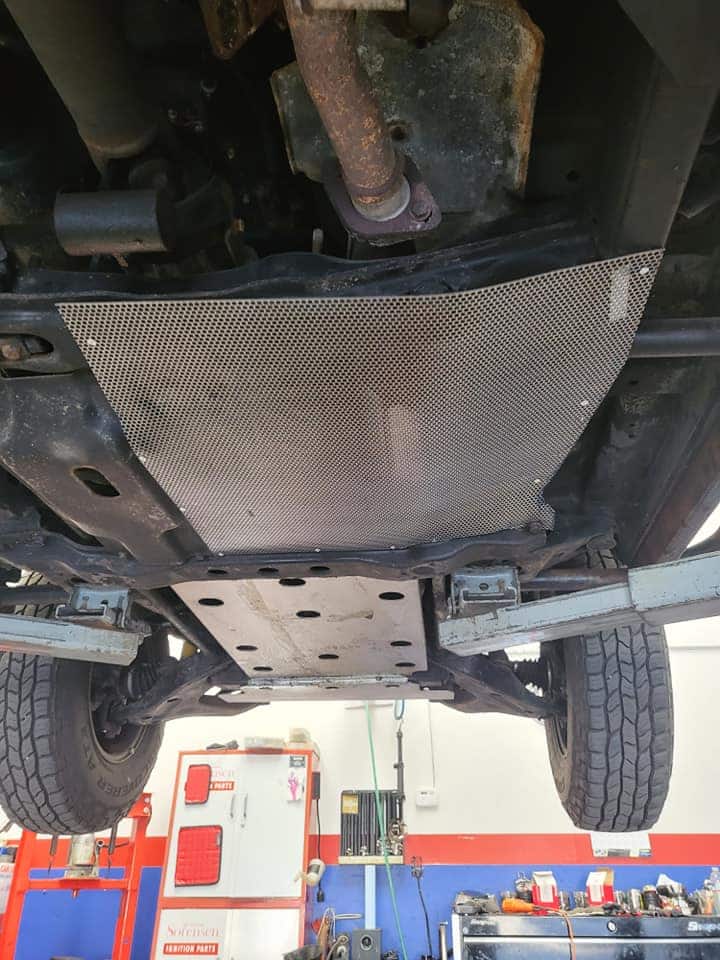
An oil change is an excellent time to review your car’s maintenance schedule. Ask your mechanic if there are other services, like alternator repair or buy catalytic converter shields, that you should consider.
Your mechanic can provide insights into what’s coming up on your maintenance schedule and help you plan for future services. This approach helps you manage costs and avoid surprises.
Can You Show Me the Old Parts?
Transparency is key in auto repairs. If any parts are replaced during your oil change, ask to see the old ones. Honest mechanics will have no problem showing you, and it helps build trust in the work being done.
This practice also gives you a firsthand look at the condition of worn parts, reinforcing the necessity of replacements and helping you understand more about your vehicle.
Final Thoughts
Taking your car in for an oil change shouldn’t be a mystery. By asking the right questions, you can turn a routine service into an informative experience that keeps your car running smoothly and safely. At Sartorial Auto Repairs, we’re here to make sure you leave our shop with peace of mind and a better understanding of your vehicle’s needs.
Next time you’re due for an oil change, remember to ask these questions. You’ll leave with more confidence in your car’s condition and the knowledge that you’re taking the right steps to maintain it. If you have any other questions or need additional services, don’t hesitate to reach out. We’re here to help you keep your car in top shape, one oil change at a time.