

When it comes to car maintenance, understanding the different types of drive belts and their functions can significantly impact your vehicle's performance and longevity. Drive belts, often overlooked, play a crucial role in powering various components under the hood. From the alternator to the power steering pump, a well-maintained drive belt ensures everything runs smoothly. In this guide, we'll break down the types of drive belts, how to identify which one your car needs, and why regular checks can save you from unexpected breakdowns.
Understanding Drive Belts and Their Functions
Drive belts, also known as serpentine belts or V-belts, are responsible for transmitting power from the engine to essential components. These belts are vital for the operation of the alternator, power steering pump, water pump, and air conditioning compressor. Without them, these components simply wouldn't work.
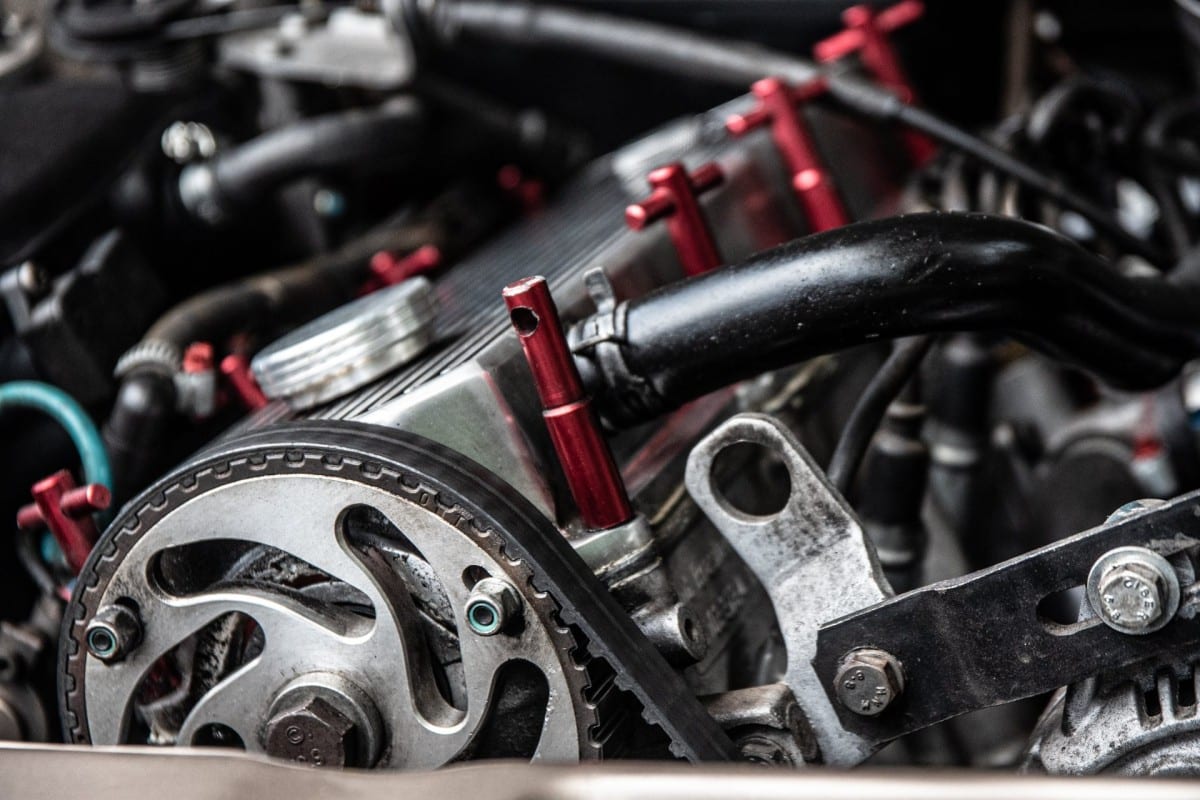
Let's start with the serpentine belt, the most common type found in modern vehicles. This single, continuous belt wraps around several pulleys, efficiently driving multiple components. Its design reduces the need for multiple belts, simplifying the engine layout. The serpentine belt is known for its durability, but it still requires regular inspection for wear and tear.
Older vehicles, on the other hand, might use V-belts. These are narrower and often require more than one to power all components. Each V-belt operates a specific component, making them less efficient than serpentine belts. However, they are still found in some older cars and certain performance vehicles.
- Serpentine Belt: Powers multiple components, uses a single belt.
- V-Belt: Requires multiple belts, each powering a different component.
Understanding which type of belt your vehicle uses is crucial for maintaining optimal performance. Regular inspections can prevent unexpected failures, particularly in high-mileage vehicles. For those looking to maintain high-mileage cars, ensuring the drive belts are in good condition is a fundamental part of high-mileage car services.
Identifying Belt Wear and When to Replace
A drive belt in good condition is essential for your vehicle's overall functionality. Over time, belts can become worn, cracked, or frayed, which can lead to failure. Knowing how to identify these signs early can prevent more serious issues.
One of the most apparent signs of a failing belt is a squealing noise coming from the engine bay. This often indicates that the belt is slipping on the pulleys due to wear. Another sign is visible cracks or fraying on the belt's surface. In severe cases, you might notice that the belt appears glazed or shiny, suggesting it's been overheated.
Regular visual inspections can help catch these issues before they escalate. It's advisable to check your belts at least once every 10,000 miles or during routine maintenance. Those who regularly schedule a vehicle inspection can have peace of mind knowing that their belts are in good condition.
- Listen for squealing noises when starting the car or turning on the air conditioning.
- Inspect belts for cracks, fraying, or glazing.
- Replace belts every 60,000 to 100,000 miles, depending on your vehicle's requirements.
By paying attention to these signs, you can ensure your car's components are powered effectively, reducing the risk of sudden breakdowns. This is particularly important for those who rely on their vehicles for daily commutes or long trips.
Choosing the Right Belt for Your Vehicle
Choosing the correct drive belt for your vehicle involves understanding your car's specifications and the type of belt it requires. Whether you own a hybrid or a traditional gasoline-powered vehicle, selecting the right belt can ensure optimal performance.
For hybrid vehicle owners, it's important to consider the unique demands of these systems. Hybrid vehicles often use specialized belts that cater to their energy-efficient design. Ensuring you have the proper hybrid maintenance solutions can help maintain the vehicle's efficiency and longevity.
If you're unsure about the type of belt your car needs, consulting your owner's manual is a great place to start. The manual provides detailed information about the belt specifications, including size, type, and replacement intervals. Additionally, consulting with a trusted mechanic can help clarify any doubts and ensure you choose the right components.
- Refer to your owner's manual for specific belt requirements.
- Consider consulting a mechanic for professional advice.
- For hybrids, ensure you use belts designed for hybrid systems.
Investing in the right belt for your vehicle not only supports its performance but also extends the lifespan of the components it powers. This proactive approach is part of maintaining a vehicle effectively and avoiding costly repairs down the road.
Proactive Belt Maintenance Tips
Maintaining your drive belts involves more than just replacing them when they're worn. Proactive maintenance can extend their lifespan and improve your vehicle's reliability. Here are some practical tips to keep your belts in top condition.
Firstly, regular inspections are key. Even if you don't hear any unusual noises or see visible wear, it's a good idea to inspect your belts periodically. This can be done during routine oil changes or tire rotations. If you're unsure about the condition of your belts, a vehicle inspection service can provide a thorough check.
Secondly, ensure proper tension. A belt that's too loose can slip, while one that's too tight can put unnecessary strain on the pulleys. Most modern vehicles have automatic belt tensioners, but older models may require manual adjustments.
Finally, consider the environment in which you drive. Extreme temperatures can affect the durability of your belts. If you frequently drive in harsh conditions, more frequent inspections may be necessary.
- Inspect belts during routine maintenance.
- Ensure proper belt tension to prevent slipping or strain.
- Consider environmental factors that may affect belt durability.
By following these tips, you can ensure your drive belts remain in good condition, supporting your vehicle's performance and reliability. Proactive maintenance is a vital part of car ownership and can save you from unexpected breakdowns.
Final Thoughts on Drive Belt Maintenance
Understanding the different types of drive belts and their roles in your vehicle is essential for maintaining optimal performance. Regular inspections, choosing the right belt, and proactive maintenance can help you avoid unexpected issues and keep your car running smoothly.
Remember, your vehicle's health is a reflection of the care you provide. Whether it's through regular checks, replacing worn components, or consulting professionals for advice, your efforts can prolong the life of your car. For those looking to book pre-purchase car inspection services, or needing any other vehicle inspection service, taking these steps is a wise investment in your vehicle's future.
By keeping an eye on your drive belts and understanding their importance, you can enjoy a reliable and efficient driving experience for many miles to come.