

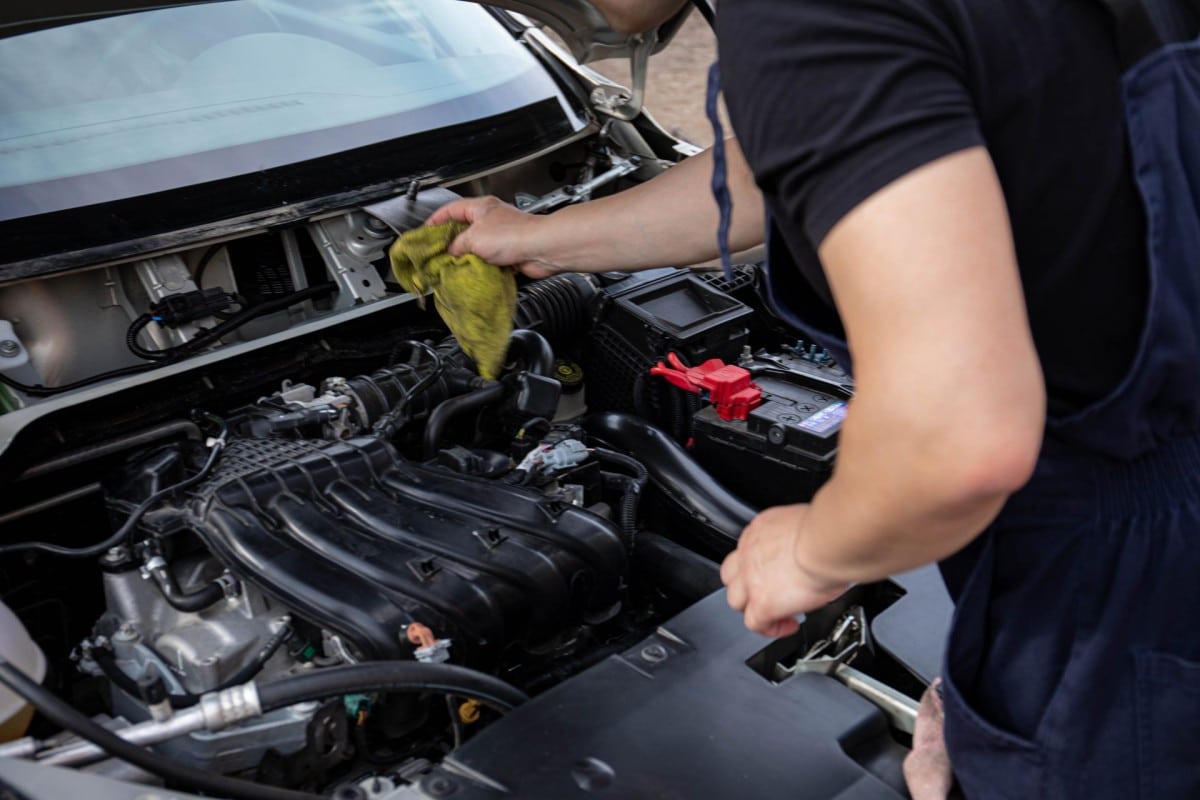
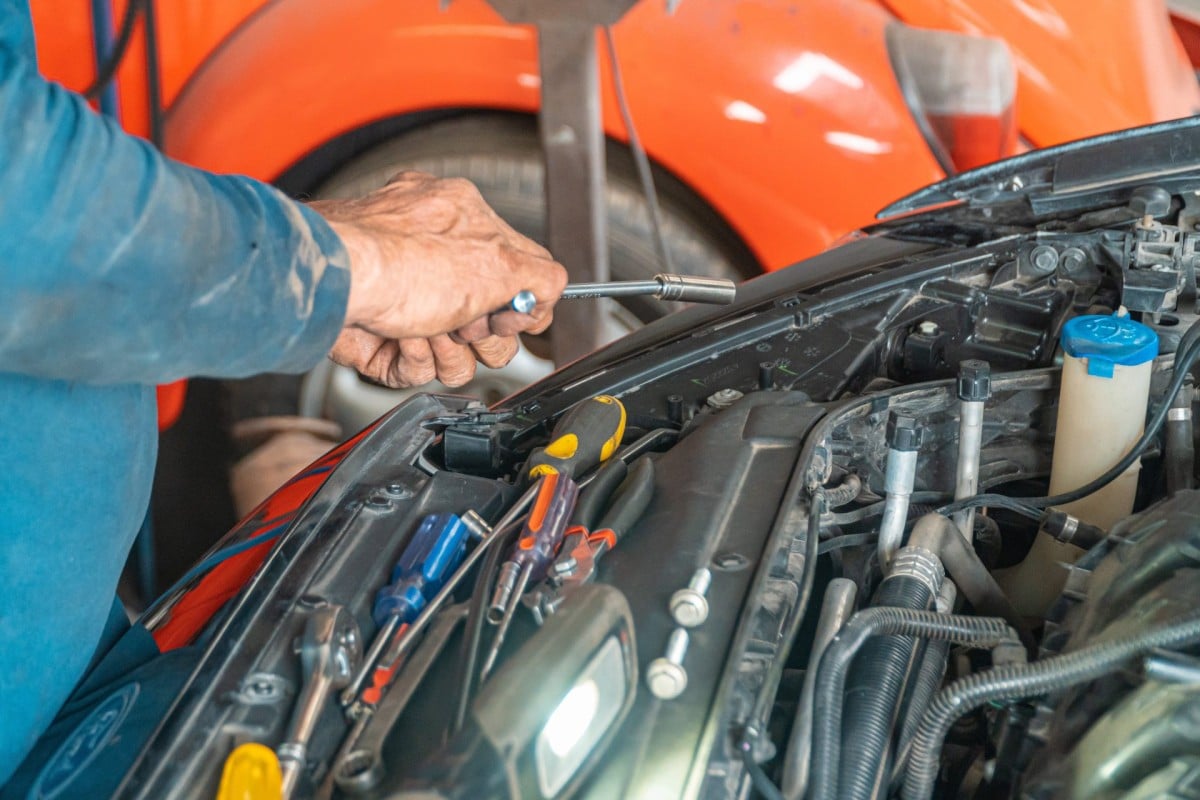
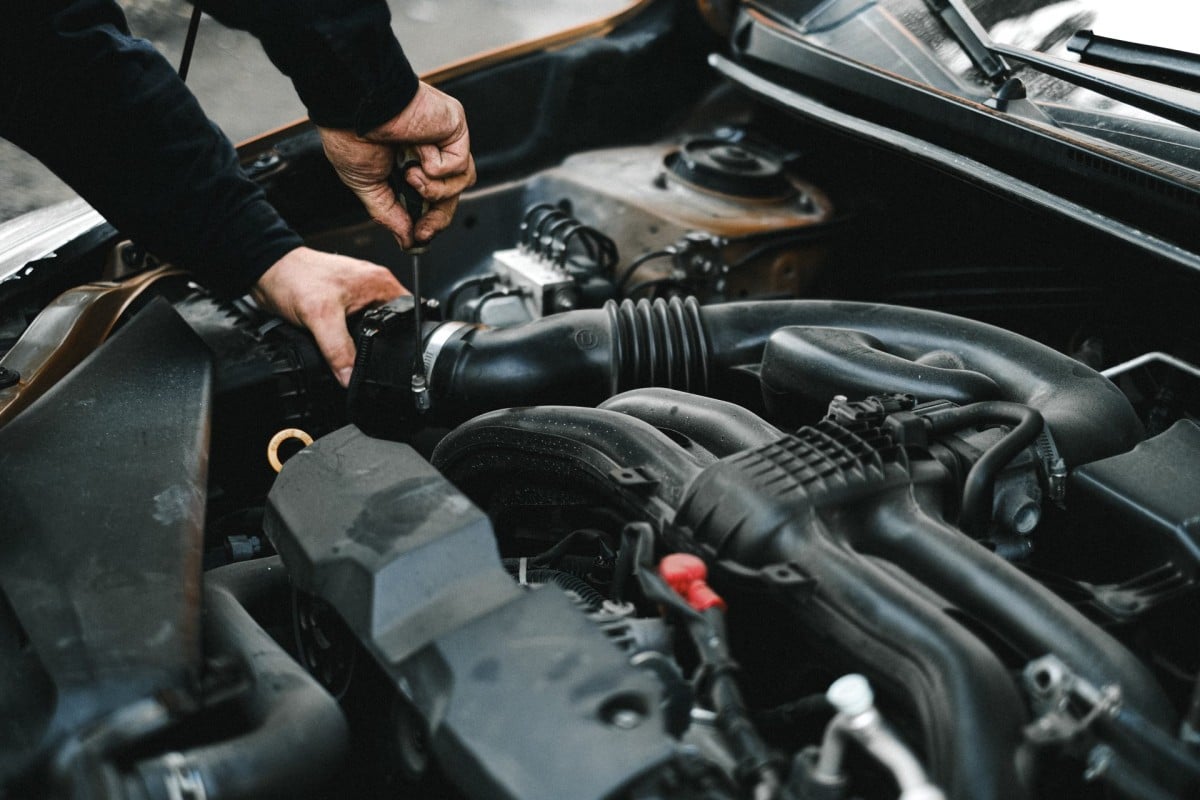
Every driver knows the sinking feeling when you turn the key in the ignition, and instead of that reassuring engine rumble, you get… nothing. This frustrating scenario often points to a problem with your car's starter. Understanding starter failure and spotting the warning signs early can save you from being stranded and potentially facing more costly repairs. Let's dive into what you need to know about your car's starter and how to keep it in good working order.
What is a Starter and Why Does It Fail?
The starter in your car is a small but mighty motor that initiates the engine's operation. When you turn the ignition key or press the start button, the starter receives power from your battery and turns the engine over, getting it running. Without a functioning starter, your car won't start, plain and simple.
Starter failure can occur for several reasons:
- Wear and Tear: Like any mechanical part, starters wear out over time, especially if you frequently start and stop your vehicle.
- Electrical Issues: Problems with the wiring, fuses, or relays can prevent the starter from receiving the power it needs to operate.
- Faulty Solenoid: The solenoid is a critical part of the starter system. If it fails, the starter won't engage the engine.
- Battery Problems: Sometimes, what seems like a starter issue is actually a problem with the battery or charging system.
By understanding these common causes, you can better identify when your starter might be on its way out and when it’s time to seek auto repair services.
Warning Signs of a Failing Starter
Recognizing the early warning signs of starter failure can keep you from being caught off guard. Here are some symptoms to watch out for:
Grinding Noise
If you hear a grinding noise when starting your car, it could mean that the starter drive gear is worn out or not engaging properly. This noise is similar to when you accidentally turn the ignition key when the engine is already running. Ignoring this sound can lead to more severe damage, so it's wise to get your car repaired if you notice this issue.
Engine Cranking Slowly
A starter that's on its last legs may cause your engine to crank slowly. This sluggish response usually indicates that the starter motor is struggling to get the engine going. While a weak battery can also cause slow cranking, if your battery is in good shape, it's time to explore engines and diagnostics to pinpoint the problem.
No Response When Turning the Key
Turning the key and hearing nothing at all is a classic sign of starter trouble. This symptom can be caused by a dead battery, but if your battery is charged, the starter might be the culprit. In this case, you should consider auto electrical repair to resolve the issue.
Intermittent Starting Problems
Does your car start sometimes and then refuse at other times? Intermittent starting issues can indicate a failing starter. Such problems are often due to loose or corroded connections in the starter circuit. It's essential to act before the issue becomes a permanent failure.
Real-World Scenarios: When Starter Problems Occur
Imagine you're in a hurry to get to work and your car won't start. You try several times, but all you hear is a clicking noise. This scenario is a typical result of a faulty starter solenoid. If you find yourself in this situation, it's best to fix your auto electronics and get the solenoid checked.
Another common situation is experiencing a slow start on a cold morning. Often, car owners assume the battery is the issue, but if the battery is relatively new, the starter might be struggling with the cold. In such cases, it's beneficial to learn about engine diagnostics to identify the true cause.
Picture yourself on a road trip, and the car suddenly refuses to start after a quick pit stop. The starter might be overheating, especially if it's been overworked. Taking a break and allowing the starter to cool down might help temporarily, but you'll eventually need to address the underlying problem.
Prevention and Maintenance Tips
Preventing starter failure involves regular maintenance and being attentive to your vehicle's needs. Here are some practical steps you can take:
- Regular Inspections: During scheduled maintenance, have your starter and associated electrical components checked. This preventive measure can catch issues before they lead to failure.
- Keep Connections Clean: Corroded or loose connections can impede the starter's performance. Clean and secure these connections to ensure efficient operation.
- Battery Health: A healthy battery supports your starter. Consider schedule oil change appointments that include battery checks to avoid surprises.
- Limit Short Trips: Frequent short trips can wear down your starter faster. When possible, combine errands to reduce the number of starts.
By following these tips, you can extend the life of your starter and reduce the chance of unexpected failures.
When to Seek Professional Help
While it's great to be proactive, some starter issues require professional attention. If you experience persistent problems, don't hesitate to get your car serviced. A professional mechanic can perform comprehensive diagnostics and recommend the best course of action.
If you're not sure whether your starter is the problem, seeking expert advice can save you time and money in the long run. Here at Sartorial Auto Repairs, we understand the importance of reliable vehicle performance. Our experienced technicians are ready to help with all your vehicle electrical services needs, ensuring your car starts smoothly every time.
Starter issues can be frustrating, but with a little knowledge and attention, you can prevent them from disrupting your day. Remember to listen to what your car is telling you and take action when needed. Whether you're dealing with a grinding noise or a non-responsive ignition, addressing the problem sooner rather than later will keep you on the road and out of the shop. If you're ever in doubt, our team is here to help keep your vehicle running reliably. Let's keep your car in top shape together.