

Reaching the 200,000-mile mark on your car is like crossing a significant milestone in a marathon. It's a testament to durability, but it also brings questions about the future. Many car owners wonder if it's worth keeping their high-mileage car running or if it's time to consider alternatives. Let's explore the factors that can help you make an informed decision about whether to keep investing in your car or think about other options.
Understanding Your Car's Current Condition
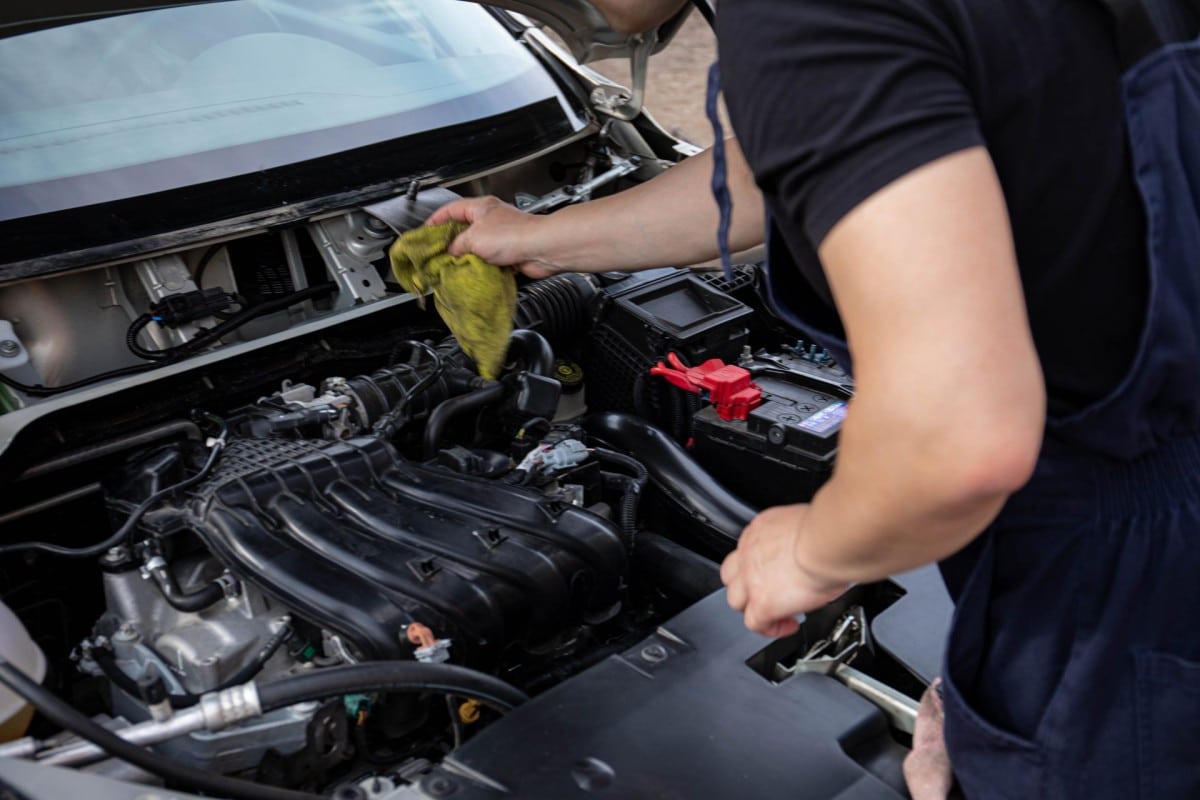
The first step in deciding whether to fix a car with 200,000 miles is assessing its current condition. This means looking beyond just how it drives and considering the overall health of the vehicle. Start by inspecting key components that are vital to the car's performance and safety.
Engine and Transmission Health
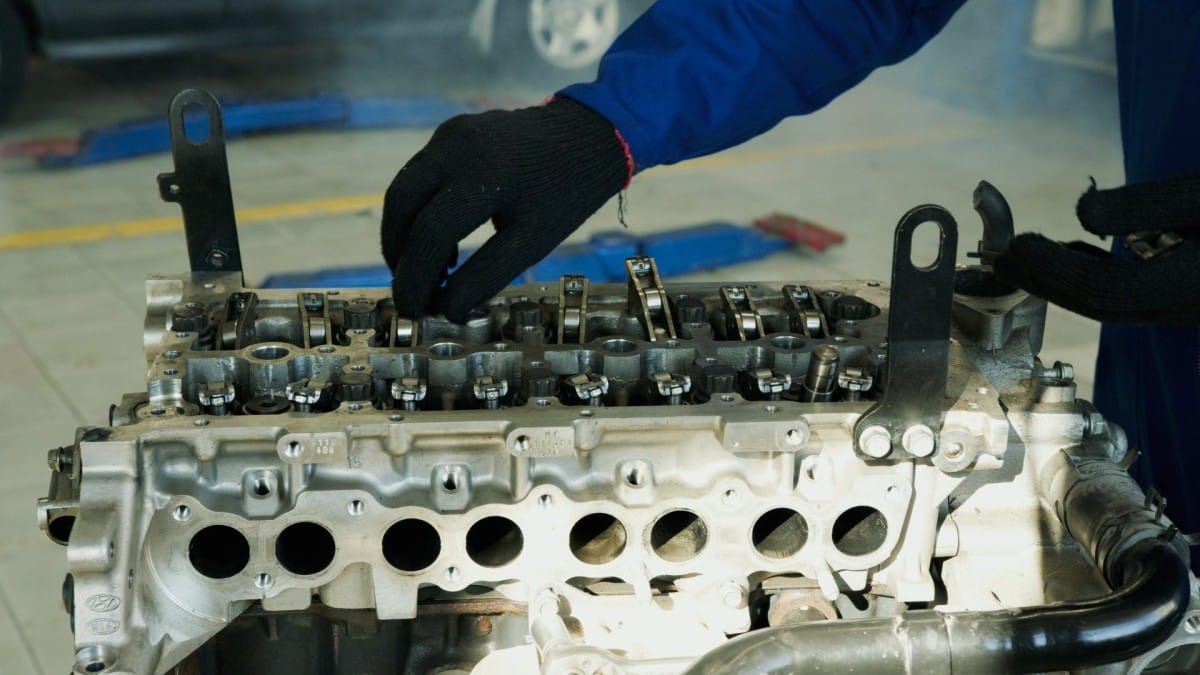
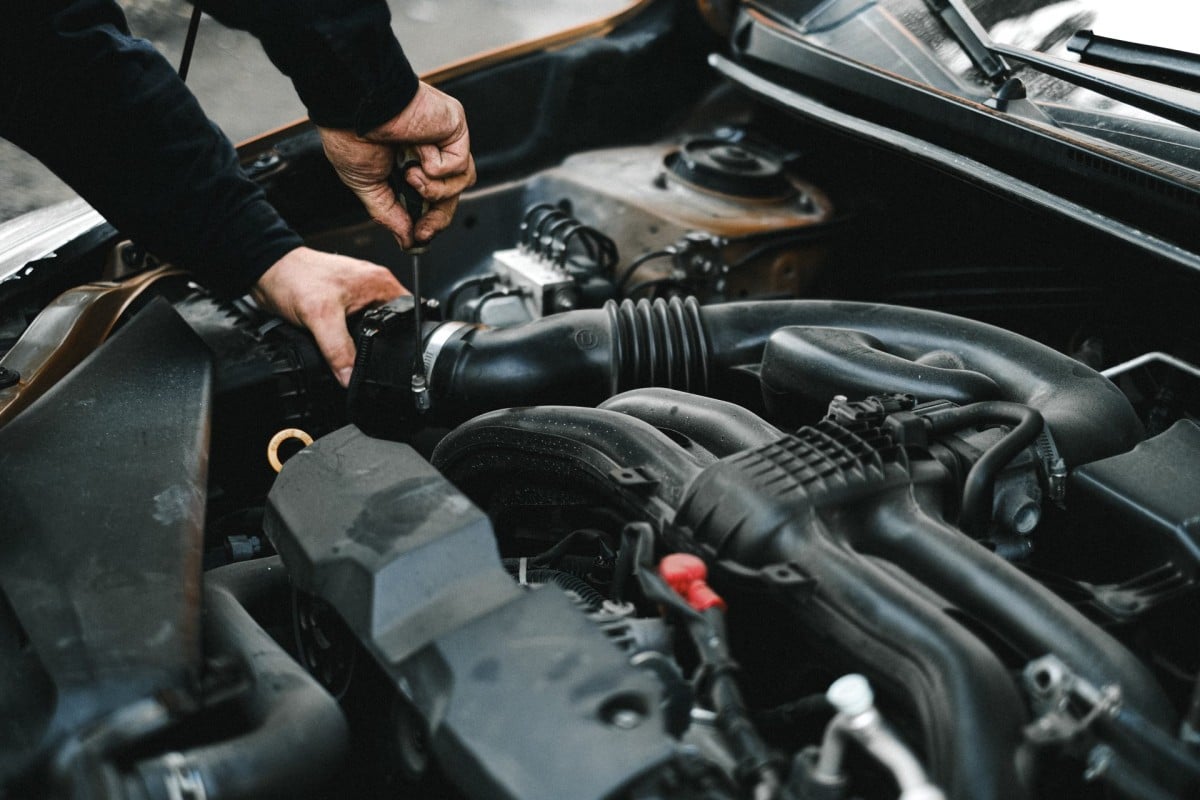
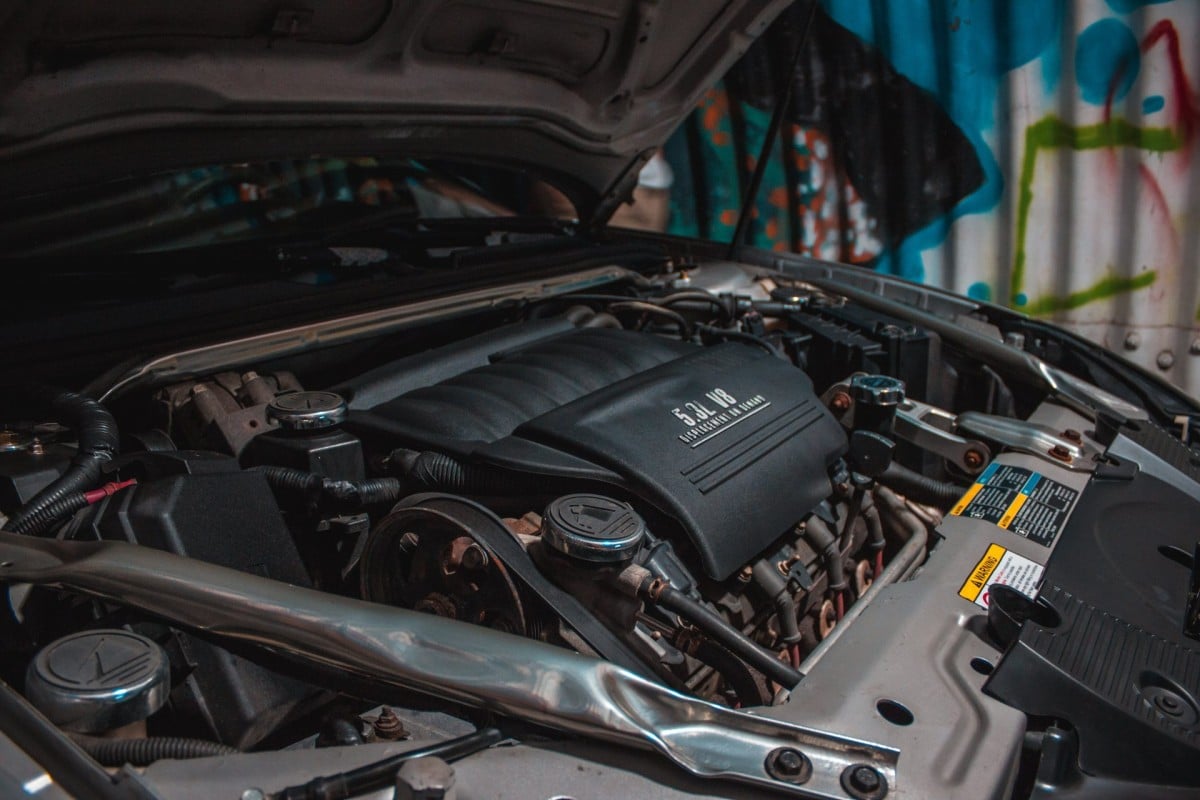
Your car's engine and transmission are like its heart and soul. If these are in good shape, your car is likely worth keeping around. Listen for unusual noises, check for leaks, and pay attention to how smoothly the car shifts. Regular maintenance, such as oil changes and transmission services, can significantly extend the life of these components.
- Check for oil leaks or burning oil issues.
- Ensure the transmission shifts smoothly without hesitation.
- Consider a professional assessment if you're unsure of the condition.
Brakes and Suspension
For a safe and comfortable ride, your brakes and suspension need to be in top condition. If your car feels unstable or takes longer to stop than it used to, it might be time to inspect your brakes. Suspension issues can lead to poor handling and uneven tire wear, so don't overlook these components.
- Regularly inspect your brakes and replace pads and rotors as needed.
- Check for worn-out suspension components like shocks and struts.
Evaluating Repair Costs vs. Car Value
Once you have a clear picture of your car's condition, it's time to weigh the cost of repairs against the car's value. This is where many car owners find themselves at a crossroads. Repair costs can add up quickly, but they might still be less than the cost of purchasing a new or used car.
Cost of Common Repairs
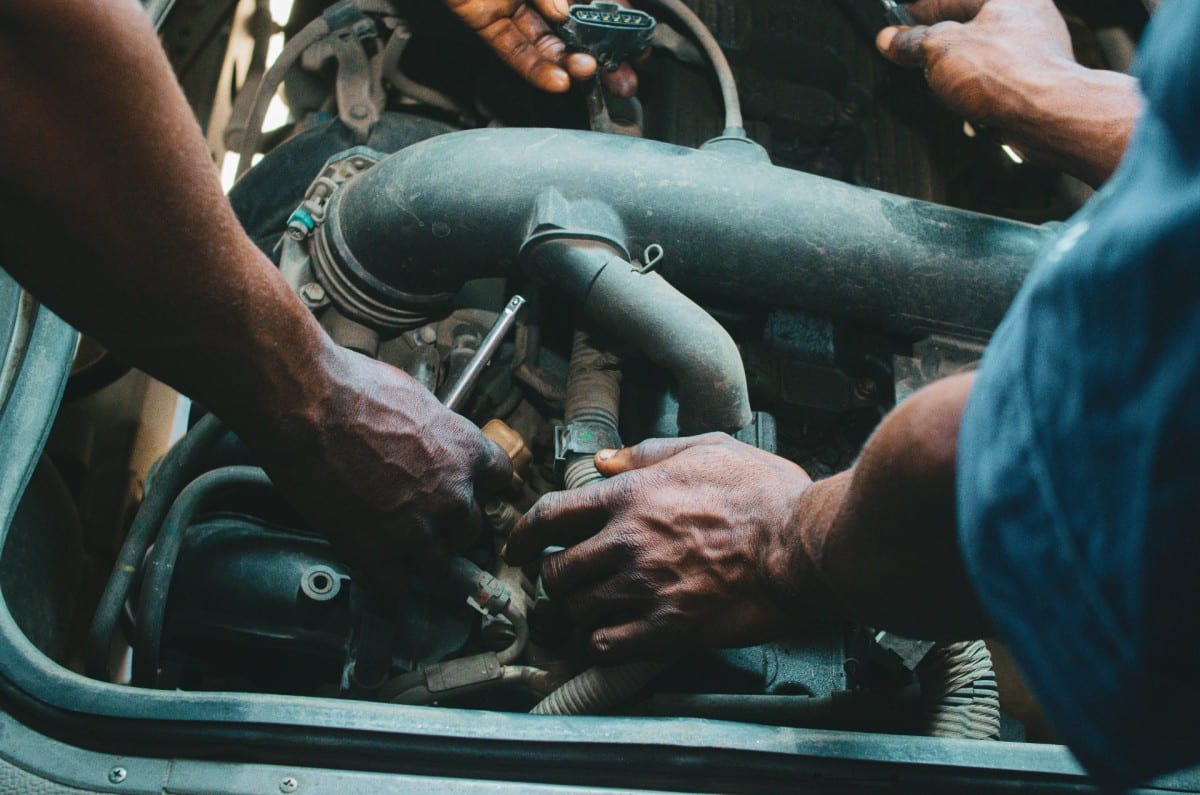
Typical high-mileage repairs can include replacing the timing belt, fixing leaks, or addressing electrical issues. Larger repairs, like an engine rebuild or transmission replacement, can be costly but might be justified if the rest of the car is in excellent condition.
- Consider obtaining quotes for major repairs to understand potential costs.
- Factor in the cost of regular maintenance, which is still necessary even if you decide to keep the car.
Determining Car Value
Research the current market value of your car. Tools like Kelley Blue Book or Edmunds can provide an estimate based on your car's make, model, year, and mileage. Compare this value with the repair costs to help in making your decision.
- If repair costs exceed the car's value, it may be time to consider selling or donating the vehicle.
- If the car holds sentimental value, weigh that into your decision, but be mindful of the financial implications.
Considering Long-Term Reliability
High-mileage cars can remain reliable with proper care. If your car has been well-maintained, it might still have plenty of life left. Consider the following factors in evaluating long-term reliability:
Maintenance History
A car with a consistent maintenance record is more likely to remain reliable. Regular oil changes, timely brake inspections, and addressing minor issues before they become major can all contribute to longevity.
- Review your car's maintenance history for any missed services.
- Plan to continue regular maintenance to prevent future issues.
Availability of Parts and Expertise
For some older cars, parts can become scarce, making repairs more challenging and expensive. Consider whether parts for your car are readily available and if there are knowledgeable mechanics who can handle the repairs.
- Check with local auto parts stores or online retailers for parts availability.
- Consult with a trusted mechanic to ensure they have experience with your car's make and model.
Exploring Alternatives
If the costs and reliability concerns lead you to consider other options, there are several paths you can take. Selling or trading in your car might be the next step. Alternatively, you could explore upgrading to a newer model or even leasing if you prefer a lower commitment.
Selling or Trading In
Even a high-mileage car can have resale value, particularly if it's in good condition. Selling privately might yield a better price than trading it in at a dealership, but it requires more effort on your part.
- Clean and repair minor issues to improve the car's appeal.
- Gather all maintenance records to provide to potential buyers.
Upgrading or Leasing
If you decide that it's time for a change, upgrading to a newer car might be the right move. Consider your budget and whether buying new, used, or leasing makes the most sense for your needs.
- Research different models to find a reliable and affordable option.
- Consider leasing if you prefer lower monthly payments and the option to upgrade every few years.
Making the Decision
Deciding whether to fix a car with 200,000 miles involves balancing emotional attachment, financial considerations, and practicality. Remember, there's no one-size-fits-all answer. Take the time to evaluate your specific situation and consult with professionals if needed.
At Sartorial Auto Repairs, we're here to help you keep your car running smoothly. Whether you need to check engine light diagnosis or inspect car warning lights, our team is ready to provide honest, reliable service. If you're considering a major repair, we can offer guidance on the best course of action based on your car's condition and your needs.
Ultimately, the choice to repair or replace your high-mileage car is personal. By understanding the factors involved and considering all your options, you can make a decision that aligns with your goals and budget.