

When it comes to keeping your car running smoothly, understanding the role of the timing belt is crucial. This often-overlooked component is central to your engine's performance and longevity. If you're like most drivers, you might not think about it until something goes wrong. But waiting for signs of trouble can lead to costly repairs. Let's explore why the timing belt is so important, how to know when it needs replacing, and the impact it has on your engine's health.
The Role of the Timing Belt in Your Engine
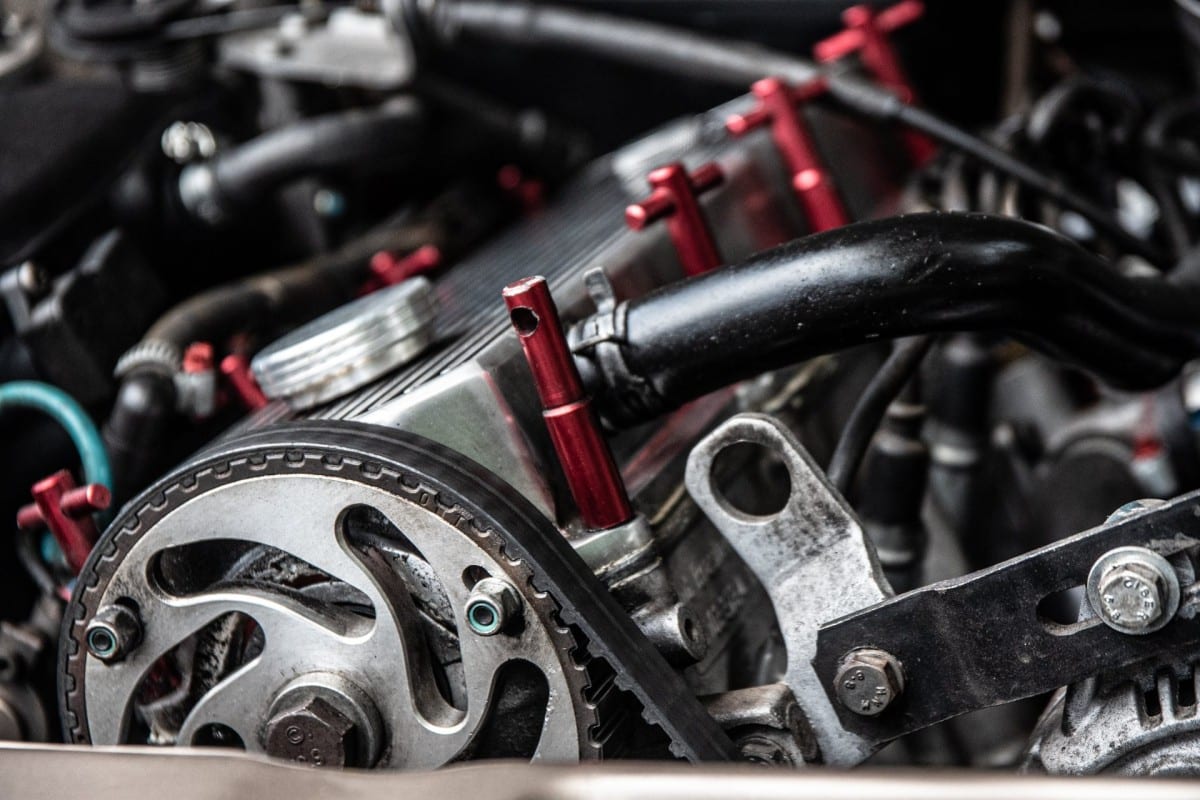
Your engine is a complex machine made up of many moving parts, all working in harmony. The timing belt plays a critical role in this symphony. Its main job is to synchronize the camshaft and crankshaft, making sure the engine's valves open and close at the right times. This precise timing is essential for efficient engine operation.
Think of the timing belt as the conductor of an orchestra. If it falls out of sync, the entire performance suffers. In engine terms, this can lead to poor performance, increased emissions, and even engine failure. While it's not a glamorous part of your car, the timing belt is a vital one.
Many drivers aren't aware of their vehicle's timing belt or its condition. Unlike oil changes or brake pad replacement, this component doesn't usually come with obvious warning signs. That's why proactive maintenance is key.
When to Replace Your Timing Belt
Determining when to replace your timing belt can vary depending on the make and model of your vehicle. Typically, manufacturers recommend replacement every 60,000 to 100,000 miles. However, it's essential to consult your owner's manual or a trusted mechanic for specific guidance.
One real-world example involves a customer who brought their car in for brake rotor replacement. During the inspection, it was found that their timing belt was worn beyond safe limits. Thankfully, we caught it before any damage occurred. This scenario highlights why routine checks are necessary, even if you’re just in for a different service like brake rotor replacement or battery testing services.
- Age of the Belt: Even if you haven't hit the mileage mark, age can degrade the belt. Rubber components like the timing belt can become brittle over time.
- Engine Performance Issues: If you notice your engine misfiring or struggling to start, it could be a sign of timing belt issues.
- Noise: A squealing or ticking noise coming from the engine could indicate a problem with the timing belt.
Ignoring these signs can lead to severe engine damage, so it's wise to act sooner rather than later. Scheduling factory maintenance services can help catch these issues early.
Why Timing Belt Replacement is Crucial
The timing belt's role in engine health cannot be overstated. Failure to replace a worn belt can lead to catastrophic engine failure. In some engines, a broken timing belt can cause the pistons and valves to collide. This damage often requires a costly rebuild or even a complete engine replacement.
Consider a customer who ignored their timing belt replacement and ended up needing extensive repairs. The cost exceeded what they would have paid for regular factory scheduled maintenance. This kind of scenario is more common than you might think, and it underscores the importance of being proactive.
Replacing the timing belt as part of your car's maintenance routine can save you time, money, and stress. It’s a straightforward service that can prevent major headaches down the road.
Choosing the Right Timing Belt Service
When it's time to replace your timing belt, selecting the right service provider is crucial. Look for a shop that has a reputation for honest and reliable service. A good mechanic will inspect your entire engine, looking for related issues that could affect the timing belt's performance.
At Sartorial Auto Repairs, we treat timing belt replacement as part of a comprehensive engine health check. We might discover related issues that need attention, such as a fuel pump change or get car electrical repair. By addressing all potential problems at once, we help ensure your engine remains in top condition.
- Experience: Choose a service with experienced mechanics who understand the intricacies of timing belt replacement.
- Comprehensive Service: A thorough mechanic will check for other possible issues, like the need to replace your fuel pump or get your battery tested.
- Transparent Pricing: Avoid shops that give vague estimates or push unnecessary services.
Trust is key when it comes to auto repairs. Look for a mechanic who explains the process clearly and without jargon, just like you would expect from a trusted friend.
The Long-Term Benefits of Timing Belt Maintenance
Maintaining your timing belt doesn't just prevent immediate engine issues; it also contributes to your car's overall longevity. Regular maintenance can enhance performance, improve fuel efficiency, and even increase resale value.
Consider timing belt maintenance as an investment in your vehicle's future. When combined with other routine services like changing brake pads or new brake pads installation, you create a comprehensive care plan for your car. This approach not only keeps your car running smoothly but also provides peace of mind.
Regular maintenance might seem like an unnecessary expense, but it pays off in the long run. The cost of a timing belt replacement pales in comparison to the expense of a full engine rebuild. Plus, it reduces the likelihood of unexpected breakdowns, keeping you safely on the road.
Conclusion
Understanding and maintaining your timing belt is crucial for your engine's health. By replacing it at the recommended intervals, you can avoid costly repairs and keep your car running smoothly. Remember, a timing belt is more than just a component; it's a crucial part of your vehicle's operation.
At Sartorial Auto Repairs, we pride ourselves on honest, transparent service. Whether it's timing belt replacement, brake rotor replacement, or battery replacement options, we focus on what truly matters: keeping your car safe and reliable. If you're unsure about your timing belt's condition, don't hesitate to get in touch. We'll give you the straight answer, just like a trusted friend would.