





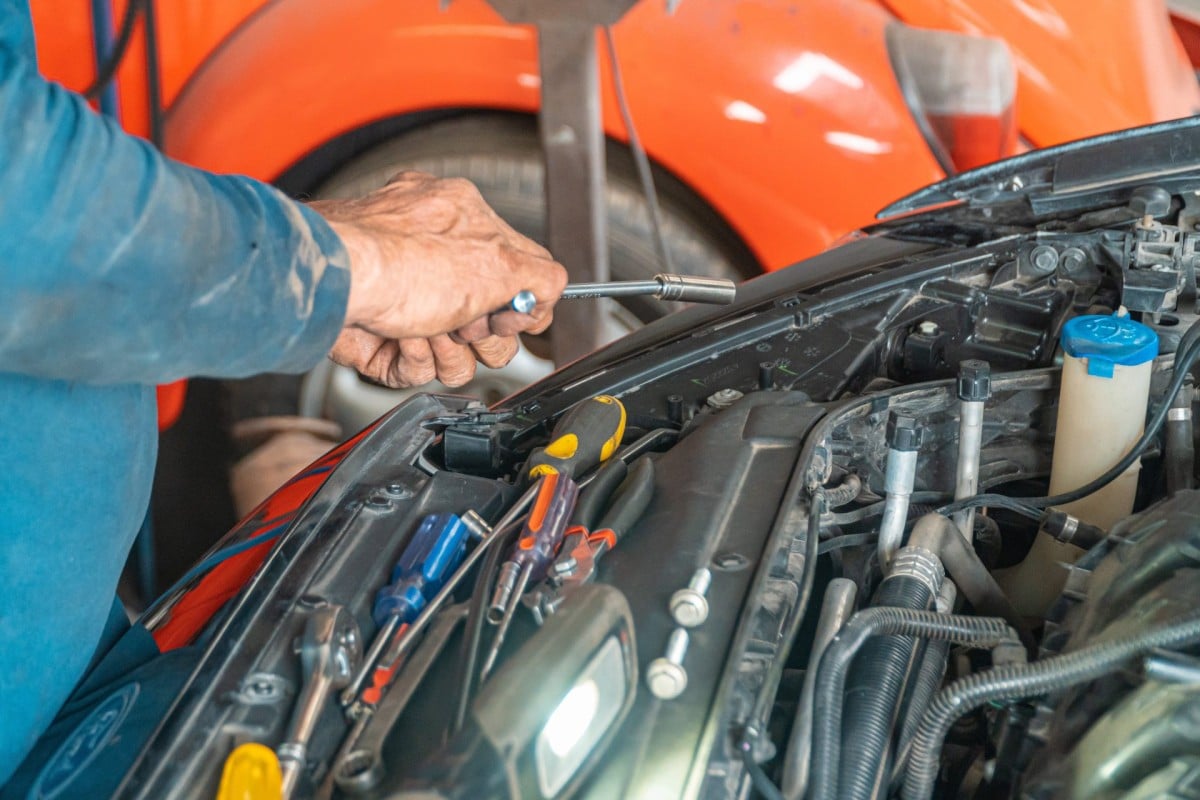


When it comes to understanding your vehicle's performance, many drivers overlook the role of the oxygen sensor. This small component plays a crucial part in ensuring your car runs smoothly and efficiently. Neglecting it can lead to decreased fuel efficiency and unnecessary tune-ups. This guide will dive into why the oxygen sensor is so important and how to keep your car in top shape.
What is an Oxygen Sensor?
The oxygen sensor is a device located in your car's exhaust system. Its primary function is to monitor the amount of oxygen in the exhaust gases as they leave the engine. This information is sent to the car's computer, which adjusts the air-fuel mixture for optimal performance.
Why Oxygen Sensors Matter
Oxygen sensors are essential for several reasons:
- Fuel Efficiency: By helping your engine maintain the right air-fuel ratio, oxygen sensors ensure your car uses fuel efficiently. A faulty sensor can lead to up to a 40% drop in fuel economy.
- Environmental Impact: Properly functioning oxygen sensors reduce harmful emissions, contributing to a cleaner environment.
- Engine Performance: When the air-fuel mixture is off, your engine may run rough or even misfire.
Think of it like this: if your oxygen sensor isn't working properly, it's like trying to cook a meal without the right ingredients. You might end up with something edible, but it won't be as good as it could be.
How a Faulty Oxygen Sensor Affects Fuel Efficiency
One of the most noticeable impacts of a failing oxygen sensor is the decrease in fuel efficiency. When the sensor sends incorrect data to the engine control unit, it can result in either a rich or lean fuel mixture.
Rich vs. Lean Mixtures
Let's break it down:
- Rich Mixture: Too much fuel and not enough air. This can cause your car to guzzle gas, leading to more frequent trips to the pump.
- Lean Mixture: Too much air and not enough fuel. While this might sound like a good way to save on gas, it can actually cause engine damage over time.
Imagine driving with a clogged filter; you're not getting the performance you expect. Similarly, a faulty oxygen sensor can lead to ineffective combustion, affecting acceleration and power.
The Role of Oxygen Sensors in Tune-Ups
Regular tune-ups help keep your car running smoothly, but a faulty oxygen sensor can throw a wrench in the works. During a tune-up, mechanics often check the oxygen sensors to ensure they're functioning correctly.
Signs Your Oxygen Sensor Needs Attention
Here are some signs that it might be time to check your oxygen sensor:
- Check Engine Light: If this light comes on, it could be due to an oxygen sensor issue.
- Poor Gas Mileage: If you're visiting the gas station more often, a failing sensor could be the culprit.
- Rough Idling: If your car shakes or vibrates while idling, it might be time for a check-up.
Addressing these issues promptly can prevent more costly repairs down the road. For example, neglecting a faulty oxygen sensor might lead to the need for a fuel injector cleaning service or even a fuel pump replacement.
Maintaining Your Oxygen Sensor
Keeping your oxygen sensor in good condition doesn't have to be a chore. Here are some simple steps to ensure it stays in top shape:
Regular Inspections
Having your oxygen sensor inspected during regular maintenance can catch problems early. Consider scheduling an electrical diagnostics service to get warning lights checked and ensure everything is functioning as it should.
Timely Replacements
Oxygen sensors typically last between 60,000 to 90,000 miles. Replacing them as part of your regular maintenance schedule can prevent issues before they start.
Think about it like changing your air filters at home. It might seem like a small task, but it can make a big difference in air quality.
Real-World Scenarios
Consider this: A customer comes in with a check engine light and poor gas mileage. After a quick inspection, we find the oxygen sensor is at fault. Replacing it not only turns off the check engine light but also improves fuel efficiency by 20%.
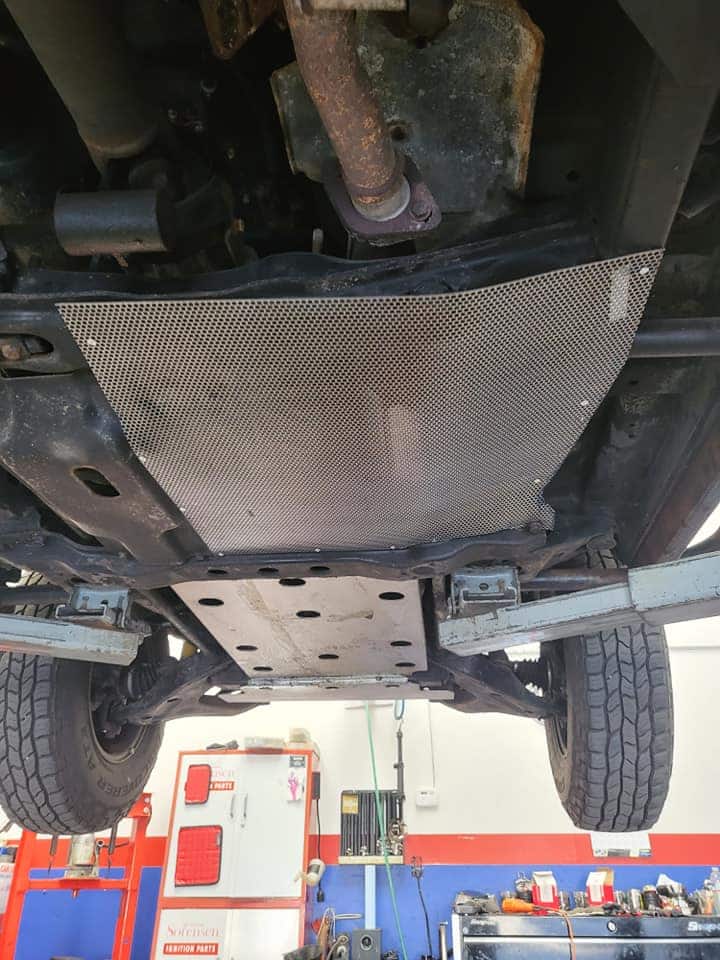
Another example: A driver ignores the symptoms of a failing sensor. Over time, the rich fuel mixture damages the catalytic converter. Now, they not only need a sensor replacement but also have to buy catalytic converter shields to protect against future damage.
Conclusion
Don't overlook the importance of your oxygen sensor. This small component plays a big role in your car's performance and fuel efficiency. Regular inspections and timely replacements can save you money and keep your vehicle running smoothly.
If you're experiencing any of the symptoms mentioned, consider bringing your car in for a check-up. Whether it's a simple sensor replacement or a more comprehensive service like fuel injector cleaning, addressing the issue early can prevent more costly repairs later on.
Remember, at Sartorial Auto Repairs, we're here to help you keep your car in top condition without unnecessary upsells or scare tactics. Trust us to give you the straight talk and honest service your vehicle deserves.