

Unexpected Engine Problems Discovered During an Oil Change
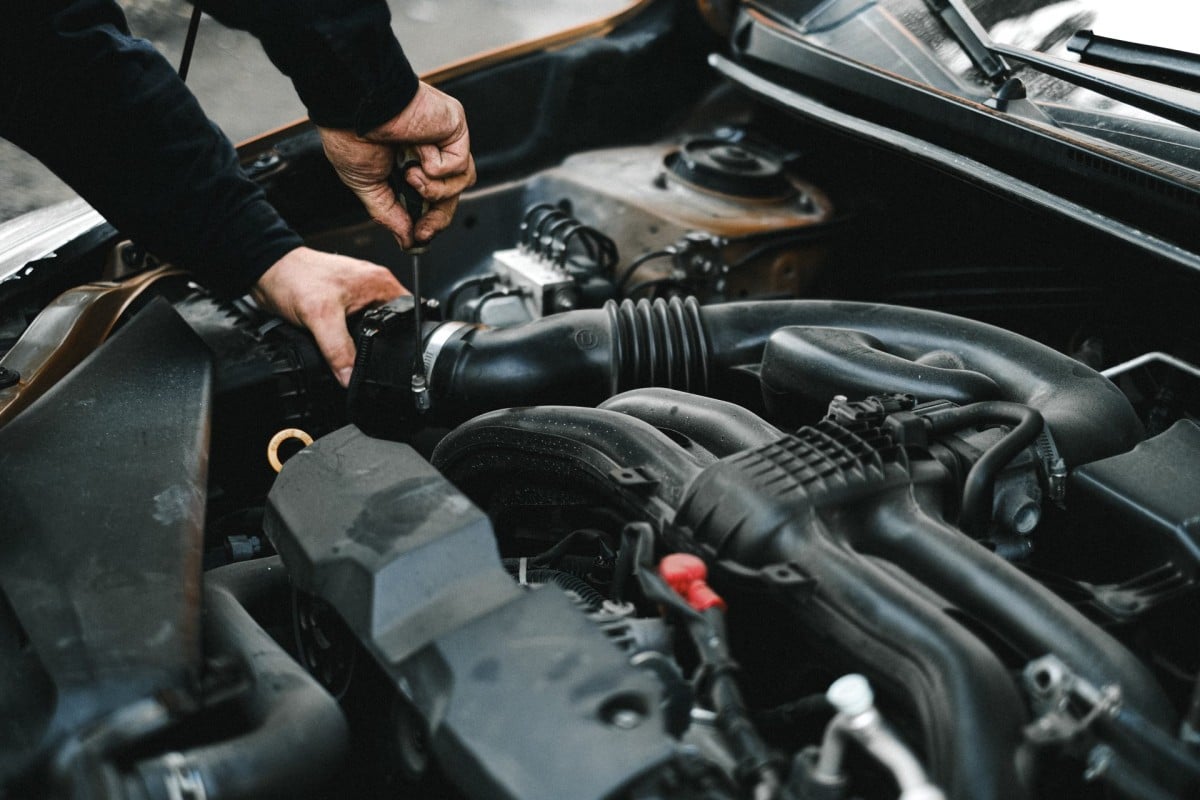
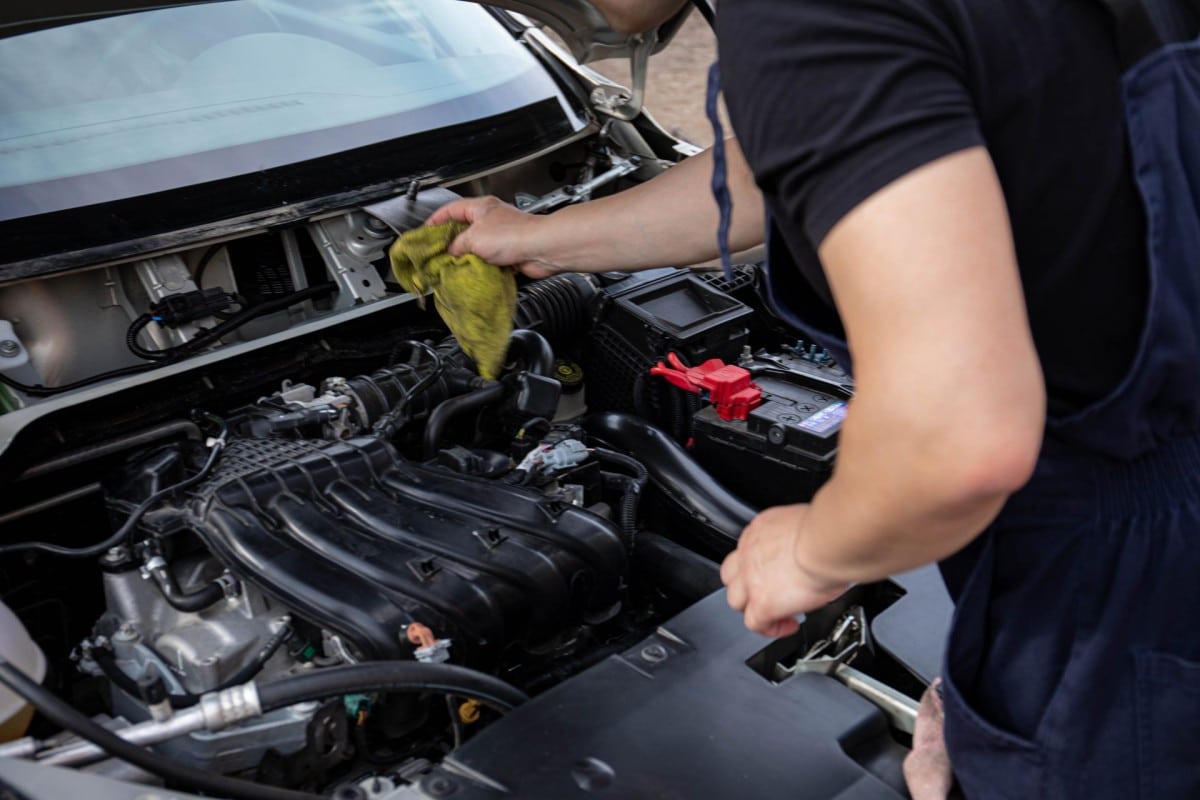
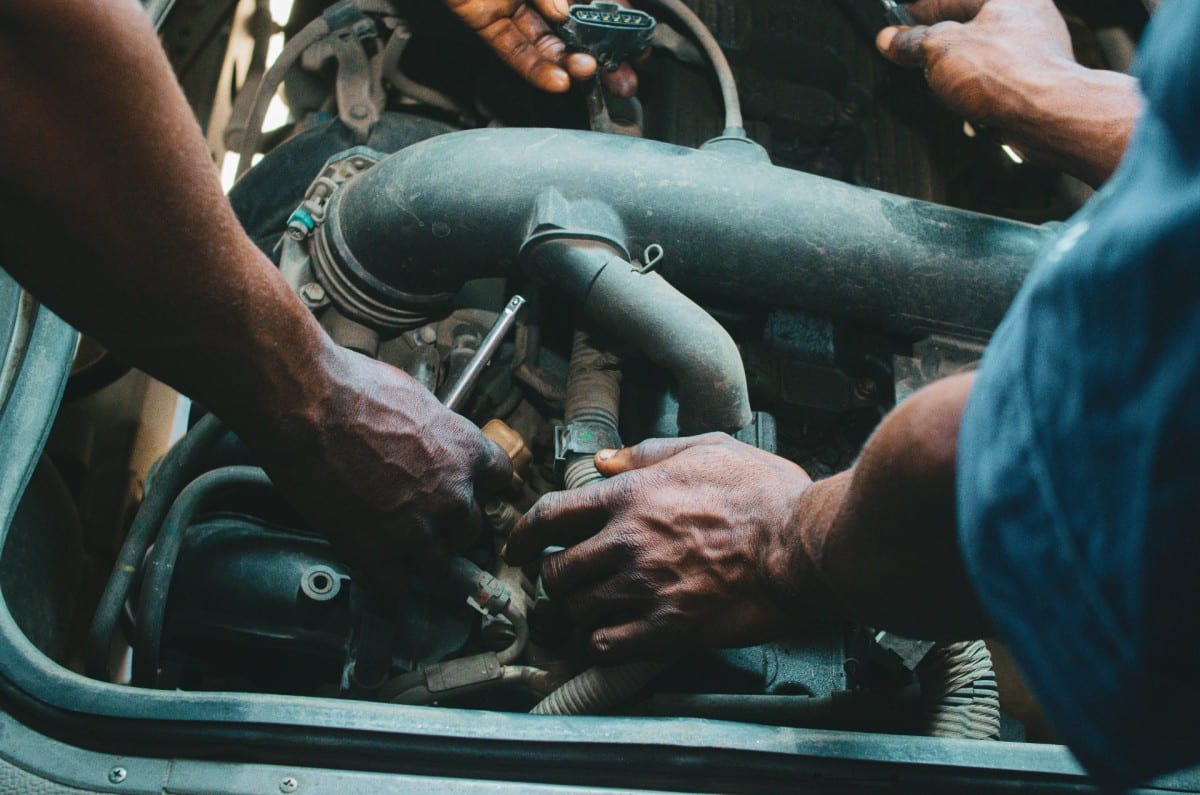
When you schedule an oil change, you’re probably expecting a quick in-and-out service. However, sometimes a routine oil change can reveal more significant issues under the hood. These problems found during oil change sessions can be surprising but are crucial for preventing more severe damage. For instance, worn-out timing belts or unexpected engine sludge can be discovered, potentially saving you from future breakdowns or costly repairs.
Engine sludge is a thick, sticky substance that can form when oil breaks down due to heat and contaminants. This can clog oil passages and cause severe engine problems if not addressed. During an oil change, mechanics might spot this sludge, alerting you to the need for a thorough engine cleaning. Another common find is a worn timing belt, which can cause engine failure if it breaks. Identifying these issues during an oil change can prompt timely repairs, keeping your vehicle running smoothly.
At Sartorial Auto Repairs, our expert technicians keep an eye out for such problems, ensuring that your vehicle’s engine remains in top condition. If your oil change reveals unexpected issues, it’s wise to explore engines and diagnostics to understand the full scope of the problem.
Common Oil Leaks Found During Oil Changes
Oil leaks are a frequent discovery during oil changes. Identifying an oil leak early can prevent significant engine damage and improve your vehicle’s performance. Mechanics often find leaks at the oil pan, valve cover gaskets, or around the oil filter. These leaks might not always be visible to the untrained eye but can cause oil levels to drop and lead to engine overheating.
For further reading, see 5 Things to Know About Oil Changes for Your Car from consumerreports.org.
For example, a loose or improperly fitted oil filter can result in oil dripping onto engine components, potentially causing smoke or even a fire hazard. Similarly, a worn valve cover gasket might seep oil over time, leading to low oil levels and increased friction within the engine.
- Oil pan leaks are often due to degraded gaskets.
- Loose oil filters can cause significant oil leakage.
- Valve cover gasket leaks are common and need prompt attention.
Recognizing these leaks during an oil change allows you to address them before they escalate. Our team at Sartorial Auto Repairs can help fix your vehicle efficiently, preventing further complications down the line.
Problems Found During Oil Change: Gasket and Seal Deterioration
Gaskets and seals play an essential role in keeping your engine’s fluids where they should be. Over time, these components can deteriorate, leading to leaks and potential engine damage. During an oil change, mechanics often inspect gaskets and seals for signs of wear and tear, such as cracks or hardening.
For instance, the oil pan gasket or the rear main seal might show signs of leakage, which can lead to oil dripping onto the ground and reducing engine efficiency. These problems found during oil change inspections are crucial to address to avoid larger, more expensive repairs.
By identifying deteriorating gaskets and seals early, you can get your car repaired before the problem worsens. Replacing these components in a timely manner can prevent oil loss and keep your engine running smoothly.
The Role of Oil Analysis in Diagnosing Engine Health
Oil analysis is a valuable tool in assessing engine health during a routine oil change. This process involves examining oil samples to detect any contaminants or signs of wear that could indicate underlying issues. Through oil analysis, mechanics can uncover problems like excessive metal particles, which suggest internal engine wear.
For example, high levels of iron in the oil might indicate wear in the engine’s valves or cylinder linings. Similarly, the presence of silicon could suggest contamination from dirt, possibly due to a faulty air filter.
- Collect oil samples during an oil change.
- Analyze samples for metal particles and contaminants.
- Interpret results to diagnose potential engine issues.
Using oil analysis, you can learn about engine diagnostics and take proactive steps to maintain your vehicle’s health. This method allows for early detection of problems, helping you avoid costly repairs.
How Routine Oil Changes Can Uncover Transmission Issues
Transmission problems might not be the first thing you associate with an oil change, but they can sometimes be discovered during this routine service. Mechanics might notice signs such as unusual noises or fluid leaks that indicate potential transmission issues.
For instance, during an oil change, if a mechanic observes transmission fluid that is dark or smells burnt, it could signify problems like overheating or excessive wear. Addressing these issues early can prevent more severe transmission damage.
- Transmission fluid leaks may be visible during an oil change.
- Unusual noises can hint at internal transmission problems.
- Burnt-smelling fluid often indicates overheating issues.
If such issues are discovered, it’s essential to pursue further diagnostics. Our team at Sartorial Auto Repairs is equipped to handle these complexities, ensuring your transmission remains in optimal condition.
Identifying Cooling System Problems During an Oil Change
Cooling system issues can also be uncovered during a routine oil change. The cooling system is vital for maintaining engine temperature and preventing overheating. During an oil change, mechanics might notice signs such as low coolant levels or leaks, which could indicate a problem.
For example, a leaking radiator hose or a faulty water pump can lead to insufficient coolant flow, causing the engine to overheat. If these issues are found during an oil change, they should be addressed promptly to prevent engine damage.
By identifying cooling system problems early, you can get engine light checked and ensure your vehicle’s longevity. Regular maintenance and timely repairs are key to keeping your engine and cooling system in top condition.
Revealing Brake System Concerns Through Oil Changes
Although not directly related to the engine, brake system issues can sometimes be discovered during an oil change. Mechanics might notice worn brake pads or low brake fluid levels, which can affect your vehicle’s stopping power.
For instance, during an oil change, a mechanic might inspect the brake system as part of a general safety check. If they find that the brake pads are worn down or the fluid is low, these are clear indicators that maintenance is needed.
- Worn brake pads can compromise stopping power.
- Low brake fluid levels might signal a leak or need for a top-up.
- Regular brake inspections can prevent accidents.
Addressing brake system concerns is crucial for your safety. At Sartorial Auto Repairs, we offer comprehensive auto repair services to keep your vehicle safe on the road.
The Impact of Deferred Maintenance Found During Oil Changes
Deferred maintenance is a common issue that becomes apparent during oil changes. Neglecting regular maintenance can lead to a host of problems, such as reduced fuel efficiency, increased emissions, and even engine failure.
For example, if a mechanic notices that your air filter is clogged or your spark plugs are worn out during an oil change, it could indicate that routine maintenance has been overlooked. This deferred maintenance can have a snowball effect, leading to more significant issues down the line.
By staying on top of regular maintenance, including oil change services, you can prevent these problems and extend the life of your vehicle. Our team at Sartorial Auto Repairs is here to help you with all your maintenance needs.
What to Do When Your Oil Change Reveals More Than Expected
Discovering unexpected issues during an oil change can be daunting, but it’s essential to address them promptly. First, consult with your mechanic to understand the severity of the problem and the necessary repairs. They can provide valuable insights into what needs immediate attention and what can wait.
Once you have a clear understanding of the issues, consider scheduling further inspections or repairs. Whether it’s addressing engine sludge, fixing oil leaks, or replacing worn gaskets, taking action can prevent more significant problems in the future.
If your oil change reveals more than you expected, don’t hesitate to contact Sartorial Auto Repairs. Our experienced team is ready to assist you in getting your vehicle back into optimal condition. Learn more about our auto repair services or book an appointment by calling us at 707-526-2625.
Frequently Asked Questions
What common problems can be found during an oil change?
Common issues discovered during an oil change include engine sludge, worn-out timing belts, and oil leaks. Identifying these problems early can prevent costly repairs and ensure your vehicle runs smoothly.
How does engine sludge affect my car?
Engine sludge can clog oil passages and lead to severe engine problems if not addressed. If mechanics find sludge during an oil change, it's important to arrange for an engine cleaning to avoid future damage.
Why is a worn timing belt a concern?
A worn timing belt can cause engine failure if it breaks unexpectedly. Detecting a worn belt during an oil change allows you to replace it promptly, avoiding potential breakdowns.
Can oil leaks be detected during an oil change?
Yes, oil leaks are often identified during an oil change. Addressing leaks early can prevent engine damage and improve your vehicle's performance. Contact Sartorial Auto Repairs at 707-526-2625 if you suspect a leak.
What should I do if my oil change reveals unexpected problems?
If unexpected issues are found, explore further diagnostics to understand the problem's scope. At Sartorial Auto Repairs, we can help you with the necessary repairs to keep your car in top shape.