

When it comes to car maintenance, most of us know about the basics like oil changes and tire rotations. But there are several lesser-known tasks that are just as important in keeping your vehicle running smoothly and safely. Overlooking these can lead to more significant issues down the road, both in terms of performance and cost. Here at Sartorial Auto Repairs, we believe in educating our customers, so you know exactly what your car needs.
Let’s dive into five often overlooked car maintenance tasks that every driver should be aware of. These tasks not only extend the life of your car but also help you avoid unexpected breakdowns and costly repairs.
Checking and Replacing Cabin Air Filters
The cabin air filter is responsible for filtering the air that comes through the car’s HVAC system. Many drivers overlook this small but crucial component, leading to reduced air quality inside the vehicle. A clogged cabin air filter can make your air conditioning work harder than necessary, which can decrease efficiency and increase fuel consumption.
Why It’s Important
Over time, the cabin air filter can become filled with dust, pollen, and other airborne debris. This not only affects the air quality inside the car but can also impact the overall performance of your HVAC system. When the filter is clogged, your system has to work harder to push air through, potentially leading to wear and tear.
When to Replace
Typically, cabin air filters should be replaced every 15,000 to 25,000 miles, though this can vary based on your driving conditions. If you’ve been driving in a particularly dusty area or during allergy season, you might need to replace it more frequently.
Real-World Scenario
Consider Sarah, a daily commuter who started noticing an odd smell in her car. She also realized her air conditioning wasn’t as cold as it used to be. After a quick visit to our shop, we discovered her cabin air filter was long overdue for a change. Once we replaced it, the air quality improved, and her AC worked like new again.
Regular Brake Fluid Checks
Brake fluid is a critical component of your vehicle’s braking system, but it’s often overlooked during regular maintenance. Keeping an eye on your brake fluid can prevent serious issues, such as brake failure.
Why It’s Important
Brake fluid transfers the force created when you press the brake pedal into pressure that stops your car. Over time, brake fluid can become contaminated with moisture, reducing its effectiveness. This can lead to a spongy brake pedal or, in severe cases, complete brake failure.
When to Check
It’s a good idea to check your brake fluid level every time you have an oil change. If you notice the fluid level dropping or the fluid appearing dark and dirty, it’s time to have it replaced. Our brake inspection service can help ensure everything is in working order.
Real-World Scenario
John, a loyal customer, came in for a routine check-up and mentioned that his brakes felt soft. We checked his brake fluid and found it was contaminated. After a complete brake fluid replacement, John’s brakes felt firm and reliable again. This simple task potentially saved him from needing more extensive repairs, such as brake rotor replacement or the need to get new brake rotors.
Inspecting and Replacing Serpentine Belts
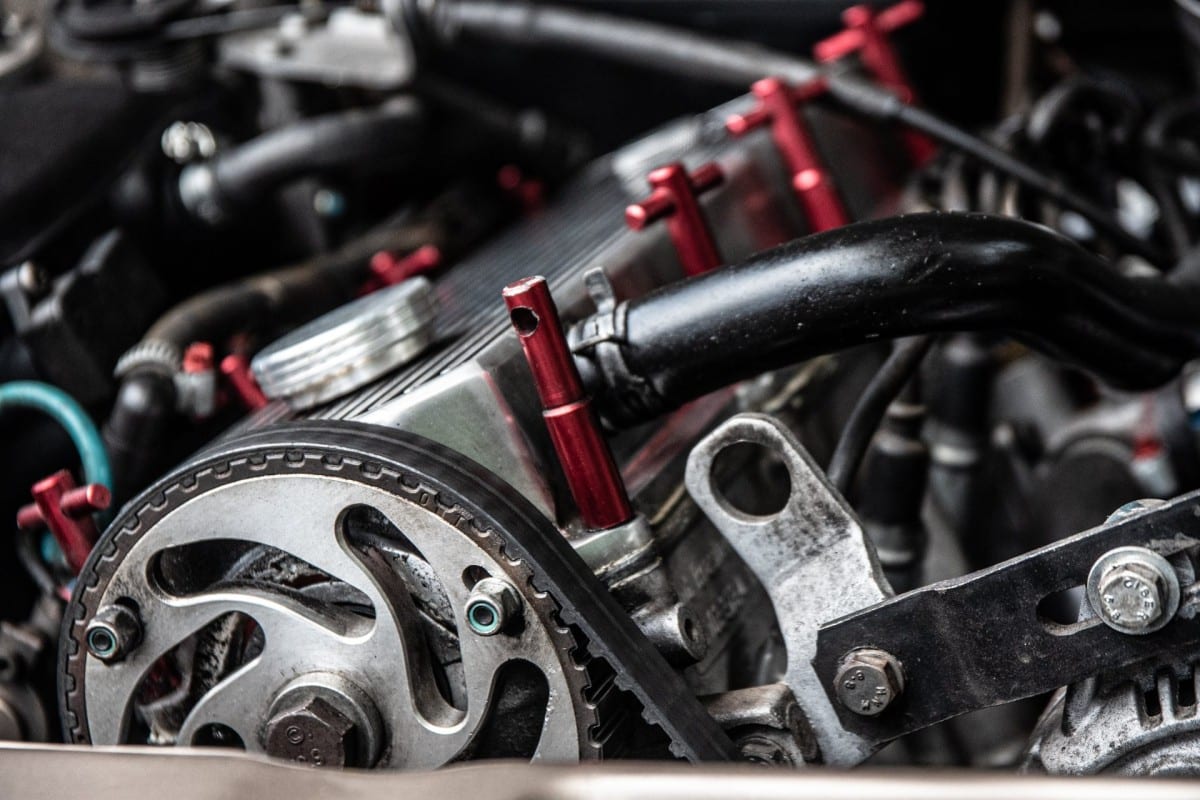
The serpentine belt is another component that doesn’t get the attention it deserves. This belt powers essential systems like the alternator, power steering pump, and air conditioning compressor. If it fails, you could find yourself stranded on the side of the road.
Why It’s Important
A worn or damaged serpentine belt can lead to a breakdown. If the belt snaps while you’re driving, you could lose power steering, the alternator could stop charging the battery, and your engine could overheat.
When to Inspect
Inspect your serpentine belt every 60,000 to 100,000 miles. Look for signs of wear such as cracks, fraying, or glazing. If you’re unsure about the condition of your serpentine belt, bring your car in for a professional inspection during your factory scheduled maintenance.
Real-World Scenario
Emily, a busy mom, noticed a squeaking noise coming from her engine. During her next visit, we checked her serpentine belt and found it was worn out. By replacing it promptly, we prevented potential failure and ensured her vehicle ran smoothly, especially during her long road trips.
Maintaining Battery Health
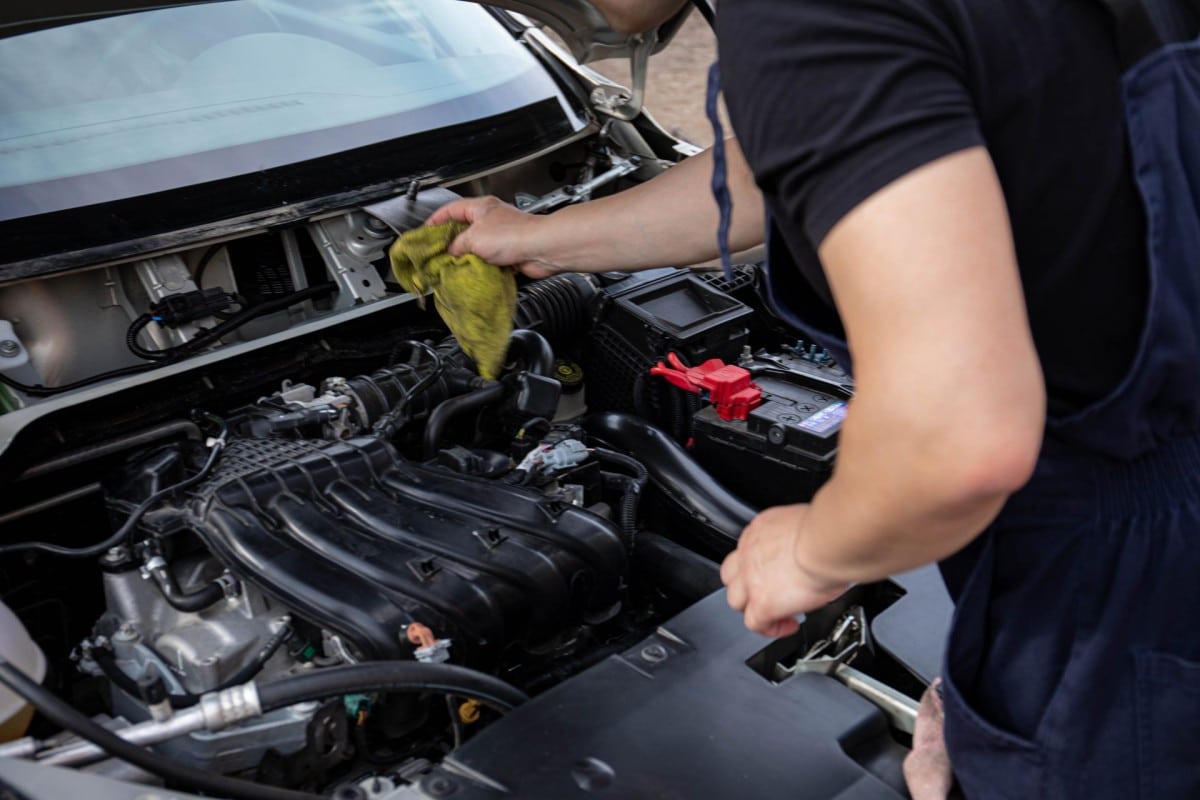
Your car’s battery is the heart of its electrical system, yet many drivers neglect regular battery maintenance. A well-maintained battery ensures your car starts reliably and all electrical components function properly.
Why It’s Important
Battery failure is one of the most common reasons for roadside assistance calls. Extreme temperatures can shorten a battery’s life, and corroded terminals can impact its performance.
When to Check
Inspect your battery at least twice a year, especially before winter and summer. Check for corrosion around the terminals and ensure the connections are tight. If your car is slow to start or you notice dim headlights, it might be time to test the battery’s health.
Real-World Scenario
Tom was frustrated with his car not starting on cold mornings. After bringing his car to us, we found his battery was near the end of its life. By replacing it and cleaning the terminals, Tom’s car started without a hitch, even on the coldest days.
Regular Engine Air Filter Replacement
The engine air filter plays a crucial role in keeping your engine running efficiently. It prevents dust, dirt, and other contaminants from entering the engine, which can lead to performance issues and higher fuel consumption.
Why It’s Important
A dirty air filter can reduce airflow to the engine, causing it to work harder and use more fuel. In the long run, this can lead to a decrease in engine performance and potential engine damage.
When to Replace
Most engine air filters should be replaced every 12,000 to 15,000 miles, but this can vary based on driving conditions. If you frequently drive on dirt roads or in heavy traffic, you might need to replace it more often.
Real-World Scenario
Lisa noticed her car wasn’t accelerating as smoothly as it used to. After a quick check, we discovered her engine air filter was clogged. Replacing it improved her car’s performance and fuel efficiency, making her daily commute much more enjoyable.
Staying Ahead with Regular Maintenance
By keeping up with these often overlooked car maintenance tasks, you’re not just taking care of your vehicle—you’re also ensuring your safety and peace of mind on the road. At Sartorial Auto Repairs, we’re here to help you with all your car maintenance needs, whether it’s to maintain high-mileage cars, get your brake pads replaced, or help you with a factory maintenance service.
Don’t wait until a small issue becomes a significant problem. Schedule your maintenance today and keep your car running smoothly for years to come. Remember, a little attention now can save you a lot of trouble later.