



When your car starts acting up, it can be a stressful experience, especially if you’re unsure what’s causing the problem. For many drivers in Santa Rosa, a failing alternator can be one of those mysterious issues that leaves you puzzled. The alternator is a crucial component of your vehicle’s electrical system, and knowing the signs of a failing one can save you from unexpected breakdowns and costly repairs. In this post, we’ll walk you through everything you need to know about the tell-tale signs of a failing alternator and what you can do about it.
Understanding the Role of the Alternator
The alternator is responsible for keeping your car’s battery charged and ensuring that all the electrical components in your vehicle have the power they need to function. It converts mechanical energy from the engine into electrical energy. When the alternator starts to fail, it can lead to a series of issues that affect your driving experience.
How the Alternator Works
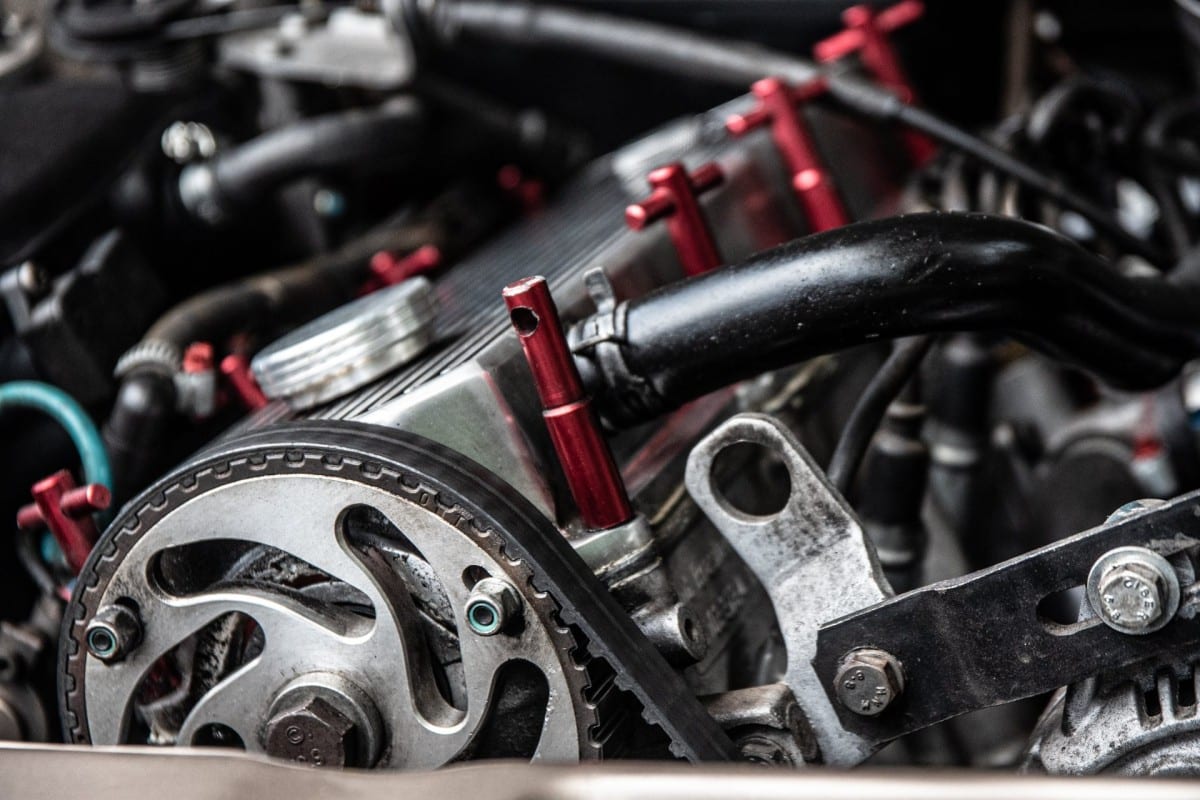
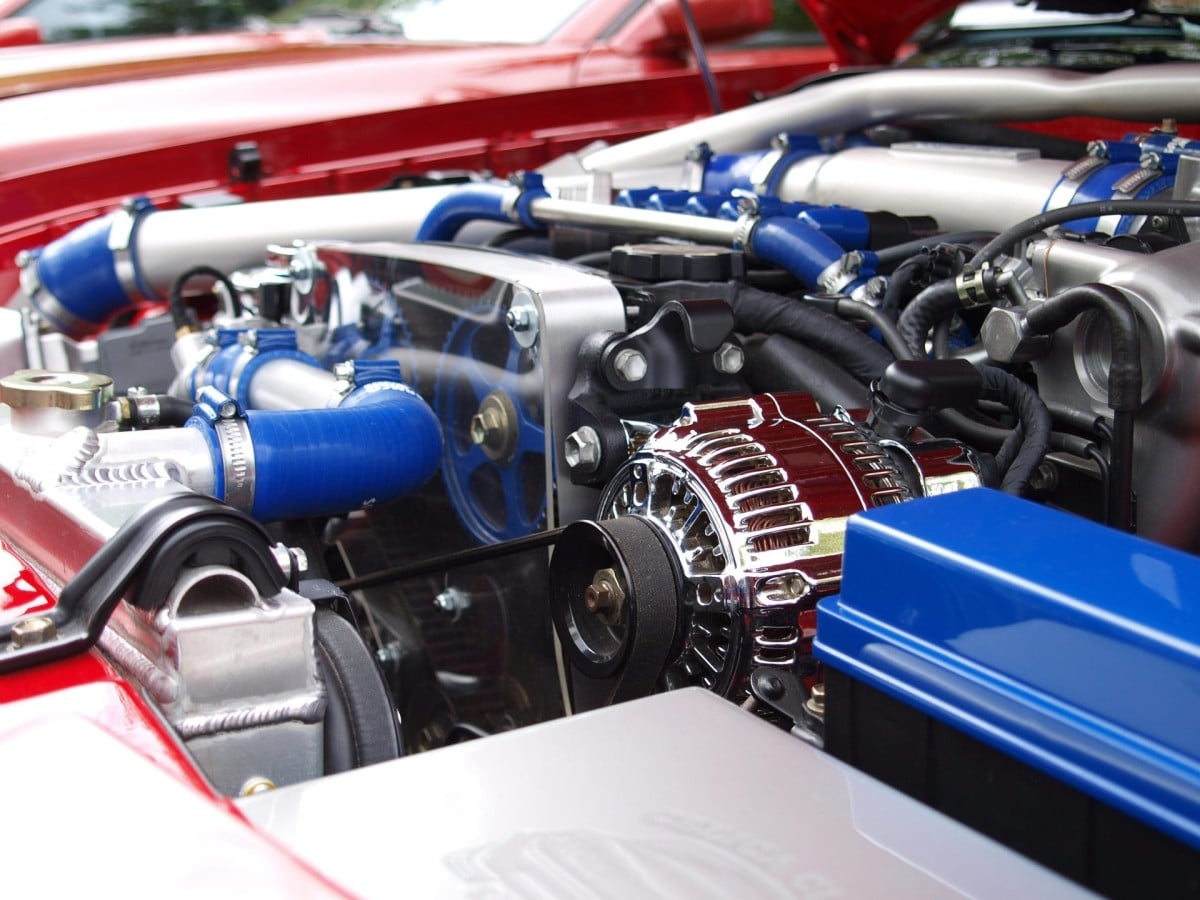
The alternator is connected to the engine by a drive belt. As the engine runs, it turns the belt, which in turn spins the alternator’s rotor. This movement generates electricity, which is then used to recharge the battery and power your vehicle’s electrical systems.
- Headlights
- Dashboard lights
- Radio and infotainment system
- Power windows and locks
- Air conditioning system
If any of these systems start showing irregular behavior, it might be time to consider an alternator repair.
Common Signs of a Failing Alternator
Recognizing the symptoms of a failing alternator early can save you from more significant issues down the road. Here are some red flags to watch for:
Dim or Flickering Lights
If you notice that your headlights or dashboard lights are dimmer than usual, it could be a sign that the alternator isn’t generating enough power. Flickering lights might also indicate that the alternator is on its way out.
Real-world Example: Imagine driving down a dark road at night, and suddenly your headlights start dimming. Not only is this alarming, but it can also be dangerous. It’s a clear sign that you should get warning lights checked as soon as possible.
Strange Noises
A failing alternator can produce unusual sounds, such as grinding or whining. These noises often occur because of a misaligned belt or worn-out bearings inside the alternator. Ignoring these sounds can lead to more severe damage and potential rotor replacement service.
Scenario: You’re sitting at a red light, and you hear a whining sound coming from the engine. It’s not something to ignore, as it could be the first indicator of an alternator issue.
Electrical Failures
If your windows take longer to roll up or down, or your radio suddenly turns off, it might be due to an alternator that’s not providing enough power. These electrical failures can be frustrating and signal the need for an electrical diagnostics service.
Example: You’re enjoying your favorite song on the radio, and suddenly the sound cuts out. While it might seem trivial, it’s worth checking if the alternator is to blame.
Battery Issues
A dead battery might not always be the battery’s fault. If your car requires frequent jump starts, the alternator might not be charging the battery correctly. Considering battery testing services can help determine if the alternator is the root of the problem.
- Frequent need for jump starts
- Battery warning light on dashboard
- Corrosion around battery terminals
If you suspect the alternator, exploring battery replacement options isn’t always the best first step. Instead, having the alternator assessed might save you time and money.
Diagnosing and Addressing Alternator Problems
Once you suspect an issue with your alternator, it’s crucial to take action. Here’s how you can diagnose and address the problem effectively:
Conducting a Voltage Test
A simple voltage test can confirm if the alternator is failing. This involves measuring the voltage output with a multimeter. A healthy alternator should output between 13.5 and 14.5 volts. If the reading is outside this range, it might be time for alternator repair.
Example: You connect a multimeter to the battery while the engine is running, and it reads 12 volts. This reading suggests the alternator isn’t charging the battery properly.
Seeking Professional Help
If you’re not comfortable diagnosing the problem yourself, it’s wise to consult a professional. A trusted auto repair shop can perform an abs warning light check and provide comprehensive electrical diagnostics service to pinpoint the issue.
Scenario: After noticing dim lights and hearing strange noises, you decide to visit Sartorial Auto Repairs. The experienced mechanics can diagnose the problem and recommend the best course of action.
Repair or Replace?
Depending on the severity of the problem, you might need to repair your alternator or opt for a complete replacement. In some cases, replacing worn-out components is enough, while in others, a full replacement might be necessary to ensure reliability.
Real-world Example: If the alternator bearings are worn but the rest of the unit is in good shape, a repair might suffice. However, if the alternator frequently fails, replacement might be the most cost-effective solution in the long run.
Preventive Measures to Extend Alternator Life
While alternators have a limited lifespan, you can take steps to ensure they last as long as possible. Here are some tips to keep your alternator in good condition:
Regular Maintenance
Routine maintenance, like changing brake pads or scheduling brake inspection, can indirectly impact the health of your alternator. A well-maintained vehicle puts less strain on the electrical system, helping the alternator last longer.
Monitor Electrical Usage
Avoid using too many electrical accessories simultaneously, especially when idling. Overloading the electrical system can cause unnecessary strain on the alternator.
- Turn off headlights when parked
- Avoid using the radio or air conditioning with the engine off
- Unplug chargers and devices when not in use
These small habits can make a big difference in prolonging the life of your alternator.
Seek Professional Inspections
Regular inspections by a professional mechanic can catch early signs of alternator issues. This proactive approach can prevent unexpected breakdowns and ensure your vehicle runs smoothly.
Example: During a routine service visit, a mechanic might notice wear on the alternator belt and suggest a replacement before it becomes a problem.
By understanding the signs of a failing alternator and taking steps to address them, you can keep your vehicle running reliably and avoid those dreaded roadside breakdowns. If you suspect an alternator issue, don’t hesitate to reach out to a trusted professional for advice and assistance.
Whether you need to repair your alternator or explore battery replacement options, taking action early can save you time and prevent costly repairs down the road. Remember, regular maintenance and prompt attention to unusual symptoms are key to keeping your car in top shape.