

So, you turn the key in the ignition, your car roars to life, and you're ready to start your day. But have you ever wondered what makes your car tick? Or rumble, or roar, or, sometimes, make that slightly worrying whirring sound? Turns out, that's a small but essential part called the drive belt.
The Unsung Hero: The Drive Belt
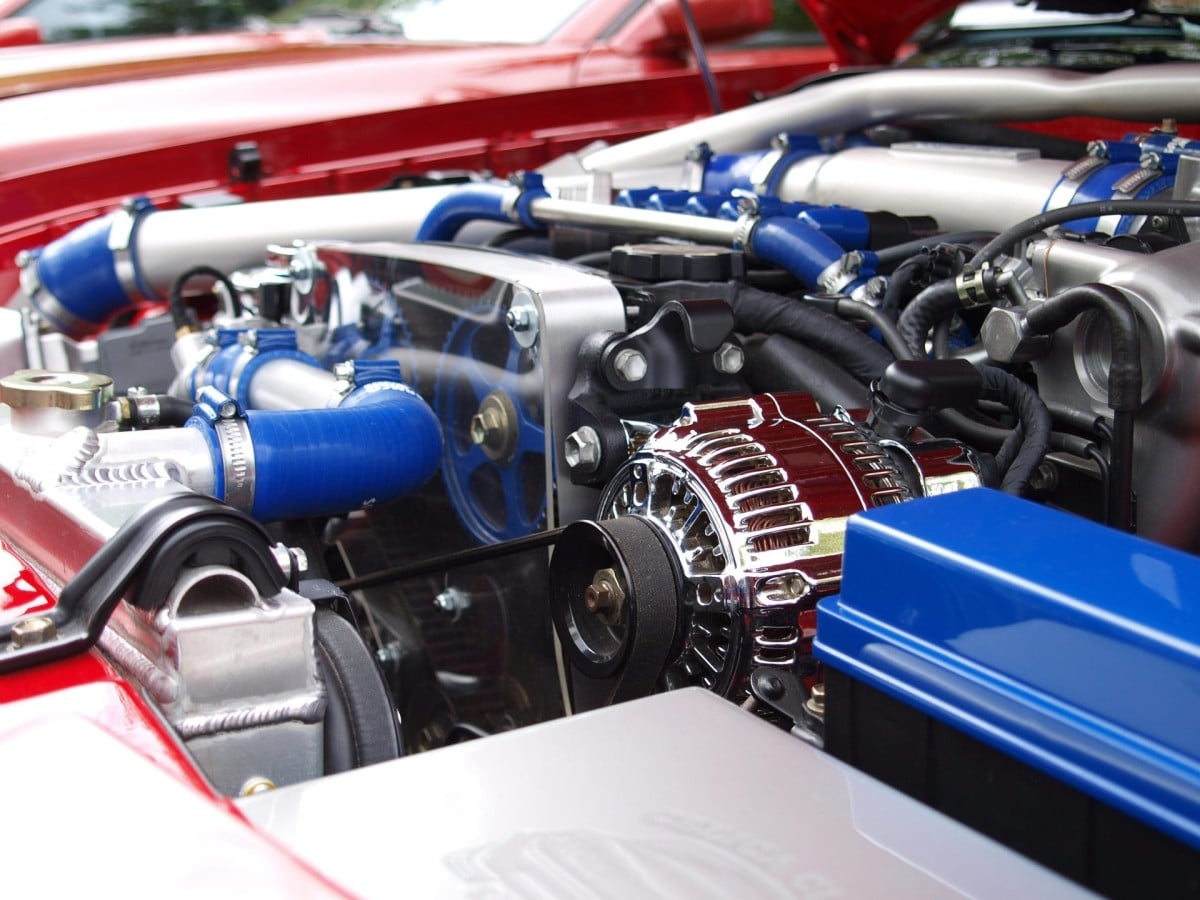
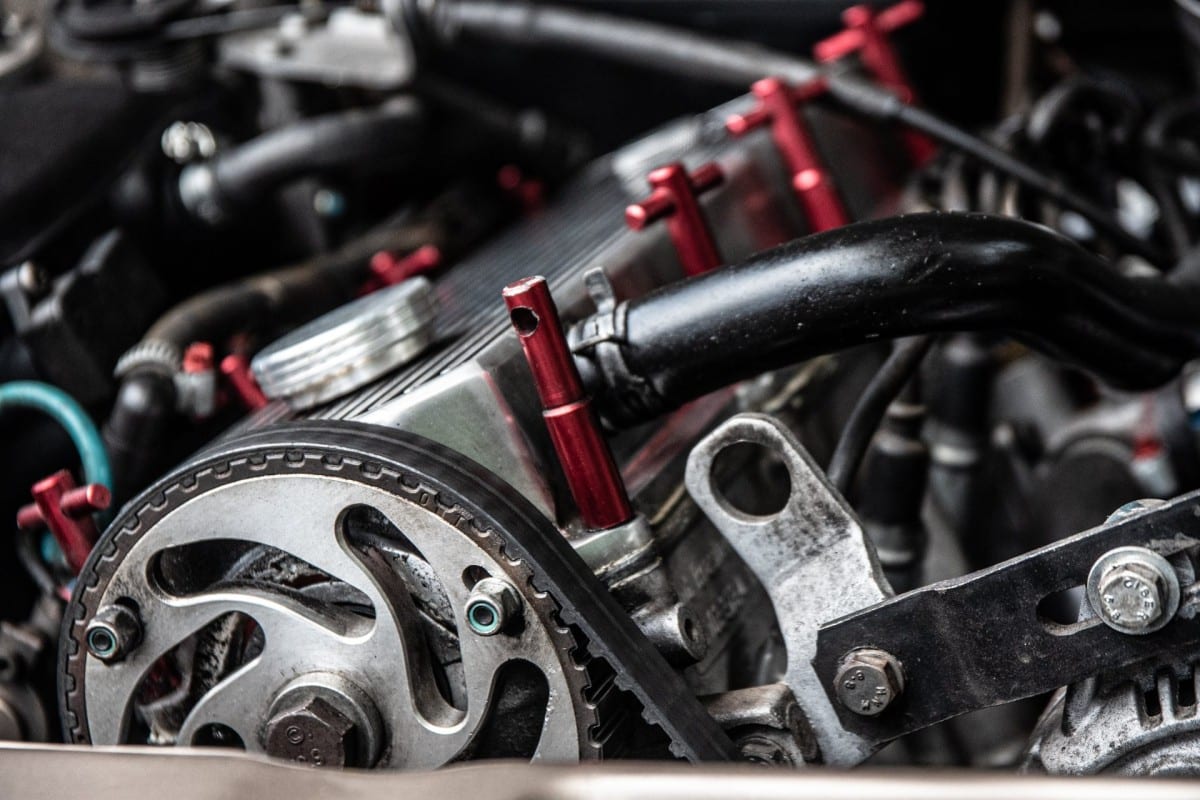
Drive belts, despite their simplicity, have a crucial role in your car's performance. These belts, which may be one or more in your vehicle, transfer the mechanical energy from the engine's rotating crankshaft to various components. These include the alternator, air conditioning compressor, power steering pump, and, in some vehicles, the water pump.
Types of Drive Belts
There are mainly two types of drive belts: V-belts and serpentine belts. V-belts, also known as ‘fan belts', are older technology and usually drive only one or two components. In contrast, serpentine belts, which are flat and have several ribs on the underside, snake around multiple pulleys, driving many components simultaneously.
Drive Belt Wear and Tear
Like all parts of your car, drive belts suffer from wear and tear. Over time, they can become frayed, cracked, or lose tension, reducing their efficiency. Unfortunately, a worn-out belt can break, leaving you stranded on the side of the road. When a drive belt fails, the components it drives stop working. For instance, a broken belt can mean loss of power steering or a dead battery because the alternator isn't charging it.
Regular Inspection and Maintenance
That's why regular inspection and replacement of your drive belts are vital. Most manufacturers recommend checking your belts every 60,000 to 100,000 miles. However, it's wise to inspect them more frequently if you hear a squealing noise when you accelerate or if your car has been operating under severe conditions such as extreme temperatures.
Regular maintenance and inspection of your vehicle ensures it stays in top shape and saves you from unexpected breakdowns. More importantly, it helps maintain your car's value over time.
Drive belts might seem like a small part of your car, but remember, they're one of the essential components that keep your vehicle running smoothly. It's always a good idea to be knowledgeable about your car's engine and its parts, but the actual inspection and replacement of these components should be done by a trained professional.
You might not give your drive belts a second thought when you hop into your car every day. But knowing what role they play, how to spot the signs of wear and tear, and when to replace them, that puts you in a better position to maintain your vehicle's performance and longevity.
Now, isn't it time you showed your vehicle some love? Come and visit us at our auto repair shop in Windsor, CA. Our team of experienced professionals is ready to take care of every aspect of your car, from the drive belts to the engine oil. Let us help you ensure a smooth and safe journey every time you hit the road.