


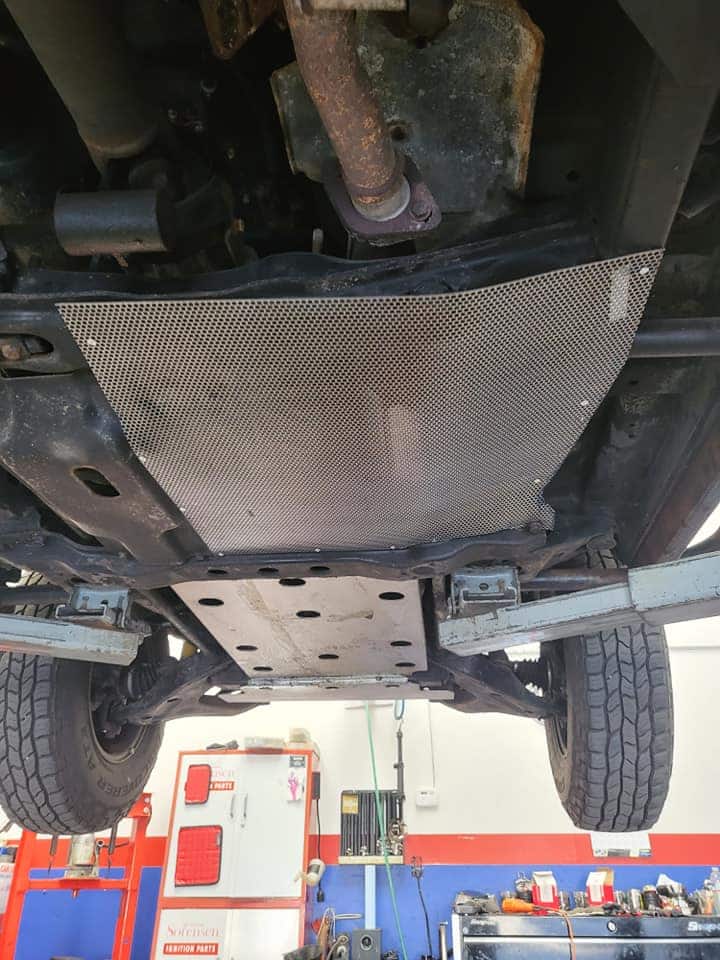

Engines are the heart of any vehicle, and like any vital component, they need proper care to function optimally. One of the simplest yet most effective ways to extend the life of your engine is through regular oil changes. It’s a straightforward task, but it can make all the difference in how your car performs over the years. Let’s break down why oil changes are so crucial and how they can help keep your engine running smoothly.
The Importance of Regular Oil Changes
Oil changes might seem like just another item on your car maintenance checklist, but they play a critical role in keeping your engine healthy. Engine oil lubricates the moving parts, reducing friction and preventing wear. Over time, oil breaks down and becomes less effective, which can lead to a host of problems.
When oil degrades, it loses its ability to lubricate, cool, and clean the engine. This can result in increased engine wear, overheating, and even costly repairs. Regular oil changes ensure that your engine is always running with clean, effective oil.
Benefits of Regular Oil Changes
There are several key benefits to maintaining a regular oil change schedule:
- Improved Engine Performance: Fresh oil reduces friction and allows the engine to run more smoothly.
- Enhanced Fuel Efficiency: With less resistance in the engine, your car can achieve better fuel economy.
- Extended Engine Life: Keeping the engine well-lubricated helps prevent wear and tear, potentially extending its lifespan.
- Reduced Emissions: Clean oil helps keep your engine clean, reducing harmful emissions.
What Happens When You Neglect Oil Changes?
Skipping oil changes can lead to several adverse outcomes. You might notice a decrease in engine performance, unusual noises, or even a warning light on your dashboard. If you see a warning light, it might be time for a check engine light diagnosis or to get engine light checked to understand the issue.
In more severe cases, neglecting oil changes can cause engine parts to wear prematurely. This could lead to engine misfires, which would require an engine misfire diagnosis to resolve. These issues not only affect your car’s performance but can also lead to expensive repairs.
How Often Should You Change Your Oil?
Oil change frequency can vary depending on your car’s make, model, and your driving habits. However, a general rule of thumb is to change your oil every 3,000 to 5,000 miles. Some newer vehicles and synthetic oils allow for longer intervals, up to 7,500 or even 10,000 miles. Always refer to your vehicle’s owner manual for specific recommendations.
Factors Affecting Oil Change Frequency
Several factors can influence how often you should change your oil:
- Driving Conditions: Frequent short trips, stop-and-go traffic, and harsh driving conditions can increase the need for oil changes.
- Type of Oil: Synthetic oil generally lasts longer than conventional oil but may cost more upfront.
- Vehicle Age: Older engines may require more frequent oil changes due to increased wear and tear.
If you’re uncertain about your oil change needs, consult with a trusted mechanic. Regular visits can help you stay on top of maintenance, reducing the risk of unexpected issues. If you notice warning lights, consider electrical diagnostics for warning lights to ensure everything is in working order.
Choosing the Right Oil for Your Engine
Not all engine oils are created equal, and using the wrong type can lead to performance issues. It’s important to choose the right oil for your engine to maximize its benefits. Most vehicles specify the type of oil recommended in the owner’s manual.
Types of Engine Oil
Here’s a quick guide to the most common types of engine oil:
- Conventional Oil: Best for light-duty, late-model cars with low to average mileage.
- Synthetic Oil: Offers superior performance and protection and is ideal for high-performance vehicles.
- Synthetic Blend Oil: A mix of synthetic and conventional oils, providing better performance than conventional oil alone.
- High-Mileage Oil: Designed for cars with over 75,000 miles, helping to reduce oil consumption and leaks.
Choosing the right oil can help maintain your engine’s health. If you are ever in doubt, ask your mechanic for guidance on the best oil for your vehicle.
DIY Oil Change vs. Professional Service
Some car owners prefer to change their oil themselves, while others opt for professional service. Both have their pros and cons, and the choice often depends on your comfort level and available time.
DIY Oil Change
Changing your own oil can save money and give you a deeper understanding of your vehicle. However, it requires the right tools and knowledge. Make sure you dispose of old oil properly, as it’s hazardous to the environment.
Professional Oil Change
Opting for a professional service ensures that the job is done correctly and efficiently. Technicians can also inspect your vehicle for other potential issues, such as battery testing services or to replace your battery if needed. This can provide peace of mind and save you from headaches down the road.
Whether you choose to do it yourself or leave it to the pros, the important thing is to stick to a regular oil change schedule. This simple act of maintenance can help prevent larger issues that require services like get your alternator fixed or repair your starter.
Conclusion: Keep Your Engine Running Smoothly
Regular oil changes are a small investment that can pay off in spades by extending the life of your engine and keeping your car running smoothly. By understanding the importance of fresh oil and adhering to a consistent schedule, you can ensure your vehicle remains in top condition.
Whether you’re doing it yourself or visiting a trusted mechanic, don’t overlook this essential maintenance task. If you have any concerns or questions about your engine’s performance, feel free to reach out for advice. We’re here to make sure your car stays healthy and reliable for the journey ahead.