

As a car owner, you might not think about your engine until something goes wrong. Yet, keeping a close eye on your engine’s health is crucial for avoiding unexpected breakdowns and costly repairs. Regular tune-ups can catch potential issues early, helping you maintain the longevity and performance of your vehicle. In this post, we’ll explore five signs that your engine needs a tune-up. Understanding these signs can help you stay ahead of problems and keep your car running smoothly.
Unusual Noises Coming from the Engine
When your engine starts making unusual noises, it’s often a sign that something isn’t quite right. Engines should hum smoothly, so any deviation from this norm could indicate an underlying issue that needs attention. Here are a few noises to be aware of:
- Knocking or Pinging: This can be caused by using the wrong octane fuel or could indicate a more serious problem like worn-out bearings.
- Squealing: Often associated with a loose or worn-out belt.
- Hissing: Could signify a leak in the vacuum system or cooling system.
It’s best not to ignore these sounds. Addressing them early can prevent further damage. For instance, a knocking noise might be resolved by getting a proper engine misfire diagnosis, which will pinpoint the issue and suggest necessary repairs.
Scenario: The Case of the Persistent Knocking
A customer once brought their vehicle into our shop with a persistent knocking sound. After conducting an engine misfire diagnosis, we discovered that the problem was a misfiring cylinder. By replacing the faulty spark plugs and ignition coils, we were able to restore the engine’s smooth operation, saving the customer from a more expensive repair down the line.
Decreased Fuel Efficiency
If you notice that you’re filling up your gas tank more often than usual, your engine might be due for a tune-up. Several factors can affect fuel efficiency, and many of them are related to engine performance:
- Dirty Air Filters: Can restrict airflow, causing the engine to work harder.
- Worn Spark Plugs: Affect the combustion process, leading to inefficient fuel use.
- Fuel System Issues: Such as clogged fuel injectors, can lead to poor fuel delivery.
Getting your engine diagnosed can help identify the root cause of decreased fuel efficiency. Sometimes, a simple professional fuel system repair can make a significant difference.
Scenario: The Mystery of the Vanishing Fuel
A driver came to us complaining about their car’s poor fuel economy. After a thorough inspection, we found that the air filter was clogged and the fuel injectors were partially blocked. By replacing the air filter and cleaning the fuel injectors, we improved the car’s fuel efficiency by over 20%, much to the relief of the owner.
Check Engine Light
The check engine light is a direct signal from your car that something needs attention. While it might be tempting to ignore it, doing so could lead to more significant issues. The light can indicate various problems, from a loose gas cap to more serious engine troubles.
To determine what’s causing the light to come on, a check engine light diagnosis is essential. This diagnostic process will identify any trouble codes stored in the car’s computer system, providing a clear picture of what needs to be fixed.
Scenario: The Persistent Glow
A customer came in with a check engine light that had been on for weeks. They were concerned about the potential cost. After running an engine light diagnostic service, we found that the issue was a faulty oxygen sensor. Replacing this sensor not only turned off the light but also improved the vehicle’s fuel efficiency and emission levels.
Rough Idling or Stalling
Rough idling or stalling is a clear sign that your engine is struggling. When your car idles roughly or stalls, it can be due to several reasons:
- Faulty Spark Plugs: Affect the ignition process.
- Fuel System Problems: Such as a failing fuel pump.
- Air Intake Issues: Like a clogged air filter.
Addressing these issues through a comprehensive engine tune-up can restore your car’s performance. If your car stalls frequently, it’s crucial to get your engine diagnosed promptly to prevent being stranded unexpectedly.
Scenario: The Case of the Stalling Sedan
We had a sedan in the shop that stalled almost every time it idled. After diagnosing the issue, we found that the fuel pump was failing and the spark plugs were overdue for replacement. We replaced the fuel pump and spark plugs, and the car’s performance improved dramatically, providing peace of mind to the owner.
Engine Misfires
Engine misfires can feel like your car is hesitating or jerking, especially under acceleration. Misfires can be caused by:
- Ignition System Issues: Such as faulty spark plugs or ignition coils.
- Fuel System Problems: Like clogged injectors.
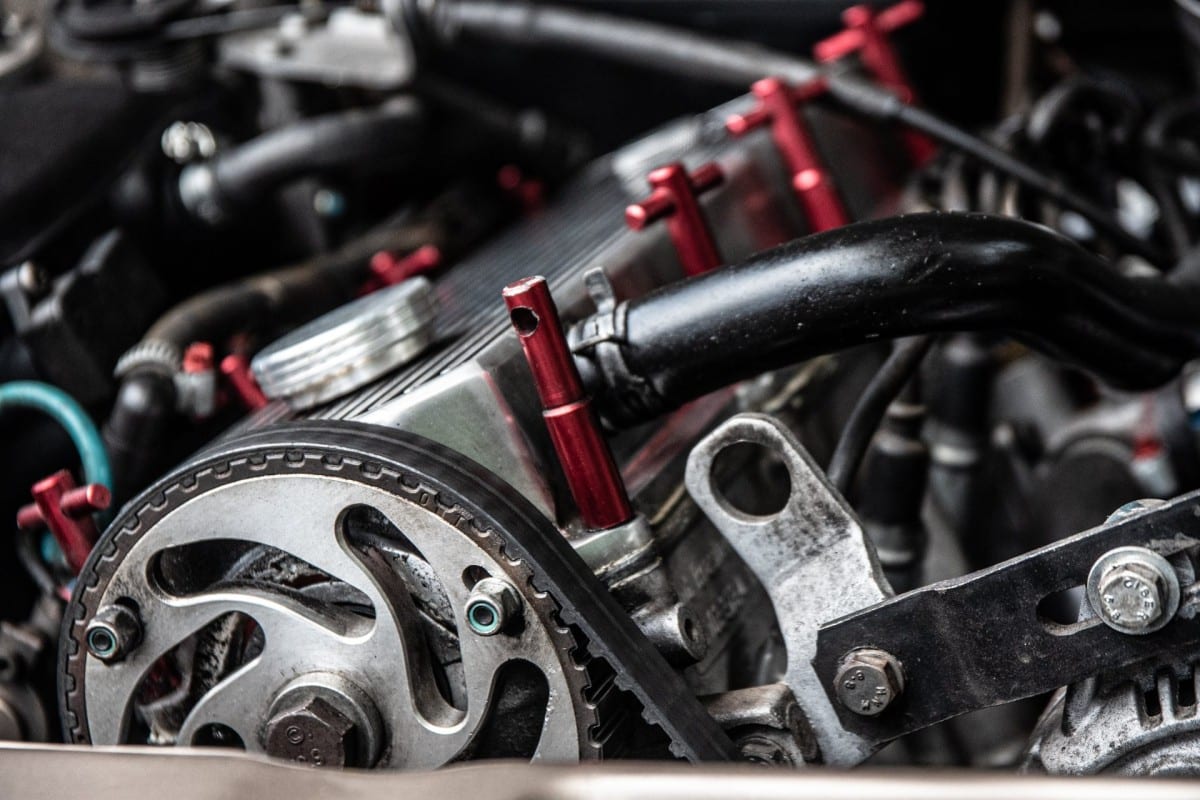
- Mechanical Issues: Such as a timing belt problem.
An engine misfire diagnosis is essential to pinpoint the cause and prevent further damage. Ignoring misfires can lead to more severe engine damage over time.
Scenario: The Jumpy Journey
A driver experiencing frequent engine misfires brought their vehicle to us. Our engine misfire diagnosis revealed that the ignition coils were faulty and needed replacement. After replacing the coils, the car ran smoothly, and the driver no longer had to worry about their car jerking on the road.
Keep Your Engine Running Smoothly
Understanding these signs can help you take action before minor issues become major problems. Regular engine tune-ups are a proactive way to ensure your car runs efficiently and reliably. If you notice any of the signs mentioned, consider scheduling a thorough check-up with Sartorial Auto Repairs. Our experienced team is here to help you keep your vehicle in top shape. By addressing issues early, you can enjoy peace of mind and a smoothly running engine for years to come.